

Your liver filters over 1.4 liters of blood every minute, continuously breaking down toxins from food, environment, and metabolism. Yet countless detox supplements promise instant results while ignoring the complex enzymatic processes your liver actually performs. Understanding true liver detoxification reveals why evidence-based herbal and dietary approaches outperform commercial cleanses for lasting metabolic health.
Table of Contents
- Introduction To Liver Detoxification
- Understanding Liver Detoxification Phases
- Herbal And Plant-Based Support For Liver Detoxification
- Diet And Lifestyle Factors Influencing Liver Detoxification
- Common Misconceptions About Liver Detoxification
- Practical Strategies To Support Natural Liver Detoxification
- Conclusion And Next Steps For Holistic Liver Wellness
- Explore Natural Liver Detox Solutions From Finer Holistics
Key takeaways
| Point | Details |
|---|---|
| Liver detoxification occurs in three enzymatic phases that sequentially modify, conjugate, and eliminate toxins through specialized pathways. | Phase I oxidizes toxins, Phase II conjugates them for solubility, and Phase III eliminates them via bile or urine. |
| Specific herbs and plant compounds support these liver detox pathways effectively. | CBD, CBG, milk thistle, turmeric, and dandelion root enhance enzymatic activity and protect liver cells. |
| Diet and lifestyle profoundly influence liver detox efficiency. | Cruciferous vegetables, sulfur-rich foods, and balanced nutrients activate detox enzymes while processed foods impair function. |
| Many commercial detox supplements are ineffective or harmful. | Unregulated products lack proven benefits and may damage the liver, whereas natural strategies have scientific support. |
| Evidence-based natural strategies improve liver and metabolic health. | Combining herbs, nutrient-dense foods, hydration, and lifestyle habits optimizes long-term liver function. |
Introduction to liver detoxification
Your liver serves as the body's primary chemical processing plant, filtering blood and neutralizing harmful substances continuously. Every minute, this vital organ screens toxins from multiple sources while maintaining metabolic balance.
Toxins enter your body through several pathways:
- Environmental pollutants including heavy metals, pesticides, and industrial chemicals
- Dietary sources such as alcohol, processed foods, and food additives
- Metabolic byproducts generated from normal cellular processes
- Pharmaceutical drugs requiring breakdown and elimination
Supporting liver detoxification matters because compromised function affects energy levels, immune response, and disease prevention. When your liver operates efficiently, you experience better digestion, clearer skin, stable energy, and reduced inflammation. Conversely, overburdened liver pathways contribute to fatigue, brain fog, and increased toxic burden throughout your body.
Understanding liver detoxification phases
Liver detoxification occurs in three enzymatic phases that sequentially modify, conjugate, and eliminate toxins through specialized pathways. These coordinated steps transform dangerous compounds into harmless substances your body can excrete.
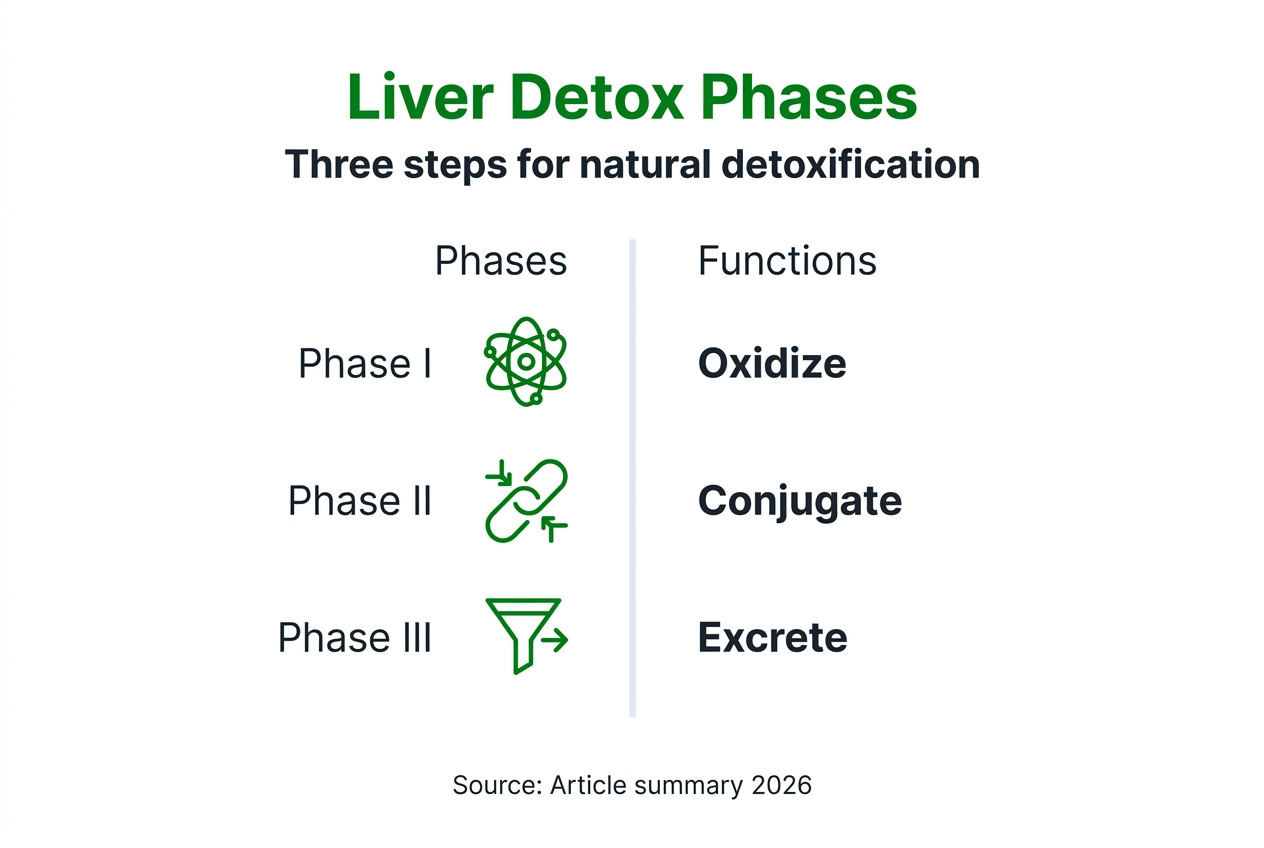
| Phase | Primary Function | Key Enzymes | Output |
|---|---|---|---|
| Phase I | Oxidation and activation | Cytochrome P450 family | Reactive intermediates |
| Phase II | Conjugation for solubility | GST, UGT, SULT, NAT | Water-soluble conjugates |
| Phase III | Active transport and elimination | ABC transporters, MRP2 | Excretion via bile/urine |
Phase I: Cytochrome P450 enzymes oxidize toxins
This initial stage uses over 50 different P450 enzymes to add oxygen molecules to toxins. The process makes compounds more chemically reactive, preparing them for Phase II processing. While necessary, Phase I creates intermediate metabolites that can be more harmful than the original toxin if not quickly processed.
Phase II: Conjugation increases solubility
Enzyme groups attach molecules like glutathione, sulfate, or glucuronic acid to reactive intermediates. This conjugation dramatically increases water solubility, making toxins easier to eliminate. Phase II enzymes include glutathione S-transferase (GST), UDP-glucuronosyltransferase (UGT), and sulfotransferase (SULT).
Phase III: Transporters excrete processed toxins
Specialized protein channels actively pump conjugated toxins from liver cells into bile or bloodstream for kidney filtration. These ATP-binding cassette (ABC) transporters ensure modified toxins leave your body rather than recirculating.
Pro Tip: Supporting all three phases together prevents toxic intermediate buildup. Focusing only on Phase I without adequate Phase II support can actually increase oxidative stress and cellular damage.
Herbal and plant-based support for liver detoxification
Evidence-backed herbs contain bioactive compounds that enhance liver enzymatic activity and protect hepatocytes from damage. These plant medicines work through multiple mechanisms to optimize detoxification pathways naturally.
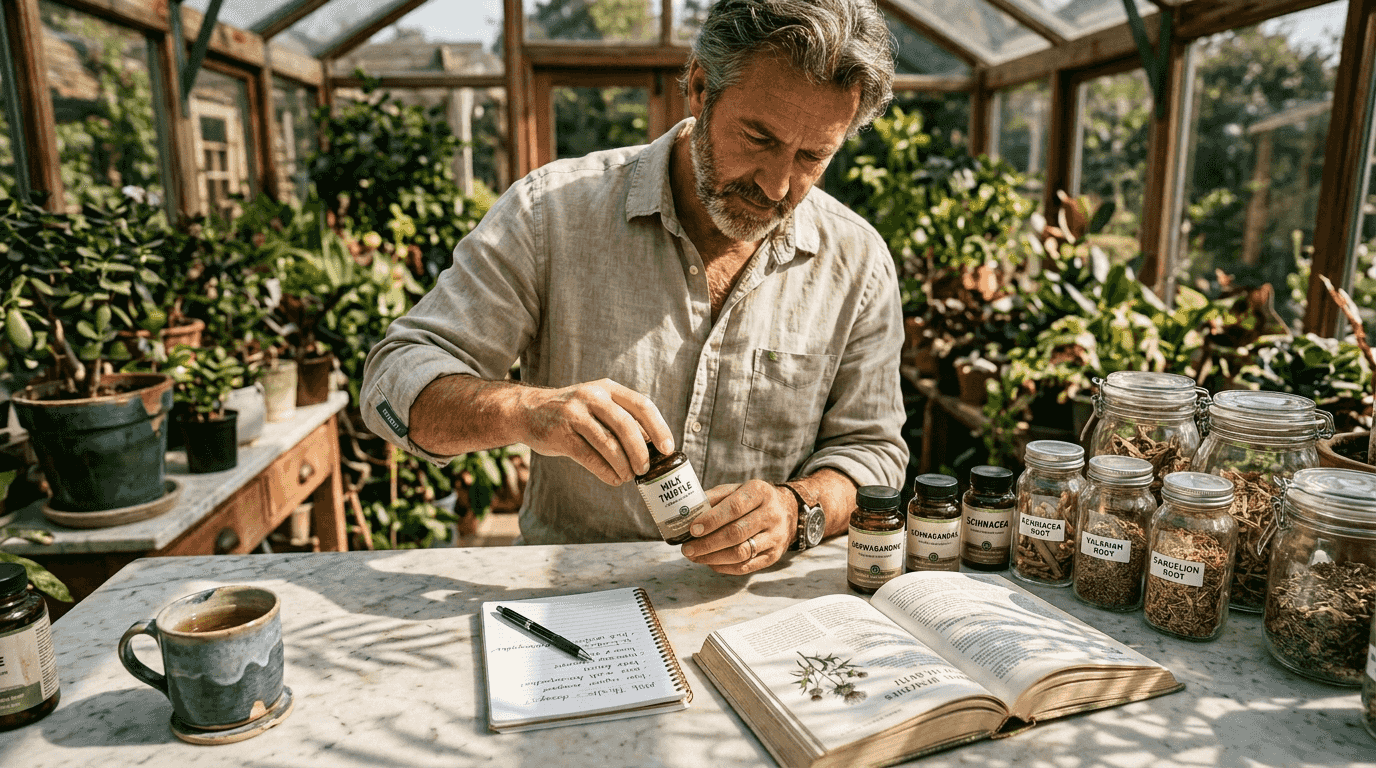
Non-intoxicating cannabis compounds CBD and CBG improve liver metabolic health by boosting cellular energy reserves. Recent research shows these cannabinoids enhance mitochondrial function in liver cells while reducing fat accumulation associated with fatty liver disease. This metabolic optimization supports sustained detoxification capacity.
Milk thistle contains silymarin that protects liver cells, reduces inflammation, and supports detox enzymes. This flavonoid complex acts as a potent antioxidant, stabilizing cell membranes and promoting hepatocyte regeneration. Clinical studies demonstrate silymarin's ability to improve liver enzyme markers in various conditions.
Additional liver-supporting botanicals:
- Turmeric's curcumin reduces inflammatory signaling while promoting bile production and flow
- Dandelion root stimulates bile secretion and provides antioxidant protection to hepatocytes
- Garlic's organosulfur compounds activate glutathione synthesis and Phase II enzymes
- Schisandra berry enhances P450 enzyme activity while protecting against toxin-induced damage
These herbs work synergistically when combined thoughtfully. Formulations like sea moss blended with burdock root provide complementary nutrients supporting liver function, while digestive herbal teas promote bile flow essential for toxin elimination.
Pro Tip: Combining herbs with different mechanisms creates comprehensive liver support. Pairing antioxidant-rich milk thistle with enzyme-activating cruciferous vegetables maximizes detoxification potential across all three phases.
Diet and lifestyle factors influencing liver detoxification
Your daily food choices directly impact liver enzyme expression and detoxification capacity. Specific nutrients activate genetic pathways that produce more detox enzymes, while others provide raw materials for conjugation reactions.
Glucosinolate-rich cruciferous vegetables boost Phase II liver enzymes enhancing toxin excretion. Broccoli, kale, cauliflower, and Brussels sprouts contain compounds that trigger Nrf2 signaling pathways, increasing production of glutathione S-transferase and other conjugating enzymes.
Sulfur-containing compounds in garlic activate liver pathways improving antioxidant defenses. Allicin and other organosulfur molecules stimulate glutathione synthesis, your liver's master antioxidant critical for Phase II conjugation.
| Food Category | Active Compounds | Primary Detox Phase Supported | Specific Benefits |
|---|---|---|---|
| Cruciferous vegetables | Glucosinolates, sulforaphane | Phase II | Boosts GST enzyme production |
| Garlic and onions | Organosulfur compounds | Phase II | Enhances glutathione synthesis |
| Citrus fruits | D-limonene, flavonoids | Phase I and II | Modulates P450 activity |
| Green tea | EGCG catechins | Phase II | Antioxidant support, enzyme activation |
| Leafy greens | Chlorophyll, folate | All phases | Provides B vitamins, supports methylation |
Dietary strategies for optimal liver function:
- Consume cruciferous vegetables at least 4-5 servings weekly to maintain elevated enzyme levels
- Include sulfur-rich foods like garlic, onions, and eggs daily for glutathione production
- Avoid ultra-processed Western diet patterns that impair liver enzyme expression
- Prioritize organic produce when possible to reduce incoming pesticide burden
Nutrient-dense diets with B vitamins, amino acids, and antioxidants support liver detox phases comprehensively. B vitamins serve as cofactors for methylation reactions in Phase II, while amino acids like glycine, taurine, and cysteine provide building blocks for conjugation molecules.
Targeted herbal formulations like Finer Liver complement dietary strategies by providing concentrated botanical compounds. Exploring the full herbal detox collection reveals synergistic formulas supporting comprehensive cleansing.
Common misconceptions about liver detoxification
Widespread confusion about liver detox stems from misleading marketing and oversimplified health claims. Understanding the science reveals why many popular approaches fail or cause harm.
Myth vs. reality about liver detoxification:
- Myth: Commercial detox supplements instantly flush toxins from your liver
- Reality: Detoxification is a complex enzymatic process occurring continuously in liver cells, not a quick flush
- Myth: You need expensive cleanses to support liver health
- Reality: Evidence supports affordable dietary and herbal strategies over commercial products
- Myth: Liver detox means immediate physical elimination of stored toxins
- Reality: The liver chemically transforms toxins through enzymatic reactions before gradual elimination
- Myth: All detox products are safe because they're natural
- Reality: Unregulated supplements can contain harmful contaminants or hepatotoxic ingredients
- Myth: Aggressive cleansing produces better results faster
- Reality: Gentle, sustained support optimizes liver function without overwhelming detox pathways
Many commercial detox kits lack scientific validation and may contain ingredients that stress rather than support liver function. Some products trigger rapid fluid loss mistaken for detoxification, while others provide megadoses of nutrients that burden elimination pathways.
The liver cannot store toxins long-term in the way fat tissue does. Instead, it continuously processes incoming compounds through enzymatic pathways. Supporting these pathways with evidence-based nutrition and herbs proves more effective than intermittent aggressive cleanses.
Products like natural HSV detox tinctures use research-backed botanicals in safe, effective concentrations rather than unproven ingredient combinations.
Practical strategies to support natural liver detoxification
Implementing evidence-based liver support requires consistent daily habits rather than sporadic interventions. These actionable steps optimize your body's innate detoxification capacity.
Daily and weekly liver detox optimization:
- Add 1-2 servings of cruciferous vegetables to meals five days weekly for sustained enzyme activation
- Include fresh garlic or onions daily to maintain glutathione levels for Phase II conjugation
- Incorporate liver-supporting herbs like milk thistle (200-400mg silymarin) or turmeric (500-1000mg curcumin) with meals
- Drink 8-10 glasses of water daily to support kidney elimination of processed toxins
- Engage in moderate exercise 30 minutes most days to enhance circulation and lymphatic flow
- Limit alcohol consumption to allow liver recovery time between exposures
- Choose organic produce for the "Dirty Dozen" to reduce pesticide intake
- Practice stress management through meditation or yoga, as chronic stress impairs liver function
- Ensure adequate sleep (7-9 hours) for overnight liver regeneration and detox processing
- Avoid unverified commercial detox supplements that may contain hepatotoxic ingredients
Consistency matters more than intensity. Your liver responds better to sustained nutritional support than periodic aggressive interventions that may overwhelm detox pathways.
Pro Tip: Start each morning with warm lemon water to stimulate bile production. This simple habit promotes toxin elimination through bile flow before your first meal.
Formulas like Finer Liver provide convenient concentrated botanicals when dietary intake alone feels insufficient. The complete detox remedies collection offers targeted support for various cleansing goals.
Conclusion and next steps for holistic liver wellness
Your liver's three-phase enzymatic detoxification system represents one of nature's most sophisticated chemical processing operations. Understanding this biochemistry reveals why supporting all phases simultaneously through diet, herbs, and lifestyle produces superior results compared to commercial quick fixes.
Scientifically validated herbs like milk thistle, turmeric, and dandelion root enhance specific enzymatic pathways while protecting liver cells from oxidative damage. Combined with cruciferous vegetables, sulfur-rich foods, and adequate nutrients, these natural approaches optimize your body's innate detoxification capacity.
You now possess the knowledge to make informed decisions about liver health. Choose evidence-based strategies that work with your body's natural processes rather than against them. Prioritize consistent daily habits over sporadic interventions for lasting metabolic wellness.
Exploring plant-based herbal remedies empowers you to take control of your detoxification journey naturally and safely.
Explore natural liver detox solutions from Finer Holistics
Ready to put your liver detox knowledge into practice? Finer Holistics offers handcrafted herbal formulations designed to support your body's natural cleansing processes.
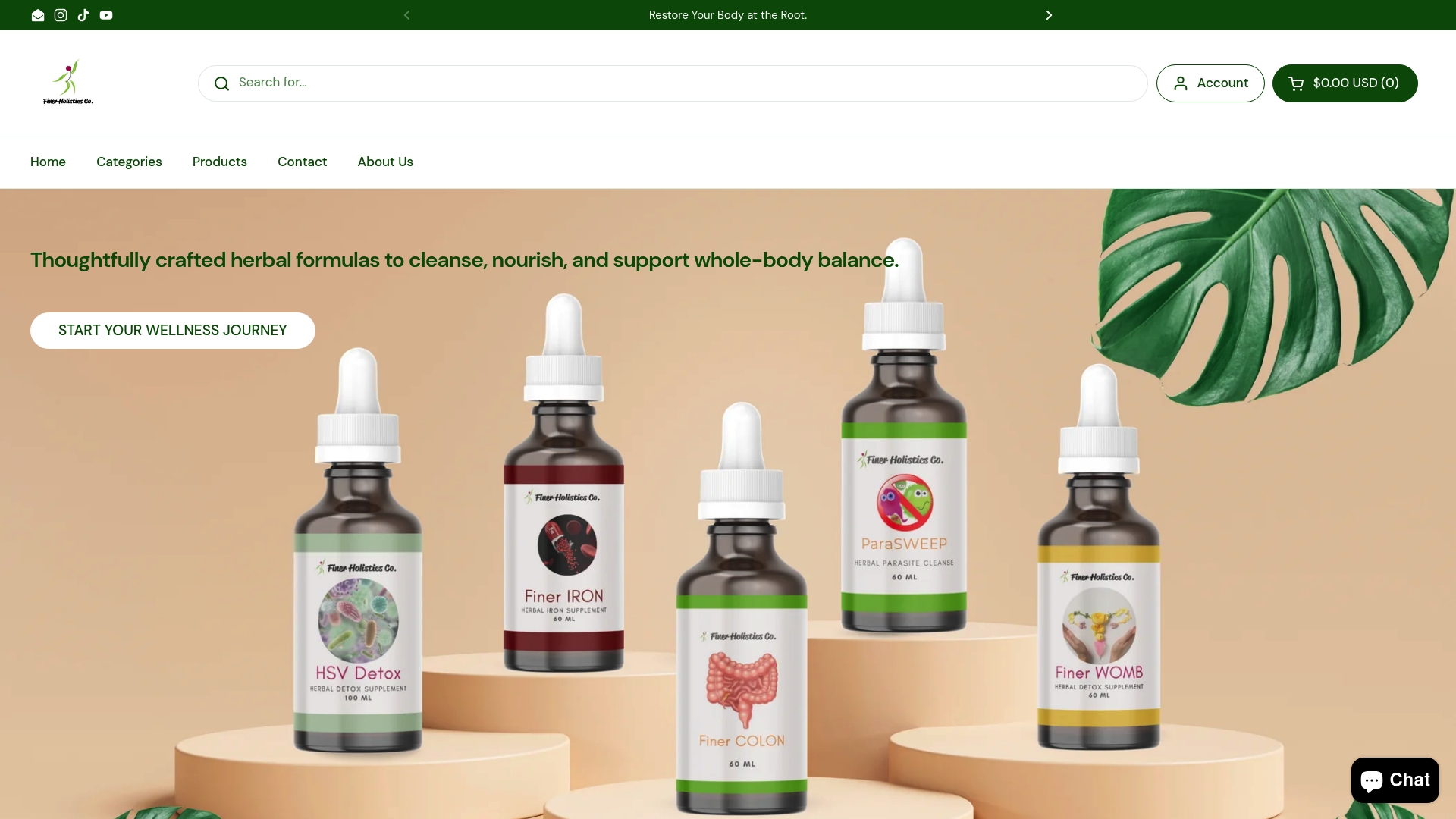
Finer Liver combines evidence-backed botanicals formulated specifically for liver and gallbladder detox support. This targeted blend works synergistically to enhance bile flow, support enzymatic pathways, and promote healthy digestion and hormonal balance.
Our complete detox collection extends beyond liver support to address whole-body cleansing needs. From digestive formulas to immune-supporting tinctures, each product reflects our commitment to quality herbal ingredients and traditional wellness wisdom.
Explore the full range of Finer Holistics herbal remedies to discover natural solutions aligned with your health goals. Every product is crafted by a holistic herbalist dedicated to reconnecting people with plants' healing power.
Frequently asked questions
What happens during liver detoxification?
Liver detoxification occurs through three coordinated enzymatic phases. Phase I cytochrome P450 enzymes oxidize toxins, creating reactive intermediates. Phase II conjugation enzymes attach molecules like glutathione to increase water solubility. Phase III transporters actively pump these conjugated compounds into bile or bloodstream for elimination through intestines or kidneys. This is a continuous biochemical process, not a physical flushing event.
Can herbs like milk thistle really support liver detox?
Yes, milk thistle's silymarin provides demonstrated antioxidant and anti-inflammatory benefits for liver cells. Scientific studies show silymarin protects hepatocyte membranes, reduces oxidative stress, and enhances activity of Phase II detoxification enzymes. Research supports its role in improving liver enzyme markers and supporting regeneration in various liver conditions.
Are commercial liver detox supplements safe and effective?
Many commercial detox kits lack proven clinical benefits and may pose health risks. Unregulated products can contain hepatotoxic ingredients, contaminants, or inappropriate dosages that stress rather than support liver function. Evidence strongly supports natural dietary strategies and research-backed herbs over unverified commercial cleanses for safe, effective liver support.
How can diet influence liver detoxification?
Diet profoundly impacts liver enzyme expression and detox capacity. Cruciferous vegetables activate Phase II conjugation enzymes through Nrf2 signaling pathways. Sulfur-rich foods like garlic stimulate glutathione synthesis essential for toxin conjugation. Balanced intake of B vitamins, amino acids, and antioxidants provides cofactors and building blocks for all three detox phases, optimizing overall liver function.
Recommended
- Finer Liver™ | Herbal Liver Detox for Digestion, Hormonal Balance & Clear Skin – Finer Holistics Co.
- Detox & Cleanses | Herbal Detox Remedies for Colon, Liver, Kidneys, Lymph, PCOS & Parasites – Finer Holistics Co.
- HSV Detox Tincture | Natural Herbal Support for Herpes – Finer Holistics Co.
- Candida Purge™ | Herbal Candida Cleanse, Yeast and Fungal Detox & Gut Health Support – Finer Holistics Co.