
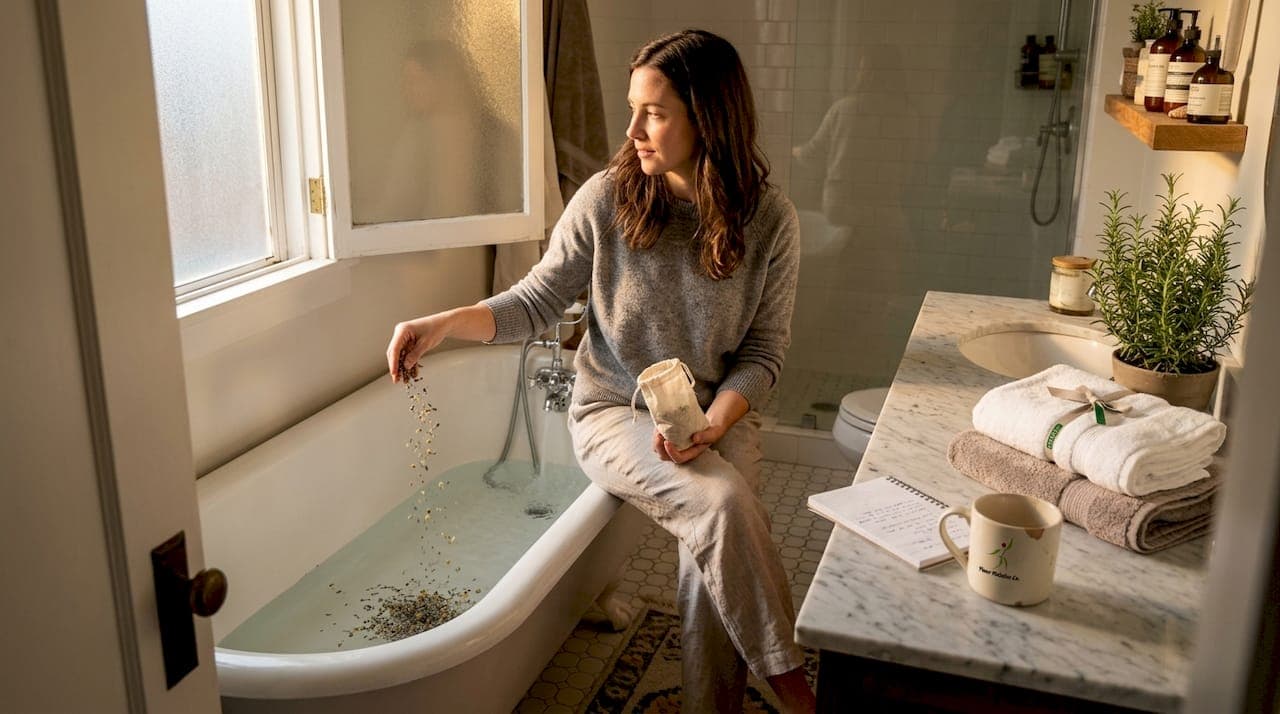
Many people believe herbal baths can flush toxins from deep within their bodies, acting as a powerful full-body detox. The reality is more nuanced. While herbal baths offer genuine therapeutic benefits, they work primarily through local circulation improvement, muscle relaxation, and aromatherapy effects rather than systemic detoxification. This guide cuts through the hype to reveal how herbal baths actually work, their evidence-based benefits for conditions like diabetic foot neuropathy, practical recipes you can try at home, and essential safety tips to maximize results without risking irritation or adverse effects.
Table of Contents
- Key Takeaways
- How herbal baths work: the science behind the soak
- Common herbal bath recipes and their targeted benefits
- Safety considerations and expert tips for herbal bath use
- Explore herbal remedies to complement your wellness routine
- Frequently asked questions
Key Takeaways
| Point | Details |
|---|---|
| Local circulation benefits | Herbal baths primarily enhance local circulation and relaxation through warmth and hydrostatic pressure, with aromatherapeutic effects from steam rather than systemic detox. |
| Evidence supports targeted uses | Clinical evidence best supports uses like diabetic foot care and wound healing rather than claims of whole body toxin removal. |
| Soak 20 to 30 minutes | Maintain water temperature 37 to 40 C and soak for 20 to 30 minutes to maximize comfort and minimize skin irritation. |
| Safety and limits | Avoid broken skin or certain health conditions, dilute essential oils to reduce irritation, and treat herbal baths as a complementary practice rather than a substitute for medical care. |
How herbal baths work: the science behind the soak
Understanding the actual mechanisms behind herbal baths helps set realistic expectations. The benefits come from three interconnected factors working together.
Water itself provides gentle hydrostatic pressure that supports circulation and encourages lymphatic fluid movement. This pressure effect happens regardless of what you add to the bath. Warm water between 37–40°C relaxes tense muscles and dilates blood vessels, enhancing blood flow to skin and underlying tissues.
The herbs you add contribute water-soluble compounds that make direct contact with your skin while releasing aromatic molecules into the steam. However, transdermal absorption of most herbal compounds remains limited without chemical enhancers or penetration agents. This means the primary benefits come from topical contact and inhalation rather than deep systemic absorption.
Herbal detoxification claims often exceed what short soaking sessions can realistically achieve. Your liver and kidneys handle systemic detoxification continuously through sophisticated biological processes. A 20-minute bath cannot replicate or significantly enhance these complex pathways.
"The notion that soaking in herbs can extract toxins from deep tissues lacks rigorous clinical support. Benefits center on local circulation enhancement, muscle relaxation, and aromatherapeutic effects rather than whole-body detoxification."
What herbal baths do effectively:
- Improve local blood circulation through warmth and hydrostatic pressure
- Deliver topical benefits from herb contact with skin surface
- Provide aromatherapy effects through inhaled volatile compounds
- Support muscle relaxation and stress reduction
- Enhance overall sense of wellbeing through sensory experience
Pro Tip: Maintain water temperature between 37–40°C throughout your soak and limit sessions to 20-30 minutes. Longer or hotter doesn't mean better and may actually cause skin irritation or dehydration.
The connection between herbal baths and other wellness practices becomes clearer when you understand these mechanisms. Just as herbal teas deliver benefits through ingestion and internal processing, baths work externally through skin contact and inhalation. Both complement each other in a holistic wellness routine.
For detailed preparation methods and safety guidelines, the herbal foot baths guide offers practical instructions grounded in traditional practices.
Common herbal bath recipes and their targeted benefits
Now that you understand the science, let's explore practical recipes you can prepare at home. Different herbs and additives target specific wellness goals.
Chamomile and lavender excel at promoting relaxation and easing tension. Their aromatic compounds trigger calming responses while skin contact soothes minor irritations. Ginger and rosemary take the opposite approach, stimulating circulation and creating a warming sensation that many find invigorating.
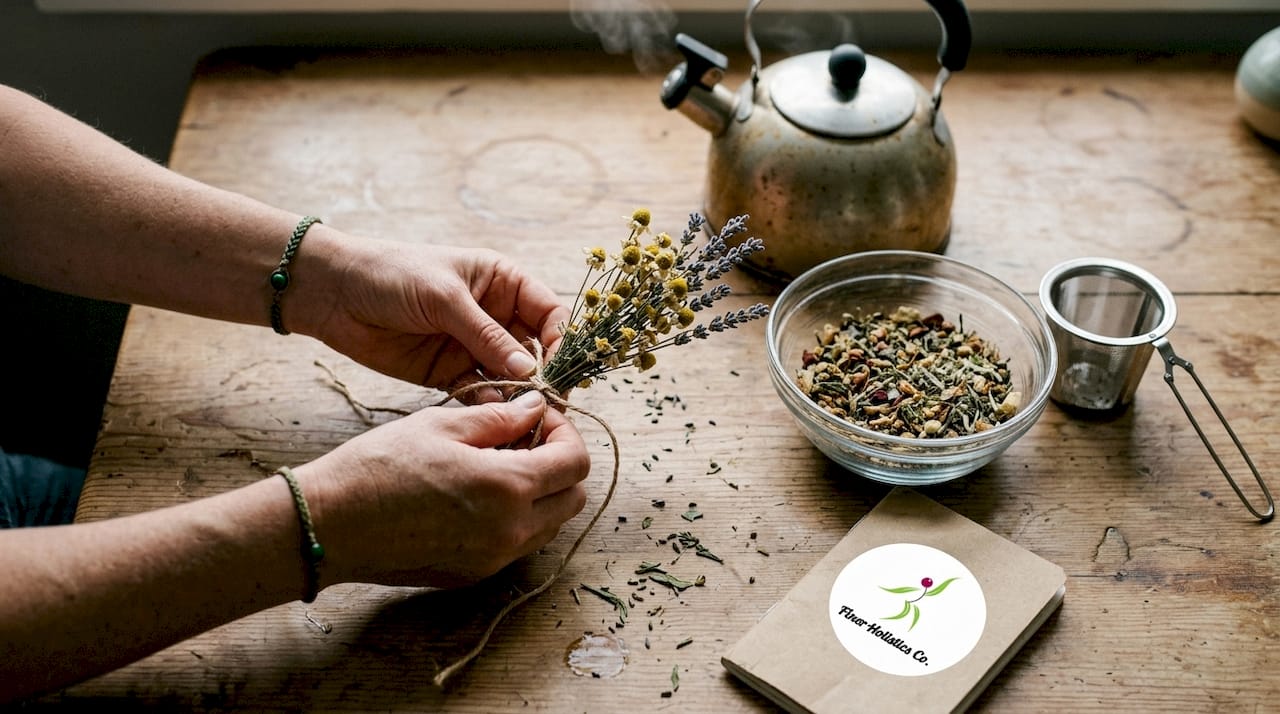
Epsom salts deserve special mention. These magnesium sulfate crystals dissolve easily and may help relax tight muscles. Many people report feeling less sore after soaking in Epsom salt baths, though individual responses vary.
| Recipe type | Key ingredients | Primary benefits | Soak duration |
|---|---|---|---|
| Relaxation bath | Chamomile flowers, lavender buds, Epsom salts | Stress relief, muscle relaxation, improved sleep quality | 20-25 minutes |
| Circulation bath | Ginger root, rosemary leaves, sea salt | Enhanced blood flow, warming effect, energizing sensation | 15-20 minutes |
| Therapeutic foot bath | Mixture of Chinese herbs, warm water | Improved vascular and nerve function in diabetic foot patients | 20-30 minutes |
| Soothing sitz bath | Calendula, witch hazel, warm water | Perineal comfort, minor wound healing support | 15-20 minutes |
How to prepare a basic herbal bath:
- Place 2-3 tablespoons of dried herbs in a muslin bag or tea infuser
- Steep the bag in 2-3 cups of boiling water for 10-15 minutes
- Fill your bathtub or foot basin with warm water at 37–40°C
- Add the steeped herbal water and 1-2 cups of Epsom or sea salt
- Test water temperature before entering to prevent burns
- Soak for 20-30 minutes, adding warm water as needed to maintain temperature
- Pat skin dry gently and apply moisturizer if desired
Pro Tip: Always use muslin bags or tea infusers to contain loose herbs. This prevents plant debris from clogging your drain and makes cleanup much easier. You can find reusable muslin bags at most health stores or online.
Clinical research on Chinese herbal foot baths reveals particularly promising results for diabetic foot neuropathy. Studies show these specialized herbal combinations improve symptoms, vascular function, and nerve health in affected patients. This represents one of the strongest evidence bases for therapeutic herbal bath applications.
Different bath types serve distinct purposes. Full body baths work well for overall relaxation and muscle soreness. Foot baths offer convenience and concentrate benefits on lower extremities where circulation issues often manifest. Sitz baths target the perineal area for postpartum recovery or hemorrhoid relief.
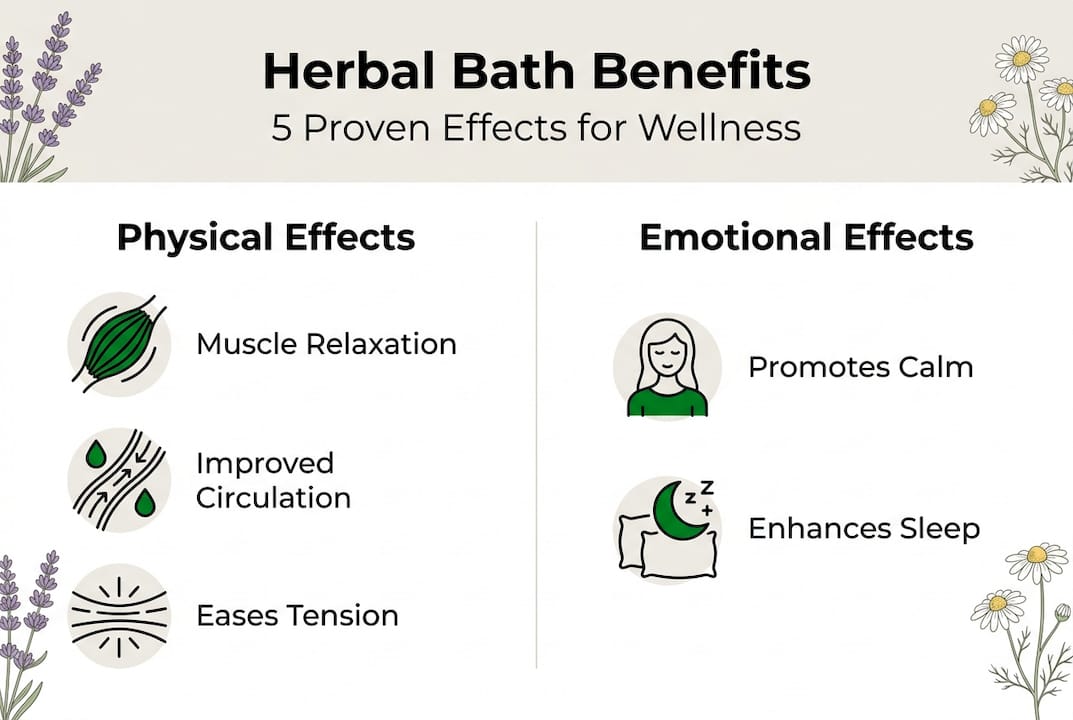
Integrating herbal baths into your broader herbal wellness routine creates synergistic effects. The relaxation from an evening bath may enhance sleep quality, while morning foot soaks can energize you for the day ahead.
Researchers continue exploring herbal bath formulations for various therapeutic applications. While more clinical trials are needed, traditional use patterns and preliminary studies suggest genuine benefits when used appropriately.
Safety considerations and expert tips for herbal bath use
Even natural remedies require thoughtful precautions. Knowing when to avoid herbal baths and how to use them safely prevents unnecessary complications.
Certain health conditions make herbal baths inadvisable. Broken or irritated skin should never be exposed to herbal preparations, as this increases infection risk and may cause stinging. People with diabetes face heightened risks from temperature sensitivity and reduced wound healing capacity. Severe varicose veins may worsen with heat exposure, so consult your doctor first.
Essential oils concentrate plant compounds into potent forms. Using them undiluted causes irritation, redness, and allergic reactions in many people. Always dilute essential oils in a carrier oil or dispersant before adding to bathwater. A general rule is 5-10 drops of essential oil per full bathtub.
Common irritants include concentrated lavender, mint, and rosemary when used in excessive amounts. What seems soothing in small quantities can trigger contact dermatitis at higher concentrations. Start conservatively and increase gradually only if you experience no adverse effects.
Essential safety guidelines:
- Perform a patch test on inner forearm skin 24 hours before first full bath use
- Keep water temperature below 40°C to prevent burns and excessive skin drying
- Limit soak time to 30 minutes maximum to avoid overexposure
- Never use herbal baths on open wounds, cuts, or infected skin
- Consult healthcare providers if you have circulatory disorders, diabetes, or pregnancy concerns
- Stay hydrated by drinking water before and after bathing
- Exit the bath slowly to prevent dizziness from blood pressure changes
- Clean tub thoroughly after each use to prevent bacterial growth
Pro Tip: If you have sensitive skin or known allergies, apply a small amount of your prepared herbal bath water to your inner wrist or elbow. Wait 24 hours and check for redness, itching, or irritation before proceeding with a full bath. This simple test can prevent uncomfortable reactions.
Excessively hot water feels relaxing initially but stresses your cardiovascular system and strips natural oils from skin. This leaves you feeling dried out and potentially dizzy afterward. Lukewarm to comfortably warm water provides benefits without these downsides.
Pregnant individuals should exercise extra caution with herbal baths. Some herbs may affect pregnancy, and elevated body temperature poses risks to fetal development. Always consult your obstetrician before using any herbal preparations during pregnancy.
Understanding holistic herbal safety principles helps you make informed decisions about which practices suit your individual health status. What works wonderfully for one person may cause problems for another based on underlying conditions, medications, and sensitivities.
Medication interactions deserve consideration too. Some herbs affect how your body processes pharmaceutical drugs. If you take prescription medications regularly, discuss herbal bath use with your pharmacist or doctor to identify potential concerns.
Explore herbal remedies to complement your wellness routine
Herbal baths represent just one dimension of plant-based wellness. Expanding your herbal toolkit creates more comprehensive support for your health goals.
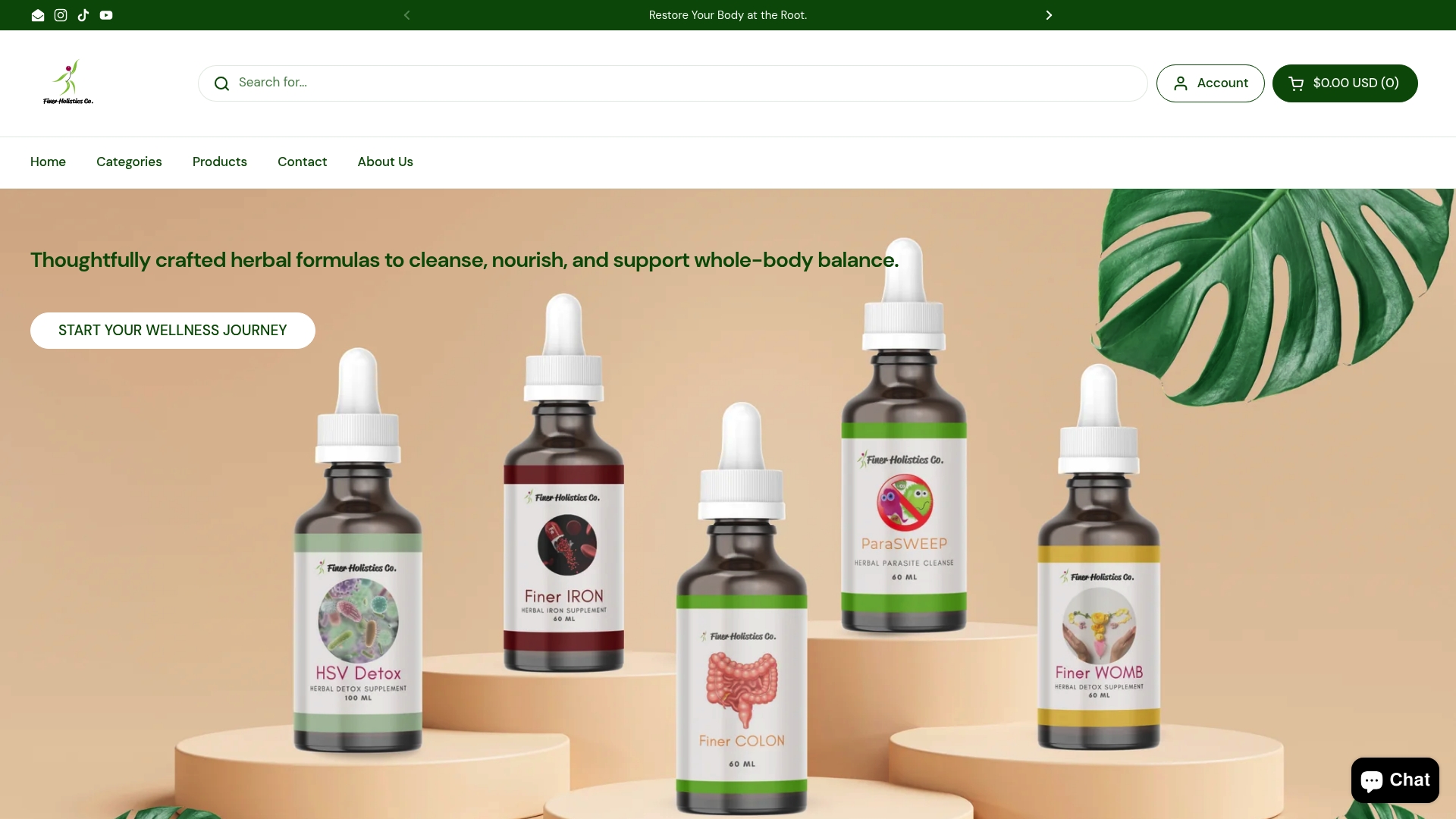
Our Finer Digest herbal tea works from the inside to support healthy digestion and gut comfort. Pairing internal herbal support with external practices like therapeutic baths addresses wellness from multiple angles. Many customers find this combination particularly effective for overall vitality.
The benefits of integrating multiple herbal approaches:
- Internal teas and tinctures support digestion, immune function, and hormonal balance
- External baths provide relaxation, circulation support, and topical benefits
- Combined use creates synergistic effects greater than either practice alone
- Natural ingredients work with your body's existing healing processes
Our herbal detox collection includes carefully formulated blends designed to support your body's natural cleansing processes. These complement bath rituals by addressing internal wellness while baths work externally.
Every product at Finer Holistics comes from our commitment to quality herbal traditions and modern wellness needs. We source ingredients thoughtfully and craft each blend to deliver genuine benefits you can feel. Explore our full range to discover which herbal remedies best support your unique wellness journey.
Frequently asked questions
What conditions benefit most from herbal baths?
Diabetic foot neuropathy shows the strongest clinical evidence for herbal bath benefits. Research demonstrates improved nerve function, circulation, and symptom relief in affected patients. Muscle soreness, stress-related tension, and minor skin irritations also respond well to appropriate herbal bath formulations. However, herbal baths work best as complementary support rather than primary treatment for medical conditions.
Can herbal baths detox the whole body?
No, herbal baths do not systemically detoxify the body despite popular claims. Your liver and kidneys handle detoxification continuously through complex biological processes that a bath cannot replicate. Herbal baths support local circulation and provide relaxation benefits, but they do not extract toxins from deep tissues or organs. Use them as part of a comprehensive natural wellness approach rather than expecting detox miracles.
How long should I soak in an herbal bath?
The optimal soak time ranges from 20-30 minutes at water temperatures between 37–40°C. Shorter soaks may not provide full benefits, while longer sessions can dry your skin and cause discomfort. If you feel dizzy, overheated, or uncomfortable at any point, exit the bath immediately. Listen to your body's signals rather than forcing yourself to stay in for a predetermined time.
Are herbal baths safe for sensitive skin?
Herbal baths can work for sensitive skin if you take proper precautions. Always perform a patch test 24 hours before full use, dilute essential oils thoroughly, and start with mild herbs like chamomile or oatmeal. Avoid known irritants such as concentrated mint or cinnamon. If you experience redness, itching, or burning, discontinue use immediately. Consider consulting a dermatologist about which herbs suit your specific skin type and any underlying conditions.
What herbs work best for relaxation versus circulation?
Chamomile, lavender, and lemon balm excel at promoting relaxation through their calming aromatic compounds and gentle skin-soothing properties. For circulation enhancement, choose warming herbs like ginger, rosemary, cayenne, or black pepper that stimulate blood flow. You can combine both types in a single bath, but start with smaller amounts to assess your tolerance. Building your knowledge of herbal wellness routines helps you select the right herbs for your specific goals.
What precautions should I take before using herbal baths?
Avoid herbal baths entirely on broken, cut, or irritated skin, as this increases infection risk and causes painful stinging. People with diabetes, severe varicose veins, or circulatory disorders should consult their healthcare provider before starting herbal bath practices. Always perform a patch test if you have sensitive skin or known allergies. Pregnant individuals need medical clearance before using any herbal preparations. Following these holistic safety guidelines prevents complications and ensures you gain benefits without unnecessary risks.