
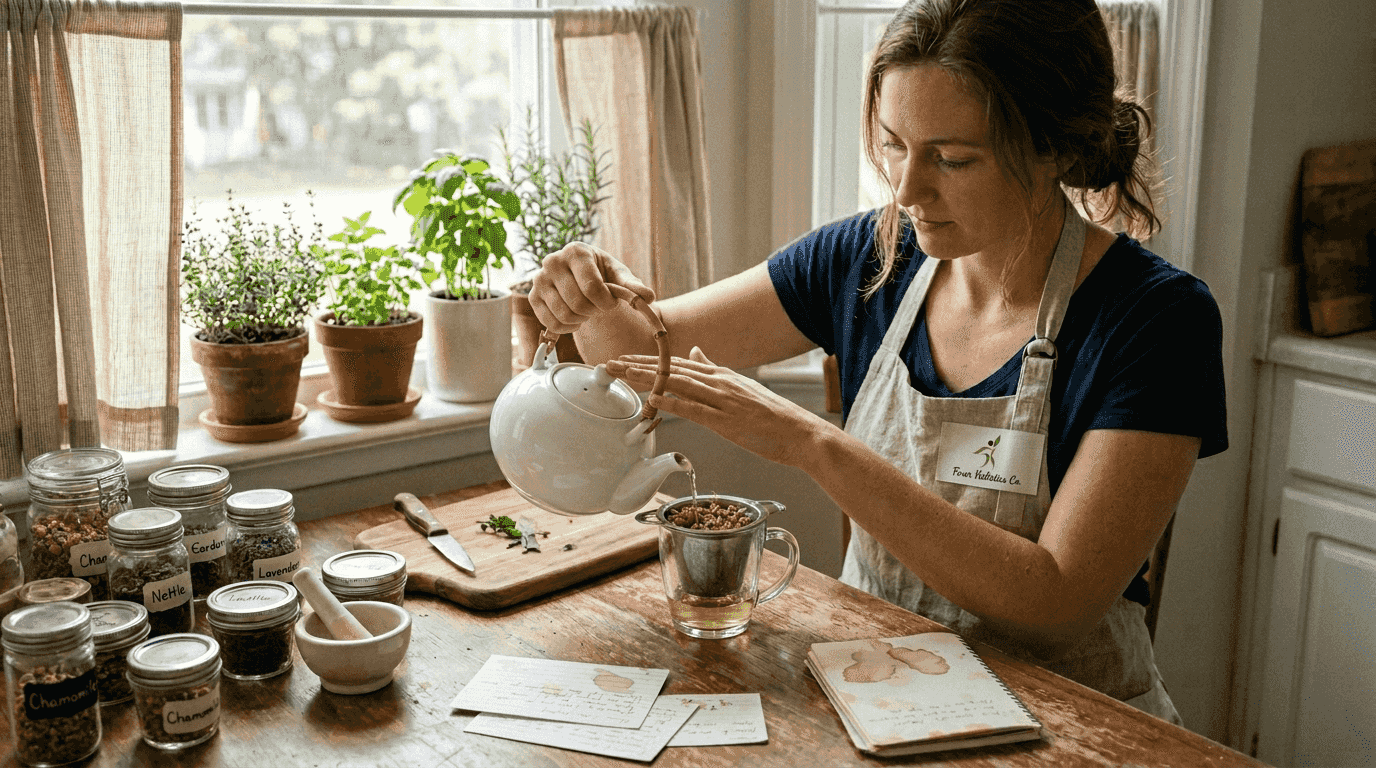
Starting with herbal remedies can feel overwhelming when you're unsure which plants are safe, how to prepare them correctly, or what dosages to use. Many beginners worry about making mistakes that could harm their health or waste money on ineffective products. This comprehensive guide simplifies the entire process by explaining essential preparation methods, recommending gentle herbs perfect for newcomers, outlining critical safety precautions, and providing practical techniques you can use at home. You'll gain the confidence to create and use herbal teas, tinctures, oils, and salves safely while supporting your wellness journey naturally.
Table of Contents
- Understanding herbal remedies and preparation methods
- Choosing beginner-friendly herbs for wellness and healing
- Safety precautions and common mistakes to avoid when starting
- Evidence and expert perspectives on herbal remedies for beginners
- Explore herbal remedies to support your wellness journey
Key takeaways
| Point | Details |
|---|---|
| Multiple preparation methods | Herbal remedies include teas, tinctures, oils, salves, and poultices suitable for home preparation. |
| Beginner-friendly herbs | Start with gentle options like chamomile, peppermint, ginger, lemon balm, and calendula for daily wellness support. |
| Safety first approach | Always begin with low doses, try one herb at a time, and check for potential medication interactions. |
| Varied preparation times | Tinctures require 4-6 weeks while teas steep 10-15 minutes depending on the method you choose. |
| Evidence-based caution | Some herbs show clinical benefits but require informed use with healthcare provider guidance. |
Understanding herbal remedies and preparation methods
Learning how to prepare different herbal remedy forms gives you practical skills to create natural wellness solutions at home. Herbal remedies for beginners include teas, tinctures, oils, salves, and poultices as primary preparation methods, each offering unique benefits and applications. Understanding these methods helps you choose the right approach for your wellness goals and lifestyle.
Teas represent the simplest entry point for beginners, divided into infusions for delicate leaves and flowers, and decoctions for tougher roots and bark. Tinctures take 4-6 weeks to prepare, teas steep 10-15 minutes, and salves require mixing oils with beeswax to achieve proper consistency. Herbal oils involve steeping plant material in carrier oils like olive or coconut oil for several weeks, creating bases for massage oils or salves. Salves combine infused oils with beeswax to form semi-solid balms perfect for topical application. Poultices use fresh or dried herbs mixed with hot water to create pastes applied directly to skin for localized relief.
| Preparation Method | Time Required | Key Ingredients | Typical Use |
|---|---|---|---|
| Infusion (tea) | 10-15 minutes | Dried herbs, hot water | Daily wellness drinks |
| Decoction | 20-30 minutes | Roots/bark, water | Stronger medicinal teas |
| Tincture | 4-6 weeks | Herbs, alcohol/glycerin | Concentrated extracts |
| Infused oil | 2-6 weeks | Herbs, carrier oil | Massage or salve base |
| Salve | 30 minutes | Infused oil, beeswax | Topical skin application |
Creating a simple herbal tea at home follows these straightforward steps:
- Measure one teaspoon of dried herbs per cup of water into a clean teapot or jar.
- Boil filtered water and pour it over the herbs, ensuring complete coverage.
- Cover the container to trap beneficial volatile oils that escape through steam.
- Steep for 10-15 minutes depending on desired strength and herb type.
- Strain the liquid through a fine mesh strainer or cheesecloth into your cup.
- Add natural sweeteners like honey if desired and enjoy while warm.
Pro Tip: Store homemade tinctures in dark glass bottles away from direct sunlight and heat to preserve potency for up to five years, while dried herb blends stay fresh for six months in airtight containers.
Choosing beginner-friendly herbs for wellness and healing
Selecting the right herbs makes your introduction to natural remedies safer and more effective. Beginner-friendly herbs include chamomile for sleep and digestion, peppermint for digestive comfort and nausea relief, ginger for circulation and cold symptoms, lemon balm for calming effects, and calendula for skin healing applications. These gentle plants have centuries of traditional use and minimal risk of adverse effects when used appropriately.
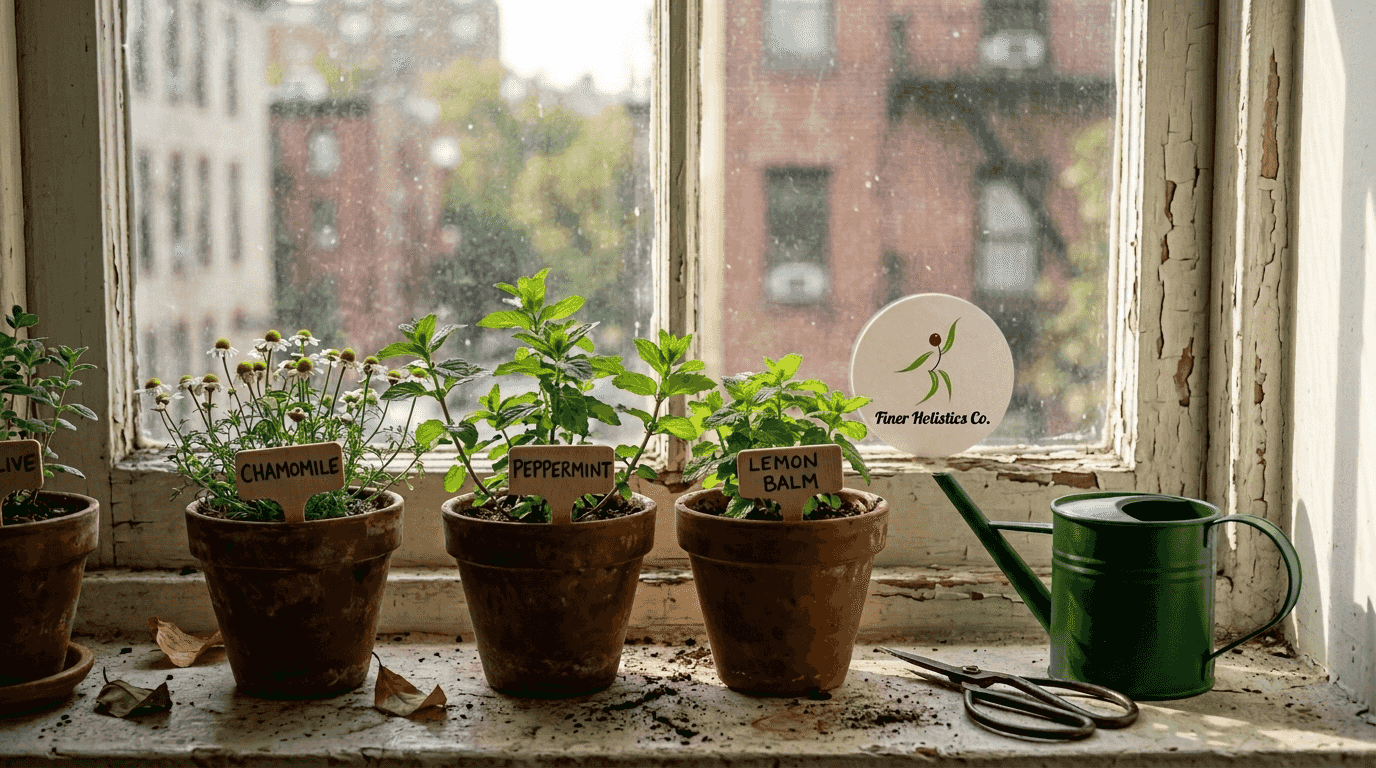
Chamomile offers mild sedative properties that help reduce anxiety and promote restful sleep while soothing digestive discomfort. Peppermint contains menthol that relaxes digestive tract muscles, making it excellent for relieving gas, bloating, and nausea naturally. Ginger provides warming properties that stimulate circulation, ease cold symptoms, and settle upset stomachs without harsh side effects. Lemon balm belongs to the mint family and delivers gentle calming effects perfect for reducing stress and supporting sleep quality. Calendula shines in topical applications, promoting wound healing and soothing irritated skin with its anti-inflammatory compounds.
You can incorporate these herbs into your herbal wellness routine through various simple methods:
- Brew chamomile or lemon balm tea before bedtime to support relaxation and better sleep quality.
- Add fresh ginger slices to hot water with lemon for a warming digestive tonic.
- Create peppermint tea after meals to ease digestion and prevent bloating discomfort.
- Infuse calendula flowers in oil for six weeks to make healing salves for minor cuts and skin irritation.
- Combine multiple gentle herbs in custom tea blends tailored to your specific wellness needs.
- Use dried herb sachets in bathwater for aromatherapy benefits and skin nourishment.
Pro Tip: Purchase organic dried herbs from reputable suppliers or grow your own small herb garden to ensure maximum freshness, potency, and freedom from pesticides that could diminish therapeutic benefits.
Safety precautions and common mistakes to avoid when starting
Understanding safety guidelines protects you from potential harm while building confidence in your herbal practice. Start with low doses, try one herb at a time, and avoid herbal remedies if pregnant, on medications, or facing surgery without professional guidance. These fundamental rules prevent adverse reactions and help you identify which herbs work best for your individual needs.
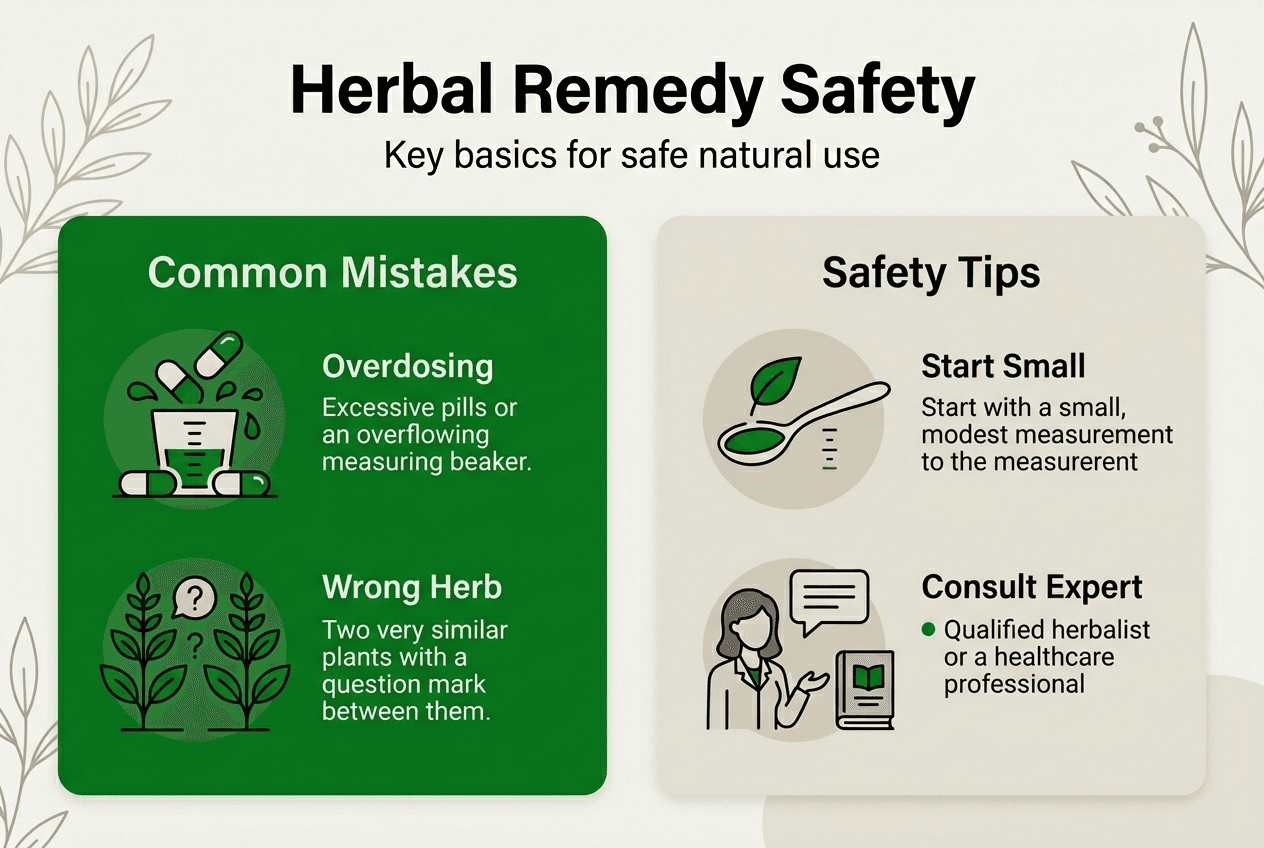
The assumption that natural always means safe creates risks, as interactions like St. John's wort with antidepressants can be harmful and potentially life-threatening. Always disclose your herbal remedy use to healthcare providers before procedures or when starting new medications. Some herbs affect blood clotting, blood pressure, or drug metabolism in ways that require professional monitoring. Pregnant and breastfeeding individuals should avoid most herbs due to limited safety data and potential effects on fetal development.
Beginners commonly make these mistakes that compromise safety and effectiveness:
- Taking excessive doses thinking more herbs produce faster results, which increases toxicity risks.
- Combining multiple new herbs simultaneously, making it impossible to identify problem ingredients.
- Ignoring quality standards by purchasing cheap herbs from unknown sources without purity testing.
- Failing to research contraindications before using herbs alongside prescription medications.
- Expecting immediate dramatic results instead of allowing herbs time to support gradual wellness changes.
- Substituting herbal remedies for necessary medical treatment of serious health conditions.
- Neglecting proper identification of wild herbs, leading to dangerous plant confusion.
Critical safety reminder: Herbal remedies can interact with medications, alter surgical outcomes, and cause allergic reactions. Always consult qualified healthcare providers before starting any herbal protocol, especially if you take prescription drugs or have chronic health conditions requiring medical management.
Following herbal tea safety advice helps you enjoy benefits while minimizing risks through informed, cautious use.
Evidence and expert perspectives on herbal remedies for beginners
Balancing enthusiasm with scientific evidence helps you make informed decisions about herbal wellness. Some specific herbs show clinical benefits, with ivy extract proving effective for bronchitis and Chinese herbs reducing fever and COVID symptoms in controlled studies, though results vary by condition and formulation. Research supports certain applications while highlighting gaps in our understanding of mechanisms, optimal dosing, and long-term safety profiles.
Official health organizations take measured positions on herbal medicine use. NHS and NCCIH highlight limited evidence, regulatory gaps, and risks potentially exceeding benefits for some popular herbs lacking rigorous testing. These authorities emphasize that traditional use doesn't guarantee safety or effectiveness by modern scientific standards. Quality control issues plague the herbal supplement industry, with products sometimes containing unlisted ingredients, contaminants, or incorrect plant species.
| Aspect | Practical Guide Perspective | Official Health Body Caution |
|---|---|---|
| Evidence base | Centuries of traditional use support gentle herbs for wellness | Limited clinical trials meet modern research standards |
| Safety profile | Low risk when used appropriately with precautions | Potential for serious interactions and adverse effects |
| Quality control | Reputable suppliers provide tested products | Industry lacks consistent regulation and standardization |
| Effectiveness | Many users report positive wellness outcomes | Placebo effects may explain some perceived benefits |
| Medical integration | Complements conventional care for minor issues | Should not replace proven medical treatments |
Key takeaways for informed herbal remedy use include:
- Recognize that some herbs have solid evidence while others rely primarily on traditional knowledge.
- Understand regulatory gaps mean herbal products vary widely in quality and potency.
- Appreciate that individual responses differ based on genetics, health status, and other factors.
- Value both traditional wisdom and modern science when evaluating herbal applications.
- Maintain realistic expectations about what herbs can and cannot accomplish for your health.
- Work with qualified herbalists or integrative healthcare providers for personalized guidance.
Guided use of herbal wellness approaches allows you to harness potential benefits while minimizing risks through education, quality sourcing, and professional collaboration.
Explore herbal remedies to support your wellness journey
Now that you understand herbal remedy basics, you can take practical steps toward natural wellness with quality products designed for beginners. Finer Holistics offers carefully crafted herbal formulations that complement the knowledge you've gained, making it easy to experience the benefits of traditional plant medicine. Our Finer Digest herbal tea blends gentle herbs to support healthy digestion naturally, while our Finer Lungs lung detox tincture provides respiratory support through concentrated herbal extracts.
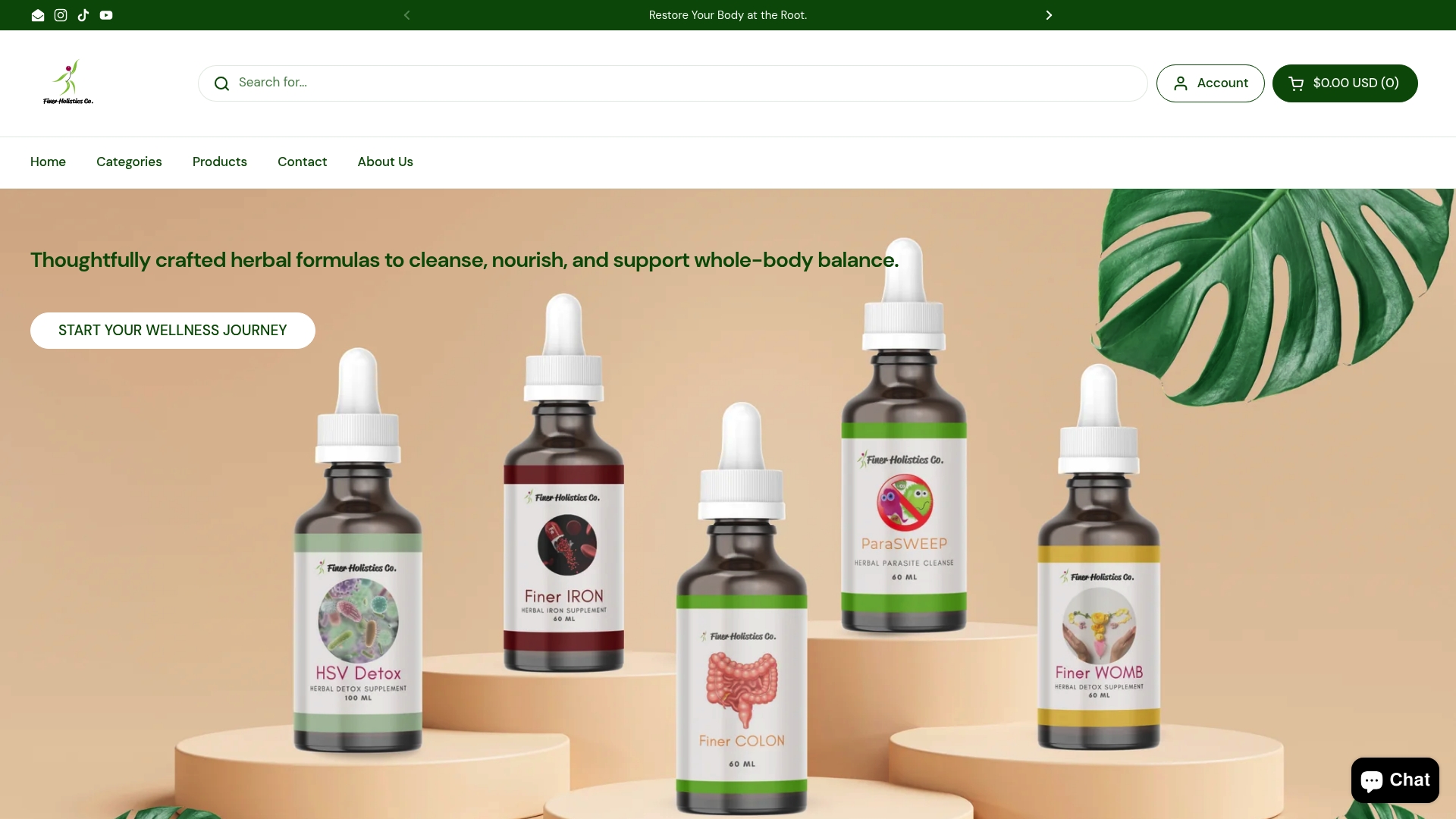
Explore our complete herbal detox remedies collection to discover high-quality products that align with your wellness goals and provide convenient ways to incorporate herbal healing into your daily routine safely and effectively.
FAQ
What are the safest herbs to start with for beginners?
Chamomile, peppermint, ginger, lemon balm, and calendula represent the safest choices for herbal remedy beginners due to their gentle effects and extensive traditional use. These herbs offer multiple applications in teas, topical preparations, and wellness routines without significant risk when used appropriately. Start with single herbs before creating blends to understand how your body responds.
How do I know the right dosage for herbal remedies?
Begin with the lowest recommended dose listed on quality product packaging or herbal references, typically one cup of tea or a few drops of tincture. Gradually increase amounts only if needed and well-tolerated over several days. Consult herbal tea safety guidelines and healthcare providers for personalized dosing advice based on your health status and goals.
Are there risks of herb and medication interactions?
Yes, certain herbs like St. John's wort can significantly reduce medication effectiveness or cause dangerous interactions with antidepressants, blood thinners, and birth control pills. Always inform your healthcare provider about all herbal remedies you use before starting new medications or undergoing medical procedures. Review herbal wellness healthcare considerations to understand potential interaction risks.
How long do homemade herbal remedies last?
Properly stored tinctures maintain potency for two to five years in dark glass bottles away from heat and light. Fresh herbal teas should be consumed within 24 hours when refrigerated, while dried herb blends stay fresh for six months in airtight containers. Salves and infused oils typically last three to six months when stored in cool, dark locations.
Can I use herbal remedies while pregnant or breastfeeding?
Most herbalists and healthcare providers recommend avoiding herbal remedies during pregnancy and breastfeeding due to limited safety data and potential effects on fetal development or infant health. Some gentle herbs may be safe in small amounts, but always consult qualified healthcare providers before using any herbal products during these sensitive periods. The risk of unknown effects outweighs potential benefits for most applications.
How do I know if an herbal remedy is working?
Herbal remedies typically produce subtle, gradual effects over days or weeks rather than immediate dramatic changes like pharmaceutical drugs. Keep a wellness journal tracking symptoms, energy levels, sleep quality, and other relevant factors to identify patterns over time. If you notice no improvement after consistent use for the recommended duration, consult an herbalist or healthcare provider to adjust your approach or explore alternative options.