
TL;DR:
- Natural wellness benefits come from consistent lifestyle habits supporting gut and liver health.
- Evidence-backed herbs like peppermint, chamomile, and fennel effectively ease digestion and bloating.
- Supporting the body's detox processes with food, hydration, and movement is more effective than elaborate cleanses.
Natural wellness has never been more popular, and that popularity brings both opportunity and noise. The supplement aisle is crowded with miracle claims, social media pushes week-long cleanses, and it gets genuinely hard to separate what works from what just sounds convincing. At Finer Holistics, we've spent years studying traditional herbalism alongside current research, and the truth is refreshingly simple: your body is remarkably capable when you give it the right support. These seven evidence-backed strategies focus on gut health, detoxification, and everyday habits that actually move the needle, without the drama or the price tag of extreme protocols.
Table of Contents
- How to evaluate natural wellness support
- Top herbs and foods for gut and digestive wellness
- Natural strategies for detoxification and liver support
- Lifestyle habits that amplify natural wellness
- How to choose what works for you: Comparing and personalizing natural wellness options
- A fresh perspective: Why natural wellness is both simpler and more powerful than you think
- Explore Finer Holistics for herbal support
- Frequently asked questions
Key Takeaways
| Point | Details |
|---|---|
| Evidence matters | Choose herbs and wellness practices that are backed by strong research, not miracle claims. |
| Digestive support | Peppermint, chamomile, and fennel are proven for easing digestive discomfort naturally. |
| Liver and detox benefits | Milk thistle, turmeric, dandelion, and dietary fiber help your body’s built-in detox pathways work more efficiently. |
| Lifestyle boosts | Daily habits like hydration, healthy eating, and movement amplify the effects of natural wellness strategies. |
| Personalize your plan | Combine herbs, foods, and routines to create a program tailored to your needs and goals. |
How to evaluate natural wellness support
Before choosing any natural approach, it helps to know what "evidence-backed" actually means in practice. Not every herb or protocol has the same level of research behind it, and that difference matters.
Here's what genuinely strong natural wellness solutions share:
- Traditional use combined with modern research. Herbs used for centuries and then validated by clinical studies carry more weight than either alone.
- Transparent ingredient sourcing. You should know where your herbs come from and how they're processed.
- Realistic timelines. Real wellness takes weeks and months, not three days.
- Safety profiles. Especially if you take medications or have existing conditions.
One foundational truth worth understanding early: the body self-detoxifies via liver and kidneys, and supporting those organs with diet, fiber, hydration, and exercise outperforms any commercial cleanse. You don't need to "flush" toxins with expensive kits. What you do need is consistent, daily support.
Red flags to watch for include products promising dramatic results in days, ingredients without sourcing transparency, and anything that requires you to stop eating real food. Learning about natural detoxification methods and how the body actually processes waste helps you cut through the noise quickly.
The gold standard for evaluation includes clinical trials, expert herbalist guidance, and everyday feasibility. A strategy you can actually maintain is worth ten protocols you'll abandon by Thursday.
Pro Tip: Always check whether an herb has both traditional use records and at least some human study data. If it has only one or the other, treat it as promising but still developing.
Top herbs and foods for gut and digestive wellness
Your digestive system is involved in nearly every aspect of your health, from energy levels to immune function. Starting here is one of the highest-leverage moves you can make.
Peppermint is one of the most studied herbs for gut support. The menthol in peppermint relaxes the smooth muscles of your intestinal walls, which directly eases bloating, cramping, and gas. Peppermint, chamomile, and fennel have shown measurable reductions in gas, bloating, and IBS pain in both human and animal studies.
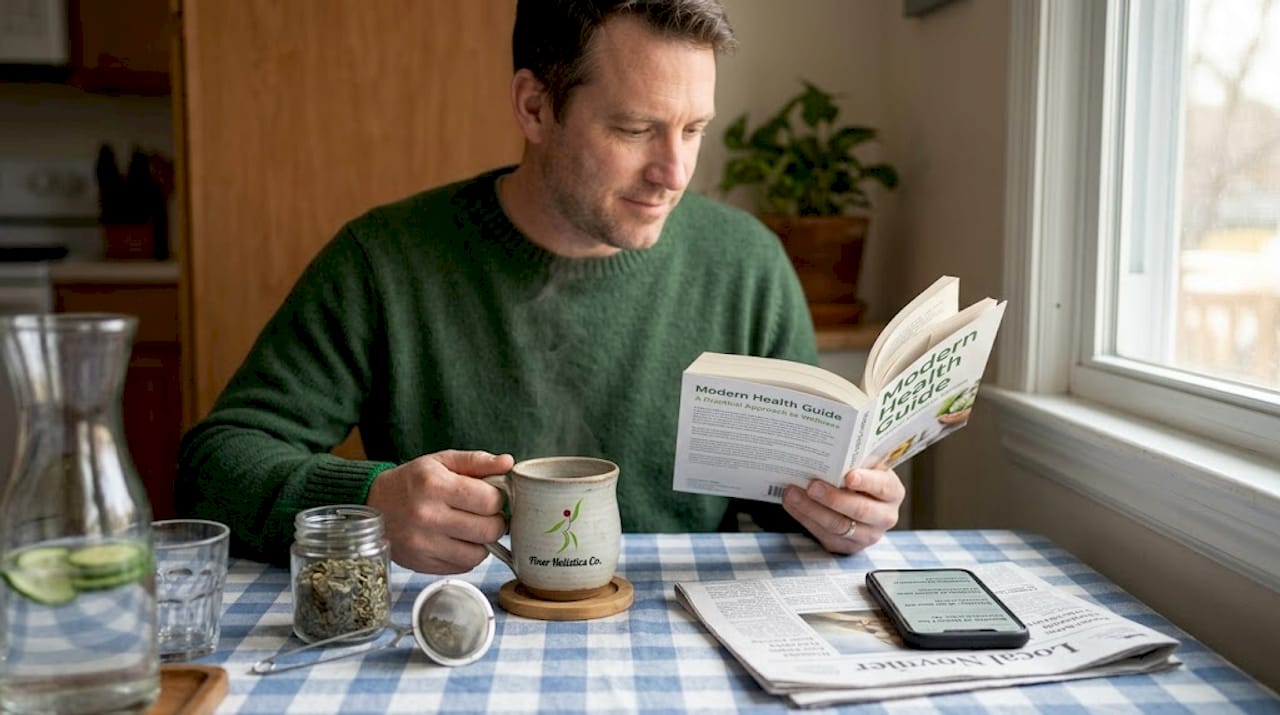
Chamomile is gentle but effective. It calms gut inflammation, reduces spasms, and has even been used to soothe infant colic, which tells you something about its safety profile. Fennel seed brings a different tool: it's high in fiber and contains anethole, a compound that relaxes intestinal muscles and reduces gas production.
Herbal approaches for digestion don't just address symptoms. They work with the body's natural rhythms. Research on herbal CAM for IBS found a significant benefit, with a standardized mean difference of -0.25 for symptom relief and a response rate ratio of 1.54 compared to placebo. That's a real, measurable effect.
| Herb | Main action | Evidence level |
|---|---|---|
| Peppermint | Relaxes gut muscles, reduces IBS pain | Strong (multiple RCTs) |
| Chamomile | Anti-inflammatory, antispasmodic | Moderate (human + animal) |
| Fennel seed | Reduces gas, supports motility | Moderate (human studies) |
Pro Tip: Brewing a blend of chamomile and fennel after fiber-rich meals gives you digestive support exactly when your gut needs it most.
Natural strategies for detoxification and liver support
Your liver performs over 500 functions daily, including filtering blood, processing nutrients, and breaking down waste. Supporting it doesn't require a juice cleanse. It requires consistency.
Three herbs stand out for liver support with solid evidence behind them:
- Milk thistle (silymarin): Supports liver cell regeneration and activates detoxification enzymes. Milk thistle, turmeric, and dandelion have each shown meaningful effects on liver cell health and bile flow in reviewed protocols.
- Turmeric (curcumin): Reduces liver inflammation and supports enzymatic detox pathways. Pair it with black pepper to dramatically increase absorption.
- Dandelion: Stimulates bile production and acts as a mild diuretic, supporting kidney filtration.
For everyday detox support, food choices matter just as much as supplements. Plant-derived dietary fiber physically binds to toxins and helps move them out of the body, while proper hydration and regular exercise reduce kidney stone risk and support organ circulation.
Practical food and drink swaps to start this week:
- Leafy greens (spinach, arugula, dandelion greens) instead of processed snacks
- Warm lemon water in the morning to gently stimulate liver bile flow
- Beets and cruciferous vegetables to support glutathione production
- Filtered water throughout the day, aiming for at least eight cups
Explore our natural liver detox guide for a deeper breakdown, or review safe natural detox steps you can apply right now without overhauling your entire life.
Lifestyle habits that amplify natural wellness
Herbs and food choices work best when the rest of your daily life supports them. Think of lifestyle habits as the foundation that makes everything else more effective.
Here are four pillars that consistently make the biggest difference:
- Hydration. Water is your kidneys' primary tool for flushing waste. Eight to ten cups daily keeps the filtration process running smoothly and prevents the sluggishness that comes with mild dehydration.
- Fiber and fermented foods. Fiber feeds beneficial gut bacteria and physically binds to toxins for elimination. Fermented foods like sauerkraut, kefir, and kimchi diversify your microbiome, which directly supports both immunity and digestion.
- Physical movement. Exercise increases blood flow to your liver, kidneys, and lymphatic system. Even a 30-minute walk improves the circulation your detox organs depend on.
- Rest and stress management. Chronic stress disrupts digestion, suppresses immune function, and raises cortisol, which directly impairs liver function over time. Sleep is when your body runs its deepest repair cycles.
'Your body's natural detox machinery outperforms any cleanse, with the right support.'
The research backs this up. Plant-based diets can lower oxidative stress by 9% and improve both microbiome diversity and kidney function. That's not a supplement achieving that. That's food and lifestyle doing the work. Pair these habits with quality nutritional support for detox and the results compound over time.
How to choose what works for you: Comparing and personalizing natural wellness options
Every person's gut, liver, and lifestyle are different. What works brilliantly for one person may need adjusting for another. Here's how to build something that fits your actual life.
| Approach | Effect | Ease of use | Evidence |
|---|---|---|---|
| Digestive herbs (peppermint, chamomile) | Symptom relief, comfort | High | Strong |
| Liver herbs (milk thistle, turmeric) | Organ support, inflammation | Medium | Moderate to strong |
| Whole foods and fiber | Toxin binding, microbiome | High | Very strong |
| Hydration and exercise | Organ function, circulation | High | Very strong |
| Fermented foods | Gut diversity, immunity | Medium | Strong |
Steps to build your personalized natural wellness routine:
- Identify your main concern. Digestion, energy, detox support, or hormone balance each point toward different primary herbs and foods.
- Start with one or two changes. Overloading your system with ten new herbs at once makes it impossible to know what's actually helping.
- Give it real time. Evidence for herbal remedies in digestive health is genuinely promising, and most studies measure outcomes at four to twelve weeks, not four days.
- Consult a professional. If you have a diagnosed condition or take medications, loop in your healthcare provider before adding new herbs.
- Adjust based on how you feel. Track energy, digestion, and sleep. Adjust quantities and combinations based on what your body tells you.
For people with sensitivities, start with chamomile and fennel before moving to stronger herbs. Busy lifestyles benefit most from pre-batched herbal teas and simple food swaps that don't require cooking from scratch every night.
A fresh perspective: Why natural wellness is both simpler and more powerful than you think
Here's the uncomfortable truth most wellness content won't say out loud: the majority of trending cleanses and detox protocols are elaborate distractions. They feel productive because they're intense and expensive. But intensity is not the same as effectiveness.
What actually moves the needle is almost boring in its simplicity. Consistent fiber intake. Adequate hydration. A few well-chosen herbs taken regularly. Real sleep. Movement that you don't dread. None of that makes for a dramatic social media post, but it's what decades of herbal tradition and current research consistently point toward.
We see this pattern constantly. People come to us after spending hundreds on elaborate cleanse kits, and they feel better only after returning to basics. The true power of natural nourishment is that it compounds quietly. A month of chamomile tea after meals and leafy greens at lunch does more for your liver and gut than any three-day reset.
Patience is the hardest part. But it's also where the real results live. Shift your focus from dramatic transformation to daily integration, and natural wellness stops being something you do occasionally and becomes something that simply describes how you live.
Explore Finer Holistics for herbal support
If this article has sparked a genuine desire to put these strategies into practice, Finer Holistics is built exactly for that next step. Every blend we create is rooted in the same evidence-based herbal tradition covered throughout this article.
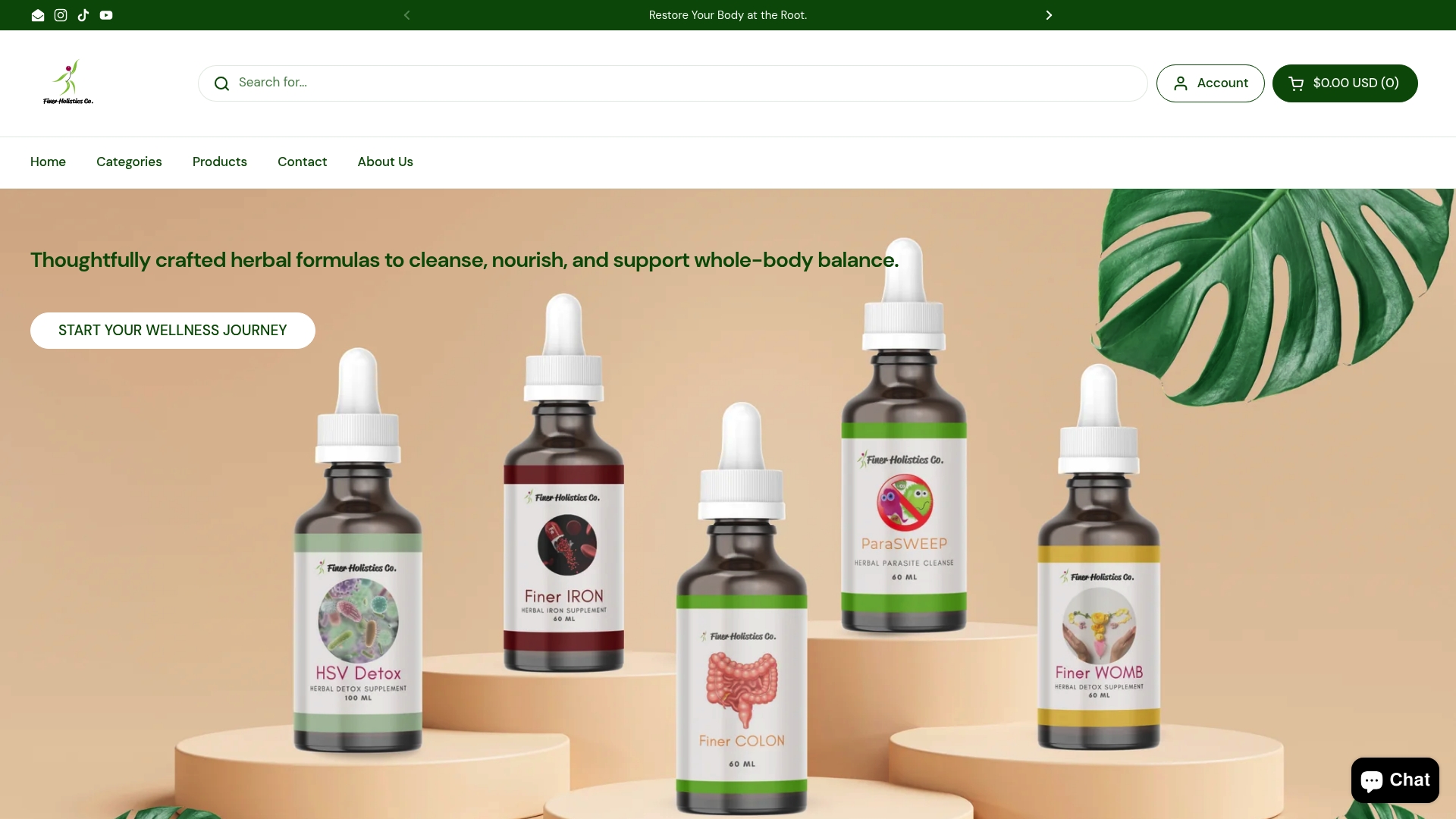
Our shop herbal detox remedies collection brings together handcrafted formulas using milk thistle, dandelion, peppermint, and more. The Detox Starter Pack is a great entry point if you want a structured way to begin supporting your liver and gut. We also carry a dedicated women's wellness herbs collection for hormone and digestive balance. Thoughtfully sourced, transparently made, and grounded in real herbal science.
Frequently asked questions
How quickly can you see benefits from natural wellness herbs?
Some people notice digestion improvements within days, but lasting herbal benefits typically develop over several weeks of consistent use. Think in terms of months, not days, for meaningful systemic change.
Do 'detox' cleanses work better than everyday food choices?
No. Your body detoxifies best through a healthy diet, fiber, hydration, and exercise. Commercial cleanses don't outperform these fundamentals and often fall short of them.
Are natural wellness approaches safe for everyone?
Most whole-food and herbal approaches are safe, but herbal safety profiles vary by herb and individual. Anyone with a medical condition or on prescription medication should consult their healthcare provider before adding new herbs.
Which natural remedies are best for digestive issues like IBS?
Peppermint, chamomile, and fennel carry the strongest evidence for easing IBS symptoms, bloating, and gas, making them the most practical starting point for most people.
Recommended
- How to detox naturally: safe steps for wellness in 2026
- How to detox naturally: safe steps for wellness in 2026 – Finer Holistics Co.
- Natural detox checklist: 7 holistic herbal strategies – Finer Holistics Co.
- Natural detox checklist: 7 holistic herbal strategies
- 7 Essential Daily Wellness Tips for a Healthier Lifestyle