
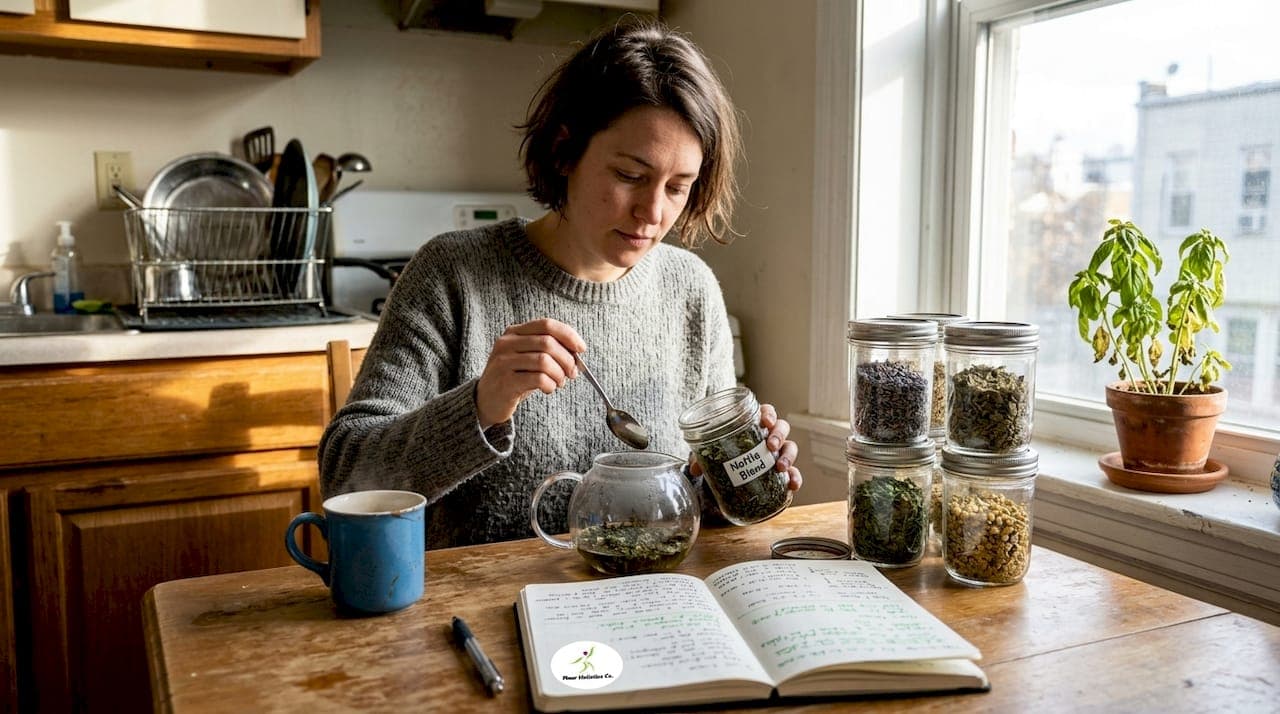
TL;DR:
- The body's organs like the liver and kidneys naturally detoxify without herbal cleanses.
- Herbs support, but do not replace, natural detoxification processes, and safety precautions are essential.
- Clear habits like hydration and healthy eating are more effective for wellness than frequent cleansing.
If you've ever searched for a herbal cleanse and walked away more confused than when you started, you're not alone. The internet is packed with bold promises and scary warnings, and sorting fact from fiction feels nearly impossible. Here at Finer Holistics, we work with herbs every day, and we know how overwhelming this space can be. This guide cuts through the noise. You'll get a clear, step-by-step approach to herbal cleansing built on what the evidence actually supports, what real risks to watch for, and how to set expectations that won't leave you disappointed or, worse, unwell.
Table of Contents
- How herbal cleanses work (and what science says))
- Preparation: What you need before starting an herbal cleanse
- Step by step herbal cleanse protocol for safe detox
- Troubleshooting and expected results of a herbal cleanse
- A holistic perspective on lasting detox and wellness
- Explore trusted herbal cleanse solutions
- Frequently asked questions
Key Takeaways
| Point | Details |
|---|---|
| Natural detox process | Your liver and kidneys already detoxify efficiently without extreme cleanses. |
| Real risks exist | Herbal cleanses can cause GI upset, dehydration, and interact with medications if not managed safely. |
| Science is mixed | Few herbs like milk thistle show limited support for liver health but not for general body detox. |
| Preparation is key | Gather essentials, check with your doctor, and focus on hydration and proper nutrition before starting. |
| Lifestyle beats quick fixes | Sustainable habits outperform short-term herbal cleanses for lasting health. |
How herbal cleanses work (and what science says)
Herbal cleanses promise a lot: flushed toxins, renewed energy, clearer skin, and a fresh start for your organs. These claims tap into a real desire to feel better, and that desire is completely valid. But before you brew your first detox tea, it helps to understand what your body is already doing on its own.
Your liver, kidneys, lungs, and gut work around the clock to filter waste, neutralize harmful compounds, and push them out of your body. The liver and kidneys naturally detoxify without needing special herbal cleanses to do their job. That's not a reason to skip herbs entirely. It is a reason to be realistic about what they can and cannot do.
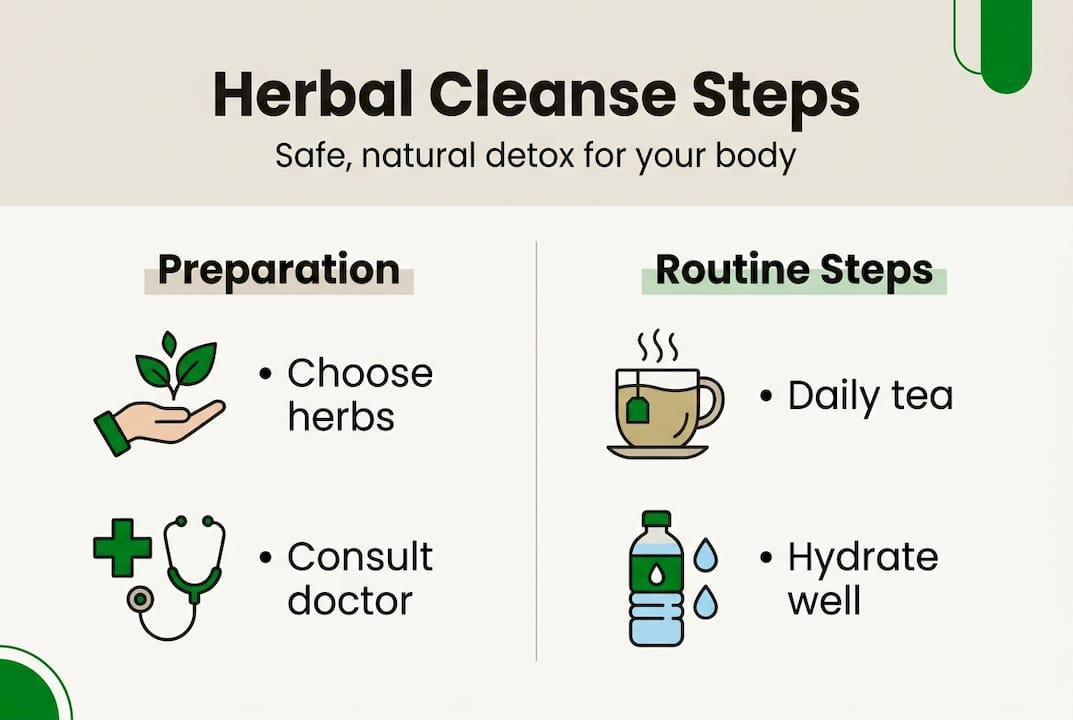
So where do herbs fit in? Many commonly used plants, like milk thistle, dandelion root, burdock, and ginger, have properties that may gently support the organs already doing the heavy lifting. Milk thistle contains silymarin, a compound studied for its potential to protect liver cells. Dandelion root has been used traditionally to support bile flow and kidney function. These are supportive roles, not replacements for medical treatment.
The broader picture of detox diet evidence shows mixed results. Some studies suggest modest benefits from plant-based protocols, especially for antioxidant levels and gut health. Others find no measurable difference in toxin removal compared to a normal healthy diet. The honest answer is that the science is still catching up to the popularity.
Risks are real and worth taking seriously. Risks include dehydration, nutrient deficiencies, GI issues, and medication interactions when cleanses are aggressive or unregulated. Some herbal products sold as detox blends contain undisclosed ingredients or dangerously high doses. Understanding how natural detox works inside your body is the foundation for using herbs safely.
| Claim | What science supports |
|---|---|
| Herbs flush toxins | Not proven; liver/kidneys do this |
| Milk thistle supports liver | Possible in specific conditions |
| Cleanses cause weight loss | Mostly water weight, temporary |
| Plant-based protocols aid gut health | Some evidence supports this |
| Herbal teas improve digestion | Traditional use, some support |
"Most detox diets don't live up to their promises, and some can be downright dangerous. Your body has its own built-in detoxification system." — Johns Hopkins Medicine
Preparation: What you need before starting an herbal cleanse
Now that you understand the why, it's crucial to gather the right tools and screen for safety before beginning. Jumping into a cleanse without preparation is one of the most common mistakes people make, and it's easily avoided.

First, consult a doctor before any cleanse, especially if you take medications, have kidney or liver conditions, or are pregnant. This is not optional. Certain herbs interact with blood thinners, diabetes medications, and hormone therapies in ways that can cause real harm.
Once you're cleared, gather your materials. Here's what a basic herbal cleanse setup looks like:
| Item | Purpose |
|---|---|
| Quality herbal teas or tinctures | Core cleanse support |
| Large water bottle (at least 32 oz) | Staying hydrated throughout |
| Food journal or notes app | Track symptoms and reactions |
| Whole food ingredients | Support the cleanse with clean eating |
| Bathroom access (especially at work) | Herbs can increase elimination |
For herbs specifically, the most studied and widely used options include:
- Milk thistle: Liver support, well-researched
- Dandelion root: Supports kidney function and bile flow
- Burdock root: Traditional blood-cleansing herb
- Ginger: Supports digestion and reduces inflammation
- Nettle leaf: Gentle diuretic, rich in minerals
When sourcing herbs, quality matters more than price. Look for products with full ingredient transparency, third-party testing, and no proprietary blends that hide what's actually inside. Our herbal supplements checklist walks you through exactly what to look for, and our holistic herbal checklist gives you a practical starting framework.
Before day one, reduce processed foods, alcohol, and caffeine for at least three days. This pre-cleanse diet shift makes the transition smoother and reduces the intensity of early side effects.
Pro Tip: Skip any product that lists a "proprietary blend" without naming individual herb amounts. You deserve to know exactly what you're putting in your body, and reputable brands will always tell you.
Step by step herbal cleanse protocol for safe detox
Once you're set up and cleared for an herbal cleanse, here's how to proceed safely, step by step. This protocol is built around a gentle, phased approach that respects your body's pace.
Phase 1: Pre-cleanse (Days 1 to 3)
- Shift your diet toward whole foods: vegetables, fruits, legumes, and whole grains.
- Cut out alcohol, processed sugar, and fried foods completely.
- Begin drinking at least 8 to 10 glasses of water daily.
- Start a simple food and symptom journal to track your baseline.
Phase 2: Herb introduction (Days 4 to 7)
- Introduce your chosen herbal tea or tincture at the lowest recommended dose.
- Take herbs with meals to reduce the chance of nausea or stomach upset.
- Continue your whole food diet and water intake.
- Note any changes in energy, digestion, or bowel habits in your journal.
Phase 3: Maintenance (Days 8 to 18)
- Maintain consistent herb use at the standard recommended dose, not higher.
- Add gentle movement like walking or yoga to support circulation and lymph flow.
- Prioritize sleep. Your body repairs and processes waste most efficiently at night.
- Avoid introducing new supplements during this phase to isolate any reactions.
Limited data shows milk thistle may support liver enzyme levels in certain conditions, but it is not proven for general cleanses. Still, a 21-day plant-based program with herbal supplements improved antioxidant balance and microbiome outcomes in research participants, which is encouraging for structured protocols.
Phase 4: Gentle exit (Days 19 to 21)
- Taper herb doses down gradually rather than stopping all at once.
- Slowly reintroduce any foods you removed, one at a time.
- Reflect on your journal. What changed? What felt better or worse?
For a broader framework, our holistic detox strategies resource pairs well with this protocol.
Pro Tip: If you experience nausea, severe cramping, dizziness, or intense fatigue at any point, stop the cleanse immediately and contact your doctor. Your body's signals are always more important than finishing a program.
Troubleshooting and expected results of a herbal cleanse
With your cleanse underway, here's how to stay on track, address hiccups, and know what's really happening in your body. Not every reaction means something is wrong, but knowing the difference is critical.
Common side effects that are generally normal:
- Mild bloating or gas in the first few days
- Increased bowel movements
- Slight fatigue during the first week
- Mild headaches if you cut caffeine before starting
Warning signs that mean stop now:
- Severe abdominal pain or cramping
- Yellowing of skin or eyes (possible liver stress)
- Heart palpitations or dizziness
- Swelling in the legs or ankles
- Dark or unusually colored urine
Risks include dehydration, GI symptoms, oxalate overload, and liver toxicity from unregulated supplements. These are not rare edge cases. They happen when people push too hard, use low-quality products, or ignore early warning signals.
For troubleshooting, start here. If you feel sluggish, increase your water intake before adjusting herbs. If digestion feels off, add a probiotic-rich food like plain yogurt or fermented vegetables. If energy crashes, check that you're eating enough. Herbal cleanses are not starvation diets.
| Expected benefit | Unsupported myth |
|---|---|
| Improved digestion and regularity | Permanent toxin removal |
| Better hydration habits | Rapid fat loss |
| Reduced bloating over time | Curing chronic disease |
| Antioxidant support | Replacing medical treatment |
| Mindful eating reset | Instant energy transformation |
The detox facts are clear: the most lasting results come from lifestyle shifts, not short protocols. A cleanse can be a useful reset that helps you nourish naturally for detox long-term, but it works best as a starting point rather than a repeated fix. Pair your cleanse with the natural detox steps that support your body every day, not just for three weeks.
A holistic perspective on lasting detox and wellness
Here's something the wellness industry rarely says out loud: most people don't need a cleanse. They need consistency. The clients who feel the most vibrant long-term are not the ones who do aggressive 10-day protocols twice a year. They're the ones who drink enough water, eat mostly plants, move their bodies, and sleep well most of the time.
Hydration, plant-rich diets, regular exercise, and limiting alcohol support natural detoxification far better than unproven herbal protocols. That's not a knock on herbs. We love herbs. But we also believe in honesty.
A herbal cleanse is best used as an occasional reset, a way to break a bad pattern, refocus your habits, or give your digestive system a short break. It is not a solution to years of stress, poor sleep, or a diet heavy in processed food. If a product promises otherwise, that's your cue to walk away.
We encourage you to use safe steps for wellness as your foundation and treat herbal cleanses as one supportive tool in a much bigger picture. Skepticism is healthy. So is curiosity. Use both.
Explore trusted herbal cleanse solutions
If you're ready to take the next step with a cleanse that's built on ingredient transparency and real herbal knowledge, Finer Holistics has you covered. Every blend we create is handcrafted with clearly listed ingredients and no hidden fillers.
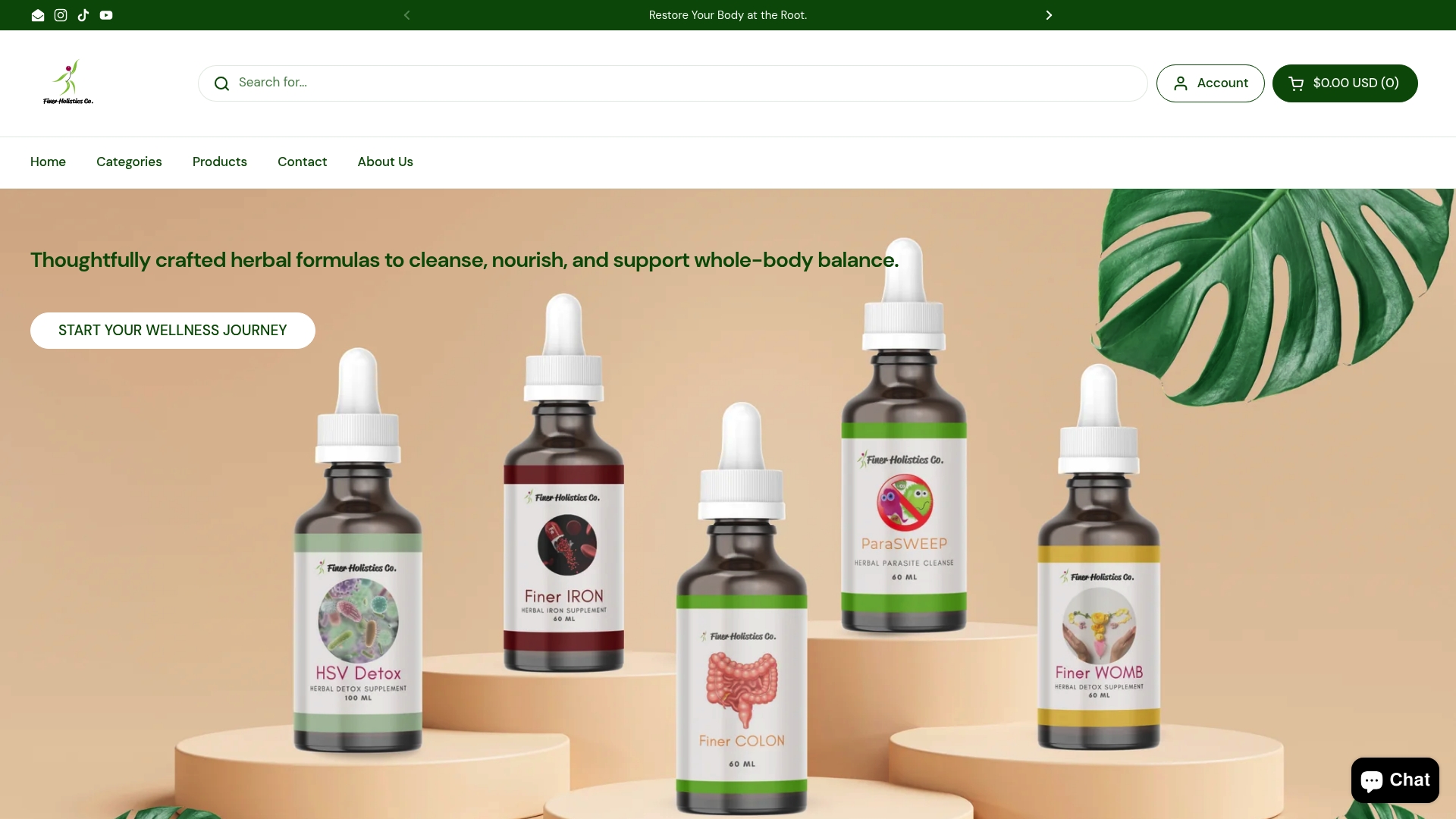
Our herbal detox remedies collection includes teas and tinctures designed to gently support your liver, kidneys, and digestive system through every phase of a cleanse. If hormonal balance is part of your wellness picture, explore our women's wellness herbs collection for targeted herbal support. We're here to help you cleanse smarter, not harder.
Frequently asked questions
Do herbal cleanses actually remove toxins from the body?
Your liver and kidneys naturally detoxify without outside help, and most herbal cleanses have not been proven to remove specific toxins. Herbs can support those organs, but they don't replace what your body already does.
Are herbal cleanses safe for everyone?
No. Risks include dehydration, nutrient deficiencies, GI issues, medication interactions, and liver toxicity, making herbal cleanses especially risky for people with organ conditions or those on medications. Always check with your doctor first.
What herbs are most studied for liver support?
Milk thistle may support liver enzyme levels in specific conditions, making it the most researched option. However, its effects on general detox cleanses remain unproven.
Can herbal cleanses help with weight loss?
Any rapid weight loss during a herbal cleanse is almost always water loss, not fat, and it returns once normal eating resumes. Herbal cleanses are not a reliable or sustainable weight loss strategy.