

TL;DR:
- Herbal supplement safety depends on third-party testing, transparency, and medical consultation.
- Milk thistle and turmeric have the most scientific evidence for supporting liver health.
- Lifestyle habits are more effective for detox than supplements, which should complement a healthy routine.
Walk into any health food store and you'll find hundreds of herbal supplements promising to cleanse, energize, and restore your body. The problem isn't the plants themselves. It's the noise. Misleading labels, vague ingredient lists, and bold detox claims make it genuinely hard to know what's safe, what works, and what's just clever marketing. We put together this evidence-backed checklist to cut through the confusion, so you can make smarter, safer choices about herbal supplements for detoxification and overall vitality. From evaluating quality to comparing specific herbs, this guide walks you through every step.
Table of Contents
- How to evaluate herbal supplements: The safety checklist
- Top herbs for detoxification and vitality: Evidence and insights
- Herb-by-herb comparison checklist: Choosing what fits your goals
- Potential risks and realistic expectations for herbal supplements
- Personalizing your herbal supplements checklist: Decision steps
- Our perspective: When herbal supplements help and when to step back
- Take the next step with Finer Holistics herbal solutions
- Frequently asked questions
Key Takeaways
| Point | Details |
|---|---|
| Assess quality first | Always choose herbal supplements with third-party certification, clear labeling, and transparency. |
| Evidence-backed herbs | Milk thistle and turmeric stand out for supported liver benefits, while lifestyle is the core of real detox. |
| Watch for risks | Be mindful of potential liver injury, drug interactions, and avoid supplements if you have certain medical conditions or are pregnant. |
| Personalize your approach | Consult your healthcare provider and track your supplements' effects to ensure safety and value. |
How to evaluate herbal supplements: The safety checklist
Before you add any herbal supplement to your routine, slow down and run it through a clear set of criteria. The supplement industry is largely unregulated before products hit shelves, which means quality and safety can vary dramatically from brand to brand. A structured approach protects you.
Here's a practical checklist to follow:
- Talk to your healthcare provider first. Consult a provider before starting any herbal supplement, especially if you take medications, are pregnant, or have conditions like liver disease or autoimmune disorders. This step isn't optional.
- Check for third-party testing. Look for USP, NSF, or ConsumerLab seals on the label. These indicate independent verification of purity and potency. Also look for standardized extracts that list the Latin plant name and batch numbers.
- Request a Certificate of Analysis (CoA). A reputable brand will provide this document showing lab results for each batch. If a company can't or won't share it, that's a red flag.
- Avoid proprietary blends. These hide individual ingredient amounts behind a single number, making it impossible to know if you're getting a therapeutic dose of anything.
- Research herb-drug interactions. Certain herbs affect how medications are metabolized in the liver. St. John's Wort, for example, can reduce the effectiveness of birth control and antidepressants. Check interactions before combining anything.
- Know who should avoid certain herbs. People with autoimmune conditions, those preparing for surgery, the elderly, and pregnant or breastfeeding women face higher risks with many herbal products. Review herbal medicine guidelines before starting.
Quality isn't a bonus feature in herbal supplements. It's the whole point. A poorly sourced herb can do more harm than good, regardless of the plant's natural benefits.
Pro Tip: Start a supplement journal. Log the product name, batch number, dose, and any changes you notice in energy, digestion, or mood. This makes it easier to spot patterns and gives you useful information to share with your provider. Pair this with a solid holistic detox checklist to build a full picture of your wellness habits. You can also explore natural detox strategies to understand what your body actually needs beyond supplements.
With safety and evaluation in mind, let's look at the most common and evidence-backed herbs for detox and vitality.
Top herbs for detoxification and vitality: Evidence and insights
Not all herbs are created equal when it comes to scientific support. Some have been studied in randomized controlled trials (RCTs) and meta-analyses. Others rely almost entirely on traditional use. Here's where the strongest evidence currently sits.
- Milk thistle (Silybum marianum). The active compound silymarin is the most studied herbal ingredient for liver health. Milk thistle for liver enzymes shows meaningful reductions in AST and ALT levels in multiple meta-analyses. It's the most clinically supported option for liver detox support.
- Turmeric (Curcuma longa). Curcumin, turmeric's active compound, has well-documented anti-inflammatory and liver-protective properties. Studies show it can reduce liver enzyme levels in people with non-alcoholic fatty liver disease. Bioavailability is a known challenge, so look for formulas with piperine or phospholipid complexes.
- Dandelion (Taraxacum officinale). Traditionally used to stimulate bile flow and support liver and gallbladder function. Human clinical evidence is limited, but animal studies and traditional use are consistent. It's generally considered safe for most adults.
- Ginger (Zingiber officinale). Broad benefits including anti-inflammatory action, digestive support, and nausea relief. It's one of the most versatile herbs in a detox-focused routine and pairs well with other liver-supportive plants.
Key stat: RCTs show that both silymarin and curcumin can significantly improve AST and ALT levels, two primary markers of liver stress, making them the strongest candidates for evidence-based herbal liver detox support.
If you want a deeper look at how these plants interact with your body's detox pathways, the liver detoxification guide breaks it down clearly.
Now that you know which herbs have the strongest evidence, let's compare their uses and your ideal situations for each.
Herb-by-herb comparison checklist: Choosing what fits your goals
Choosing the right herb means matching it to your specific health situation, not just picking the most popular one. Use this table as a quick reference.
| Herb | Main benefit | Best for | Key cautions |
|---|---|---|---|
| Milk thistle | Liver enzyme support | Liver health, post-medication recovery | Ragweed allergy, hormone-sensitive conditions |
| Turmeric | Anti-inflammatory, liver protection | Inflammation, metabolic health | Blood thinners, gallbladder disease |
| Dandelion | Bile flow, digestive support | Sluggish digestion, mild liver support | Diuretic effect, ragweed allergy |
| Ginger | Digestion, anti-inflammatory | Nausea, gut health, general detox support | High doses may affect blood clotting |
A few important points to keep in mind when reviewing this table:
- Autoimmune conditions require extra caution. Avoid immunostimulants like spirulina and elderberry if you have an autoimmune disease. Some herbs can amplify immune activity in ways that worsen symptoms. Research on autoimmune risks with herbal supplements is still evolving, so err on the side of caution.
- Blood-thinning medications are a common interaction point. Turmeric, ginger, and garlic all have mild anticoagulant effects. If you take warfarin or aspirin regularly, discuss any of these herbs with your doctor.
- Pregnancy is a hard stop for many herbs. Dandelion and ginger in culinary amounts are generally considered safe, but therapeutic doses are a different story. Always check before using concentrated extracts.
Pro Tip: Before starting anything new, run it through an online drug-herb interaction checker or call your pharmacist. It takes five minutes and can prevent a serious problem. You can also read more about antioxidants and herbal detox to understand how these compounds work together in the body.
Once you've compared these options, it's important to weigh potential benefits against possible risks.
Potential risks and realistic expectations for herbal supplements
Here's something the supplement industry rarely advertises: herbal and dietary supplements account for 20% of liver injury cases reported in clinical settings. That number has been rising. It doesn't mean herbs are inherently dangerous, but it does mean they deserve the same respect you'd give a pharmaceutical drug.
Common risks include:
- Liver injury. Green tea extract, kava, and certain weight-loss blends are the most frequent culprits. Even herbs with strong safety profiles can cause problems in high doses or when combined with other supplements.
- GI disturbances. Nausea, cramping, and diarrhea are common side effects, especially when starting a new herbal product.
- Hypersensitivity reactions. Rashes, swelling, and breathing difficulty can occur, particularly with herbs in the ragweed family.
- Contamination. Because supplements aren't FDA-regulated before market, some products contain heavy metals, pesticides, or undisclosed pharmaceutical compounds.
The best detox is the one your body does itself, with support from good habits.
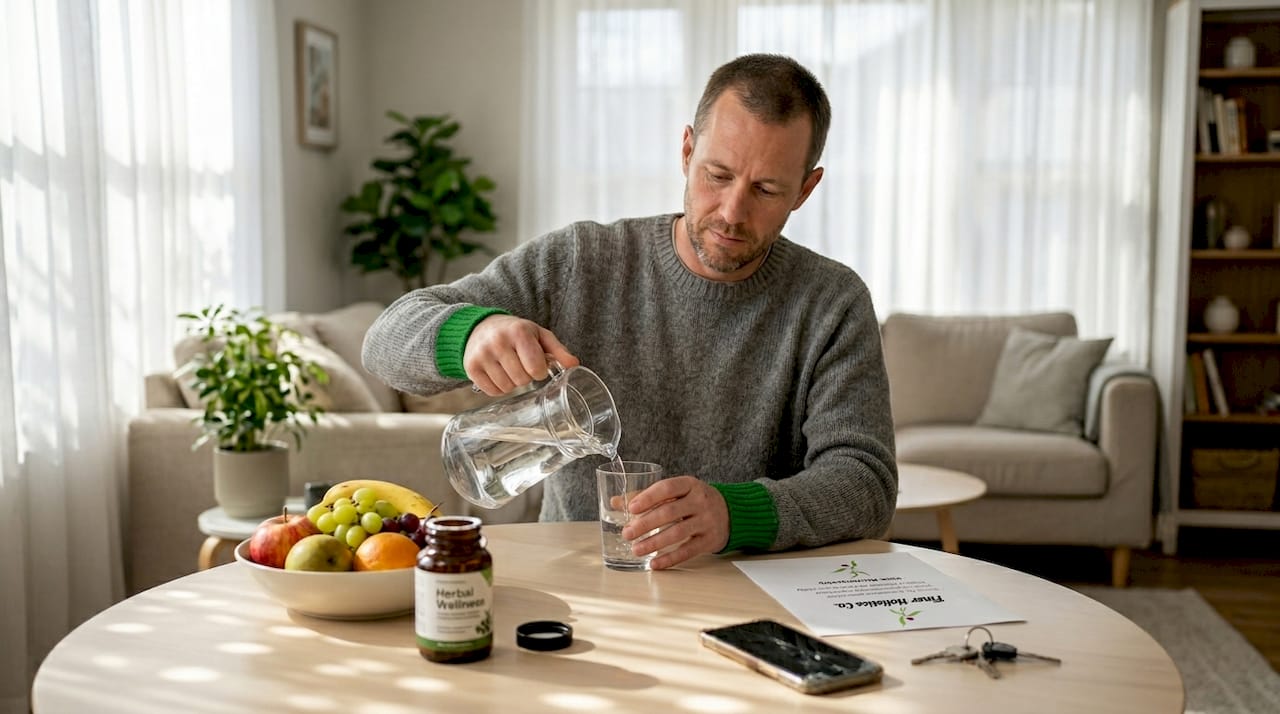
Your liver and kidneys are already running a sophisticated detox operation around the clock. Whole foods, hydration, and exercise support that process far more reliably than any cleanse. An anti-inflammatory diet rich in fiber, omega-3s, and colorful vegetables gives your detox organs the raw materials they need. Supplements work best when they're layered on top of these fundamentals, not used as a substitute for them. For a practical breakdown of how to support your body without over-relying on supplements, the detox naturally guide is worth bookmarking.
With this context of risk and lifestyle balance, here's how to make your final decision.
Personalizing your herbal supplements checklist: Decision steps
Putting all of this into practice requires a clear process. Here's a step-by-step approach to making a personalized, informed decision.
- Assess your health status. List any current medications, diagnoses, and health goals. This becomes your filter for everything that follows.
- Research quality options. Use the criteria from section one. Prioritize brands with CoAs, third-party seals, and transparent sourcing.
- Check for contraindications. Cross-reference your health status with the herb's known risks. When in doubt, ask your pharmacist or naturopath.
- Start with evidence-based herbs. Milk thistle and turmeric have the most clinical support for liver health. Start there before exploring less-studied options.
- Track your results. Use your supplement journal to log energy levels, digestion quality, sleep, and any biomarker changes from blood work. Re-evaluate every 8 to 12 weeks.
- Prioritize lifestyle first. If your diet, sleep, and hydration aren't solid, no supplement will make up the difference. Build the foundation before adding herbal support.
Pro Tip: Set a calendar reminder every three months to review your supplement routine with your healthcare provider. Your needs change, and what made sense six months ago may not be the right fit now. You can use the natural detox steps framework to keep your routine grounded and intentional.
Our perspective: When herbal supplements help and when to step back
We've worked with a lot of people who come to herbal wellness after feeling let down by conventional options. And we get it. But we'd be doing you a disservice if we didn't say this plainly: most detox supplements are over-marketed. The gap between traditional claims and modern clinical evidence is real, and it's wide.
Milk thistle and turmeric are genuinely worth considering for liver support. They have real data behind them. But they're not miracle cures, and they won't undo a poor diet or chronic stress. Our honest take is this: lead with lifestyle, and use herbs as intelligent support, not a shortcut. A holistic detox perspective means treating supplements as one tool in a larger toolkit, not the whole solution. When you approach it that way, herbs can genuinely contribute to how you feel. When you don't, you're mostly just spending money.
Take the next step with Finer Holistics herbal solutions
If you've done the research and you're ready to add a quality herbal product to your routine, we want to make that step easier.
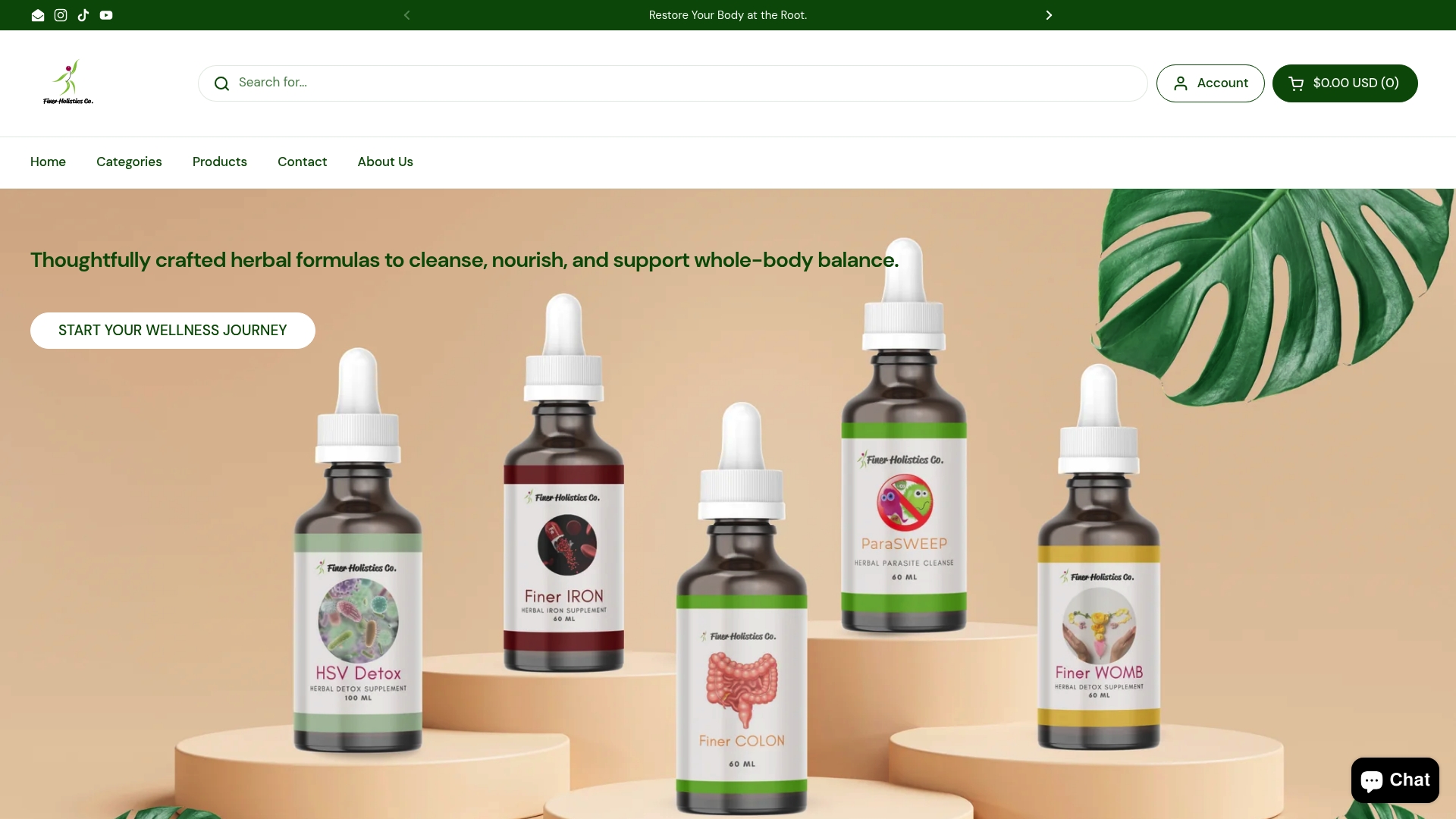
At Finer Holistics, every product is handcrafted with carefully selected ingredients, transparent sourcing, and a commitment to real wellness support. Our formulas are built around herbs with genuine evidence behind them, not trendy ingredients with vague promises. Whether you're starting with liver support or exploring a broader detox approach, our herbal detox collection gives you quality-backed options with the education to use them wisely. We're here to support your journey, not rush it.
Frequently asked questions
What are the best herbal supplements for liver health?
Milk thistle and turmeric have the strongest clinical evidence for supporting liver enzyme levels, making them the top evidence-based choices for liver health among herbal options.
How can I tell if a herbal supplement is safe and high quality?
Look for third-party seals like USP or NSF and request a Certificate of Analysis from the brand to verify what's actually in the product.
Who should avoid herbal supplements for detox?
People with autoimmune disease, those on multiple medications, and pregnant or breastfeeding women should consult their provider first before using any herbal detox supplement.
Do herbal cleanses actually work for detox?
There's no strong evidence that cleanses outperform whole foods, hydration, and exercise for supporting your body's natural detox processes through the liver and kidneys.
Are herbal supplements regulated by the FDA?
No. Herbal supplements are not FDA-regulated before they reach store shelves, which is why third-party testing and Certificate of Analysis documents matter so much.