

Digestive discomfort affects millions of people daily, from occasional bloating to persistent indigestion. While pharmaceutical solutions exist, many health-conscious individuals seek natural alternatives that work with the body's innate healing mechanisms. Herbal remedies offer a time-tested approach to digestive support, addressing root causes through multiple pathways including enzyme stimulation, inflammation reduction, and gut motility regulation. This comprehensive guide reveals how to safely and effectively incorporate herbal digestion support into your wellness routine, covering everything from selecting the right herbs for your unique constitution to monitoring your progress and optimizing results for lasting digestive comfort.
Table of Contents
- Key Takeaways
- Understanding the foundations of herbal digestion support
- Preparing for your herbal digestion support routine
- Executing your herbal digestion support process: step-by-step guide
- Verifying and optimizing your herbal digestion support results
- Explore herbal digestion support products from Finer Holistics
- FAQ
Key Takeaways
| Point | Details |
|---|---|
| Multiple mechanisms | Herbal digestion support works through enzyme stimulation, motility regulation, anti inflammatory effects, and microbiome support. |
| Enzyme stimulation | Warming herbs like ginger and black pepper boost digestive enzymes, bile, and gastric juices and are most effective when taken 15 to 30 minutes before meals. |
| Motility regulation | Carminative herbs such as fennel and cumin help normalize peristalsis for balanced digestion. |
| Prebiotic benefits | Some herbal compounds resist digestion in the upper GI tract and reach the colon intact to feed beneficial bacteria. |
| Safety and personalization | Start with low doses and tailor use to constitution, current health conditions, and potential drug interactions or pregnancy contraindications. |
Understanding the foundations of herbal digestion support
Herbal remedies support digestion through several interconnected mechanisms that work synergistically to restore balance. Unlike single-target pharmaceutical approaches, herbal digestion support involves multi-targeted mechanisms including stimulation of digestive secretions and enzymes, modulation of gut motility, prebiotic actions enhancing microbiota, and anti-inflammatory effects. Understanding these foundational actions helps you select and use herbs more effectively for your specific digestive concerns.
Digestive stimulation represents one of the primary ways herbs support gut function. Warming herbs like ginger and black pepper increase the production of digestive enzymes, bile, and gastric juices that break down food efficiently. This enhanced secretion activity means your body can extract more nutrients from meals while reducing the fermentation and putrefaction that cause bloating and gas. These stimulating herbs work particularly well when taken 15 to 30 minutes before meals, priming your digestive system for optimal function.
Gut motility regulation addresses the speed at which food moves through your digestive tract. Carminative herbs such as fennel and cumin help normalize peristalsis, the wave-like muscle contractions that propel food forward. When motility is too slow, constipation and bloating occur. When it's too fast, nutrients aren't absorbed properly and diarrhea results. These balancing herbs gently encourage healthy rhythm without forcing unnatural responses, making them suitable for long-term use as part of a comprehensive herbal remedy guide approach.

Beyond immediate digestive actions, certain herbs provide prebiotic benefits that nourish beneficial gut bacteria. A balanced microbiome is essential for proper digestion, immune function, and even mental health. Some herbal compounds resist digestion in the upper GI tract and reach the colon intact, where they feed helpful bacterial species. Additionally, anti-inflammatory and mucosal protective herbs like marshmallow root and slippery elm create a soothing barrier along the digestive lining, reducing irritation and promoting healing in inflamed tissues.
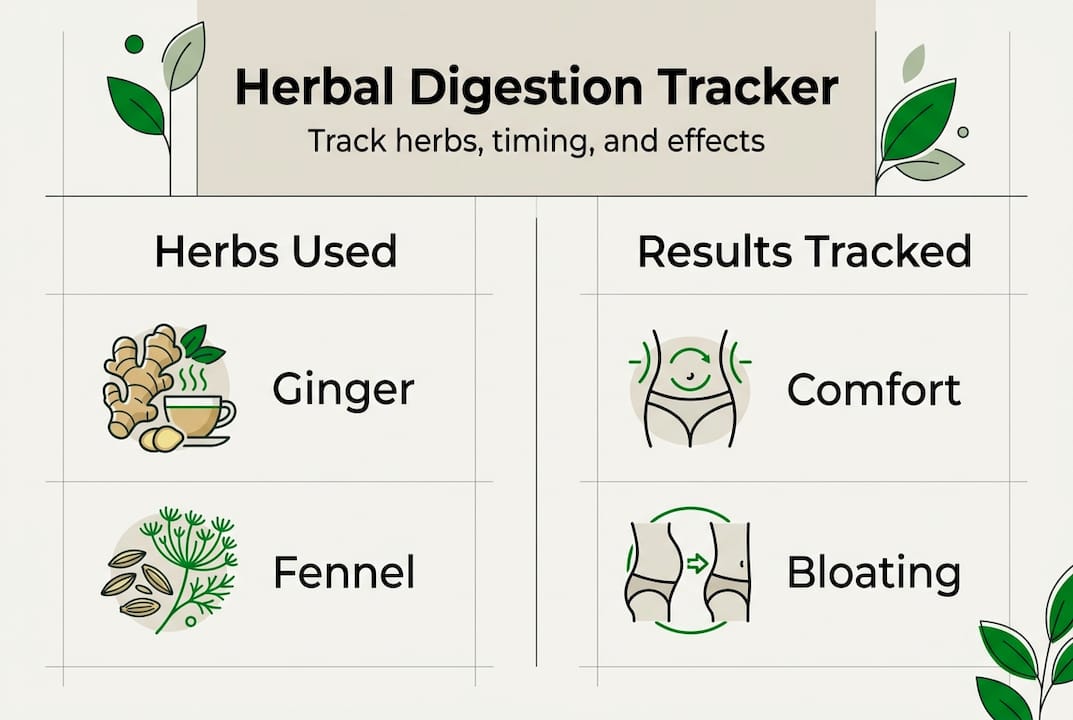
Pro Tip: Keep a simple journal tracking which herbs you use, when you take them, and how your digestion responds over the following hours. This personalized data helps you identify patterns and optimize your herbal routine far more effectively than generic recommendations alone.
Preparing for your herbal digestion support routine
Successful herbal digestion support begins with thoughtful preparation and safety awareness. Before introducing any herbs into your routine, assess your current health status, existing conditions, and medications. Certain herbs interact with pharmaceutical drugs or are contraindicated during pregnancy and specific health conditions. This preparation phase prevents adverse reactions and sets you up for safe, effective results.
Constitutional assessment helps you choose herbs that match your unique digestive pattern. Traditional herbal systems recognize that different people respond differently to the same herbs based on their constitution. Someone with a naturally slow, cool digestion benefits from warming, stimulating herbs like ginger and black pepper. Conversely, someone with excessive heat and inflammation needs cooling, soothing herbs like fennel and licorice. Understanding your baseline digestive tendencies guides more precise herb selection.
Safety considerations are paramount when working with herbal remedies. Start low and go slow, personalize by constitution, and combine herbs with diet and lifestyle modifications for best results. Avoid using herbs for acute or severe digestive conditions without professional oversight. Pregnant women should avoid strong digestive stimulants and certain bitter herbs. If you take medications, research potential interactions, particularly with herbs like berberine that can alter drug metabolism. Standardized preparations ensure consistent dosing and predictable effects.
Proper preparation methods maximize herbal effectiveness while maintaining safety. Herbal teas offer a gentle introduction, allowing you to control strength by adjusting steeping time and herb quantity. Powdered herbs can be mixed into warm water or food, providing convenience for daily use. Tinctures deliver concentrated herbal compounds in small doses, ideal for stronger digestive support. Whichever form you choose, source high-quality, organic herbs from reputable suppliers to avoid contamination and ensure potency.
| Preparation Method | Best For | Typical Dosing |
|---|---|---|
| Herbal tea | Gentle daily support, hydration | 1 to 2 cups after meals |
| Powdered herbs | Convenient mixing, moderate strength | Quarter to half teaspoon in warm water |
| Tinctures | Concentrated support, precise dosing | 20 to 40 drops before meals |
| Capsules | Standardized dosing, portability | Follow manufacturer guidelines |
Maintaining a food and symptom diary provides invaluable feedback during your herbal digestion journey. Record what you eat, when you take herbs, and any digestive symptoms that arise. This tracking reveals patterns, helping you identify trigger foods, optimal herb timing, and which combinations work best for your body. The data you collect becomes your personalized roadmap for refining your herbal wellness routine steps over time.
Pro Tip: Begin your herbal digestion routine during a relatively calm period when you can observe effects without the confounding variables of travel, major stress, or dietary experiments. This controlled start provides clearer feedback about how specific herbs affect your digestion.
Executing your herbal digestion support process: step-by-step guide
Implementing herbal digestion support effectively requires a systematic approach that builds gradually and responds to your body's feedback. This step-by-step method minimizes risk while maximizing benefits, allowing you to discover which herbs and protocols work best for your unique digestive system.
Step 1: Start with gentle post-meal herbs. Begin your herbal journey with mild, well-tolerated herbs like ginger or fennel taken as tea after meals. These gentle digestive aids help reduce bloating and discomfort without overwhelming your system. Steep one teaspoon of dried herb in hot water for five to seven minutes, then sip slowly while the tea is still warm. This initial phase typically lasts one to two weeks, giving you time to assess tolerance and basic effectiveness.
Step 2: Introduce digestive bitters before meals. Once you've established tolerance to post-meal herbs, add bitter herbs like dandelion root or gentian 15 to 20 minutes before eating. Bitters stimulate digestive enzyme production and bile flow, preparing your system to process food efficiently. Start with a small amount, perhaps 10 to 15 drops of tincture or a quarter cup of bitter tea, and gradually increase if needed. The bitter taste itself triggers digestive reflexes, so avoid sweetening these preparations.
Step 3: Add demulcent herbs for stress-related digestive issues. If you experience digestive discomfort during stressful periods, incorporate soothing demulcent herbs like slippery elm or marshmallow root. These mucilaginous herbs coat and protect the digestive lining, reducing irritation and inflammation. Mix the powder into warm water or tea, creating a slightly thick, soothing drink. Take these herbs between meals or before bed for maximum protective benefit.
Step 4: Adjust based on symptom tracking. Review your food and symptom diary weekly to identify patterns and refine your approach. If bloating persists, increase carminative herbs like cumin or coriander. For sluggish digestion, emphasize warming stimulants. When inflammation is prominent, focus on demulcents and cooling herbs. This responsive adjustment ensures your herbal routine evolves with your changing needs rather than following a rigid protocol.
Step 5: Avoid dependency-forming practices. Never rely on strong laxative herbs like senna or cascara sagrada for regular bowel movements. While these herbs provide short-term relief for occasional constipation, frequent use causes dependency where your bowel becomes unable to function without stimulation. Instead, address constipation through gentle bulking herbs, adequate hydration, dietary fiber, and movement. Clinical evidence shows that polyherbal powders improved constipation without side effects, demonstrating the value of balanced, multi-herb approaches.
| Digestive Concern | Primary Herbs | Secondary Support | Timing |
|---|---|---|---|
| Bloating and gas | Fennel, cumin, ginger | Peppermint, chamomile | After meals |
| Slow digestion | Ginger, black pepper | Dandelion, gentian | Before meals |
| Inflammation | Slippery elm, marshmallow | Licorice, calendula | Between meals |
| Irregular bowels | Triphala, psyllium | Flaxseed, chia | Morning or evening |
Consistency matters more than intensity when working with herbal digestion support. Taking moderate amounts of appropriate herbs daily produces better long-term results than sporadic high doses. Aim to integrate your herbal routine into existing habits, like having ginger tea with breakfast or taking bitters before dinner. This consistency allows cumulative benefits to build while your body adapts to the herbal support.
Pro Tip: Prepare a week's worth of custom herbal tea blend on Sunday, storing it in an airtight container. This batch preparation makes daily use effortless and ensures you maintain consistency even during busy weeks. Try a herbal digestion support tea blend combining complementary herbs for convenient daily use.
Verifying and optimizing your herbal digestion support results
Evaluating the effectiveness of your herbal digestion routine requires systematic observation and willingness to adjust your approach based on results. Most people notice subtle improvements within the first week, but meaningful digestive transformation typically unfolds over several weeks of consistent use. Tracking specific metrics helps you objectively assess progress beyond subjective feelings.
Monitor key digestive indicators including bowel movement frequency and consistency, post-meal comfort levels, bloating severity and duration, and overall energy after eating. Improved digestion manifests as regular, well-formed bowel movements without straining, reduced gas and bloating after meals, sustained energy rather than post-meal fatigue, and decreased cravings for inflammatory foods. If you're not seeing improvements in these areas after three to four weeks, your current herb selection or dosing likely needs adjustment.
Common pitfalls can undermine even well-designed herbal routines. Overusing herbs, especially stimulating or laxative varieties, creates tolerance and potential dependency. Ignoring food sensitivities while expecting herbs to compensate sets unrealistic expectations. Combining too many herbs simultaneously makes it impossible to identify which ones help versus hinder. Taking herbs inconsistently prevents cumulative benefits from building. Safety considerations include contraindications in pregnancy, drug interactions, and risks of laxative herb overuse causing dependency, reinforcing the importance of personalized, cautious approaches.
Adverse reactions, while uncommon with gentle digestive herbs, require immediate attention. Discontinue any herb that causes allergic symptoms, worsening digestive distress, or unexpected side effects. Some people experience initial detoxification symptoms like temporary increased bowel movements or mild headaches as their system adjusts. These typically resolve within a few days. However, persistent or severe reactions indicate that particular herb isn't suitable for your constitution or current health status.
| Optimization Strategy | Implementation | Expected Timeline |
|---|---|---|
| Rotate herb varieties | Switch primary herbs every four to six weeks | Prevents tolerance, maintains effectiveness |
| Combine with warm foods | Emphasize cooked, warm meals over raw, cold foods | Immediate digestive ease |
| Add stress management | Practice breathing exercises, gentle movement | One to two weeks for noticeable impact |
| Refine timing | Experiment with herb timing relative to meals | Three to five days per timing adjustment |
Lifestyle integration amplifies herbal effectiveness significantly. Eating warm, cooked foods rather than raw, cold meals supports digestive fire, making herbs work more efficiently. Managing stress through breathing practices, gentle yoga, or meditation prevents the digestive shutdown that occurs during fight-or-flight responses. Adequate hydration helps herbs distribute throughout your system and supports the mucous membranes lining your digestive tract. Regular movement, even gentle walking after meals, promotes healthy gut motility and complements herbal actions.
Know when to seek professional guidance. Persistent digestive issues despite consistent herbal use, severe or worsening symptoms, blood in stool, unexplained weight loss, or symptoms that significantly impact daily life all warrant consultation with a healthcare provider. Herbal remedies excel at supporting mild to moderate digestive concerns and maintaining digestive health, but they're not substitutes for medical diagnosis and treatment of serious conditions. Integrating professional guidance with your herbal teas nourishment tips creates the most comprehensive approach.
Pro Tip: Take progress photos of your abdomen weekly at the same time of day. Visible reduction in bloating provides motivating visual evidence of improvement that complements your symptom tracking data.
Explore herbal digestion support products from Finer Holistics
Transitioning from homemade herbal preparations to expertly crafted blends can elevate your digestive wellness journey. Finer Holistics offers carefully formulated herbal products designed to support natural digestion and overall gut health. Our Finer Digest herbal digestion tea combines traditional digestive herbs in optimal proportions, taking the guesswork out of creating effective blends.
Each Finer Holistics product reflects our commitment to quality, potency, and the healing wisdom of traditional herbalism. Whether you're just beginning your herbal digestion journey or looking to enhance your existing routine, our range of teas, tinctures, and herbal blends provides convenient, effective options. Explore the full collection at Finer Holistics and discover how professionally crafted herbal remedies can support your path to optimal digestive wellness naturally.
FAQ
What are the safest herbs for digestion support?
Ginger, fennel, and cumin rank among the safest digestive herbs for most adults when used in appropriate amounts. These gentle herbs have extensive traditional use and modern research supporting their safety profiles. Avoid long-term use of strong laxative herbs like senna, as they can cause dependency where your digestive system becomes unable to function normally without stimulation.
Can I use herbal digestion remedies alongside medication?
Some herbs interact with medications by altering absorption or metabolism rates. Piperine from black pepper can increase medication levels in your bloodstream, while other herbs may decrease drug effectiveness. Always consult your healthcare provider before combining herbal remedies with pharmaceutical medications to ensure safe, compatible use tailored to your specific situation.
How long does it take to notice benefits from herbal digestion support?
Mild improvements in digestive comfort often appear within a few days of consistent herbal use. However, significant, lasting benefits typically emerge after two to four weeks of regular practice. Individual responses vary based on your unique constitution, the severity of digestive concerns, lifestyle factors, and how well the selected herbs match your specific needs.
What lifestyle habits enhance herbal digestion support?
Eating warm, cooked foods rather than raw, cold meals supports your digestive fire and enhances herb effectiveness. Managing stress through breathing exercises, meditation, or gentle movement prevents digestive shutdown during tense periods. Adequate hydration and regular physical activity further optimize digestive function. Integrating these habits with your herbal wellness routine steps creates synergistic benefits that exceed what herbs alone can achieve.