
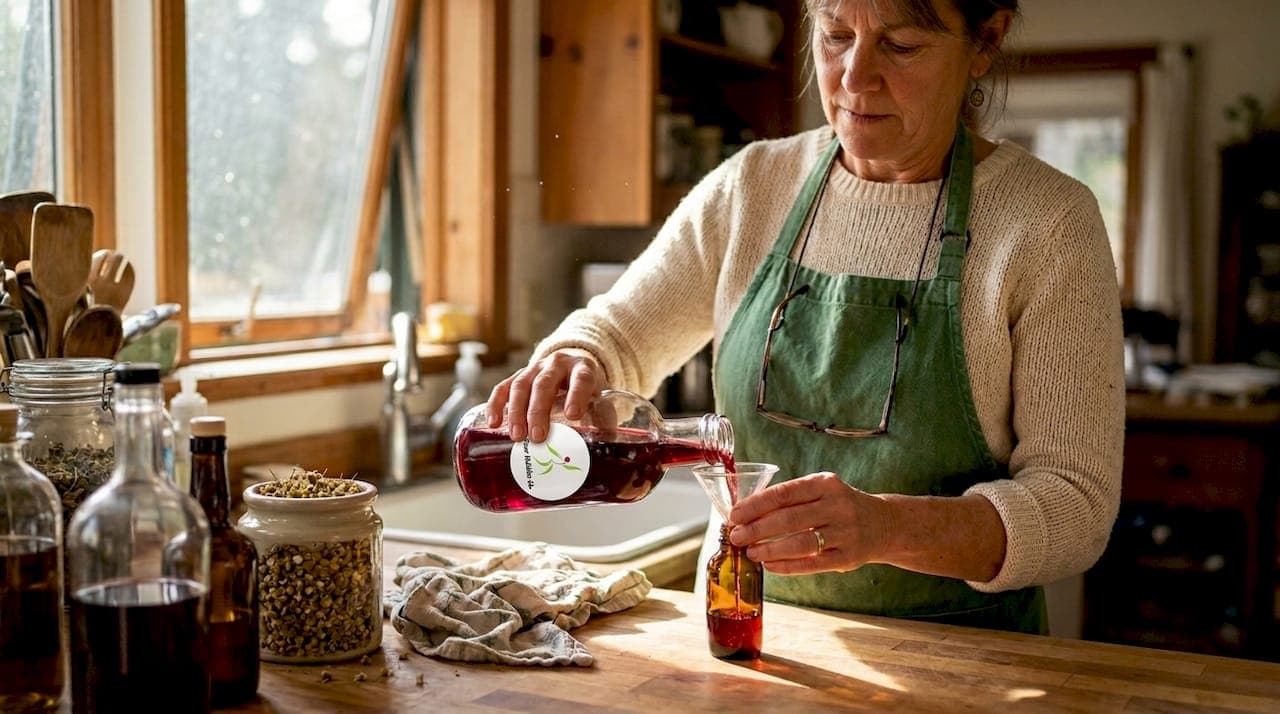
Herbal elixirs often get mistaken for simple herbal teas or unproven folk remedies, but they're actually concentrated sweetened extracts with both traditional roots and growing scientific support. These preparations combine carefully selected herbs with natural sweeteners to create palatable wellness tonics that have been used for centuries across cultures. This guide clarifies what herbal elixirs truly are, how they're made, what research says about their benefits, and how you can safely incorporate them into your natural health routine for digestive support, immune health, and overall vitality.
Table of Contents
- Key Takeaways
- What are herbal elixirs and how are they made?
- Scientific evidence and traditional uses of herbal elixirs
- How herbal elixirs differ from tonics and other natural remedies
- Incorporating herbal elixirs into your wellness routine
- Enhance your natural wellness with Finer Holistics herbal products
- Frequently asked questions about herbal elixirs
Key Takeaways
| Point | Details |
|---|---|
| Elixir definition | Herbal elixirs are sweetened extracts created by infusing herbs in alcohol or glycerin and adding honey or other natural sweeteners, resulting in concentrated tonics beyond plain tea. |
| Tea versus elixirs | The solvent in elixirs extracts oils and resins not captured by water brewed tea, producing a broader spectrum of plant compounds. |
| Shelf life and solvent | Alcohol based elixirs last 5+ years when stored properly, while glycerin based versions maintain potency for only 1-2 years. |
| Practical use tips | Start with small batches to test flavor and potency before scaling up, then tailor sweetness and herb ratios, and use elixirs as daily tonics or for acute symptoms. |
What are herbal elixirs and how are they made?
Herbal elixirs are sweetened herbal extracts, typically created by infusing medicinal herbs in alcohol or glycerin, then adding honey or other natural sweeteners. This process differs fundamentally from brewing tea because the solvent extracts a broader spectrum of plant compounds, including oils and resins that water alone cannot capture. The sweetener serves dual purposes: it masks the often bitter taste of concentrated herbs and acts as a preservative alongside the base solvent.
The preparation process involves several straightforward steps. First, dried or fresh herbs are combined with the chosen solvent in specific ratios, usually one part herb to four or five parts liquid. This mixture steeps for two to six weeks in a cool, dark location, with occasional shaking to maximize extraction. After straining out the plant material, honey, maple syrup, or vegetable glycerin gets added to achieve the desired sweetness and consistency. The final product is bottled in dark glass containers to protect light-sensitive compounds.
Shelf life varies significantly based on the solvent used. Alcohol-based elixirs last 5+ years when stored properly, while glycerin-based versions maintain potency for only 1-2 years. This difference makes alcohol preparations ideal for long-term storage and infrequent use, whereas glycerin options suit those avoiding alcohol or making smaller batches for regular consumption.
Common herbs in elixirs include:
- Adaptogens like rhodiola and eleuthero for stress resilience
- Digestive herbs such as ginger and fennel for gut health
- Respiratory supporters including thyme and ivy for lung function
- Immune boosters like echinacea and elderberry for seasonal wellness
Pro Tip: Start with small batches when making your first elixir to test flavor preferences and potency before committing to larger quantities. You can always adjust sweetness or herb ratios in subsequent batches based on your experience.
Many people use elixirs as daily tonics, taking a teaspoon or tablespoon each morning to support ongoing wellness goals. Others reserve them for acute situations, such as taking an elderberry elixir at the first sign of cold symptoms or a calming herb blend during stressful periods. The versatility of elixirs makes them valuable additions to any herbal remedy guide for beginners exploring natural health options.
Scientific evidence and traditional uses of herbal elixirs
While direct clinical trials specifically testing complete elixir formulations remain limited, substantial research validates the individual herbal extracts commonly used in these preparations. Studies show adaptogens like rhodiola reduce fatigue and improve stress response, supporting their traditional use in wellness tonics. Similarly, herbal syrups with ivy and thyme demonstrate significant effectiveness for bronchitis and cough relief, outperforming some combination treatments in quality of life measures.
Adaptogenic herbs form the backbone of many elixir formulations due to their ability to help the body resist physical and mental stressors. Rhodiola rosea has shown promise in reducing fatigue-related symptoms and improving cognitive function under demanding conditions. Eleuthero, also known as Siberian ginseng, received cautious approval from the European Medicines Agency for temporary asthenia, though researchers note the need for more rigorous trials to establish definitive efficacy claims.
Respiratory health represents another area where herbal elixir ingredients show measurable benefits. Ivy leaf extract has demonstrated bronchodilatory and mucolytic properties, helping clear airways and ease breathing in bronchitis patients. Thyme contains compounds with antimicrobial and antispasmodic effects that support its traditional use for coughs and respiratory infections. These findings validate centuries of folk use in European and Middle Eastern medicine.
Traditional Chinese Medicine views elixirs as tonics for building long-term health rather than quick fixes for acute illness. This perspective emphasizes gradual nourishment of organ systems and energy pathways through consistent use over months or years. Practitioners often combine multiple herbs in precise ratios to address individual constitutions and imbalances, creating personalized formulations that modern Western herbalism is beginning to appreciate and adapt.
Key research findings include:
- Rhodiola extracts reduce mental fatigue by 20-30% in several controlled trials
- Ivy leaf preparations improve cough scores significantly faster than placebo
- Eleuthero shows modest benefits for physical endurance and recovery
- Combined herbal respiratory syrups outperform single-ingredient treatments
"The challenge with adaptogen research lies in the heterogeneous nature of clinical trials and the difficulty of standardizing complex plant extracts across studies, leading to cautious regulatory approval despite promising traditional use."
Despite positive findings for individual herbs, scientific skepticism persists regarding broad adaptogen claims. The heterogeneous nature of trials makes it difficult to draw universal conclusions about effectiveness across different populations and conditions. Standardization challenges also complicate comparisons, as extract potency and active compound ratios vary between manufacturers and preparation methods.
For those interested in combining elixirs with other herbal approaches, exploring how to nourish your body with herbal teas provides complementary strategies. Additionally, targeted formulations like an herbal immune booster can work synergistically with elixir protocols for comprehensive wellness support.
How herbal elixirs differ from tonics and other natural remedies
Understanding the distinctions between elixirs, tonics, tinctures, and syrups helps you choose the right preparation for specific wellness goals. Each format serves different purposes based on concentration, palatability, intended use duration, and therapeutic focus. While these terms sometimes get used interchangeably in casual conversation, recognizing their technical differences optimizes your natural health strategy.
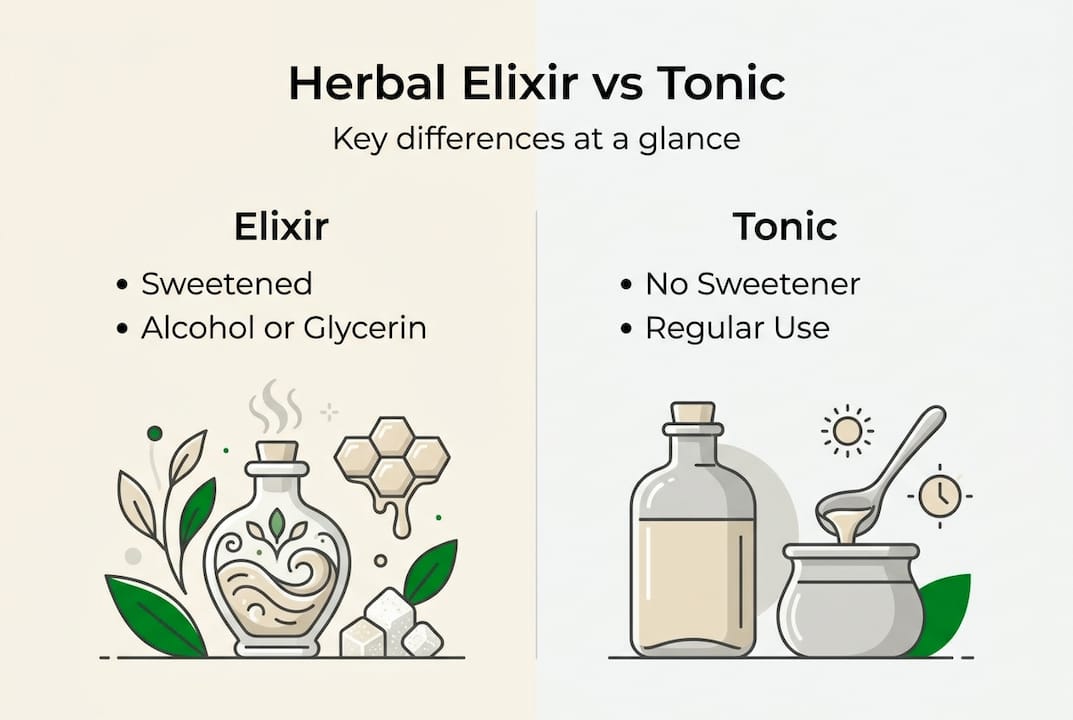
Elixirs specifically refer to sweetened herbal extracts designed for pleasant taste and convenient daily consumption. The sweetener component distinguishes them from straight tinctures, making them more appealing for those who struggle with the strong, often bitter flavor of unsweetened herbal alcohol extracts. This palatability factor increases compliance, particularly for children or adults sensitive to harsh tastes.
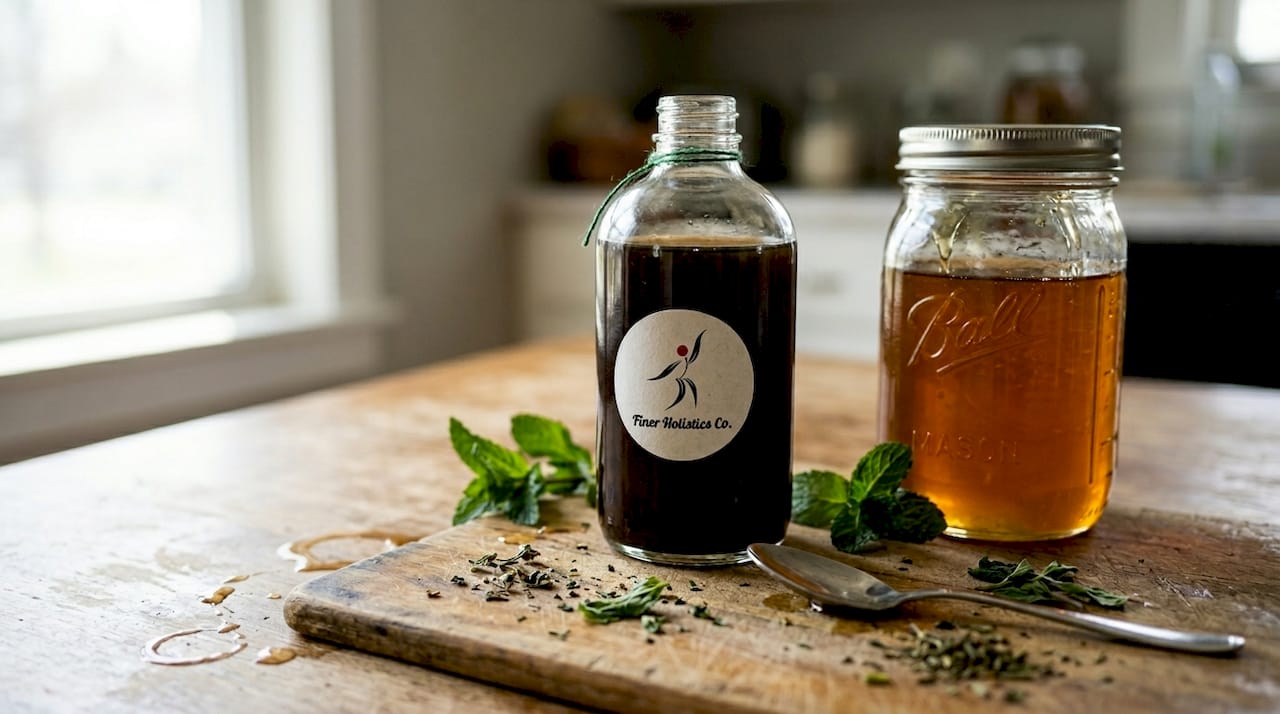
Tinctures are concentrated herbal extracts in alcohol or glycerin without added sweeteners. They provide maximum potency in minimal volume, typically taken in small doses of 20-60 drops diluted in water. Their concentrated nature makes them ideal for acute situations requiring strong therapeutic action, though the intense flavor can be challenging. Tinctures also offer precise dosing control for practitioners working with potent or potentially problematic herbs.
Syrups combine herbal infusions or decoctions with substantial amounts of sugar or honey, creating thick, sweet preparations primarily used for respiratory complaints. The sugar content serves as both preservative and demulcent, coating irritated throat tissues while delivering herbal constituents. Syrups generally contain less alcohol than elixirs or tinctures, making them suitable for children when alcohol-free bases are used.
Tonics in traditional medicine represent preparations taken regularly over extended periods to gradually strengthen body systems and build resilience. The distinction between short-term elixirs and long-term tonics reflects different therapeutic philosophies, with tonics emphasizing preventive nourishment rather than symptomatic relief. However, modern usage often blurs these lines, with many people using the terms interchangeably.
| Preparation | Base | Sweetener | Primary Use | Duration |
|---|---|---|---|---|
| Elixir | Alcohol/Glycerin | Yes | Daily wellness, pleasant taste | Weeks to months |
| Tincture | Alcohol/Glycerin | No | Acute symptoms, precise dosing | Days to weeks |
| Syrup | Water/Minimal alcohol | High | Respiratory complaints, children | Days to weeks |
| Tonic | Variable | Variable | Long-term system support | Months to years |
Scientific skepticism regarding adaptogen and tonic claims stems partly from the difficulty of conducting rigorous trials on preparations meant for gradual, subtle effects over months or years. Short-term studies may miss benefits that only emerge with consistent long-term use, while long-term trials face challenges with participant compliance and confounding lifestyle factors. This creates a gap between traditional empirical knowledge and modern evidence standards.
For comprehensive guidance on building sustainable practices, reviewing herbal wellness routine steps provides frameworks for integrating various preparations effectively. The key lies in matching preparation type to your specific health goals and lifestyle preferences.
Incorporating herbal elixirs into your wellness routine
Successfully integrating herbal elixirs requires thoughtful selection based on your health priorities, understanding proper dosing, and following storage guidelines to maintain potency. Start by identifying your primary wellness goals, whether supporting digestion, boosting immunity, managing stress, or addressing respiratory health. This focus helps you choose appropriate herbs and avoid the common mistake of trying too many preparations simultaneously.
Choosing between alcohol and glycerin bases depends on several factors. Alcohol extracts a wider range of plant compounds and provides superior preservation, but may not suit those avoiding alcohol for personal, religious, or health reasons. Glycerin offers a sweet, alcohol-free alternative that works well for most herbs, though it extracts fewer resinous compounds and requires refrigeration after opening to maximize the shorter shelf life.
- Identify your primary health goal and research herbs traditionally used for that purpose
- Start with a single-herb elixir to assess individual effects before trying complex blends
- Take your chosen dose consistently at the same time daily for at least two to four weeks
- Keep a simple journal noting any changes in symptoms, energy, or overall wellbeing
- Adjust dosage or timing based on your response, reducing if effects feel too strong
- Gradually introduce additional elixirs if desired, spacing new additions by two weeks
Recommended dosages typically range from one teaspoon to one tablespoon daily for adults, though specific herbs may require different amounts. Beginning with the lower end allows you to gauge your body's response before increasing. Some practitioners suggest taking elixirs in the morning to support energy and resilience throughout the day, while others recommend evening doses for calming, sleep-supporting formulations.
Storage significantly impacts elixir longevity and effectiveness. Keep bottles in cool, dark locations away from direct sunlight and heat sources. Dark amber or cobalt glass protects light-sensitive compounds better than clear containers. Alcohol-based preparations maintain potency for five years or more under proper conditions, while glycerin versions benefit from refrigeration and should be used within one to two years of opening.
Pro Tip: Label each elixir bottle with the preparation date and primary herbs to track freshness and avoid confusion when you have multiple formulations. Include any specific dosing instructions or timing recommendations for easy reference.
Safety considerations include checking for herb allergies before starting new elixirs, particularly if you have known sensitivities to plants in the same botanical families. Pregnant and nursing individuals should consult qualified herbalists or healthcare providers before using most herbal preparations. Be aware of potential interactions between herbs and medications, especially with blood thinners, diabetes medications, and immunosuppressants.
Alcohol sensitivity requires special attention. Even small amounts in elixirs can affect those with alcohol intolerance or in recovery from alcohol dependence. Glycerin-based versions provide safe alternatives, or you can dilute alcohol elixirs in hot water and let them sit briefly to evaporate some alcohol content, though this reduces overall shelf life of the remaining product.
Integrating elixirs with other herbal products creates comprehensive wellness protocols. Pairing an adaptogen elixir with herbal wellness routine steps provides both immediate support and long-term health building. Consider combining digestive elixirs with herbal digestion support tea for meals, or using respiratory elixirs alongside herbal lung detox tincture during seasonal challenges for enhanced benefits.
Enhance your natural wellness with Finer Holistics herbal products
While crafting your own elixirs offers rewarding hands-on experience, professionally formulated herbal products provide convenient, consistent support for your wellness journey. Finer Holistics specializes in handcrafted herbal remedies designed to complement your natural health practices, offering targeted solutions for digestion, respiratory function, and immune resilience.
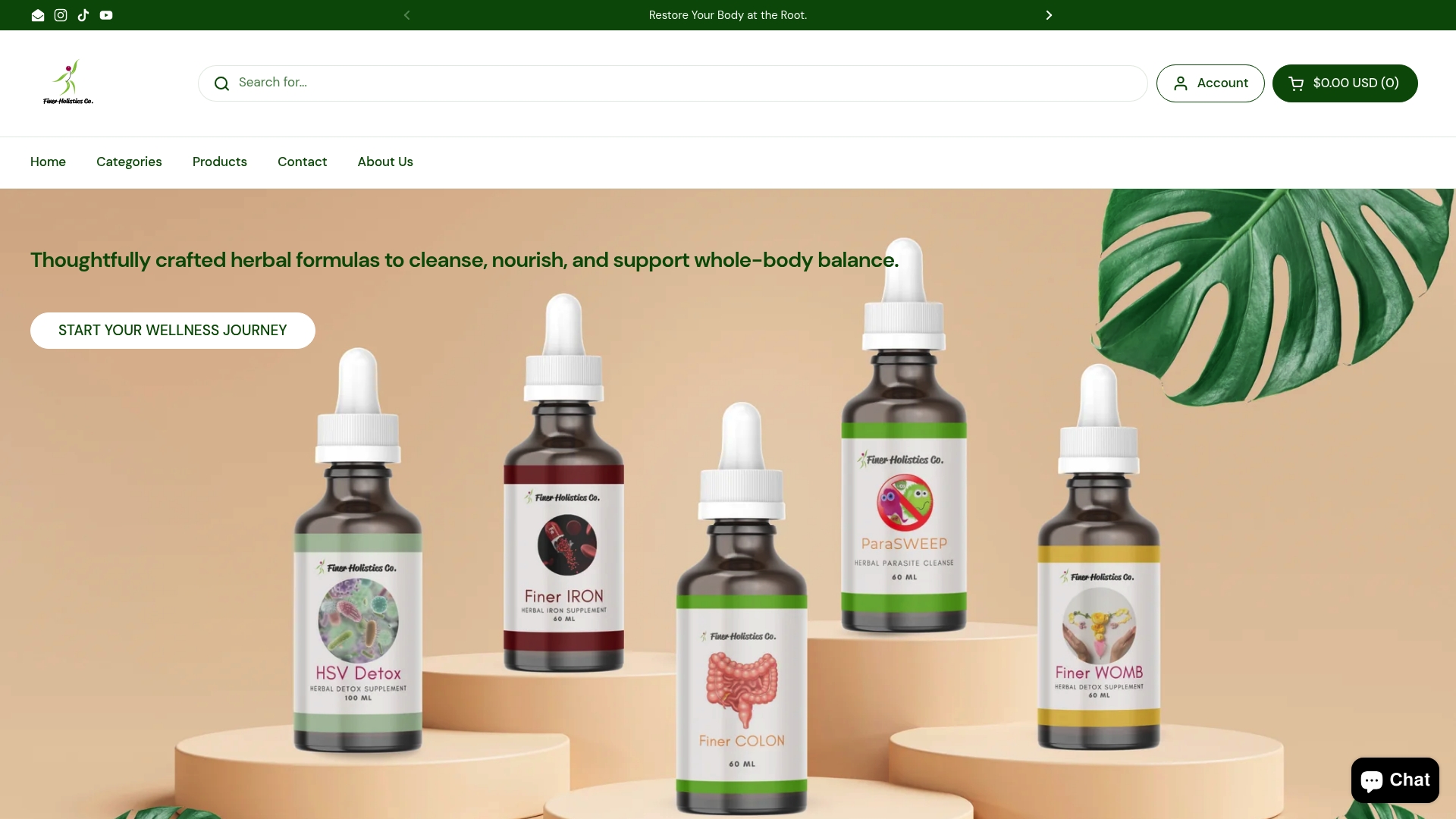
Our herbal digestion support tea combines traditional digestive herbs in carefully balanced ratios to ease discomfort and support optimal gut function. For respiratory wellness, the herbal lung detox tincture delivers concentrated botanical support to cleanse and strengthen lung tissue. Each product reflects our commitment to quality ingredients and time-tested herbal wisdom, making it simple to integrate plant-based healing into your daily routine. Explore our full range of herbal remedies and natural detoxes to discover how traditional botanicals can enhance your vitality and wellbeing.
Frequently asked questions about herbal elixirs
What is the difference between herbal elixirs and tinctures?
Elixirs are sweetened herbal extracts that combine alcohol or glycerin with honey or syrup for pleasant taste, while tinctures contain only the herbal extract in alcohol or glycerin without sweeteners. Tinctures offer higher concentration and potency per drop, but elixirs provide easier daily consumption due to their palatable flavor.
Are herbal elixirs safe for daily use?
Most herbal elixirs are safe for daily consumption when used appropriately, though individual herbs may have specific contraindications or interaction risks. Start with recommended doses, monitor your response, and consult a qualified herbalist if you're pregnant, nursing, taking medications, or have chronic health conditions. Quality matters significantly, so choose elixirs from reputable sources using properly identified herbs.
How long do herbal elixirs last after opening?
Shelf life depends primarily on the base used and storage conditions. Alcohol-based elixirs maintain potency for five or more years when stored in dark glass away from heat and light, while glycerin-based versions last one to two years and benefit from refrigeration after opening. Always check for changes in color, smell, or taste that might indicate degradation.
Can herbal elixirs help with specific health issues like stress or cough?
Research supports certain herbal extracts for targeted concerns, with adaptogens like rhodiola showing benefits for stress-related fatigue and respiratory herbs like ivy demonstrating effectiveness for cough and bronchitis symptoms. However, elixirs work best as part of comprehensive wellness approaches rather than standalone treatments for serious conditions. For persistent or severe symptoms, consult healthcare professionals alongside your herbal remedy guide for beginners exploration.
Where can I buy quality herbal elixirs?
Look for herbal elixirs from companies specializing in botanical medicine that provide transparency about sourcing, extraction methods, and ingredient quality. Local herbalists, natural health stores, and reputable online retailers offer various options. Check for clear labeling including herb names, base type, suggested use, and any relevant warnings to ensure you're getting properly prepared products.