
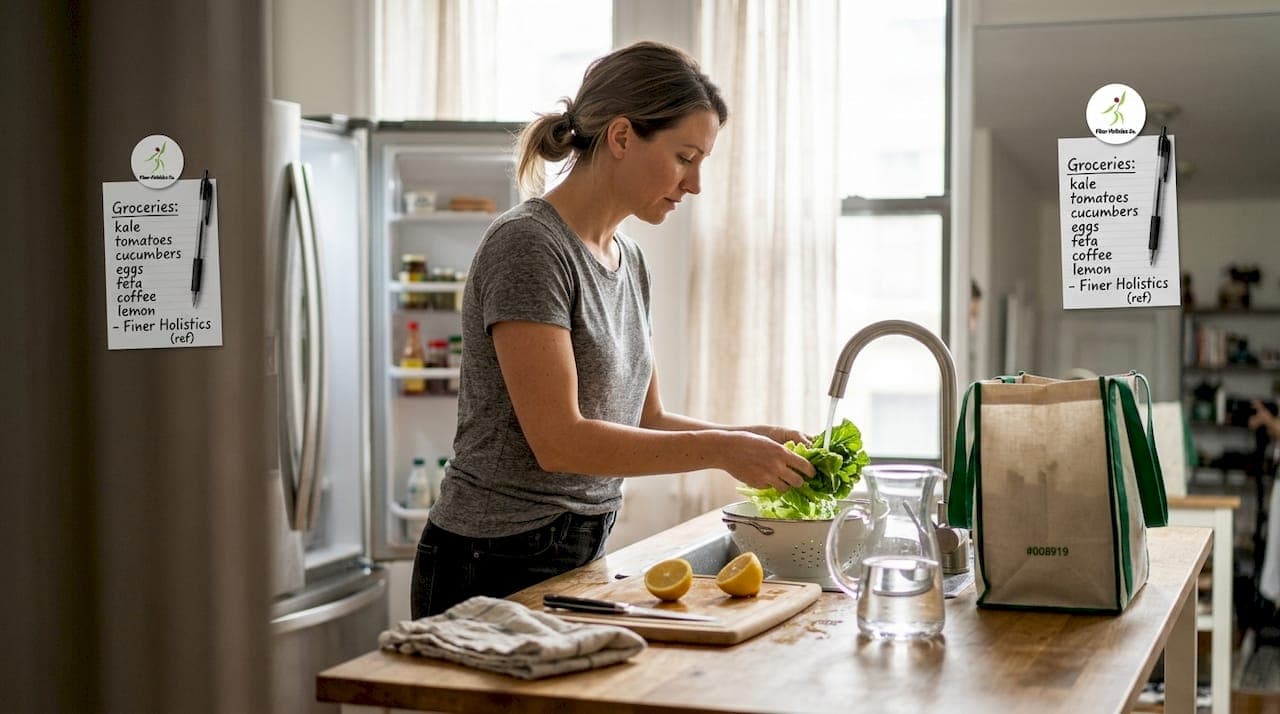
Cleansing diets are everywhere. Social media feeds are packed with juice cleanses, 21-day resets, and detox teas promising to flush out toxins and restore your energy. But here's the thing: the science behind these claims is far murkier than the marketing suggests. A cleansing diet, also called a detox or cleanse diet, is a short-term eating plan that claims to remove toxins from the body, often through fasting, juices, or restricted foods. This guide breaks down what these diets actually involve, what the research says, what the real risks are, and how your body handles detoxification on its own.
Table of Contents
- What is a cleansing diet? Core principles explained
- How do cleansing diets work? Mechanics and methods
- What does the evidence say? Health claims vs. scientific reality
- Are cleansing diets safe? Risks and who should avoid them
- Do you really need to detox? How the body handles toxins naturally
- Healthier alternatives: Building daily wellness for natural detoxification
- Safe, natural detox support from Finer Holistics
- Frequently asked questions
Key Takeaways
| Point | Details |
|---|---|
| Cleansing diet basics | These are short-term eating plans often excluding processed foods, aiming to remove toxins. |
| Scientific evidence limited | There is little clinical proof that cleanses outperform your body’s natural detoxification. |
| Know the risks | Cleanses can cause nutrient deficiencies and are unsafe for certain groups. |
| Support natural detox | Healthy daily habits like hydration, fiber, and whole foods aid your body’s natural detox. |
| Gentle alternatives | Plant-based resets and herbal strategies are safer ways to support holistic wellness. |
What is a cleansing diet? Core principles explained
A cleansing diet is a structured, short-term approach to eating that aims to reduce your toxic load, reset digestion, or jumpstart healthier habits. These plans typically run anywhere from 3 to 21 days and restrict or eliminate processed foods, alcohol, caffeine, sugar, and sometimes entire food groups.
The most common variations include:
- Juice cleanses: Liquid-only plans using cold-pressed fruit and vegetable juices
- Elimination diets: Remove common allergens like gluten, dairy, and soy to identify sensitivities
- Intermittent fasting cleanses: Time-restricted eating windows combined with whole foods
- Real food resets: Whole-food plans that cut out processed items while keeping fiber and protein
- Herbal or supplement-based cleanses: Use herbs, teas, or capsules alongside a restricted diet
If you're curious about plant-based options, exploring herbal detox options can give you a gentler starting point than extreme juice-only plans.
"A cleansing diet is a short-term eating plan that claims to remove toxins from the body, often through fasting, juices, or restricted foods like fruits, vegetables, and water."
The intended benefits vary by plan but typically include toxin elimination, weight loss, improved energy, clearer skin, and better digestion. Whether those claims hold up is a different story entirely.
How do cleansing diets work? Mechanics and methods
Cleansing diets use several core strategies to produce their effects. Understanding the mechanics helps you separate genuine benefit from marketing hype.
The main methods include:
- Calorie restriction: Reducing overall intake forces the body to use stored energy, which can produce short-term weight loss.
- Food group elimination: Cutting out processed foods, refined sugar, and alcohol removes common inflammatory triggers.
- Liquid-only intake: Juice or broth-based cleanses reduce digestive workload and increase micronutrient intake.
- Laxatives and diuretics: Some commercial cleanses include herbal laxatives or diuretics to speed elimination.
- Fiber and protein emphasis: Real food cleanses support liver function through fiber-rich vegetables and adequate protein for detox enzyme production.
| Feature | Commercial cleanse | Whole-food cleanse |
|---|---|---|
| Duration | 3 to 7 days | 14 to 21 days |
| Main foods | Juices, supplements | Vegetables, legumes, whole grains |
| Protein intake | Very low | Moderate to adequate |
| Sustainability | Low | Moderate |
| Evidence base | Weak | Slightly stronger |
For a deeper look at how your body processes what you eat, the article on natural ways to detox is worth reading alongside this one. You can also explore liver detoxification explained to understand the organ doing most of the heavy lifting.
Pro Tip: Hydration is non-negotiable during any cleanse. Even mild dehydration impairs kidney filtration and liver function, which are the two organs you're supposedly trying to support. Aim for at least 8 to 10 cups of water daily throughout any cleansing protocol.
What does the evidence say? Health claims vs. scientific reality
This is where things get honest. The research on cleansing diets is thin, and what exists is often poorly designed.
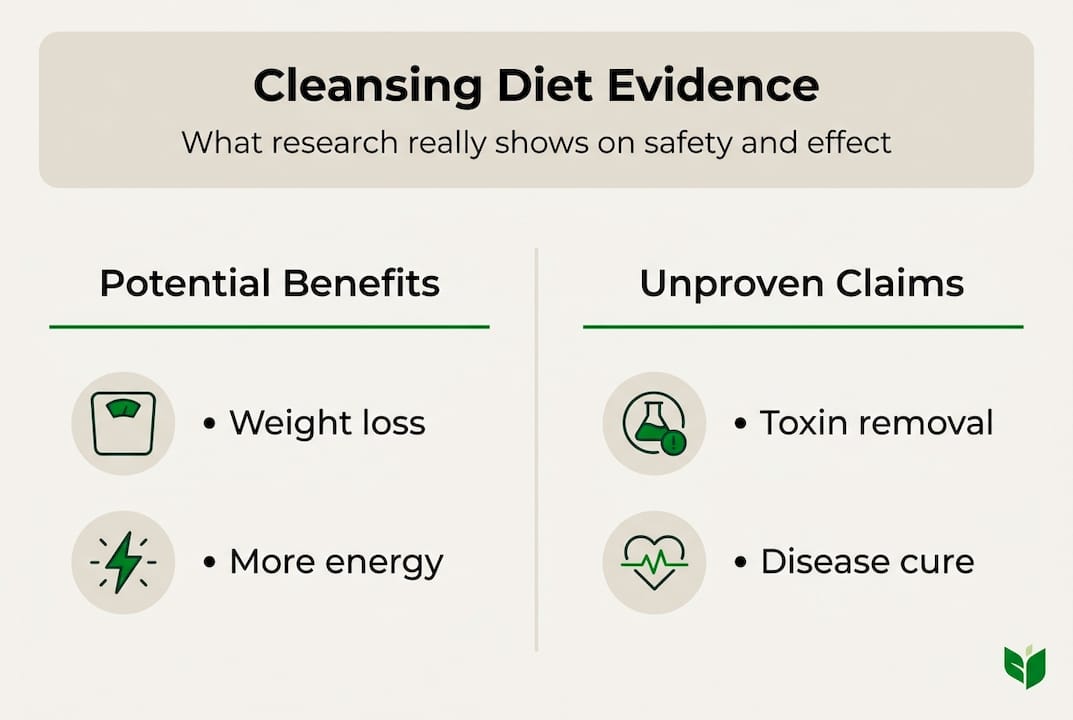
One randomized controlled trial (RCT) found that a 21-day plant-based program with supplements reduced oxidative stress by 9% and improved kidney filtration and gut microbiota. That's a real finding. But the same study showed no changes in standard detox markers, which raises questions about what "detox" actually means in clinical terms.
Broader reviews paint a less optimistic picture. Scant evidence exists for toxin elimination or meaningful weight loss from commercial cleanses. Most studies are small, short, and lack control groups. Weight lost during a cleanse is often water weight that returns quickly.
| Claim | Evidence status |
|---|---|
| Removes toxins from the body | Not supported by clinical data |
| Promotes lasting weight loss | Weak; mostly water weight rebound |
| Reduces oxidative stress | Limited support (one RCT, 9% reduction) |
| Improves gut microbiota | Possible with plant-based whole-food plans |
| Boosts energy | Anecdotal; no controlled evidence |
| Supports liver function | Indirect support through fiber and hydration |
What current science does support:
- Reducing processed food and sugar intake improves metabolic markers
- Increasing fiber supports gut microbiome diversity
- Short-term dietary resets can help people build new eating habits
- Hydration and whole foods consistently support organ function
What remains unproven:
- That commercial cleanses remove specific toxins
- That juice-only plans offer benefits beyond calorie restriction
- That any cleanse outperforms a consistently healthy diet
For a practical breakdown of what safe detox actually looks like, the guide on safe detox steps offers grounded, actionable direction.
Are cleansing diets safe? Risks and who should avoid them
For most healthy adults, a short, whole-food-based cleanse carries minimal risk. But "most healthy adults" is a narrower group than people assume.
Key risks associated with cleansing diets include:
- Nutrient deficiencies: Juice-only or very low-calorie plans can lack protein, iron, calcium, and B vitamins
- Dehydration: Paradoxically, some cleanses cause fluid loss through laxative use
- GI upset: Sudden fiber increases or herbal laxatives can cause cramping, bloating, and diarrhea
- Electrolyte imbalances: Extended liquid cleanses can deplete sodium, potassium, and magnesium
- Kidney strain: High-oxalate juices (like spinach or beet-heavy blends) can stress kidney function in susceptible individuals
"Cleanses are unsafe for pregnant women, people with diabetes, and those with kidney or heart disease."
Beyond those groups, people with IBD (inflammatory bowel disease), active cancer treatment, or a history of disordered eating should avoid cleanses entirely. The restriction and food-focus can trigger harmful patterns or interfere with medical protocols.
Signs a cleanse may be harming rather than helping: persistent fatigue, dizziness, heart palpitations, severe GI pain, or feeling worse after day three.

Pro Tip: Always talk to your healthcare provider before starting any restricted eating plan, especially if you take medications. Some herbs used in commercial cleanses interact with common prescriptions.
For a broader look at safe approaches, the holistic detox strategies resource covers what to do and what to skip.
Do you really need to detox? How the body handles toxins naturally
Here's the part most cleanse marketing skips: your body is already detoxifying, right now, without any juice or supplement.
Your liver filters blood and converts harmful compounds into water-soluble waste. Your kidneys flush that waste through urine. Your gut microbiome breaks down compounds your body can't process alone. Your lungs expel gaseous waste with every breath. This system runs 24 hours a day.
Expert consensus from Cleveland Clinic, Harvard, and MD Anderson confirms that the body self-detoxifies through the liver and kidneys, and that sustainable whole-food diets outperform cleanses for long-term health.
So what actually supports these systems?
- Hydration: Water is the medium your kidneys use to flush waste. No water, no filtration.
- Dietary fiber: Feeds beneficial gut bacteria and speeds transit time, reducing toxin reabsorption
- Quality sleep: The brain's glymphatic system clears metabolic waste primarily during deep sleep
- Regular movement: Improves circulation and lymphatic drainage, both key to waste removal
- Stress management: Chronic stress elevates cortisol, which impairs liver enzyme activity
- Limiting alcohol and processed food: Reduces the toxic load your liver has to process in the first place
These habits don't make for exciting social media content. But they work. For more on this, the articles on supporting natural detox and liver detox basics go deeper into the physiology.
Healthier alternatives: Building daily wellness for natural detoxification
You don't need a 10-day juice fast to feel better. What you need is consistency. Small, daily actions compound into real, lasting change.
Here's a seven-step daily routine that genuinely supports your body's detox pathways:
- Start with water: Drink 16 oz of water first thing in the morning before coffee or food
- Eat the rainbow: Aim for five or more servings of colorful vegetables and fruits daily
- Prioritize fiber: Target 25 to 35 grams of fiber per day from whole grains, legumes, and vegetables
- Move your body: Even a 20-minute walk improves circulation and lymphatic flow
- Use supportive herbs: Dandelion root, milk thistle, and ginger have traditional use for digestive and liver support
- Sleep 7 to 9 hours: Non-negotiable for cellular repair and waste clearance
- Manage stress actively: Meditation, breathwork, or time in nature all reduce cortisol load
A 21-day plant-based reset can be a useful bridge for people transitioning to healthier habits, particularly for reducing inflammation through fiber and antioxidants. But it works best as a launchpad, not a recurring fix.
Pro Tip: Start with one habit at a time. Adding water in the morning is easier than overhauling your entire diet overnight. Consistency over three weeks beats perfection for three days every time.
For a step-by-step framework, the guide on safe daily detox tips walks you through building these habits in a realistic, sustainable way.
Safe, natural detox support from Finer Holistics
If you want to support your body's natural detox pathways without extreme restriction, herbal remedies offer a gentle, time-tested approach. At Finer Holistics, every product is handcrafted by a holistic herbalist using carefully selected plants known for their traditional wellness benefits.
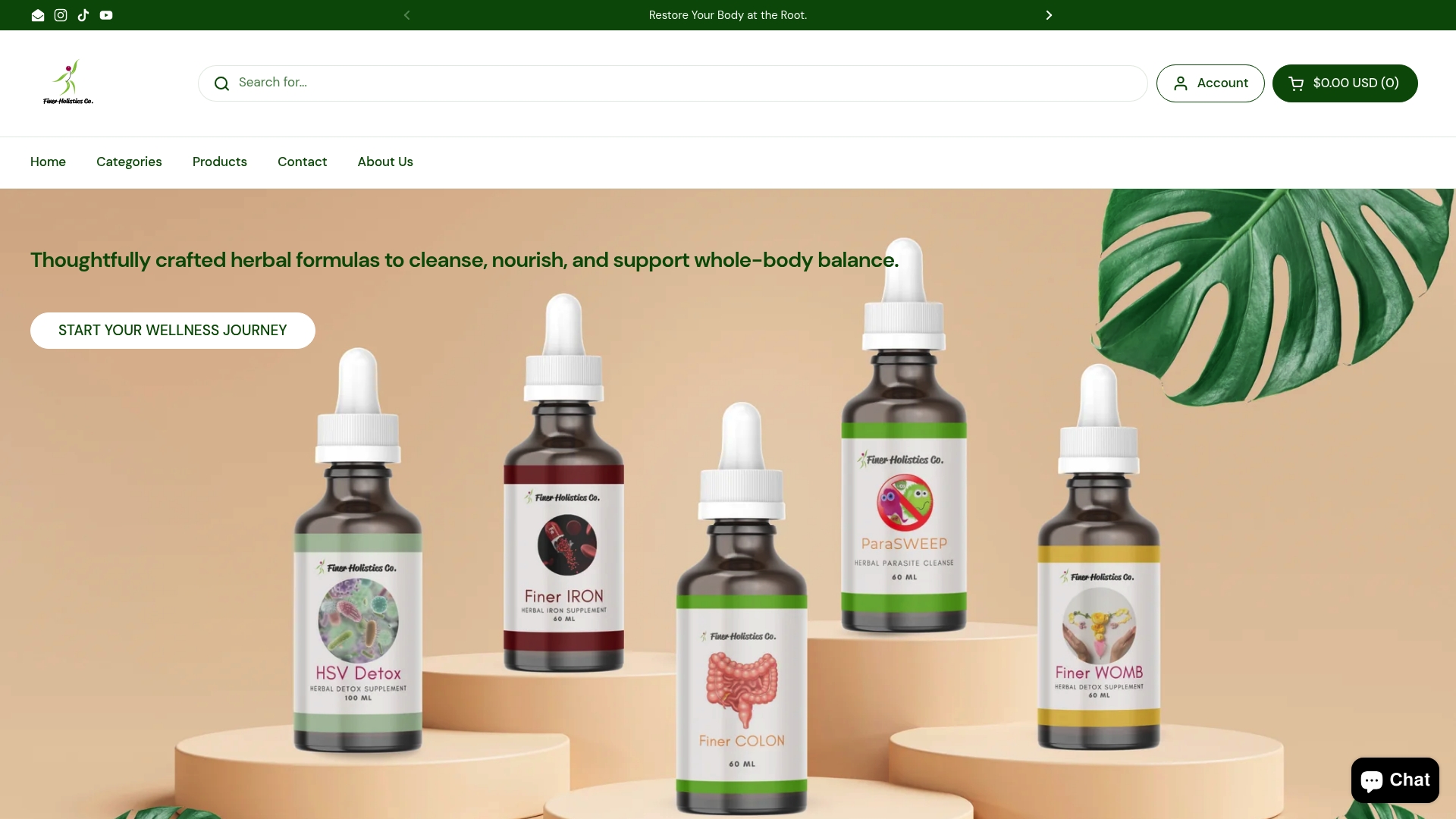
Our herbal detox remedies are designed to work with your body, not against it. Whether you're looking to support liver function, improve digestion, or simply feel more balanced day to day, we have blends built for that. Our digestion support tea is a great starting point for anyone whose gut needs a little extra care. Explore our full collection and find the natural support that fits your wellness goals.
Frequently asked questions
What foods are allowed on a typical cleansing diet?
Most cleansing diets allow fruits, vegetables, water, herbal teas, and sometimes whole grains or plant proteins. Processed foods, alcohol, and refined sugar are almost always excluded.
Can a cleanse really remove toxins from my body?
Current research finds little evidence that cleanse diets remove toxins. Your liver and kidneys already handle detoxification continuously and effectively in healthy individuals.
Are short cleanses safe for healthy adults?
Most short, whole-food-based cleanses are safe for healthy adults. Extended or extreme cleanses, especially juice-only plans, can lead to nutrient deficiencies and dehydration and should be approached with caution.
Who should not do a cleansing diet?
People with chronic diseases, pregnant or nursing women, those with disordered eating, and anyone undergoing cancer treatment should avoid cleanses. Always consult a healthcare provider before starting any restricted eating plan.