
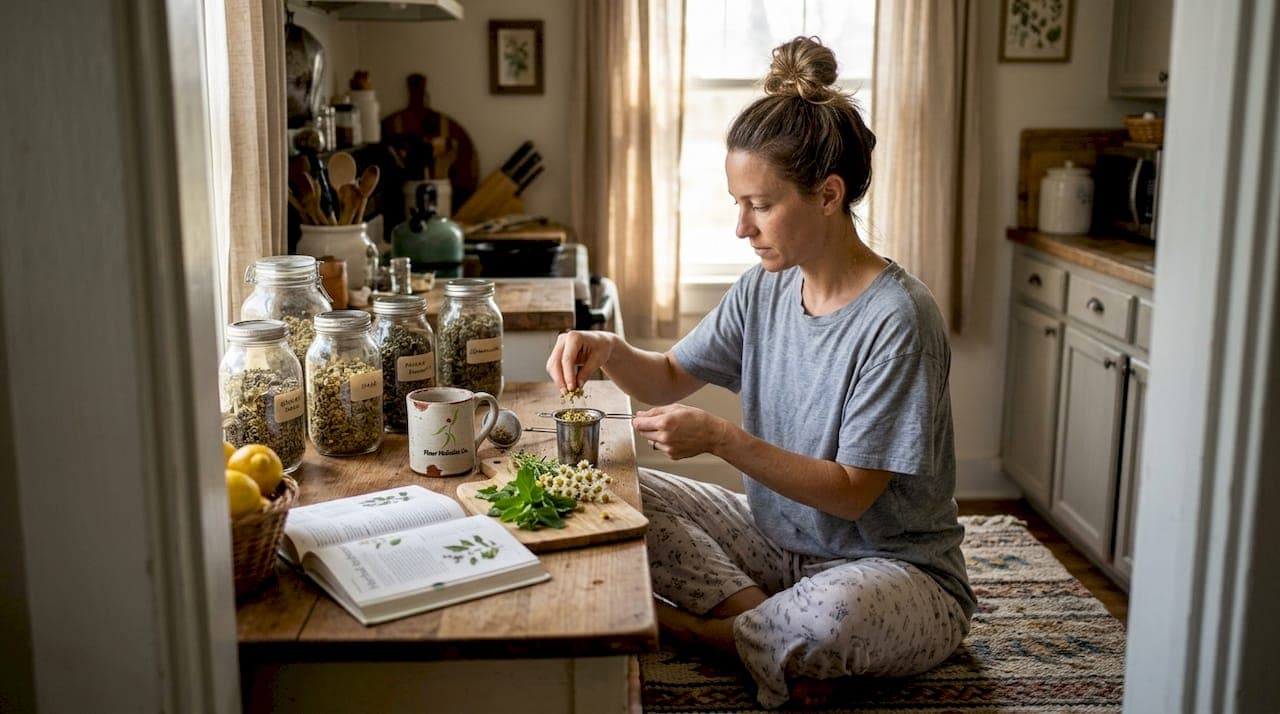
Many people assume herbal wellness is just drinking teas or following old remedies without scientific backing. In reality, it's a holistic approach that integrates traditional plant wisdom with modern health awareness. Herbal wellness uses plants, herbs, and natural remedies to support your body's healing processes, prevent illness, and enhance overall vitality. Rooted in systems like Traditional Chinese Medicine and Ayurveda, this practice addresses mind, body, and lifestyle as interconnected elements. This guide explores what herbal wellness truly means, how it works, and how you can safely incorporate it into your daily routine for natural well-being.
Table of Contents
- Understanding herbal wellness: roots and holistic philosophy
- Methods and preparations in herbal wellness practices
- Safety considerations and nuanced use of herbal wellness
- Contrasting perspectives and effective application of herbal wellness
- Explore herbal wellness products for natural health support
Key takeaways
| Point | Details |
|---|---|
| Holistic health approach | Herbal wellness uses plants to support healing, prevention, and balance across mind, body, and lifestyle. |
| Multiple preparation methods | Remedies include decoctions, infusions, tinctures, oils, and teas, each suited to different herbs and health goals. |
| Personalized and supervised use | Individual assessment of constitution and lifestyle is essential, especially for vulnerable groups and those on medications. |
| Complementary to conventional care | Best used for prevention and chronic wellness support alongside, not replacing, conventional medical treatment. |
| Safety and quality matter | Sourcing from trusted suppliers and consulting healthcare providers minimizes risks like interactions and contamination. |
Understanding herbal wellness: roots and holistic philosophy
Herbal wellness is a holistic approach to health using plants, herbs, and natural remedies to support the body's healing, prevent illness, and enhance overall well-being. Unlike simply taking supplements or drinking herbal tea occasionally, it's a comprehensive philosophy that views health as an interconnected system. Traditional medicine systems like Traditional Chinese Medicine and Ayurveda have shaped this approach for thousands of years, emphasizing balance, prevention, and treating root causes rather than just symptoms.
Herbal wellness supports your body's natural ability to heal and maintain equilibrium. It addresses physical symptoms while considering emotional well-being, stress levels, diet, and lifestyle habits. This holistic viewpoint recognizes that a headache might stem from stress, poor sleep, or digestive issues, not just a need for pain relief. By identifying underlying imbalances, herbal remedies work to restore harmony across multiple body systems simultaneously.
Common misconceptions paint herbal wellness as unscientific or outdated. However, modern herbalists combine traditional knowledge with contemporary understanding of plant chemistry and physiology. Many conventional medications derive from plant compounds, validating the therapeutic potential of herbs. The difference lies in using whole plants or extracts that retain multiple active constituents, which often work synergistically.
A herbal remedy guide for beginners can help you understand how specific herbs address different health concerns. Herbal wellness isn't about rejecting modern medicine but rather integrating natural approaches where appropriate. It empowers you to take an active role in your health through informed choices about prevention, nutrition, and gentle therapeutic interventions.
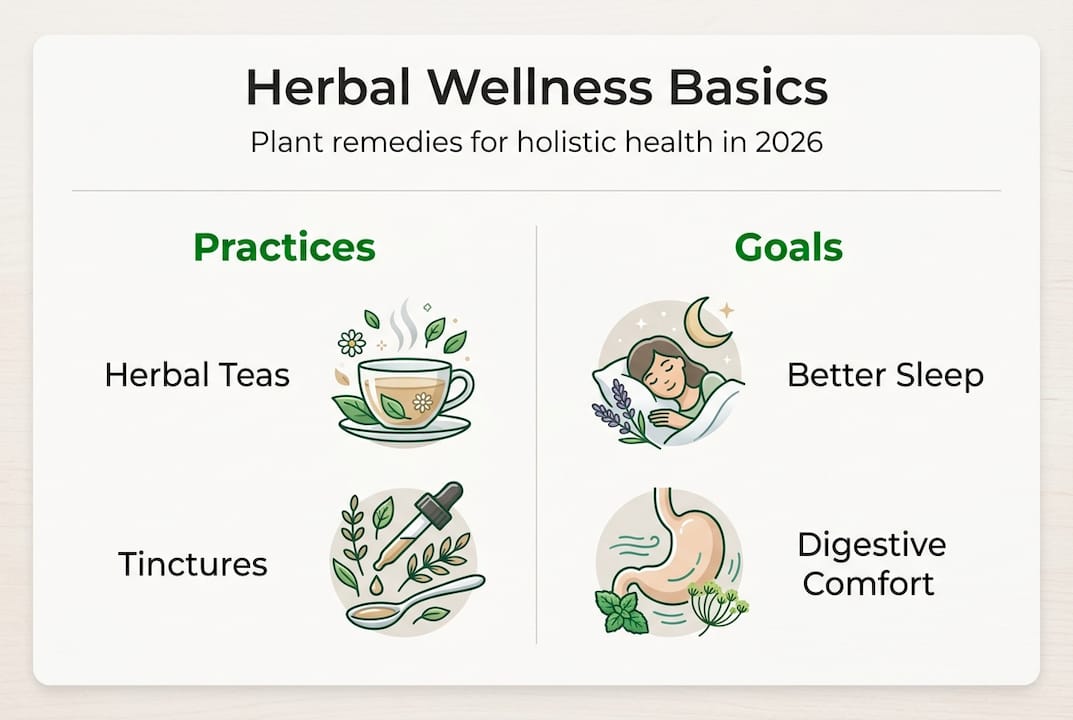
Pro Tip: Start your herbal wellness journey by identifying one specific health goal, like better sleep or digestive comfort, then research herbs traditionally used for that purpose before experimenting with preparations.
Methods and preparations in herbal wellness practices
Herbal remedies come in various forms, each designed to extract and deliver specific plant compounds effectively. Understanding preparation methods helps you choose the right approach for different herbs and health goals. Methodologies include decoctions, infusions, tinctures, teas, oils, and personalized protocols integrating diet, stress management, and lifestyle adjustments.
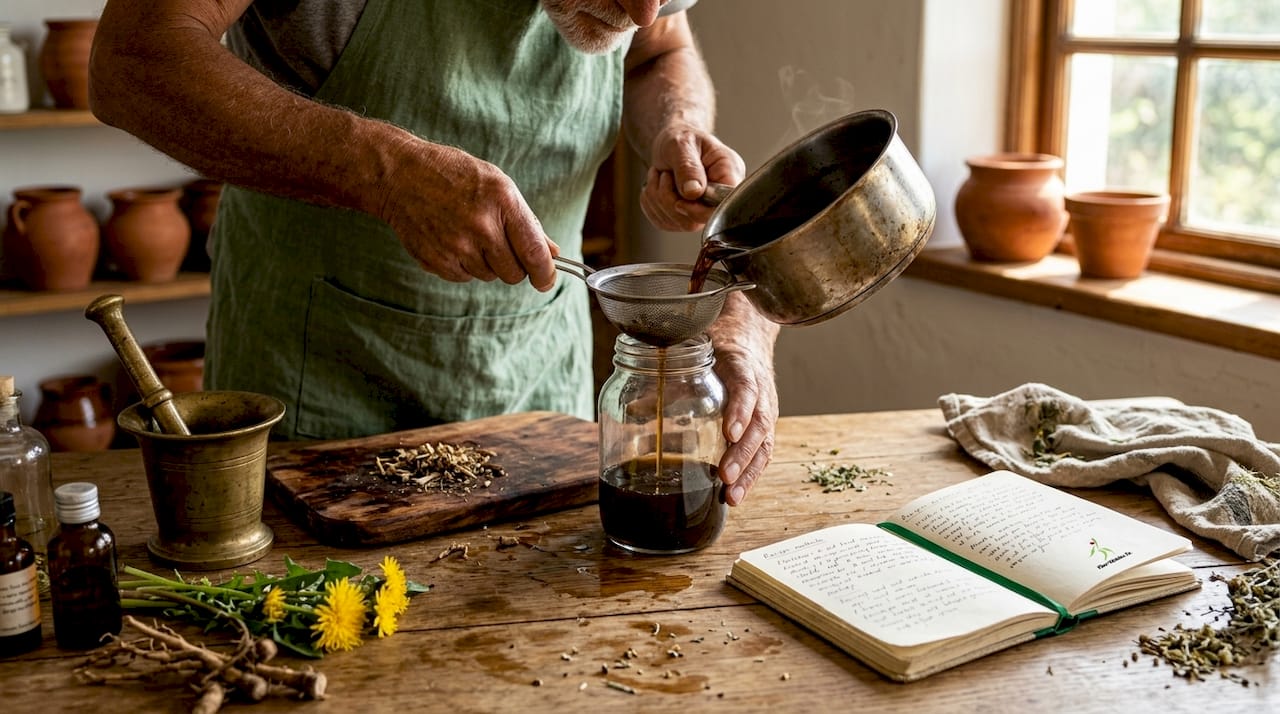
Decoctions and infusions represent the two primary water-based extraction methods. Decoctions involve boiling tougher plant parts like roots, barks, and seeds for 20 to 45 minutes to release their medicinal compounds. This extended heat exposure breaks down dense cellular structures. Infusions, by contrast, steep delicate parts like leaves, flowers, and soft stems in hot water for 10 to 20 minutes, preserving volatile oils and heat-sensitive constituents that would evaporate during boiling.
Other preparation forms offer different advantages:
- Tinctures use alcohol or glycerin to extract compounds, creating concentrated liquid remedies with long shelf lives
- Herbal oils infuse plant material in carrier oils for topical applications or internal use
- Teas provide gentle, daily support through simple hot water steeping
- Capsules and powders offer convenience for those who dislike taste
- Poultices and compresses apply herbs directly to affected areas externally
| Preparation Type | Method | Best For | Typical Duration |
|---|---|---|---|
| Decoction | Boiling in water | Roots, barks, seeds | 20-45 minutes |
| Infusion | Steeping in hot water | Leaves, flowers, soft stems | 10-20 minutes |
| Tincture | Alcohol/glycerin extraction | Concentrated doses, long storage | 2-6 weeks preparation |
| Herbal oil | Infusion in carrier oil | Topical use, massage | 2-4 weeks preparation |
Personalized protocols combine specific herbs with dietary adjustments, stress reduction techniques, and lifestyle modifications tailored to your constitution and health patterns. A herbal wellness routine might include morning adaptogenic tea, midday digestive bitters, and evening relaxation herbs alongside sleep hygiene practices and anti-inflammatory foods. This integrated approach addresses health from multiple angles simultaneously.
Pro Tip: Match your preparation method to the plant part and desired effect; tough roots need decoctions for full extraction, while delicate flowers preserve their benefits through gentle infusions.
Safety considerations and nuanced use of herbal wellness
Herbal wellness requires thoughtful, individualized assessment of your constitution, lifestyle, current health conditions, and medications. What works wonderfully for one person might be ineffective or even harmful for another due to differences in body chemistry, genetics, and existing imbalances. This personalization distinguishes responsible herbal practice from generic supplement use.
Herbal remedies aren't suitable as sole treatments for acute or serious medical conditions. While they excel at supporting chronic wellness, prevention, and mild complaints, emergencies like severe infections, heart attacks, or traumatic injuries require immediate conventional medical intervention. Quality also varies significantly between products due to lack of standardization and regulation in many markets, affecting both safety and effectiveness.
Vulnerable populations require extra caution:
- Pregnant and breastfeeding individuals should avoid most herbs unless specifically approved by healthcare providers
- Elderly people may experience altered metabolism and increased sensitivity to herbal compounds
- Children need age-appropriate dosing and herb selection, as their developing systems respond differently
- People scheduled for surgery must discontinue certain herbs that affect bleeding or anesthesia
- Those with liver or kidney disease face higher risks from herbs metabolized by these organs
Drug interactions pose significant risks, including contraceptive failure with St. John's Wort, increased bleeding with anticoagulants and ginkgo, and altered antidepressant effects with various herbs. Hepatotoxicity, gastrointestinal distress, allergic reactions, and contamination with heavy metals or pesticides represent additional concerns. The lack of regulatory oversight means you must research products and suppliers carefully.
Pro Tip: Always inform your healthcare providers about all herbs and supplements you're taking, especially before starting new medications or undergoing medical procedures, to prevent dangerous interactions.
Contrasting perspectives and effective application of herbal wellness
The herbal wellness field generates diverse opinions ranging from enthusiastic advocacy to skeptical dismissal. Supporters emphasize the holistic and natural approach with potentially fewer side effects compared to pharmaceutical interventions. Critics point to limited clinical evidence, lack of standardization, and inconsistent quality control. The truth lies between these extremes, with herbal wellness serving as a valuable complementary approach rather than a complete replacement for conventional medicine.
Research supports herbal wellness primarily for prevention and chronic conditions rather than acute illnesses. Studies show effectiveness for supporting digestive health, managing mild anxiety, boosting immune function, and addressing inflammatory conditions when used consistently over time. Safety profiles are generally good under professional supervision, though 20 to 30 percent of users report adverse effects, mostly mild gastrointestinal symptoms or allergic reactions.
| Aspect | Benefits | Limitations |
|---|---|---|
| Evidence base | Traditional use spanning millennia, growing research | Limited large-scale clinical trials, standardization challenges |
| Safety profile | Generally well-tolerated, fewer severe side effects | Interaction risks, quality variability, contamination potential |
| Application scope | Excellent for prevention, chronic wellness support | Less effective for acute conditions, emergencies |
| Cost and access | Often affordable, widely available | Quality products may be expensive, expertise needed |
| Integration | Complements conventional care effectively | Should not replace necessary medical treatment |
Best practices for integrating herbal wellness into your routine include:
- Start with one or two well-researched herbs addressing specific health goals
- Source products from reputable suppliers with third-party testing and quality certifications
- Begin with conservative doses and monitor your body's responses carefully
- Maintain consistent use for at least four to six weeks before evaluating effectiveness
- Keep detailed records of herbs taken, dosages, and observed effects
- Consult qualified herbalists or integrative healthcare providers for personalized guidance
- Combine herbal support with foundational health practices like nutrition, sleep, and stress management
- Stay informed about potential interactions with medications and health conditions
Herbal wellness works best as part of a comprehensive health strategy. It shines in supporting your body's natural resilience, addressing mild imbalances before they become serious problems, and enhancing overall vitality. When you approach it with realistic expectations, proper education, and professional guidance, herbal wellness becomes a powerful tool for taking charge of your health naturally.
Explore herbal wellness products for natural health support
Now that you understand the foundations of herbal wellness, you might be ready to experience quality herbal remedies designed with these principles in mind. Finer Holistics offers handcrafted herbal teas, tinctures, and detox blends formulated by a holistic herbalist to support your body's natural healing abilities.
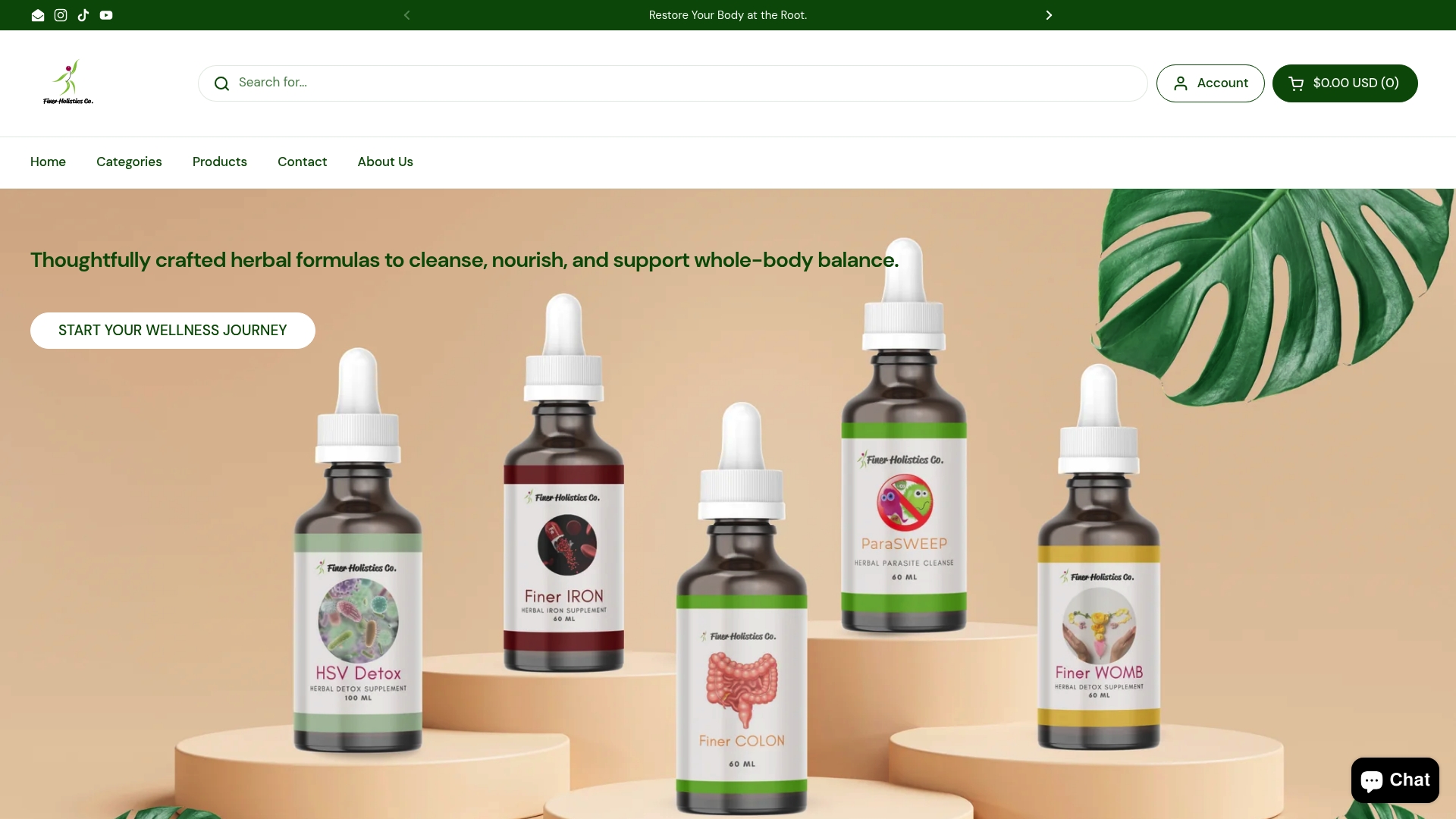
Our herbal digestion support tea combines traditional herbs known for soothing digestive discomfort and promoting gut health. For respiratory wellness, the herbal lung detox tincture uses carefully selected plants to support clear breathing and lung function. Explore our full range of herbal detox remedies to find natural solutions aligned with your wellness goals. Each product reflects our commitment to quality sourcing, traditional wisdom, and helping you reconnect with the healing power of plants.
What is herbal wellness? Common questions answered
What exactly does herbal wellness mean?
Herbal wellness is a holistic health approach using plants, herbs, and natural remedies to support your body's healing processes, prevent illness, and enhance overall vitality. It draws from traditional medicine systems while incorporating modern understanding of plant compounds and their effects on human health.
Can herbal wellness replace my medications?
Herbal wellness should complement, not replace, prescribed medications or necessary medical treatment. Always consult your healthcare provider before making changes to medication regimens, as some herbs interact with pharmaceuticals and may alter their effectiveness or cause adverse reactions.
How long does it take to see results from herbal wellness practices?
Most herbal remedies require consistent use for four to six weeks before noticeable effects appear, especially for chronic conditions or prevention. Acute symptoms might respond faster, but herbal wellness works best as a long-term strategy supporting gradual, sustainable health improvements.
Are herbal remedies safe for everyone?
Herbal remedies aren't universally safe; pregnant and breastfeeding individuals, children, elderly people, and those with liver or kidney conditions need extra caution. Drug interactions, allergies, and quality variability also pose risks, making professional guidance and careful sourcing essential for safe use.
What's the difference between herbal wellness and taking supplements?
Herbal wellness encompasses a holistic philosophy addressing diet, lifestyle, and emotional well-being alongside plant remedies, while supplements typically focus on isolated nutrients or compounds. Herbal approaches use whole plants or extracts with multiple constituents working synergistically rather than single-ingredient formulations.
How do I choose quality herbal products?
Select products from reputable suppliers offering third-party testing, clear ingredient sourcing, and transparent manufacturing practices. Look for organic certification, proper labeling with Latin names and dosage information, and companies with herbalist expertise rather than just marketing claims.