
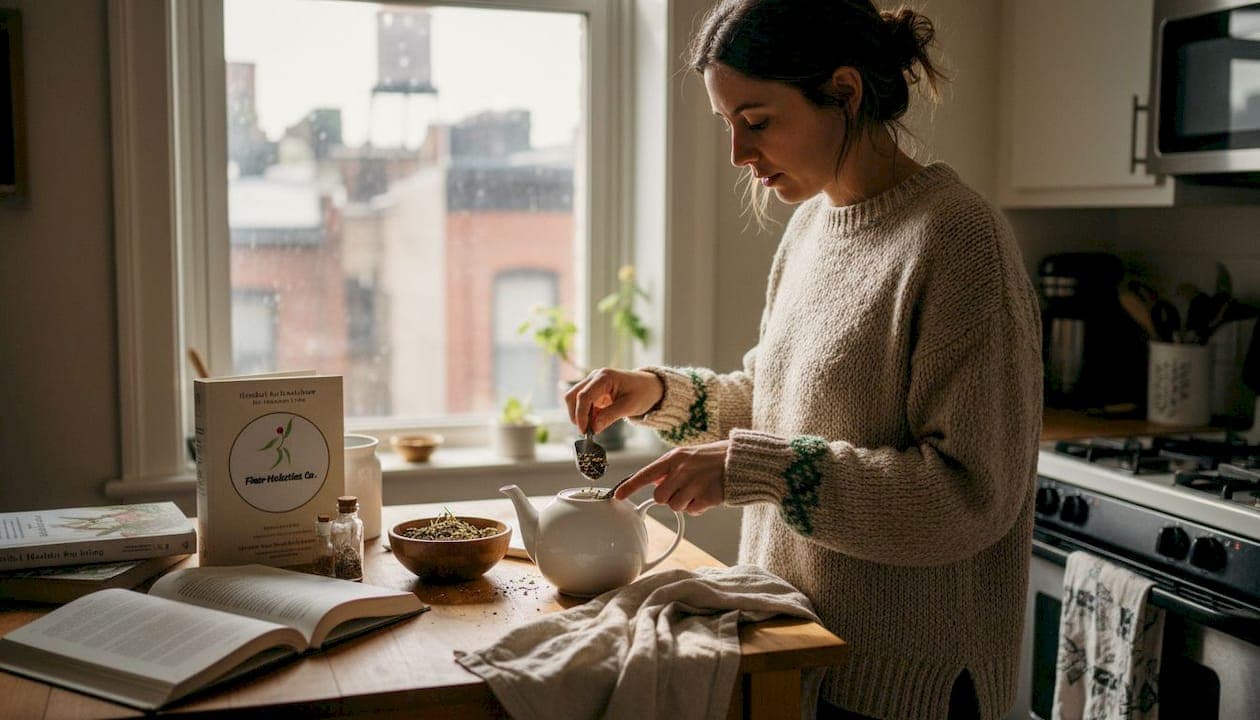
Choosing the right herbal remedy can feel overwhelming when you're faced with countless options promising natural health benefits. Whether you're seeking digestive support, immune enhancement, or full-body detoxification, understanding the distinct types of herbal remedies available helps you make informed decisions aligned with your wellness goals. This guide explores the key differences between herbal teas, tinctures, and detox products, providing practical criteria to match each remedy type with your unique health needs and lifestyle preferences.
Table of Contents
- Key Takeaways
- How to choose the right herbal remedy for your wellness goals
- Common types of herbal remedies: teas, tinctures, and detox products
- Comparing herbal remedies: benefits, preparation, and use cases
- Choosing the best herbal remedy for your lifestyle and health needs
- Discover effective herbal remedies with Finer Holistics
- Frequently asked questions
Key Takeaways
| Point | Details |
|---|---|
| Remedy type differences | The guide explains how teas tinctures and detox products differ in preparation, onset, and best uses. |
| Preparation effects | Preparation methods change potency and delivery from mild teas to fast absorbing tinctures. |
| Match goals to remedies | Your health objectives decide whether to use teas for digestion, tinctures for immune support, or detox products for cleansing. |
| Practical use factors | Portability, dosing precision, and timing requirements influence which format you choose. |
| Absorption speed matters | Tea compounds absorb slowly over 30 to 60 minutes while tinctures act within 15 to 30 minutes. |
How to choose the right herbal remedy for your wellness goals
Choosing herbal remedies starts with understanding how preparation methods affect potency and delivery. Teas provide mild, water-soluble compounds ideal for gradual wellness support, while tinctures concentrate active constituents through alcohol or glycerin extraction for faster absorption. Your specific health objectives should drive this selection process.
Matching remedy type to wellness goals creates better outcomes. If you're targeting digestive comfort, gentle herbal teas consumed with meals support ongoing gut health. For acute immune challenges requiring rapid response, concentrated tinctures deliver higher doses of protective compounds directly into your bloodstream. Detoxification goals benefit from specialized cleansing formulations designed to support liver, kidney, and elimination pathways.
Consider practical factors that affect consistent use. Teas require brewing time and hot water access, making them less portable but excellent for home routines. Tinctures offer precise dosing through dropper bottles you can carry anywhere, perfect for busy schedules. Detox products often involve specific timing protocols that work best when you can commit to a structured cleansing period.
Evaluate absorption speed based on your situation. Water-based tea compounds absorb gradually over 30 to 60 minutes, providing sustained gentle effects. Alcohol-based tinctures enter your system within 15 to 30 minutes, offering quicker relief. Understanding these timing differences helps you select remedies that fit urgent needs versus long-term maintenance.
Pro Tip: Start with lower potency options like teas to assess your body's response before moving to concentrated tinctures, especially when trying new herbs.
Personal preferences matter significantly for adherence. Some people enjoy the ritual of brewing and sipping warm tea, finding it meditative and comforting. Others prefer the efficiency of tincture drops added to water or taken directly. Your likelihood of maintaining consistent use increases when the remedy format aligns with habits you naturally enjoy.
Account for taste sensitivity when choosing formats. Teas can be blended with complementary herbs and natural sweeteners to improve palatability. Tinctures concentrate both beneficial compounds and strong flavors, which some find challenging. Capsulated herbal powders offer a taste-free alternative, though they lack the traditional remedy experience many seek.
Common types of herbal remedies: teas, tinctures, and detox products
Herbal teas, tinctures, and detox formulations each serve distinct wellness purposes through different preparation and administration methods. Understanding these core differences helps you select the most appropriate remedy for your situation.
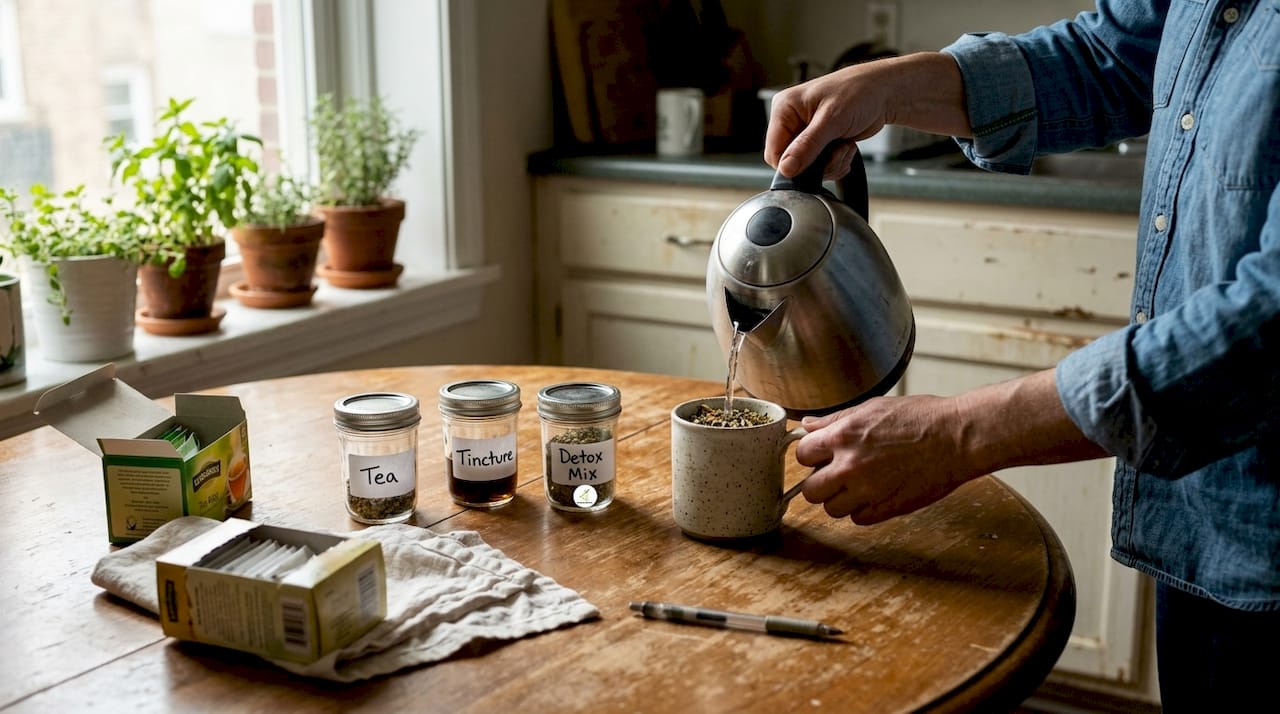
Herbal teas represent the most accessible entry point into plant-based wellness. These simple infusions steep dried or fresh herbs in hot water, releasing water-soluble vitamins, minerals, and gentle phytochemicals. Teas work beautifully for daily wellness maintenance, providing hydration alongside therapeutic benefits. Common applications include digestive support after meals, calming evening rituals, and immune-supporting morning beverages.
You can prepare herbal teas through several methods:
- Infusion: Steeping delicate leaves and flowers in just-boiled water for 5 to 10 minutes
- Decoction: Simmering tough roots and barks in water for 20 to 30 minutes to extract deeper compounds
- Cold infusion: Soaking herbs in room temperature water overnight for heat-sensitive constituents
Tinctures offer concentrated herbal medicine in liquid form, created by macerating plant material in alcohol, glycerin, or vinegar for several weeks. This extraction process pulls both water-soluble and alcohol-soluble compounds, creating potent preparations that deliver higher doses in smaller volumes. Alcohol-based tinctures provide the strongest extraction and longest shelf life, while glycerin versions suit those avoiding alcohol.
The concentrated nature of tinctures makes them ideal for:
- Acute conditions requiring quick, potent intervention
- Situations where carrying bulky tea supplies isn't practical
- Precise dosing control through measured drops
- Long-term storage without refrigeration
Detox products combine specific herbs known for supporting elimination organs and pathways. These specialized blends target liver function, kidney filtration, lymphatic drainage, and colon cleansing. Detox formulations typically come as teas, capsules, or liquid extracts designed for short-term intensive use rather than daily maintenance.
Detoxification protocols serve several purposes. They help your body process accumulated environmental toxins, support natural cleansing after dietary indulgences, and reset digestive function following illness or medication use. Proper timing matters with detox products, as they work best when you can rest adequately and maintain clean eating habits during the cleansing period.
Each remedy type requires different preparation knowledge. Teas demand attention to water temperature and steeping duration to avoid destroying delicate compounds or creating bitter flavors. Tinctures need proper dilution in water or juice and careful drop counting for accurate dosing. Detox products often include specific instructions about timing relative to meals and other supplements.
Comparing herbal remedies: benefits, preparation, and use cases
Understanding remedy differences through direct comparison reveals which option suits your specific circumstances best.
| Remedy Type | Preparation Time | Typical Dosage | Key Benefits | Onset Time | Best Use Cases |
|---|---|---|---|---|---|
| Herbal Teas | 5-30 minutes | 1-3 cups daily | Gentle, hydrating, ritual-building | 30-60 minutes | Daily wellness, digestive support, relaxation |
| Tinctures | Instant (pre-made) | 20-60 drops, 1-3 times daily | Concentrated, portable, fast-acting | 15-30 minutes | Acute symptoms, travel, precise dosing |
| Detox Products | Varies by format | Protocol-specific | Targeted cleansing, organ support | Hours to days | Seasonal cleansing, post-indulgence reset |
Herbal teas excel when you want to nourish your body through gentle daily practices. The act of brewing and sipping creates mindful moments that reduce stress while delivering therapeutic compounds. Teas work particularly well for digestive herbs like peppermint, ginger, and fennel, which benefit from warm liquid delivery. The hydration component adds value beyond the herbs themselves, supporting kidney function and cellular processes.
Tinctures shine in situations demanding potency and convenience. When you're fighting off a cold, immune-supporting tinctures like elderberry or echinacea deliver concentrated doses that tea simply can't match. The alcohol extraction captures compounds that water alone misses, including important resins and alkaloids. Dropper bottles slip easily into purses or pockets, ensuring you never miss a dose during busy days.
Detox products specialize in intensive cleansing that goes beyond daily maintenance. Targeted formulations combine herbs like milk thistle for liver support, dandelion for kidney function, and cascara sagrada for colon cleansing. These products require careful use, as overuse can stress elimination organs or cause uncomfortable symptoms. Most practitioners recommend seasonal detox protocols lasting one to three weeks rather than continuous use.
Pro Tip: Begin your herbal journey with teas to learn how your body responds to different plants, then graduate to tinctures when you need stronger support for specific conditions, and reserve detox products for intentional cleansing periods under guidance.
Consider absorption differences when timing matters. Tinctures taken under the tongue allow some compounds to absorb directly through mucous membranes, bypassing initial digestion for faster effects. Teas must travel through your entire digestive system, which slows onset but provides sustained gentle action. This makes teas better for overnight support, while tinctures suit daytime acute needs.
Cost per dose varies significantly between formats. Dried herbs for tea typically offer the most economical option, especially when purchased in bulk. Tinctures cost more upfront but require smaller doses, potentially balancing out over time. Detox kits often represent the highest per-day expense but only for limited duration protocols.
Choosing the best herbal remedy for your lifestyle and health needs
Matching remedy type to individual circumstances creates sustainable wellness practices you'll actually maintain long-term.
Your daily schedule significantly impacts which remedy format works best. Morning routines with time for tea brewing support consistent use of gentler preparations. If you rush out the door most days, keeping tincture bottles at your desk or in your bag ensures you don't skip doses. Parents managing children's schedules often find teas work well for shared family wellness moments, while tinctures suit individual targeted support.
Health conditions requiring different intervention speeds need appropriate remedy selection. Chronic digestive issues benefit from the sustained gentle support of daily herbal teas consumed with meals. Acute respiratory infections respond better to concentrated antimicrobial tinctures that deliver potent compounds quickly. Seasonal allergies may improve with preventive tea consumption weeks before pollen season, supplemented by tincture rescue doses during high-exposure days.
Follow these practical steps to trial remedies safely:
- Research herb safety profiles and contraindications for your specific health conditions
- Start with single-herb preparations to identify individual effects before trying complex blends
- Begin with minimum recommended doses and gradually increase if needed
- Track symptoms and responses in a wellness journal to identify patterns
- Allow two to four weeks for subtle herbs to demonstrate effects before judging efficacy
- Consult healthcare providers when combining herbal remedies with prescription medications
Consistency determines herbal remedy success more than any other factor. Your body needs regular exposure to plant compounds to build therapeutic levels and create lasting change. Setting phone reminders for tincture doses or establishing tea rituals tied to existing habits like breakfast or bedtime improves adherence dramatically.
Personal taste preferences shouldn't be ignored in pursuit of health benefits. If you genuinely dislike a remedy's flavor, you'll eventually stop taking it regardless of its therapeutic value. Experiment with different preparation methods, try various herb combinations, or switch to capsule formats when taste becomes a genuine barrier. Immune support options come in multiple formats precisely because individual preferences vary so widely.
Consider preparation skill and comfort level. Some people enjoy the herbalist experience of measuring, blending, and brewing custom tea formulations. Others prefer the simplicity of pre-made tinctures or tea bags requiring minimal effort. Neither approach is superior, what matters is finding the complexity level that feels manageable rather than burdensome in your current life situation.
Budget constraints affect long-term sustainability. Calculate cost per day for different remedy formats rather than just comparing bottle prices. A $30 tincture lasting six weeks may cost less daily than $15 tea bags lasting two weeks. Buying dried herbs in bulk and preparing your own teas or tinctures can dramatically reduce expenses if you have time and interest in DIY approaches.
Discover effective herbal remedies with Finer Holistics
Now that you understand how to select herbal remedies aligned with your wellness goals, finding quality products becomes your next step. Finer Holistics offers carefully crafted herbal solutions designed to support your natural health journey through trusted, effective formulations.
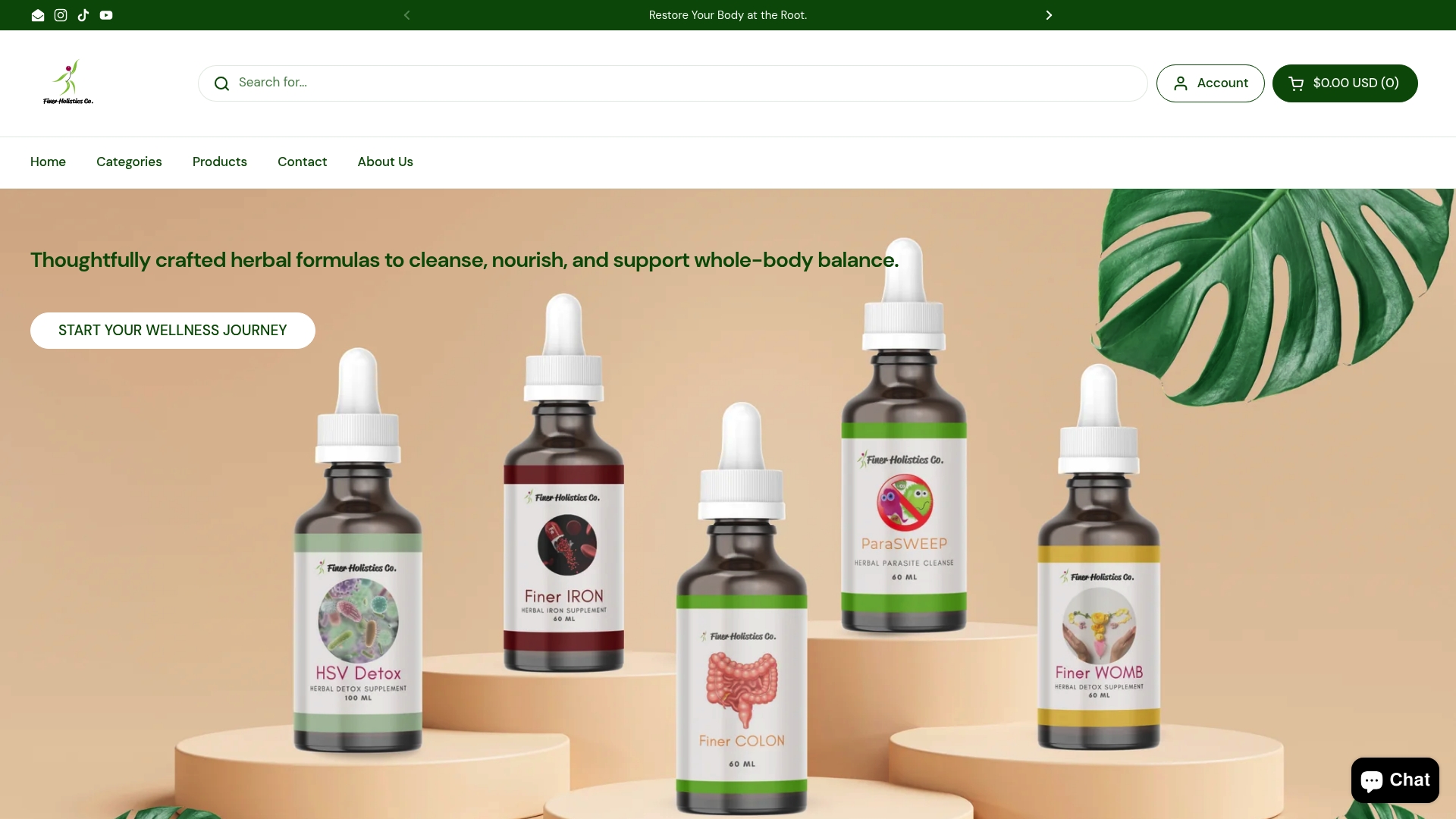
Our digestive comfort tea combines traditional herbs that ease bloating, support healthy gut function, and promote comfortable digestion after meals. For those seeking intensive cleansing support, our detox collection provides targeted formulations for liver, kidney, and full-body purification protocols. When respiratory health needs attention, lung detox tinctures deliver concentrated herbal compounds that support clear breathing and healthy lung tissue.
Each Finer Holistics product reflects our commitment to quality ingredients, traditional herbal wisdom, and practical wellness solutions that fit real lives. Whether you're starting your herbal journey with gentle teas or seeking potent tinctures for specific health challenges, our range provides options matched to your current needs and future wellness goals.
Frequently asked questions
What are the safest ways to use herbal tinctures?
Use tinctures exactly as directed on product labels, starting with minimum recommended doses to assess your individual response. Always dilute tinctures in water or juice rather than taking them straight, as concentrated alcohol can irritate mouth and throat tissues. Monitor for any allergic reactions like rash, itching, or digestive upset during your first week of use. Consult healthcare providers before using tinctures if you're pregnant, nursing, taking prescription medications, or managing chronic health conditions, as herb-drug interactions can occur.
Can herbal teas replace conventional medicine?
Herbal teas support wellness and may ease minor symptoms, but they don't substitute for professional medical diagnosis or treatment of serious conditions. Think of herbal teas as complementary tools that work alongside conventional care rather than replacements for it. Always consult your doctor before using herbal remedies to address significant health concerns, stopping prescribed medications, or managing chronic diseases. Herbal teas shine brightest for prevention, daily wellness maintenance, and supporting your body's natural healing processes under professional guidance.
How often should I do an herbal detox?
Most herbalists recommend seasonal detox protocols, typically two to four times yearly aligned with changing seasons. Excessive detoxing can strain your liver, kidneys, and digestive system rather than supporting them, so avoid continuous or frequent intensive cleanses. The ideal frequency depends on your individual health status, toxic exposure levels, and how your body responds to cleansing herbs. Work with a qualified herbalist or healthcare provider to determine appropriate timing and duration for your specific situation, especially if you have existing health conditions.
What are the benefits of using herbal remedies for immune support?
Herbal remedies can naturally enhance immune system function through compounds that stimulate white blood cell production, reduce inflammation, and provide antimicrobial protection. Regular use of immune-supporting herbs may shorten cold and flu duration, reduce infection frequency, and improve your body's resilience against seasonal illnesses. Herbs like elderberry, echinacea, and astragalus have traditional use histories spanning centuries for protective immune benefits. Explore quality immune support formulations that combine multiple synergistic herbs for comprehensive protection during vulnerable seasons.