
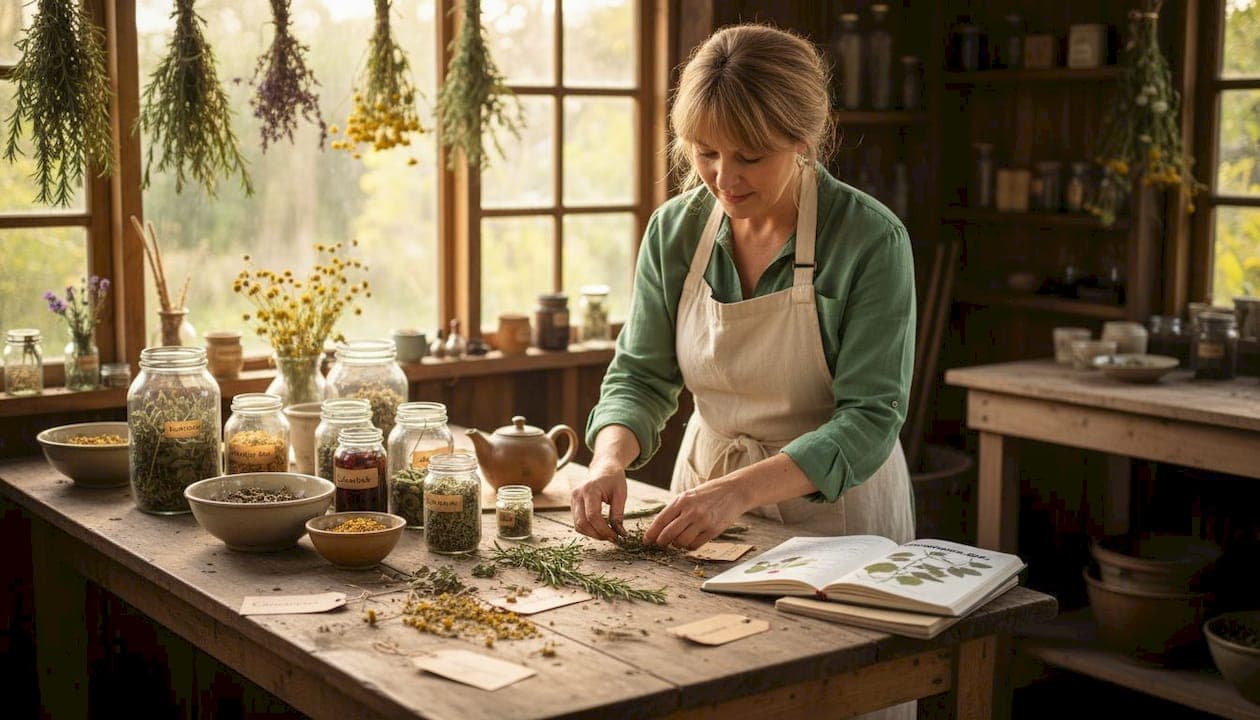
Over 80% of the world's population relies on herbal remedies for healthcare, yet many people remain uncertain about how these plant-based therapies actually work. Herbal medicine combines ancient wisdom with modern science, offering natural pathways to wellness, detoxification, and balanced health. This guide explores the mechanisms behind herbal remedies, their proven benefits for liver support and inflammation reduction, and practical strategies for safely incorporating them into your wellness routine. You'll discover how bioactive compounds interact with your body, which preparation methods maximize potency, and how to navigate risks while harnessing nature's healing power.
Table of Contents
- Understanding herbal medicine: history, definitions, and usage
- How herbal medicine works: bioactive compounds and mechanisms
- Methods of preparation: traditional and modern extraction techniques
- Herbal medicine benefits, risks, and wellness applications
- Discover herbal wellness solutions at Finer Holistics
- What is herbal medicine? Frequently asked questions
Key takeaways
| Point | Details |
|---|---|
| Plant-based healing | Herbal medicine uses therapeutic compounds from leaves, roots, flowers, and bark to support wellness and detoxification. |
| Active compounds | Alkaloids, flavonoids, terpenes, and polyphenols deliver antioxidant, anti-inflammatory, and immune-supporting effects. |
| Preparation matters | Modern extraction techniques like MAE and SFE offer higher potency and purity than traditional methods. |
| Evidence-backed benefits | Clinical studies show herbs like milk thistle and turmeric improve liver enzymes and reduce oxidative stress. |
| Safety first | Herb-drug interactions and potency variations require professional guidance and standardized products. |
Understanding herbal medicine: history, definitions, and usage
Herbal medicine refers to the therapeutic use of plants and plant extracts to prevent, treat, or manage health conditions. This practice encompasses whole plants, isolated compounds, and various preparations designed to harness the healing properties of botanical materials. Unlike synthetic pharmaceuticals, herbal remedies often contain multiple active compounds that work synergistically to support the body's natural healing processes.
The roots of herbal medicine span Ayurveda, TCM, and indigenous practices dating back thousands of years. Ancient civilizations developed sophisticated systems for identifying, preparing, and applying medicinal plants based on empirical observation and cultural transmission. Traditional Chinese Medicine categorized herbs by their energetic properties and effects on organ systems, while Ayurvedic practitioners focused on balancing doshas through plant-based formulations. Indigenous cultures worldwide cultivated deep botanical knowledge, passing down remedies through generations.
Today, herbal medicine remains a cornerstone of global healthcare. The World Health Organization reports that approximately 80% of people worldwide depend on herbal remedies for some aspect of primary care. This widespread use reflects both cultural traditions and practical accessibility, particularly in regions where conventional medicine remains limited or expensive.
Modern herbal preparations take various forms to suit different needs and preferences:
- Teas and infusions for gentle, daily wellness support
- Tinctures and liquid extracts for concentrated therapeutic effects
- Capsules and tablets for standardized dosing
- Topical preparations like salves and oils for external application
- Powders for flexible incorporation into foods and beverages
The plant materials used in these preparations include leaves rich in volatile oils, roots containing concentrated starches and alkaloids, flowers offering delicate aromatic compounds, and bark providing tannins and protective substances. Each plant part contributes unique bioactive molecules that interact with human physiology in specific ways. Understanding these foundations helps you make informed choices when exploring natural wellness options, as detailed in our herbal remedy guide for beginners.
How herbal medicine works: bioactive compounds and mechanisms
The therapeutic power of herbs stems from bioactive compounds like alkaloids, flavonoids, and terpenes that interact with cellular receptors, enzymes, and signaling pathways throughout your body. These molecules evolved as plants' defense mechanisms against pathogens and environmental stressors, and they happen to influence human biochemistry in beneficial ways. Alkaloids like berberine modulate glucose metabolism and gut bacteria, while flavonoids such as quercetin stabilize cell membranes and neutralize free radicals.
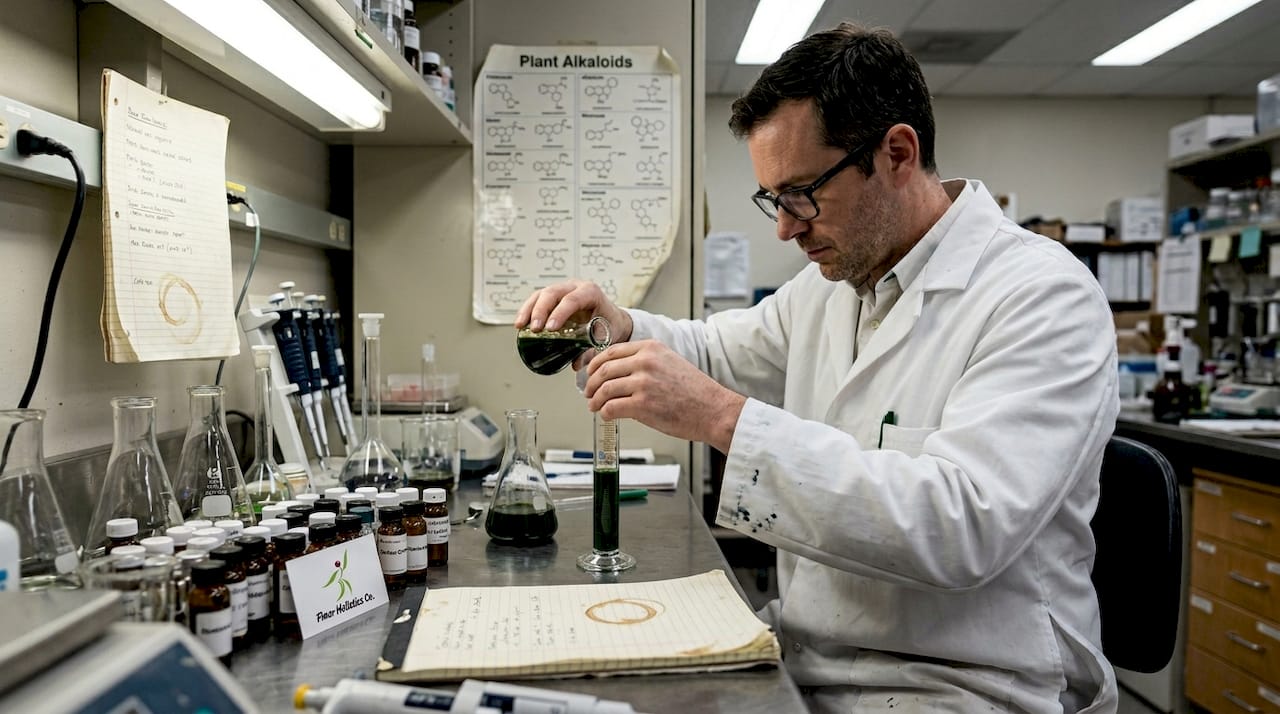
Terpenes contribute aromatic qualities and anti-inflammatory effects, working through multiple pathways simultaneously. Polyphenols from herbs like green tea and turmeric activate antioxidant response elements in your cells, boosting your body's natural defense systems. These compounds don't just mask symptoms; they address underlying imbalances by supporting cellular function and reducing inflammatory cascades.
The concept of secondary metabolites explains why plants produce such diverse therapeutic molecules. Unlike primary metabolites needed for basic growth, secondary metabolites target inflammation, oxidation, and immunity as adaptive responses to environmental challenges. When you consume these compounds, they trigger similar protective responses in your own cells.
Whole plant preparations often outperform isolated compounds due to synergistic effects. Multiple constituents work together, enhancing absorption, reducing side effects, and targeting different aspects of a health condition simultaneously. A single herb might contain dozens of active molecules that collectively produce therapeutic outcomes greater than any individual component.
Key mechanisms through which herbal compounds support wellness include:
- Modulating inflammatory mediators like cytokines and prostaglandins
- Scavenging reactive oxygen species that damage cellular structures
- Supporting phase I and phase II liver detoxification pathways
- Regulating immune cell activity and antibody production
- Influencing neurotransmitter synthesis and receptor sensitivity
Modern research validates many traditional uses while revealing unexpected complexity. Scientists now understand that herbs don't work through single mechanisms but rather influence networks of interconnected biological processes. This systems-level action aligns perfectly with holistic wellness philosophies that view health as dynamic balance rather than absence of disease.
Pro Tip: When selecting herbal supplements, look for products that preserve the full spectrum of plant compounds rather than isolated extracts, as this maintains the synergistic relationships that enhance therapeutic effects. Building a comprehensive herbal wellness routine requires understanding these foundational mechanisms.
Methods of preparation: traditional and modern extraction techniques
The method used to extract therapeutic compounds from plant materials profoundly impacts the potency, purity, and safety of herbal preparations. Traditional techniques developed over centuries provide time-tested approaches, while modern innovations optimize efficiency and consistency. Understanding these differences helps you choose products that deliver maximum benefits.
Traditional preparation methods include:
- Maceration: Soaking plant material in solvent at room temperature for extended periods, typically days to weeks
- Infusion: Pouring hot water over herbs and steeping briefly, ideal for delicate flowers and leaves
- Decoction: Simmering tough plant parts like roots and bark to extract water-soluble compounds
- Percolation: Slowly dripping solvent through packed herb material for continuous extraction
These methods work well for home preparation and small-scale production, but they have limitations. Extraction efficiency varies based on temperature, time, and solvent choice. Some beneficial compounds remain locked in plant cells, while others degrade during prolonged heat exposure.
Modern techniques like MAE, UAE, and SFE revolutionize herbal extraction by applying scientific principles to maximize yield and purity. Microwave-Assisted Extraction (MAE) uses electromagnetic waves to rupture cell walls rapidly, reducing extraction time from hours to minutes. Ultrasound-Assisted Extraction (UAE) employs sound waves to create cavitation bubbles that physically break down plant tissues. Supercritical Fluid Extraction (SFE) uses carbon dioxide under high pressure as a solvent, leaving no chemical residues and preserving heat-sensitive compounds.
Research demonstrates that modern methods deliver higher yield and purity compared to traditional approaches. SFE can extract 95% of target compounds versus 60-70% for maceration, while maintaining the integrity of delicate molecules that provide therapeutic benefits. These advanced techniques also reduce contamination risks and enable standardization, ensuring consistent potency across batches.
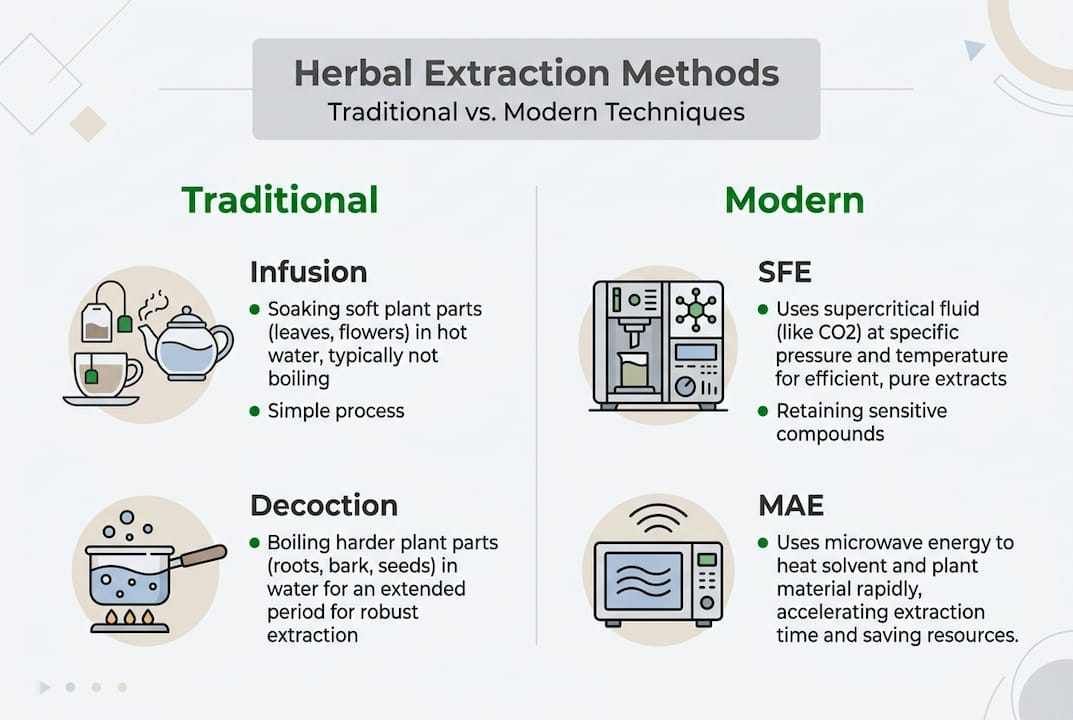
| Method | Efficiency | Time Required | Best For |
|---|---|---|---|
| Traditional Infusion | Moderate | 5-15 minutes | Delicate leaves and flowers for daily wellness teas |
| Traditional Decoction | Moderate | 20-60 minutes | Roots and bark requiring heat extraction |
| Soxhlet Extraction | High | 6-24 hours | Laboratory-scale research and analysis |
| MAE | Very High | 2-10 minutes | Heat-stable compounds needing rapid extraction |
| SFE | Very High | 1-4 hours | Premium products requiring purity and potency |
Pro Tip: Choose standardized extracts when seeking therapeutic effects, as these products guarantee specific concentrations of active compounds, unlike variable whole herb preparations. This consistency matters especially for detoxification support, as explained in our herbal remedy guide.
The preparation method you select should match your wellness goals. Daily maintenance and gentle support work well with traditional teas and infusions, while targeted therapeutic interventions benefit from concentrated modern extracts. Quality manufacturers often combine approaches, using traditional wisdom to select herbs and modern science to optimize extraction.
Herbal medicine benefits, risks, and wellness applications
Clinical evidence increasingly supports herbal medicine's role in wellness and detoxification protocols. Herbs like milk thistle, dandelion, and turmeric support liver detox by enhancing phase II conjugation pathways that neutralize toxins and facilitate their elimination. These botanicals contain compounds that protect hepatocytes from oxidative damage while stimulating bile production and flow, essential processes for removing metabolic waste products.
Systematic reviews reveal compelling therapeutic outcomes. Meta-analyses show improved liver markers including reduced ALT and AST enzymes in patients using specific herbal protocols, indicating decreased liver inflammation and enhanced cellular function. Studies also document benefits for metabolic health, post-surgical recovery, and inflammatory conditions when herbs are used as complementary therapies.
Common wellness applications supported by research include:
- Liver detoxification through enhanced glutathione production and toxin conjugation
- Inflammation reduction via COX-2 and NF-kB pathway modulation
- Antioxidant protection against free radical damage to cells and tissues
- Digestive support through increased enzyme secretion and gut motility
- Immune system modulation for balanced inflammatory responses
These benefits emerge from the complex interactions between phytochemicals and human physiology discussed earlier. Curcumin from turmeric, for example, influences over 700 genes related to inflammation and cellular stress. Silymarin from milk thistle regenerates liver cells while blocking toxin entry through hepatocyte membranes.
However, herbal medicine carries real risks that demand careful consideration. The NHS warns about herb-drug interactions that can amplify or diminish pharmaceutical effects, sometimes dangerously. St. John's wort accelerates the metabolism of numerous medications including anticoagulants, birth control pills, and immunosuppressants, potentially rendering them ineffective. Ginkgo biloba increases bleeding risk when combined with blood thinners.
Potency variability presents another challenge. Unlike standardized pharmaceuticals, herbal products can contain widely varying concentrations of active compounds depending on growing conditions, harvest timing, and processing methods. This inconsistency makes dosing unpredictable without proper standardization and quality testing.
"Herbal medicines are not necessarily safe just because they are natural. Like conventional medicines, herbal medicines will have an effect on the body and can be potentially harmful if not used correctly."
Vulnerable populations require extra caution. Pregnant women should avoid most herbs due to potential effects on fetal development and uterine tone. Children's developing systems may respond unpredictably to herbal compounds. People with chronic conditions or those taking multiple medications need professional guidance to prevent dangerous interactions.
Safe herbal medicine use requires several precautions. Consult qualified healthcare providers, particularly herbalists or integrative medicine practitioners who understand both botanical medicine and conventional treatments. Choose products from reputable manufacturers that conduct third-party testing and provide certificates of analysis. Start with lower doses to assess individual tolerance. Monitor for unexpected symptoms that might indicate adverse reactions.
For those interested in natural detoxification, combining herbal support with lifestyle modifications produces optimal results. Our guides on liver detox natural support and holistic herbal strategies provide comprehensive frameworks for safe, effective cleansing protocols that respect your body's innate wisdom while leveraging botanical medicine's therapeutic potential.
Discover herbal wellness solutions at Finer Holistics
Ready to experience the benefits of evidence-based herbal medicine? Finer Holistics offers carefully crafted botanical remedies designed to support your body's natural healing and detoxification processes. Our herbal digestion support tea combines traditional wisdom with quality ingredients to promote comfortable digestion and nutrient absorption.
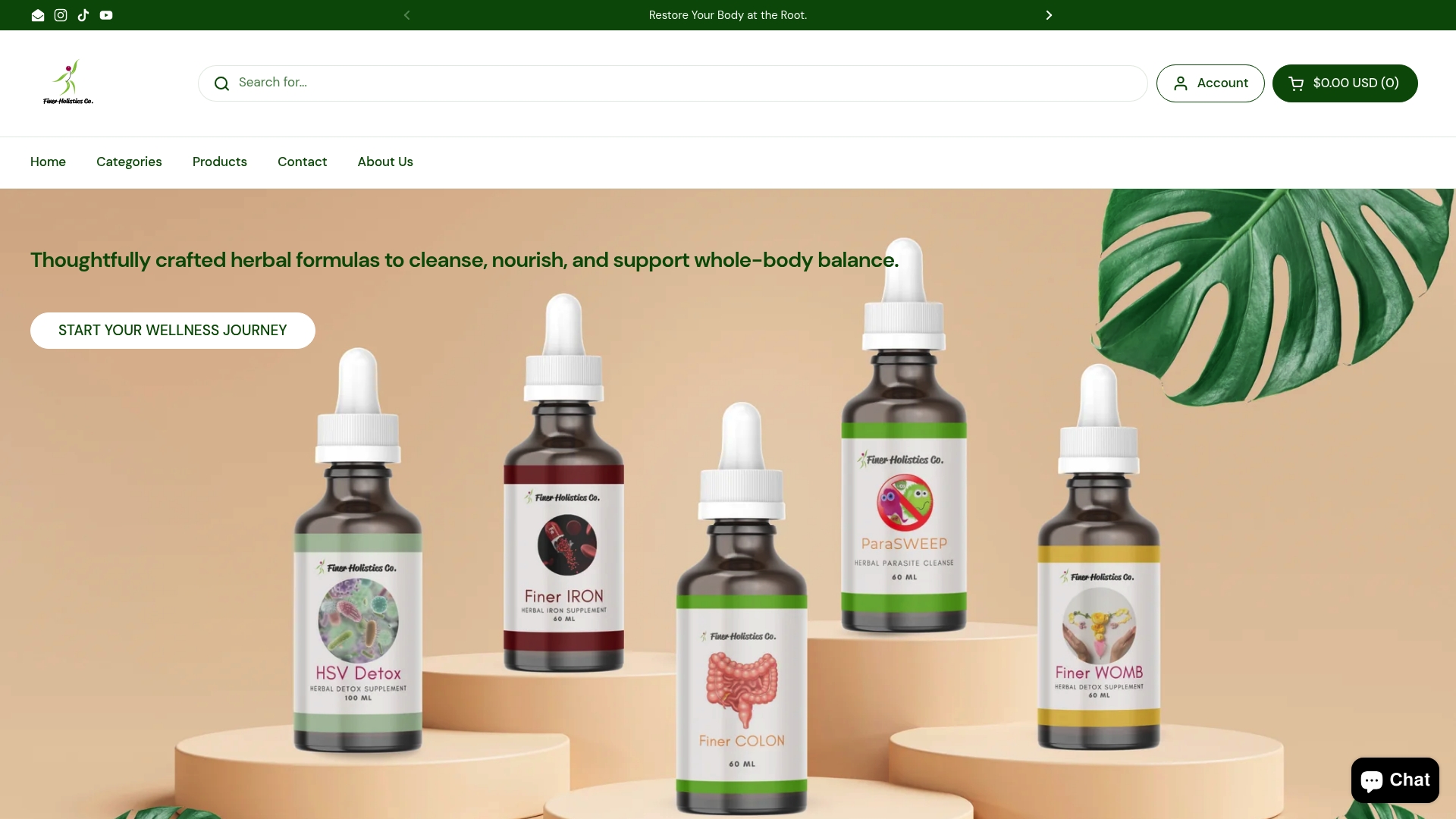
Explore our complete herbal detox remedies collection featuring teas and tinctures formulated by a holistic herbalist to support liver function, reduce inflammation, and enhance overall vitality. Every product at Finer Holistics reflects our commitment to reconnecting you with nature's healing power through pure, potent botanical preparations. Whether you're beginning your herbal wellness journey or deepening an existing practice, our handcrafted remedies provide natural support for balanced, vibrant health.
What is herbal medicine? Frequently asked questions
What types of conditions can herbal medicine help with?
Herbal medicine effectively supports digestive health, liver detoxification, inflammation reduction, immune function, and stress management. Many people use botanical remedies for chronic conditions like metabolic imbalances, mild anxiety, and seasonal wellness challenges. While herbs excel at supporting your body's natural healing processes, they work best as part of comprehensive wellness strategies rather than quick fixes for acute medical emergencies.
How do I ensure the herbal products I use are safe and effective?
Choose products from manufacturers who conduct third-party testing and provide certificates of analysis verifying purity and potency. Look for standardized extracts that guarantee specific concentrations of active compounds, ensuring consistent therapeutic effects. Research the company's sourcing practices, manufacturing standards, and quality control procedures. Our herbal remedy guide offers detailed criteria for evaluating product quality.
Can herbal medicine replace conventional treatments?
Herbal medicine works best as a complementary approach alongside conventional care rather than a complete replacement. While botanicals offer powerful therapeutic effects for many conditions, acute illnesses, surgical needs, and life-threatening situations require conventional medical intervention. Integrative approaches that combine both systems typically produce optimal outcomes, allowing you to benefit from herbal medicine's gentle, systemic support while accessing conventional medicine's targeted interventions when necessary.
Are there risks in combining herbs with prescription medicine?
Yes, significant interaction risks exist when combining herbs with pharmaceuticals. St. John's wort interferes with numerous medications including antidepressants and birth control, while ginkgo biloba increases bleeding risk with anticoagulants. Garlic and ginger can amplify blood-thinning effects, creating dangerous situations during surgery. Always inform your healthcare providers about all herbs you're taking, and consult a qualified herbalist or pharmacist before combining botanical and pharmaceutical therapies.
Which herbs are best for detox and liver support?
Milk thistle, dandelion root, turmeric, and burdock rank among the most researched herbs for liver detoxification and support. Milk thistle's silymarin protects liver cells and enhances regeneration, while dandelion stimulates bile flow for improved toxin elimination. Turmeric reduces hepatic inflammation through curcumin's powerful antioxidant effects. These herbs work synergistically when combined in thoughtfully formulated blends, providing comprehensive support for your body's natural detoxification pathways and overall liver health.