
TL;DR:
- Wellness balance is about harmony across interconnected life areas, not perfection in all at once.
- Prioritizing based on current needs and practicing self-compassion leads to sustainable well-being.
- Effective strategies include daily movement, mindfulness, sleep, and personalized herbal support.
Most people assume that wellness balance means excelling in every area of life simultaneously. Eat perfectly, exercise daily, sleep eight hours, maintain strong friendships, and stay financially secure — all at once. That standard sets you up to feel like a failure before you even begin. True wellness balance means harmony across interconnected dimensions of well-being, not equal effort in every direction at every moment. In this guide, you'll learn what wellness balance actually looks like, how the eight dimensions of wellness work together, what science says about achieving it, and why personalization matters far more than perfection.
Table of Contents
- Defining wellness balance: Beyond perfection
- The eight dimensions of wellness: A holistic framework
- Science-backed strategies for achieving wellness balance
- Personalization and self-compassion: The real secret to balance
- Why the quest for perfect balance sets you back
- Bring holistic balance into your daily routine
- Frequently asked questions
Key Takeaways
| Point | Details |
|---|---|
| Wellness is multidimensional | Balance requires attention to multiple life areas, not perfection in any one. |
| Personalization is key | Your wellness priorities and balance points change as your life evolves. |
| Science supports holistic methods | Mindfulness, social connection, and certain herbs have measurable benefits for stress and well-being. |
| Progress, not perfection | Lasting balance comes from gradual improvements and ongoing self-compassion. |
Defining wellness balance: Beyond perfection
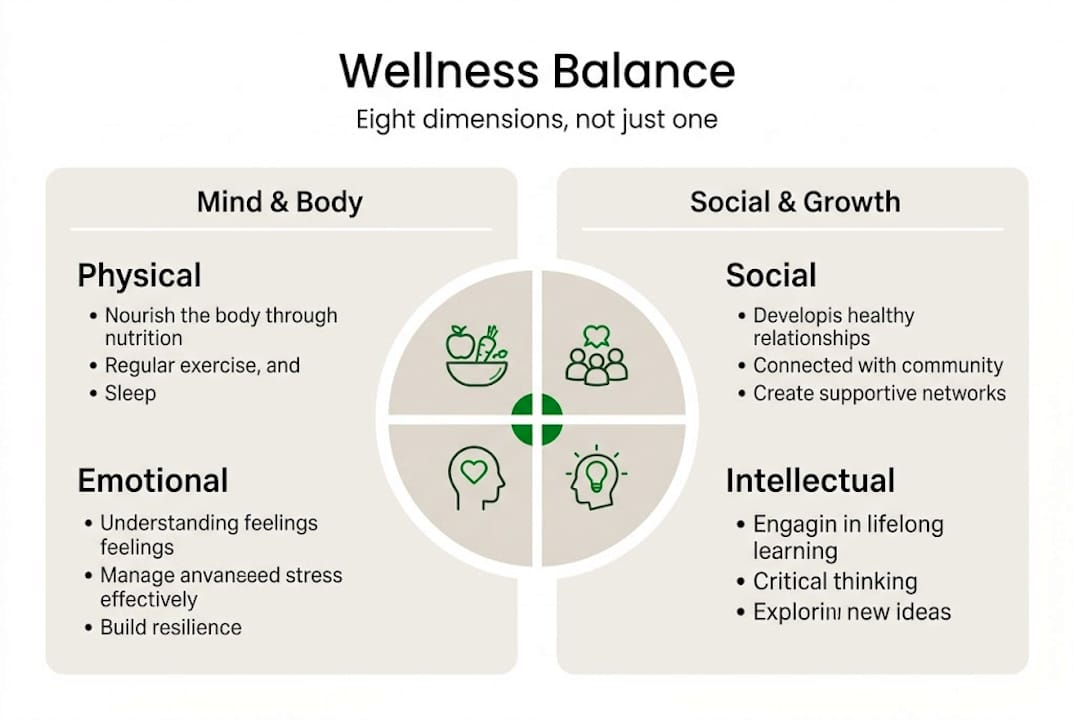
Wellness balance is one of those phrases that sounds simple until you try to live it. Most wellness content treats it like a checklist: meditate, eat your greens, go to bed early. But that approach misses something important. Wellness balance refers to equilibrium across multiple interconnected dimensions — emotional, physical, social, and more — rather than perfect equality in all areas at once.
Think of it less like a perfectly level scale and more like a living, breathing ecosystem. Some parts thrive more than others depending on the season. A new parent may need to heavily prioritize physical rest and emotional resilience while temporarily letting their social life quiet down. A person recovering from burnout may need to protect occupational boundaries first. That's not failure — that's intelligent, responsive self-care.
Wellness balance vs. wellness perfection
| Wellness balance | Wellness perfection |
|---|---|
| Shifts with life stage and circumstances | Demands equal effort in all areas always |
| Focuses on harmony and progress | Focuses on flawless performance |
| Builds self-compassion | Builds guilt and shame |
| Allows for setbacks and adaptation | Treats setbacks as failure |
| Sustainable long-term | Leads to burnout |
The holistic wellness definition reinforces this: wellness is a dynamic process, not a destination. The dimensions involved typically include physical, emotional, mental, social, spiritual, occupational, intellectual, environmental, and financial well-being. Each area feeds into the others in ways you might not expect.
Common signs of imbalance across dimensions:
- Physical: chronic fatigue, frequent illness, poor sleep
- Emotional: irritability, numbness, or feeling overwhelmed
- Social: isolation, conflict, or lack of meaningful connection
- Occupational: dread of work, feeling undervalued or overextended
- Financial: constant money anxiety affecting daily decisions
- Spiritual: lack of purpose or direction in life
Experts caution against letting a perfectionist mindset drive your wellness choices. When you frame balance as an all-or-nothing achievement, you're more likely to abandon healthy habits entirely after one slip.
"The goal is not perfect symmetry across every dimension but a sense of harmony — where your key needs are met well enough that you can function, grow, and find meaning." This shifts the question from Am I doing everything right? to Am I meeting my most important needs right now?
For women specifically, women's wellness herbs can offer targeted support as priorities shift through different life stages. And if you want a starting point for daily habits, practical wellness tips can help you identify simple, sustainable entry points without overwhelming yourself.
The eight dimensions of wellness: A holistic framework
Now that the concept of interconnected dimensions is clear, let's examine each core area more closely. Understanding what each dimension actually covers helps you spot where your energy is most needed.
The eight dimensions of wellness
| Dimension | What it covers |
|---|---|
| Physical | Movement, sleep, nutrition, and body care |
| Emotional | Recognizing, managing, and expressing feelings |
| Mental | Cognitive clarity, focus, and mental health |
| Social | Relationships, community, and communication |
| Spiritual | Purpose, values, meaning, and inner connection |
| Occupational | Work satisfaction, career growth, and boundaries |
| Intellectual | Learning, creativity, and mental stimulation |
| Environmental | Your surroundings and how they affect your mood |
| Financial | Security, planning, and reducing money-related stress |
The eight dimensions of wellness encompass everything from how well you sleep to whether your work feels meaningful. No single dimension operates in isolation.
How these dimensions reinforce and affect each other:
- Poor sleep (physical) impairs emotional regulation, leading to social friction.
- Financial stress (financial) raises cortisol levels, damaging immune function (physical).
- Meaningful work (occupational) boosts sense of purpose (spiritual), which supports emotional resilience.
- Intellectual stimulation through learning (intellectual) reduces cognitive decline risk (mental).
- Time in nature (environmental) lowers anxiety and improves mood (emotional and mental).
Here's a relatable scenario: imagine you're deep in a work deadline. Your sleep slips, your nutrition choices get lazy, and you cancel weekend plans with friends. Suddenly what started as an occupational issue has rippled into physical, social, and emotional strain. That's the interconnectedness in action.

For those incorporating plants into their routine, herbal wellness best practices offer a grounded look at how to use remedies safely. And if you're newer to the concept, the herbal wellness guide is an accessible place to begin.
Pro Tip: Use a simple 1-10 self-assessment for each dimension once a month. Rate how satisfied you feel in each area, then focus your energy on the two lowest scores rather than trying to improve everything at once.
Science-backed strategies for achieving wellness balance
With the framework in place, it's time to get practical. How do you actually move toward wellness balance each day? The good news is that effective routines include mindfulness, exercise, nutrition, sleep, and strong social connections — and personalized approaches work best.
Start with the basics that science consistently supports: daily movement reduces anxiety and improves sleep. Even 20 minutes of walking triggers mood-lifting endorphins. Mindfulness practice — even five to ten minutes daily — reduces cortisol and improves emotional regulation. Consistent sleep schedules, aiming for 7-9 hours, restore cognitive function and immune resilience. Nutrient-dense meals fuel both brain clarity and physical energy. Strong social bonds are among the most powerful predictors of long-term health and longevity.
On the herbal side, the evidence is growing. Herbal approaches shown to support wellness balance:
- Ashwagandha: Shown in multiple trials to reduce perceived stress and improve sleep quality.
- Rhodiola rosea: Supports mental stamina and reduces fatigue under stress.
- Schisandra: Traditionally used for adaptogenic support; shows promise for mood and resilience.
- Holy basil (tulsi): Associated with reduced anxiety and cortisol regulation.
- Lemon balm: Supports calm focus and relaxation without sedation.
A placebo-controlled trial on adaptogens found that multi-herb formulas containing Rhodiola, holy basil, Schisandra, and ashwagandha — as well as ashwagandha used alone — significantly reduced perceived stress and improved both sleep and overall mood in participants. These aren't just folk remedies; they're being studied with the same rigor as conventional interventions.
For Ayurvedic remedies for stress, traditional systems have long recognized the value of adaptogens in restoring balance. They work best when integrated alongside, not instead of, primary care.
If you're exploring where to start, herbal teas for stress relief offer a gentle entry point. For a broader look at options, types of herbal remedies breaks it down clearly.
Pro Tip: Choose just one or two areas to actively improve over 30 days. Trying to overhaul sleep, diet, stress, and social life simultaneously often leads to burnout rather than balance.
Personalization and self-compassion: The real secret to balance
Now that you understand what actually works, let's talk about why personalization and self-kindness matter most for lasting well-being. A perfectly balanced life is a myth. Your priorities will shift with every new season of life — and that's not a flaw in the system. That's the system working correctly.
Perfect balance is unrealistic; what matters more is prioritizing based on your current life stage, spreading your efforts over time, and using self-compassion to stay consistent without burning out.
Steps for personalizing your wellness approach:
- Identify: Honestly assess which dimensions feel most strained right now.
- Prioritize: Choose one or two areas that, if improved, would relieve the most pressure overall.
- Act: Build one small, specific habit for each priority area.
- Reflect: Check in weekly to see what's shifting, and adjust without guilt.
Self-compassion isn't just a feel-good concept. Research links it to greater motivation, more consistent healthy behaviors, and lower rates of anxiety and depression. When you stop punishing yourself for imperfect days, you actually do better. Gradual change compounds. One good habit held consistently over three months beats five ambitious habits dropped after two weeks.
"Stop trying to be the person who 'has it all together.' Start being the person who shows up honestly, adapts generously, and grows steadily." That shift in mindset is often where real wellness begins.
For guidance on what emotional wellness steps look like in practice, there are clear frameworks that make it far less abstract. And when you're ready to design your own approach, individualized wellness tips offer real-world starting points tailored to how you actually live.
Why the quest for perfect balance sets you back
Here's something most wellness guides won't say out loud: the obsession with achieving perfect balance is itself a form of imbalance. At Finer Holistics, we've seen it repeatedly. People come to us exhausted, not from neglecting their health, but from trying too hard to optimize every area of it at once.
Conventional wellness content often presents an impossible standard, a life where you sleep eight hours, meal prep on Sundays, meditate before sunrise, nurture every relationship, and hit every professional goal. When reality inevitably falls short, guilt fills the gap. That guilt becomes its own stressor.
The healthiest lives we witness aren't the most perfectly structured. They're the most responsive. People who can say, "This week my sleep needs to win," or "Right now, my relationships matter more than my fitness routine," and feel zero shame about it. Setbacks aren't failures. They're data points telling you where your attention belongs next.
Focus on growth, not flawlessness. Explore holistic wellness perspectives that honor the messy, human reality of building a healthier life over time.
Bring holistic balance into your daily routine
If you're ready to bring balance principles into your day-to-day living, here's how Finer Holistics can help support your journey. We create handcrafted herbal teas, tinctures, and detox blends specifically designed to support the dimensions of wellness where people most often need gentle, natural reinforcement.
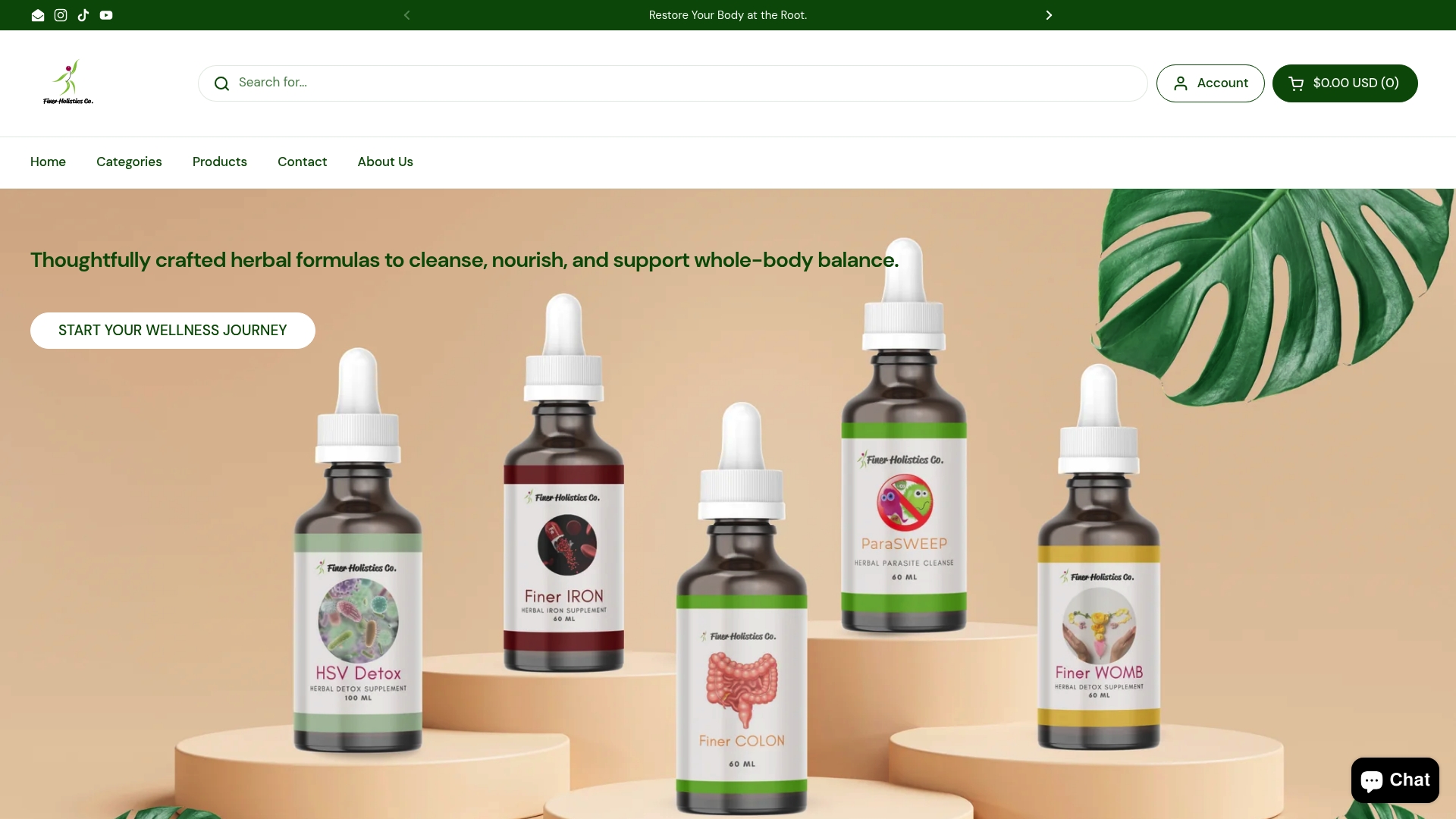
Whether you're looking to support your body's detox pathways through herbal detox remedies, nurture hormonal and reproductive health with herbs for women's wellness, or simply find adaptogenic support for everyday stress, Finer Holistics herbal support offers plant-based products made with care and intention. Every blend is rooted in traditional herbal wisdom and designed to work with your body's natural rhythms — not against them.
Frequently asked questions
Is wellness balance the same as being healthy in every way?
No. Wellness balance is equilibrium, not perfection in every aspect of life at once. It means managing your most important needs well enough to thrive, not achieving an impossible standard across all areas simultaneously.
Which herbal remedies are best for achieving wellness balance?
Adaptogenic herbs like ashwagandha, Rhodiola, and Schisandra are backed by research. A placebo-controlled adaptogen trial found these herbs significantly reduce stress and improve sleep and mood outcomes.
How do I know which wellness dimensions I should focus on?
Start with an honest self-assessment of where you feel most strained. Prioritize by personal need and current life stage rather than trying to improve all eight dimensions at once.
Can I achieve wellness balance without supplements or herbal remedies?
Absolutely. Wellness balance methods range from routine changes like mindfulness and exercise to optional herbal support. Herbs are a helpful addition, but solid daily habits form the real foundation.
Why does my sense of balance keep changing?
Because your life keeps changing. Wellness priorities shift with each new life stage and set of circumstances, so what felt balanced last year may naturally need adjusting today.
Recommended
- What is Herbal Wellness? A 2026 Guide to Natural Health – Finer Holistics Co.
- Wellness Tips – Finer Holistics Co.
- Herbal wellness routine steps for natural health in 2026 – Finer Holistics Co.
- Holistic Wellness Definition and Its Real-World Impact - Dietium
- Emotional Wellness Step by Step: Achieve Lasting Balance