
TL;DR:
- Herbal wellness combines traditional use with evidence-based approaches for better safety and effectiveness.
- Some herbs like ashwagandha and ivy leaf have strong clinical support, but product quality and standardization are crucial.
- Safety risks include drug interactions, contamination, and limited data for vulnerable groups like pregnant women.
Herbal remedies have been used for thousands of years, yet most people still assume that "natural" automatically means safe and effective. That assumption can lead to real harm. Globally, plants power a massive share of primary healthcare, but the gap between traditional use and rigorous clinical proof is wider than most wellness content admits. This guide cuts through the noise. We'll look at what herbal wellness actually means, which remedies have solid evidence behind them, where the safety risks hide, and how to choose products you can trust. No hype, no oversimplification.
Table of Contents
- What herbal wellness means and why it matters
- What the evidence really shows: efficacy and use cases
- Safety first: navigating risks, interactions, and quality
- Making informed choices: regulation, labels, and safer practices
- The real secret: what most herbal wellness guides overlook
- Explore the next step: herbal wellness with Finer Holistics
- Frequently asked questions
Key Takeaways
| Point | Details |
|---|---|
| Herbal wellness is complex | Modern herbal wellness blends tradition and science, requiring careful, informed choices. |
| Evidence is targeted, not universal | Some remedies are research-backed, but not all claims hold up under scrutiny. |
| Safety and quality come first | Risks and regulation gaps mean you should prioritize standardized, reputable products and consult experts. |
| Make informed, personal choices | Start slow, read labels, and tailor approaches to your own health context for the best results. |
What herbal wellness means and why it matters
Herbal wellness is the practice of using plants and plant-derived extracts to support the body's health, balance, and vitality. It's not a single system. It spans centuries of tradition across cultures, including Ayurveda from India, Traditional Chinese Medicine, and Western herbalism rooted in European folk practice. Each tradition has its own philosophy, plant catalog, and preparation methods, but they share a core belief: the body has an innate ability to heal, and plants can support that process.
Today, herbal wellness is bigger than ever. The global wellness movement has brought tinctures, teas, and adaptogenic supplements into mainstream conversation. 80% of the global population relies on herbal medicines as part of their primary healthcare, yet modern science has made clear that widespread use doesn't equal proven safety or effectiveness. Popularity is not the same as evidence.
Why does this distinction matter? Because the terminology and definitions you encounter shape the decisions you make. Words like "herbal remedy," "botanical supplement," and "plant medicine" are used interchangeably in marketing, but they carry different legal, scientific, and safety meanings depending on where you live and who's selling the product.
Here's what the herbal wellness space actually covers:
- Whole plant preparations: Teas, infusions, and decoctions using dried or fresh plant material
- Standardized extracts: Concentrated forms where a specific active compound is measured and controlled
- Tinctures: Alcohol-based liquid extracts with varying potency
- Capsules and tablets: Powdered herbs in supplement form, with widely varying quality
- Topical preparations: Creams, salves, and oils applied to the skin
Understanding herbal ingredients explained and how each form differs is the first step toward making smarter choices. The World Health Organization has taken a clear stance: it supports WHO's balanced approach that integrates traditional knowledge with evidence-based evaluation, not one at the expense of the other. That's the standard worth holding.
"The goal isn't to dismiss tradition or blindly trust it. It's to ask: what does the evidence actually show, and how does that apply to me?"
If you're just getting started, herbal remedy basics can help you build a solid foundation before going deeper.
What the evidence really shows: efficacy and use cases
Not all herbal remedies are created equal, and the research reflects that clearly. Some herbs have accumulated solid clinical evidence. Others are backed mainly by tradition and anecdote. Knowing the difference protects you and helps you get real results.
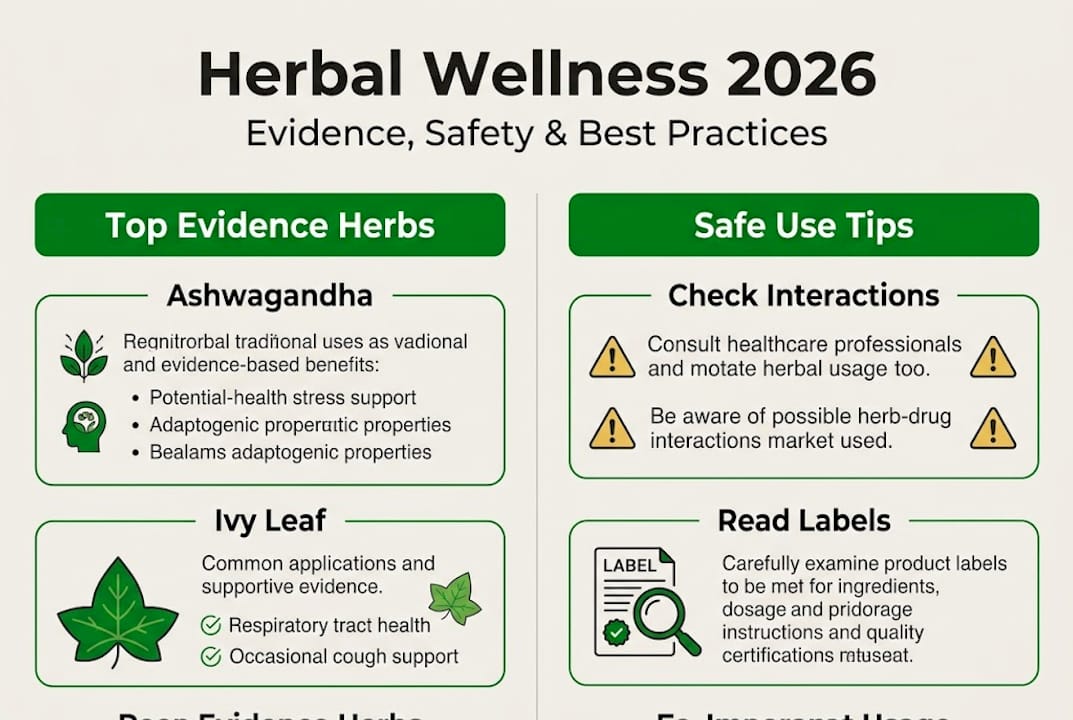
Let's start with what's working. Ashwagandha reduces menopausal symptoms, and ivy leaf extract has shown meaningful improvement in cough associated with bronchitis in clinical trials. These aren't minor findings. They represent randomized controlled trials (RCTs), the gold standard in research, showing measurable, reproducible outcomes. On the metabolic and neurological side, Chinese herbal medicine modestly improves outcomes in conditions like metabolic syndrome and cognitive decline, according to recent meta-analyses.
Here's a quick look at where the evidence stands for commonly used herbs:
| Herb | Evidence strength | Studied conditions |
|---|---|---|
| Ashwagandha | Strong (RCTs) | Menopausal symptoms, stress, fatigue |
| Ivy leaf extract | Strong (RCTs) | Acute bronchitis, cough |
| Chinese herbal blends | Moderate (meta-analyses) | Metabolic syndrome, neurological support |
| Echinacea | Mixed | Cold duration and prevention |
| Valerian | Limited | Sleep quality, anxiety |
| St. John's wort | Moderate | Mild to moderate depression |
The honest caveat here is that even promising research has real limitations. Many herbal studies use small sample sizes, short durations, and inconsistent preparations. Two products labeled "ashwagandha" can contain wildly different amounts of the active compound, withanolides, depending on how they're processed. This is why standardization in research matters so much. Without it, comparing study results to a product on a store shelf is like comparing apples to sawdust.
For families looking at safe options, herbal remedies for families breaks down which herbs have the most appropriate evidence for household use.
Pro Tip: When choosing an herbal product, look for the phrase "standardized extract" on the label, followed by a percentage of the active compound. That's your signal that the product has been manufactured with consistency and measurable potency. If a label only says "proprietary blend" with no breakdown, treat it with skepticism.
The bottom line: evidence and smart use go hand in hand. Herbs with strong evidence, used in standardized forms, at studied doses, are your best bet for real results.
Safety first: navigating risks, interactions, and quality
Understanding what works is only half the equation. Knowing how to use herbs without causing harm is just as important, and this is where most wellness content falls short.
Herbal remedies carry real risks, and those risks are amplified by interactions with medications, poor-quality products, and specific health conditions. St. John's wort is one of the most researched examples: it speeds up liver enzymes that process many prescription drugs, which can reduce the effectiveness of antidepressants, birth control pills, and even HIV medications. Ginseng can affect blood pressure and blood sugar regulation, making it risky for people on related medications.
Here are the most common risk categories to know:
- Drug interactions: St. John's wort, ginseng, garlic, and ginkgo all have documented interactions with common prescriptions
- GI effects: Many herbs cause nausea, cramping, or diarrhea, especially at high doses
- Contamination: Some products contain heavy metals, pesticides, or undisclosed pharmaceutical compounds
- Toxicity: Certain herbs like comfrey and kava carry liver toxicity risks with long-term or high-dose use
- Adulteration: Some supplements are spiked with synthetic drugs not listed on the label
For a deeper breakdown of what to watch for, the detailed safety guide covers these topics thoroughly. You can also explore uses and safety for condition-specific guidance.
"48% of pregnant women use herbal remedies during pregnancy, yet safety data for most herbs in this population is extremely limited."
That statistic should give anyone pause. Pregnancy changes how the body processes everything, including herbs. Some herbs stimulate uterine contractions. Others cross the placenta. The high use in pregnancy combined with limited research creates a situation where well-meaning choices can carry serious consequences. The same caution applies to children, people scheduled for surgery, and anyone on hormone therapies.
For parents navigating this space, parents and herbal safety is a valuable resource. And for anyone starting out, the NCCIH herb-drug interaction tips are a practical, trustworthy reference.
Pro Tip: Start with the lowest effective dose and give your body two to four weeks to respond before increasing. Always tell your doctor or pharmacist about any herbs you're taking, the same way you would report a prescription drug.
Making informed choices: regulation, labels, and safer practices
Here's something most people don't realize: in the United States, herbal supplements are regulated as dietary supplements, not as drugs. That means manufacturers don't need to prove their products are safe or effective before selling them. The FDA only steps in after a product causes harm. This is a fundamentally different standard than pharmaceutical drugs.
Globally, the picture is even more varied. Herbal products face varying regulation depending on the country, and categories like Jamu (traditional Indonesian medicine), Phytopharmaka (clinically tested herbal drugs), and standard dietary supplements each carry different levels of scrutiny and proof requirements.
| Region/system | Regulatory standard | Product category |
|---|---|---|
| United States (FDA) | Dietary supplement rules | Supplements, not drugs |
| European Union | Traditional herbal registration | Some clinical evidence required |
| Indonesia | BPOM classification | Jamu, Herbal Standard, Phytopharmaka |
| WHO global framework | Evidence-based integration | Traditional and modern medicine |
So how do you protect yourself? Follow these steps when choosing any herbal product:
- Read the label carefully. Look for standardized extract percentages, not just herb names.
- Check for third-party testing. Certifications from NSF International, USP, or ConsumerLab mean an independent body verified the contents.
- Research the source. Know where the herbs are grown, how they're processed, and whether the company shares that information openly.
- Look up the evidence. Use databases like PubMed or NCCIH to check whether the herb has clinical support for your specific concern.
- Avoid proprietary blends without disclosure. If you can't see individual ingredient amounts, you can't assess safety or dosing.
Understanding herbal ingredient labels is a skill that pays off every time you shop. The word "standardized" means the product contains a verified amount of the key active compound. "Empirical" means it's based on traditional use, not clinical testing. These distinctions matter more than the marketing copy on the front of the bottle.
The real secret: what most herbal wellness guides overlook
Most herbal wellness content falls into one of two traps: it either dismisses all herbs as unproven pseudoscience, or it treats every plant as a miracle cure. Neither extreme serves you well.
What we've learned at Finer Holistics is that the most effective approach is deeply personal. An herb that transforms one person's energy and sleep might do nothing for another, or worse, cause side effects. This isn't a failure of the herb. It's a reflection of individual biochemistry, gut health, medication load, and lifestyle context. Personalization isn't a buzzword here. It's the actual mechanism.
We're also cautious about trend-driven "super herbs." Every year, a new plant gets crowned the ultimate fix for stress, weight, or hormones. The marketing moves faster than the research. By the time clinical trials catch up, the trend has moved on. That cycle benefits sellers, not users.
The most reliable path is combining traditional wisdom with current evidence, choosing reputable, transparent brands, and working with a qualified practitioner who understands both herbalism and conventional medicine. Family-centered wellness is a good example of how that balance looks in practice. Trust the plants that have earned it, and stay skeptical of the ones that haven't yet.
Explore the next step: herbal wellness with Finer Holistics
If this guide has helped you see herbal wellness more clearly, you're ready to take the next step with products built on the same principles: transparency, quality ingredients, and real formulation intent. At Finer Holistics, every product is handcrafted with carefully selected herbs chosen for their traditional value and growing evidence base.
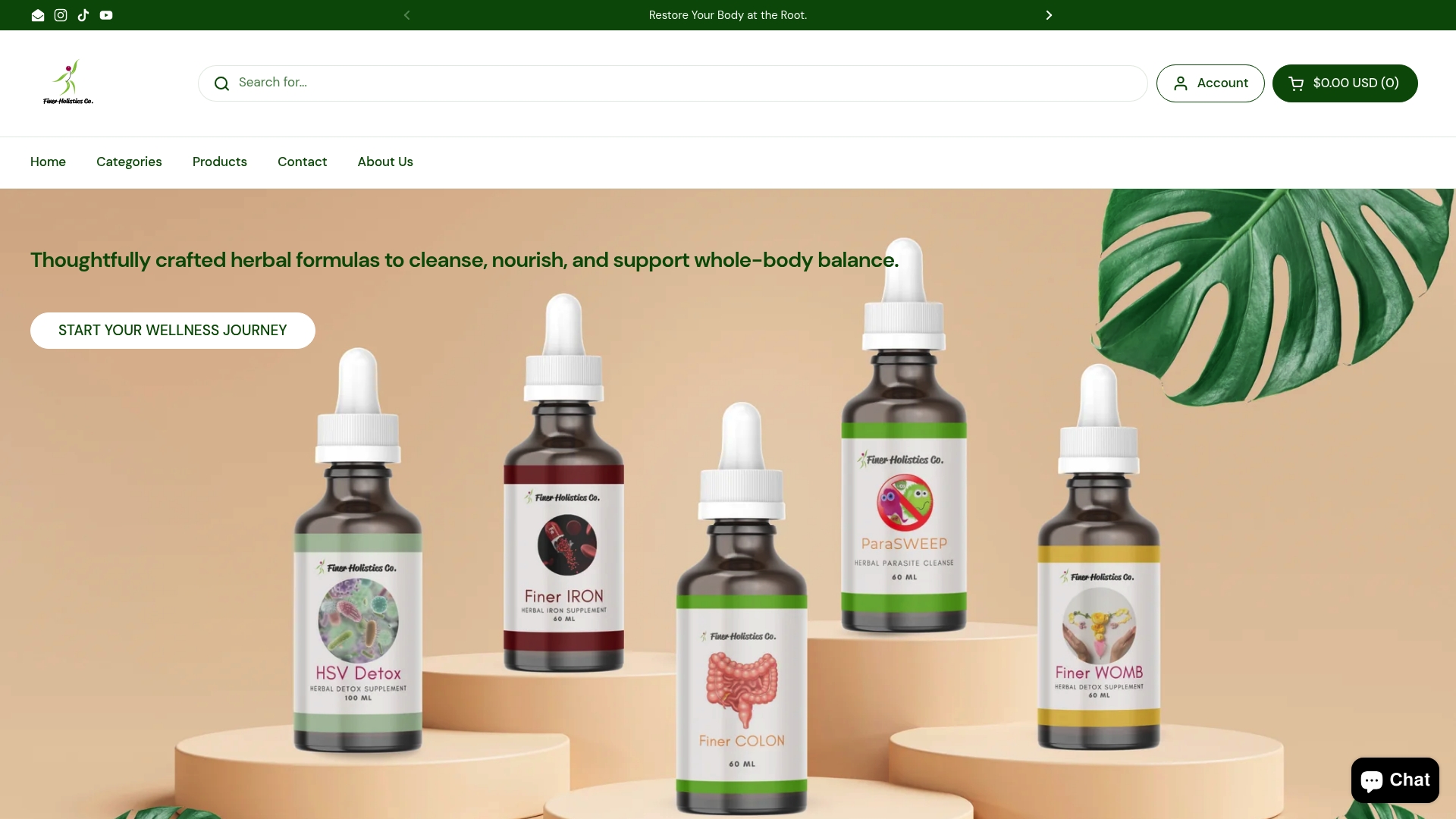
Whether you're focused on cleansing and renewal, hormonal support, or simply building a stronger daily wellness routine, we have options designed for real people with real goals. Browse our herbal detox options for targeted cleansing support, explore women's wellness herbs formulated with hormone balance in mind, or explore Finer Holistics to find the right fit for where you are right now.
Frequently asked questions
Are all herbal remedies safe without a prescription?
No. Many herbs interact with common medications, carry risks during pregnancy, and vary widely in quality. Always consult a healthcare provider before adding herbal remedies to your routine, especially if you take prescription drugs. Safety concerns require professional input.
Which herbal remedies have the most evidence of effectiveness?
Ashwagandha for menopausal symptoms and ivy leaf for cough currently have the strongest clinical backing from RCTs. Clinical evidence for targeted uses like these is growing, but many other herbs still rely primarily on tradition.
Can herbal medicine be used during pregnancy?
Use extreme caution. Most herbs lack adequate safety data for pregnant women, and the risks are amplified during pregnancy. High use in pregnancy exists despite limited safety data, so always consult your OB or midwife first.
How are herbal supplements regulated in the US?
They're classified as dietary supplements, not FDA-approved drugs, which means manufacturers don't need to prove safety or effectiveness before selling. US regulation treats most as supplements, leaving quality verification largely up to the buyer.
What's the best way to start using herbal wellness safely?
Start with low doses, check for known drug interactions, and get guidance from a qualified practitioner. Expert-recommended safe starting practices emphasize going slow and being transparent with your healthcare team about everything you're taking.