
Most people assume that if something comes from a plant, it must be safe and effective. That assumption is worth questioning. Herbal nutrition sits at a fascinating crossroads between ancient wisdom and modern science, and the picture is more nuanced than most wellness content lets on. Traditional and holistic sources tout broad benefits, but authoritative bodies note real regulatory gaps and limited clinical evidence for many claims. This guide breaks down what herbal nutrition actually means, how herbs work in your body, which ones have the strongest support, and how to use them safely and effectively.
Table of Contents
- What is herbal nutrition?
- How herbs work in your body
- Common herbs and their key benefits
- How to use herbs: Teas, meals, tinctures, and supplements
- Nuances, risks, and safety tips
- Explore herbal nutrition safely with Finer Holistics
- Frequently asked questions
Key Takeaways
| Point | Details |
|---|---|
| Herbal nutrition basics | It means using foods and supplements from herbs to support whole-body wellness and specific health goals. |
| Varied actions and evidence | Herbs can help with digestion, immune support, and detox, but not all benefits are equally proven by science. |
| Smart integration tips | You get the best effects by using high-quality herbs in teas or meals, guided by safe practices and expert advice. |
| Safety matters | Avoid risks by checking for interactions, choosing reputable products, and consulting professionals especially for children and pregnancy. |
What is herbal nutrition?
Before diving into how herbs work, let's clarify exactly what herbal nutrition means and why so many health-conscious people are exploring it.
Herbal nutrition is the practice of using plant-based foods, herbs, and botanical ingredients to support your body's natural functions. It goes beyond simply taking a supplement. It's a philosophy rooted in whole-body support, using the full spectrum of nutrients, compounds, and plant intelligence that herbs carry. Think of it as feeding your body with intention, not just calories.
It helps to distinguish herbal nutrition from related terms. Herbal medicine focuses on treating specific conditions using plant-based remedies. Herbal supplementation typically refers to isolated compounds in capsule or tablet form. Herbal nutrition, by contrast, integrates herbs holistically into your overall diet and lifestyle for ongoing wellness support.
People turn to herbal nutrition for a wide range of goals. The most common include:
- Digestive support: Easing bloating, improving gut motility, and balancing stomach acid
- Immune strengthening: Priming the body's defenses before illness strikes
- Detoxification: Supporting the liver and kidneys in filtering waste
- Stress resilience: Helping the nervous system adapt to daily pressures
- Nutritional gaps: Filling in micronutrients and antioxidants that modern diets often miss
If you're new to this space, exploring herbal remedy basics is a great place to start building your foundation.
How herbs work in your body
Now that you know what herbal nutrition is, let's look at how these powerful plants interact with your body's systems.

Herbs don't work like pharmaceutical drugs, which typically target one specific receptor or pathway. Instead, they contain dozens of active compounds that work together. Herbs contain antioxidants, anti-inflammatory compounds, bitters, adaptogens, and liver-supportive enzymes, often all in one plant. This is what makes them so interesting and, at times, so complex to study.
Here are the main mechanisms through which herbs support your body:
- Free radical neutralization: Antioxidant compounds like polyphenols and flavonoids neutralize unstable molecules that damage cells over time
- Enzyme activation: Certain herbs stimulate digestive enzymes that break down food more efficiently
- Stress hormone regulation: Adaptogens like ashwagandha help modulate cortisol, the body's primary stress hormone
- Bile and digestive secretion: Bitter herbs like dandelion root trigger bile production, which is essential for fat digestion
- Immune modulation: Some herbs prime white blood cell activity without overstimulating the immune system
Bitters deserve a special mention. When you taste something bitter, your body immediately signals the digestive system to prepare for food. This reflex, called the bitter reflex, increases saliva, stomach acid, and bile flow. It's one of the most direct and well-documented ways herbs support healthy digestion.
Adaptogens work differently. They help your body find balance under stress rather than pushing it in one direction. Think of them as a thermostat for your stress response, nudging your system back toward equilibrium.
"The synergistic effects of whole herb extracts are often greater than isolated compounds, but this complexity also makes standardized research more challenging. We're still learning how these interactions play out over time." — Herbal medicine researcher perspective, consistent with current integrative nutrition literature
Pro Tip: When using herbal blends, pair herbs with complementary actions. For example, combining a bitter herb like gentian with a carminative like fennel gives you both digestive stimulation and gas relief in one blend.
Common herbs and their key benefits
Understanding herb actions gives you a framework, but which herbs stand out for real-life health goals? Let's look at the top options.
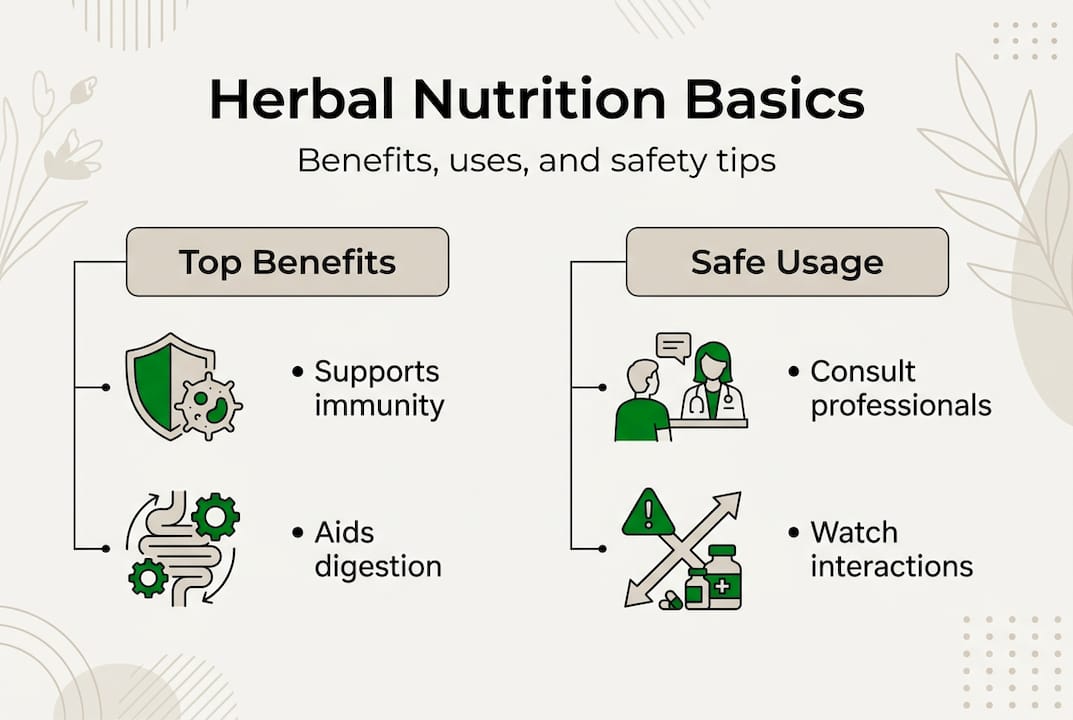
The herbs below are among the most studied and widely used in herbal nutrition. Their benefits span digestion, immunity, liver health, and stress support.
| Herb | Primary benefit | Traditional use | Evidence strength |
|---|---|---|---|
| Turmeric | Anti-inflammatory | Joint and gut health | Strong (curcumin studies) |
| Ginger | Digestive aid | Nausea, bloating | Strong |
| Echinacea | Immune support | Cold prevention | Moderate |
| Elderberry | Antiviral support | Flu symptom relief | Moderate |
| Milk thistle | Liver protection | Detox, liver repair | Moderate to strong |
| Dandelion | Detox and digestion | Liver, kidney support | Emerging |
| Ashwagandha | Stress adaptation | Anxiety, fatigue | Strong (adaptogen studies) |
| Peppermint | Digestive relief | IBS, bloating | Strong |
| Fennel | Carminative | Gas, cramping | Moderate |
According to a review of common functional herbs, turmeric acts as a potent anti-inflammatory, ginger aids digestion and reduces nausea, echinacea and elderberry support immune health, peppermint and fennel ease digestive discomfort, milk thistle and dandelion support detox pathways, and ashwagandha helps manage stress responses.
Here's what the clinical data adds to that picture:
- Turmeric's active compound, curcumin, has been studied extensively for reducing markers of systemic inflammation
- Echinacea may shorten the duration of the common cold by one to two days in some studies
- Milk thistle's active compound, silymarin, has shown liver-protective effects in people with liver disease
- Ashwagandha has demonstrated measurable reductions in cortisol levels in randomized controlled trials
Herbal combinations can improve liver enzyme markers and support immune function, with meta-analysis data backing several of these findings. That said, results vary depending on the form, dose, and quality of the herb used.
For targeted support, explore herbal digestion support or learn more about herbal liver detox to match herbs to your specific wellness goals.
How to use herbs: Teas, meals, tinctures, and supplements
With a sense for which herbs work for what, let's get practical on making them part of your daily routine.
Herbs are remarkably versatile. They can be taken as teas and infusions, powders and capsules, fresh in meals, or as tinctures and liquid extracts. Each method has its own advantages depending on your lifestyle and health goal.
Here's a simple step-by-step approach to building an herbal routine:
- Identify your primary goal. Are you focused on digestion, immune support, stress, or detox? Start with one area rather than trying to address everything at once.
- Choose your preferred form. Teas are gentle and ritual-friendly. Tinctures are fast-acting and concentrated. Capsules are convenient for travel. Fresh herbs in meals are the most food-forward approach.
- Start with one or two herbs. Introducing multiple herbs at once makes it hard to know what's working or causing any reaction.
- Use consistently. Most herbs work best with regular use over weeks, not as a one-time fix. Think of them as nutritional support, not emergency medicine.
- Source carefully. Look for products that list the plant species, plant part used, and extraction ratio. Third-party testing is a strong indicator of quality.
- Track how you feel. Keep a simple wellness journal for two to four weeks. Note energy, digestion, sleep, and mood. This gives you real feedback.
Pro Tip: Whole herb preparations, like full-spectrum teas and tinctures, often deliver better results than isolated extracts because the full range of plant compounds works together. This is called the entourage effect, and it's one reason why whole-plant herbal blends tend to outperform single-compound supplements.
For a deeper look at building a tea-based herbal routine, the herbal teas guide walks you through everything from steeping times to herb pairings.
Nuances, risks, and safety tips
Integrating herbs can be safe and enjoyable, but awareness of risks and nuances is crucial for truly holistic wellness.
One of the biggest misconceptions in herbal nutrition is that natural equals harmless. It doesn't. Whole extracts may improve bioavailability, but risks include herb-drug interactions, lack of regulatory oversight, and inconsistent dosing across products. These aren't reasons to avoid herbs. They're reasons to use them wisely.
Here's a quick look at the most common concerns:
| Risk area | What to watch for |
|---|---|
| Herb-drug interactions | Blood thinners, antidepressants, and immunosuppressants are especially vulnerable |
| Product quality | Many supplements contain less herb than labeled or include contaminants |
| Dosing inconsistency | No standardized dose for most herbs across brands |
| Liver injury risk | High-dose or long-term use of certain herbs (like kava) can stress the liver |
| Vulnerable populations | Pregnant people, children, and those with chronic illness need extra caution |
The NIH and Johns Hopkins both emphasize that regulatory gaps, interaction risks, and the possibility of liver injury are real concerns that deserve attention, especially for people on medications.
Here's a safety checklist to keep in mind:
- Always tell your doctor or pharmacist about any herbs you're taking
- Choose products with third-party testing certifications (USP, NSF, or similar)
- Avoid mega-doses. More is rarely better with herbs
- Research the specific herb, not just the category. "Detox herb" is not a safety label
- If you're pregnant, nursing, or managing a chronic condition, consult a qualified herbalist or integrative health provider before starting
"Evidence-based use of herbal remedies means starting with what the research supports, not what marketing claims. Professional guidance isn't optional for complex health situations. Herbs are powerful, and that cuts both ways." — Consistent with integrative medicine guidance from Johns Hopkins Medicine
For practical guidance on using herbal teas safely, including steeping methods and daily limits, that resource covers the essentials.
Explore herbal nutrition safely with Finer Holistics
If you're inspired to make herbs part of your healthy lifestyle, Finer Holistics offers a trustworthy starting point for safe, effective options.
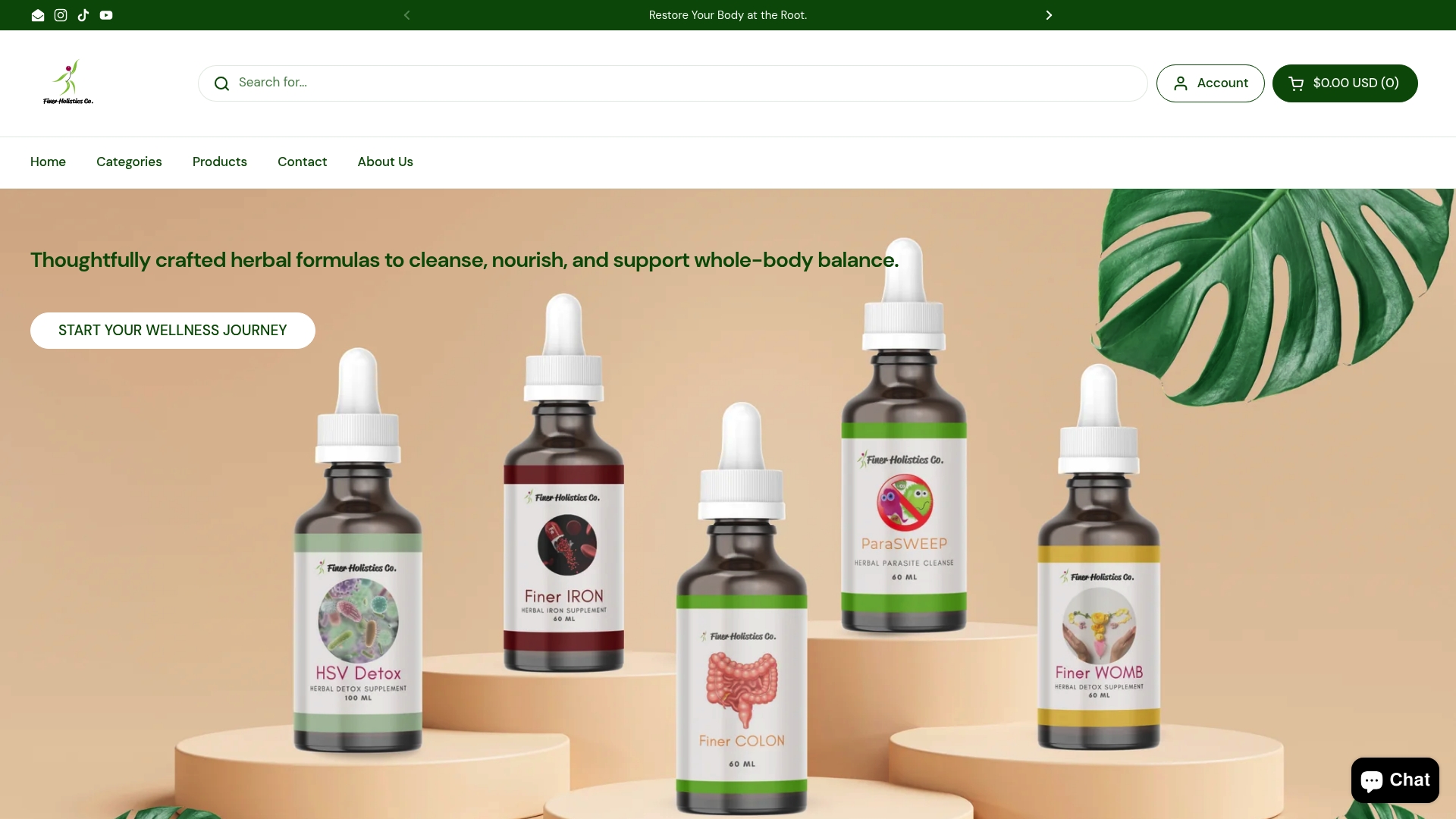
At Finer Holistics, every blend is handcrafted by a holistic herbalist with a focus on quality, transparency, and real wellness results. Whether you're looking to support your digestion, give your liver some love, or strengthen your immune system, our products are formulated with carefully selected herbs and whole-plant ingredients. Explore our herbal detox options to find blends designed for gentle, effective cleansing. Or try our herbal digestion tea, crafted to ease bloating and support gut health naturally. We also offer guides and educational content to help you integrate herbs with confidence.
Frequently asked questions
Are herbal supplements safer than prescription drugs?
Not always. Herbal products can interact with medications and vary widely in quality and potency because they are not regulated the same way prescription drugs are.
Which herbs are best for everyday wellness support?
Ginger, turmeric, echinacea, milk thistle, and peppermint are among the most commonly used herbs for digestion, immune function, and liver support.
Can pregnant people or children use herbal supplements?
Generally, these groups should consult a health professional first, as some herbs pose risks or simply lack enough safety data for these populations.
Is there scientific evidence for herbal nutrition benefits?
Yes, for several herbs. But evidence varies widely, and more high-quality long-term research is still needed to confirm many of the broader claims made about herbal nutrition.
Recommended
- What is Herbal Medicine? A 2026 Guide to Natural Wellness – Finer Holistics Co.
- What is Herbal Vitality? A 2026 Guide to Natural Energy – Finer Holistics Co.
- What is Herbal Wellness? A 2026 Guide to Natural Health – Finer Holistics Co.
- How to Nourish Your Body with Herbal Teas in 2026 – Finer Holistics Co.