
TL;DR:
- Herbs like ashwagandha and ginseng support vitality by modulating stress hormones and reducing fatigue, with significant scientific backing. Culinary spices such as oregano and rosemary decrease inflammation and improve metabolic health, enhancing overall energy and resilience. Effective herbal use requires consistency, quality, and lifestyle support, emphasizing process over quick fixes for sustainable wellness.
Most people stumble into the herb aisle looking for a fast fix, something that will erase exhaustion, purge toxins, and restore their spark overnight. The reality? Some herbs genuinely earn their reputation through solid clinical research, but the mechanism is rarely as dramatic as the marketing suggests. Adaptogenic herbs like ashwagandha have been shown to modulate the body's stress response, reduce cortisol, and improve quality of life. That's meaningful. But context matters enormously, and separating evidence-backed uses from wishful thinking is what this article is here to help you do.
Table of Contents
- How herbs influence vitality: What the science says
- Vitality-boosting herbs: Adaptogens, spices, and how they work
- Herbs in natural detox: Myths, facts, and best choices
- Risks, evidence limits, and safe herbal use
- What most guides miss: Practical wisdom for thriving naturally
- Find your botanical boost: Explore trusted detox and vitality solutions
- Frequently asked questions
Key Takeaways
| Point | Details |
|---|---|
| Science-backed herbal benefits | Clinical studies show adaptogens and spices can boost energy and resilience through stress and inflammation reduction. |
| Herbs support, not replace, detox | Liver-supporting herbs may assist your body's natural processes but can't instantly cleanse or cure. |
| Consistency is essential | Lasting effects come from regular, safe use alongside healthy habits, not quick fixes. |
| Know the risks | Some herbs can interact with medications or cause side effects, so research and careful selection are key. |
| Practical, holistic approach | Combining herbs with smart lifestyle choices gives the best results for vitality and wellness. |
How herbs influence vitality: What the science says
The word "vitality" gets thrown around constantly, but in research terms it usually refers to measurable outcomes: energy levels, stress hormone markers, fatigue scores, and physical performance. When we look at herbs through that lens, a clearer picture emerges.
Adaptogens are the category most studied for vitality. These are plants that help your body adapt to physiological and psychological stress. Ashwagandha (Withania somnifera) and Panax ginseng are the two most researched. Both work partly by modulating the HPA axis, which is the system connecting your hypothalamus, pituitary gland, and adrenal glands that controls how your body responds to stress. When chronic stress keeps this system firing too often, cortisol rises, sleep suffers, energy tanks, and inflammation creeps up. Ashwagandha's HPA axis modulation measurably reduces cortisol and improves cardiorespiratory endurance in human trials.
Anti-inflammatory herbs represent a second pathway. Culinary spices like oregano, rosemary, and thyme are loaded with polyphenols. These compounds don't just make food taste good; they actively dial down chronic low-grade inflammation. Research shows that spice herbs reduce chronic inflammation through polyphenol activity, with documented improvements in vitality markers in people with metabolic syndrome. Metabolic syndrome affects roughly 1 in 3 American adults, so this connection is more relevant than most people realize.
Here's a snapshot of how key vitality-supporting herbs perform across core wellness markers:
| Herb | Primary mechanism | Key vitality outcome | Evidence strength |
|---|---|---|---|
| Ashwagandha | HPA axis regulation | Reduced cortisol, better sleep, improved endurance | Strong (multiple RCTs) |
| Panax ginseng | Adaptogenic, antioxidant | Reduced fatigue, cognitive support | Moderate |
| Oregano | Polyphenol anti-inflammation | Reduced systemic inflammation | Moderate |
| Rosemary | Rosmarinic acid activity | Antioxidant, anti-inflammatory support | Moderate |
| Thyme | Polyphenol content | Supports metabolic health | Emerging |
Key factors that consistently shape herbal outcomes in research:
- Consistency of use matters far more than high single doses
- Dietary context amplifies results; an herb in a junk food diet has little to work with
- Sleep and movement act as force multipliers on every adaptogen studied
- Product quality affects whether you receive the dose actually on the label
Understanding herbal vitality explained in full depth gives you a stronger foundation for making smarter choices.
Pro Tip: Before adding any herb to your routine, spend two weeks tightening your sleep and eating habits. Clinical studies consistently show herbs perform best when the body already has stable inputs. You'll feel the difference.
Vitality-boosting herbs: Adaptogens, spices, and how they work
Adaptogens and culinary spices overlap in benefits but work through entirely different biochemical pathways. Understanding the distinction helps you pick the right tool.
Ashwagandha operates through withanolides, its active steroidal lactones, which directly influence cortisol signaling pathways. In one well-designed randomized controlled trial, participants taking ashwagandha for 8 weeks showed cortisol reductions alongside measurable improvements in cardiorespiratory endurance and self-reported quality of life. This isn't vague wellness language. These are concrete, reproducible outcomes tracked with validated measurement tools.
Ginseng works partly through ginsenosides, which modulate neurotransmitters like dopamine and serotonin while also exerting antioxidant effects in mitochondria. Mitochondria are your cells' energy production centers, so antioxidant protection there has a direct link to sustained energy output. The effect is subtle in healthy people but more pronounced in those dealing with fatigue or recovering from illness.
Culinary spices take a different route. Rosemary's rosmarinic acid, oregano's carvacrol and thymol, and thyme's polyphenols all target inflammatory signaling molecules called cytokines. When cytokine activity is excessive, it contributes to the kind of slow, grinding fatigue that doesn't respond to more coffee. Research confirms that culinary spices improve vitality in metabolic syndrome specifically by reducing this type of systemic inflammation.
"Randomized controlled trials support that adaptogenic and anti-inflammatory herbs produce measurable reductions in fatigue scores and cortisol levels when used consistently and at clinically relevant doses." Researchers across multiple institutions now note this consistently.
Comparison of top vitality herbs:
| Herb | Best for | Typical dose range | Safety rating | Evidence base |
|---|---|---|---|---|
| Ashwagandha | Stress fatigue, endurance | 300-600 mg/day | Good | Strong RCT support |
| Panax ginseng | Energy, cognition | 200-400 mg/day | Good | Moderate RCT support |
| Oregano | Inflammation, metabolic health | Culinary to 150 mg extract | Very good | Emerging clinical data |
| Rosemary | Inflammation, antioxidant | Culinary to 500 mg extract | Very good | Emerging clinical data |
| Thyme | Metabolic support | Culinary use, no established dose | Very good | Early-stage research |
How to safely integrate vitality herbs into daily life:
- Start with one herb at a time so you can actually notice effects and attribute changes accurately.
- Use a clinically studied form; ashwagandha KSM-66 and Sensoril are the most validated extracts.
- Take adaptogens in the morning or early afternoon to align with your natural cortisol rhythm.
- Keep a short wellness journal for four weeks noting energy, sleep quality, and mood.
- Reassess after eight weeks; if no benefit is noticeable, the herb may not be the right fit for your physiology.
- Always check your herbal supplement checklist before combining multiple herbs.
Pro Tip: Pair ashwagandha with a fat-containing meal. Withanolides are fat-soluble, meaning absorption improves significantly when taken alongside healthy fats like avocado or olive oil. Most people skip this step and wonder why results feel underwhelming.
If you're just starting out, the guide to natural energy walks you through building a practical foundation before layering in supplements.
Herbs in natural detox: Myths, facts, and best choices
The word "detox" has been stretched so far in wellness marketing that it barely means anything anymore. Let's reset. Your body detoxifies continuously through the liver, kidneys, lymph, skin, and gut. What herbs can legitimately do is support the efficiency of those systems, not replace them or turbocharge them into some miraculous purge.
Milk thistle is the standout here. Its active compound silymarin works by stabilizing liver cell membranes, reducing oxidative stress inside liver tissue, and improving liver enzyme markers. Clinical evidence confirms that silymarin supports liver function in people with non-alcoholic fatty liver disease (NAFLD) and hepatitis. This isn't theoretical; liver enzyme improvements have been measured in multiple controlled studies.
Turmeric (curcumin) and dandelion are frequently grouped with detox herbs, and they do have real benefits, just more modest ones. Curcumin's antioxidant and anti-inflammatory properties are well established, and some research suggests bile flow stimulation, which helps the liver process fats more efficiently. Dandelion root similarly encourages bile flow and provides antioxidant compounds. The honest caveat is that turmeric and dandelion's detox effects are supported in early research but human clinical data remains limited compared to milk thistle.
Key herbs for natural detox support at a glance:
- Milk thistle: Best-evidenced for liver support; most useful if you consume alcohol, live in a polluted environment, or have elevated liver enzymes
- Turmeric: Reduces liver inflammation; works best with black pepper (piperine) to boost curcumin absorption by up to 2,000%
- Dandelion root: Supports bile flow and provides prebiotic fiber that feeds a healthy gut microbiome
- Burdock root: Traditional blood-purifying herb with antioxidant activity; limited clinical trials but long traditional use history
- Schisandra: Adaptogen with liver-protective secondary effects; used widely in Traditional Chinese Medicine for liver and adrenal health
| Herb | Primary detox action | Human evidence | Typical dose | Key caution |
|---|---|---|---|---|
| Milk thistle | Liver membrane protection, antioxidant | Strong | 140-800 mg silymarin/day | Rare allergic reaction (ragweed family) |
| Turmeric | Anti-inflammatory, bile flow | Moderate | 500-2,000 mg curcumin/day | May affect blood thinning medications |
| Dandelion | Bile stimulation, antioxidant | Limited | 500-2,000 mg root/day | Avoid if on diuretics |
| Burdock root | Antioxidant, prebiotic | Very limited | 200-500 mg/day | Avoid in ragweed allergy |
For a deeper look at how the liver actually works and how to support it naturally, the liver detoxification support guide is worth reading in full. If you're ready to take action, the holistic herbal detox strategies resource offers a practical framework.
Pro Tip: Milk thistle works best taken consistently for at least 8 to 12 weeks rather than as a short-term cleanse. Think of it as building a protective environment for your liver over time, not a one-week reset button.
Risks, evidence limits, and safe herbal use
Here's where too many wellness articles stay suspiciously quiet. Herbs are bioactive substances. That's exactly what makes them effective but it's also what makes some of them risky in the wrong context.
The National Center for Complementary and Integrative Health is direct on this point: certain herbal supplements cause liver injury, interact with prescription medications, and carry real contamination risks. This doesn't mean herbs are dangerous across the board, it means they deserve the same thoughtful approach you'd give any other bioactive substance.
Common risks that deserve attention:
- Herb-drug interactions: Ginseng can interact with blood thinners and diabetic medications. Turmeric amplifies the effects of anticoagulants. St. John's Wort famously reduces the effectiveness of birth control, antidepressants, and some HIV medications.
- Liver injury: Certain herbs including kava, comfrey, and high-dose green tea extract have documented links to hepatotoxicity (liver damage).
- Contamination: The supplement industry in the US is less regulated than pharmaceuticals. Independent testing by organizations like USP or NSF International regularly finds contamination, unlisted ingredients, or doses that don't match the label.
- Pregnancy and breastfeeding: Many herbs that are safe for healthy adults pose risks during pregnancy. This includes herbs as common as licorice root and high-dose turmeric.
"Herbal and dietary supplements are not required to demonstrate safety or efficacy before market. Independent verification of quality is one of the most important steps a consumer can take." This reflects the consistent position from researchers across major academic medical centers.
Who should exercise extra caution or consult a healthcare provider before starting any herbal regimen:
- Anyone taking prescription medications (especially blood thinners, antidepressants, or immunosuppressants)
- People with liver or kidney disease
- Pregnant or breastfeeding individuals
- Those with autoimmune conditions
Understanding how to nourish your body naturally includes knowing when to use herbs and when other approaches take priority. For a clear protocol, the safe herbal detox guide provides a step-by-step framework for reducing risk.
Pro Tip: Look for herbal products that display third-party testing certificates from USP, NSF International, or Informed Sport. This single step eliminates a significant portion of quality-related risk.
What most guides miss: Practical wisdom for thriving naturally
Here's the uncomfortable truth about the herbal vitality space: most people are looking for one extraordinary plant that will fix what years of poor sleep, high stress, and inconsistent eating have created. That search is understandable. It's also the reason so many people try herbs enthusiastically, feel underwhelmed, and conclude that none of it works.
The herbs do work. But they work as amplifiers, not architects. If your lifestyle is chaotic, the best ashwagandha extract in the world will produce a fraction of the benefit it would in a body that's sleeping seven to eight hours and moving regularly. Every human clinical trial that shows strong results for adaptogens is conducted on participants living their normal lives. Sleep, food quality, and movement aren't controlled for a reason; they're the backdrop against which herbs perform.
What we've seen repeatedly at Finer Holistics is that people who get the most from plant-based support aren't the ones stacking six supplements. They're the ones who pick two or three evidence-backed herbs, take them consistently for months, and treat them as one piece of a larger wellness practice. That approach produces real, lasting change.
Skepticism is also part of the toolkit. Being evidence-oriented isn't the opposite of being holistic; it's what protects you from wasting money on products that don't deliver and, more importantly, from inadvertent harm. When a product claims to "completely detox your system in 48 hours," that's a signal to step back. Real herbal support builds quietly over time, much like the plants themselves. Explore real-world herbal strategies for a grounded approach to making plant-based wellness sustainable long-term.
Vitality is a practice, not a purchase. Herbs are genuinely powerful partners in that practice when you use them with intention, quality, and consistency.
Find your botanical boost: Explore trusted detox and vitality solutions
Ready to put these principles into practice with products you can actually trust? At Finer Holistics, every herbal tea, tincture, and blend is handcrafted by a practicing holistic herbalist using carefully selected ingredients aligned with the evidence behind each plant.
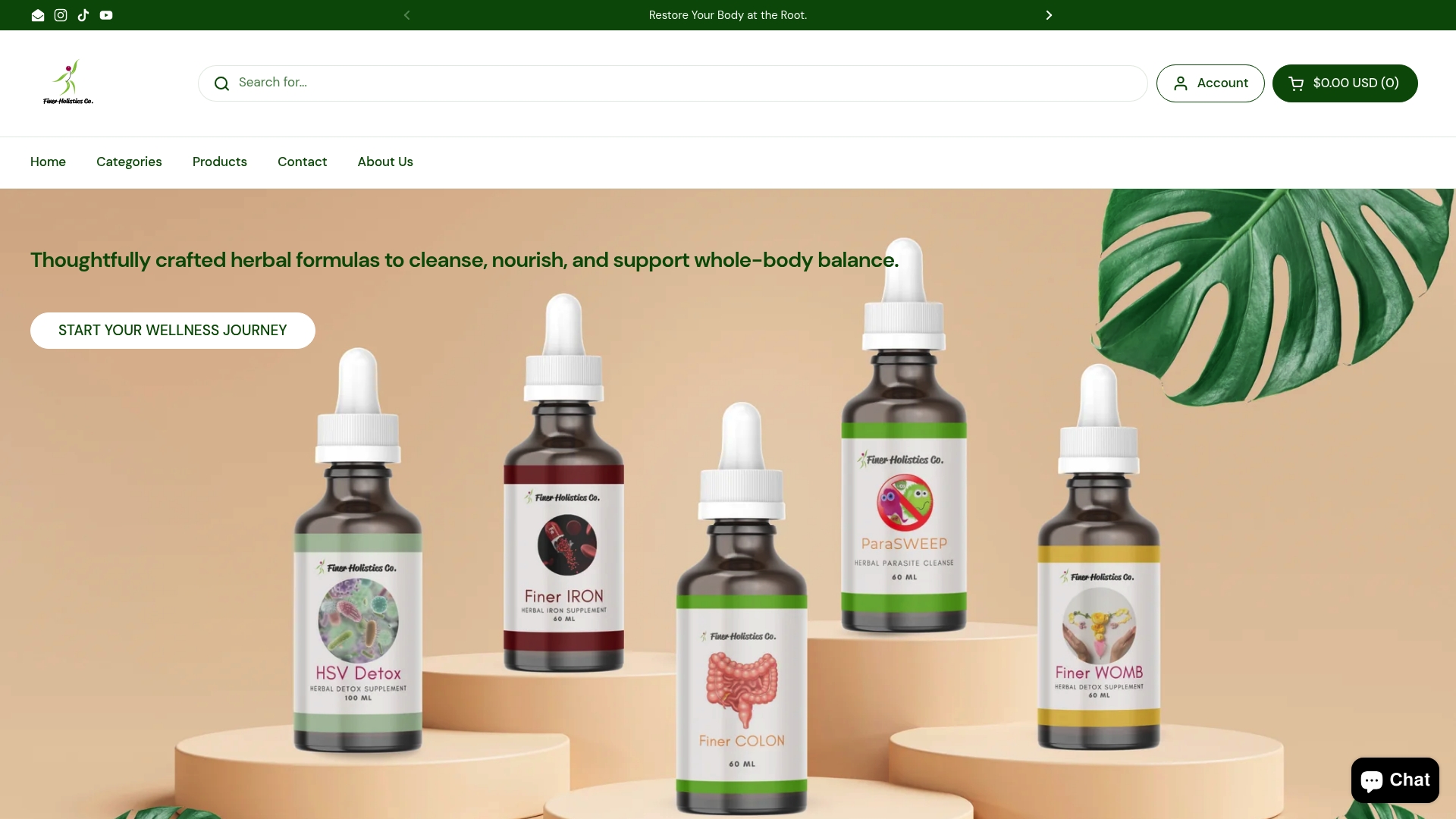
We apply the same quality standards this article advocates: transparent ingredient sourcing, thoughtful formulation, and no overstated claims. Whether you're starting with liver support or looking for a full protocol, our herbal detox solutions collection is organized to match your wellness goals. If you want to start simply and smartly, the detox starter pack offers a curated introduction to plant-based detox support without the guesswork. Real herbs, honest benefits, built for people who take their health seriously.
Frequently asked questions
Which herbs are best for boosting daily energy naturally?
Ashwagandha and ginseng are the most researched options, with clinical trials showing they reduce fatigue and cortisol through HPA axis modulation, making them the most reliable starting point for stress-driven energy issues.
Can herbs actually detox the liver or body?
Herbs like milk thistle can genuinely support liver health by protecting cell membranes and reducing oxidative stress, but silymarin's effects are supportive rather than a rapid cleanse; no herb replaces your liver's natural ongoing detoxification function.
Are herbal vitality supplements safe for everyone?
No. The NCCIH notes that some herbal supplements can cause liver injury, drug interactions, and contamination issues, so people who are pregnant, have organ disease, or take medications should consult a healthcare provider first.
How long does it take to experience benefits from herbal remedies?
Most adaptogens and liver-supportive herbs require consistent daily use over four to twelve weeks before measurable changes appear in energy, stress resilience, or liver enzyme markers; expecting faster results usually leads to early abandonment before the benefits kick in.
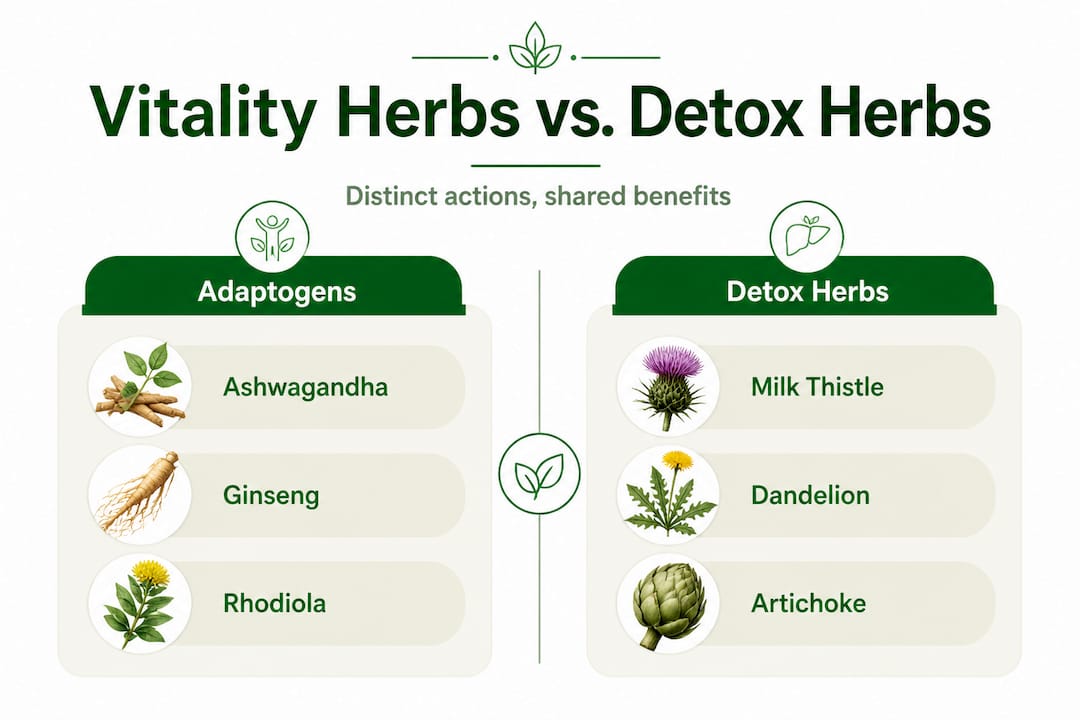
What's the difference between adaptogens and detox herbs?
Adaptogens like ashwagandha target stress pathways and energy by regulating cortisol and neurotransmitter balance, while detox herbs like milk thistle work specifically to protect and restore liver function through antioxidant and membrane-stabilizing mechanisms.