

TL;DR:
- Your immune system faces daily challenges from stress, poor sleep, and processed foods, making support essential. Maintaining foundational habits like adequate sleep, moderate exercise, nutrient-rich diets, and stress management significantly enhances resilience and reduces illness frequency. Combining these with thoughtful herbal support and regular health checks creates a sustainable, effective strategy for long-term immune health.
You are not imagining it. Between stress, poor sleep, and a processed food culture, your immune system is working against real headwinds every single day. Knowing immune support how to actually works, not just the trendy supplements or the latest superfood, is what separates people who get sick every season from those who seem to bounce back fast. This guide covers the full picture: what your body needs as a foundation, step-by-step natural methods grounded in evidence, common mistakes that quietly undermine your defenses, and how to track real progress over time.
Table of Contents
- What you need for effective immune support
- Step-by-step natural methods to boost your immune system
- Common mistakes and safety tips for immune support
- Verifying and maintaining your immune health progress
- Why most immune support advice misses the mark and what truly works
- Boost your immune health with Finer Holistics' natural remedies
- Frequently asked questions
Key Takeaways
| Point | Details |
|---|---|
| Prioritize sleep | Aim for 7 to 8 hours of quality sleep nightly to recharge and support your immune system. |
| Balanced diet matters | Eat two-thirds vegetables, fruits, nuts, and whole grains with lean proteins for natural immune nutrients. |
| Exercise regularly | Engage in at least 150 minutes of moderate exercise weekly to boost immune defenses and reduce aging effects. |
| Manage stress proactively | Practice daily relaxation techniques to lower cortisol and prevent immune suppression from chronic stress. |
| Use herbs cautiously | Consult healthcare providers before using herbal remedies as some have potential interactions or side effects. |
What you need for effective immune support
Before you reach for any supplement or herbal tea, your body needs certain non-negotiables in place. Think of these as the soil before the seed. No herbal remedy works well in a body running on four hours of sleep and chronic stress.
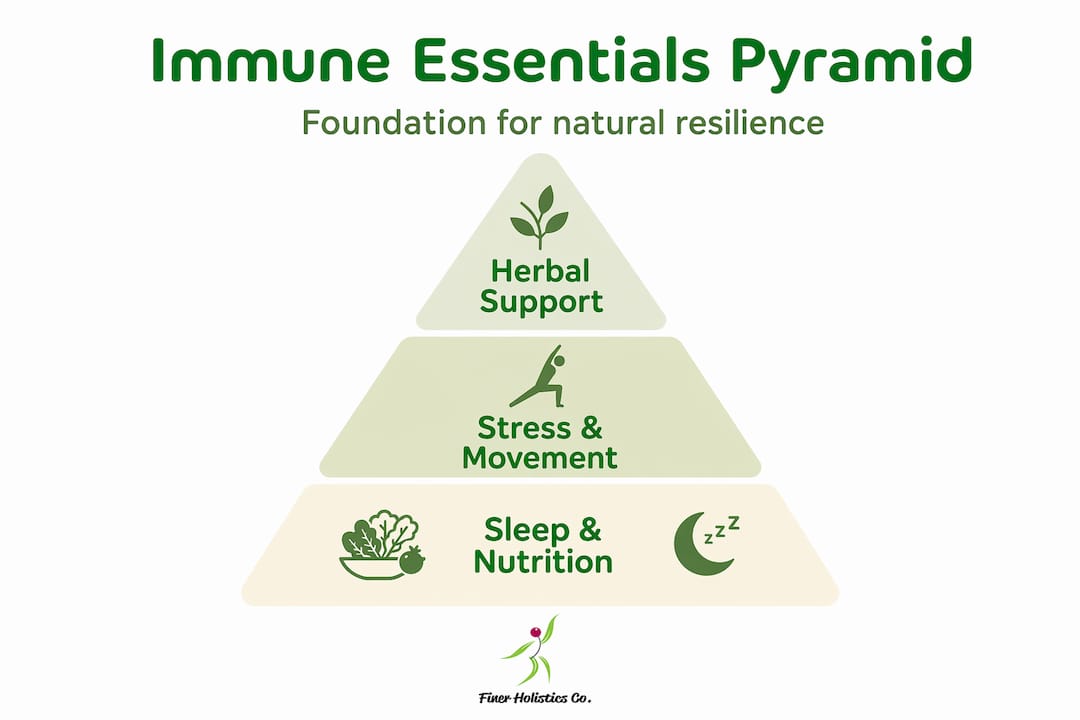
Sleep is your most underrated immune tool. Adults need 7 to 8 hours of sleep nightly to support immune function. During deep sleep, your body produces cytokines, proteins that target infection and inflammation. Cutting that short does not just leave you tired. It leaves your defenses depleted before the day even starts.
Movement matters more than intensity. You do not need to train for a marathon. At least 150 minutes of moderate exercise weekly, things like brisk walking, cycling, or swimming, gives your immune system a meaningful lift. This level of activity improves circulation of immune cells and reduces low-grade inflammation over time.
Micronutrients are the building blocks. Your immune cells literally cannot function without adequate levels of key nutrients. Vitamin C, vitamin D, and zinc from foods like citrus fruits, fatty fish, and nuts form the nutritional backbone of a functioning immune response. These are not optional extras. They are structural.
Here is a quick look at the core immune nutrients and where to get them:
| Nutrient | Key function | Top food sources |
|---|---|---|
| Vitamin C | Antioxidant, supports white blood cell production | Oranges, bell peppers, kiwi |
| Vitamin D | Regulates immune response, reduces inflammation | Fatty fish, egg yolks, sunlight |
| Zinc | Needed for immune cell development and signaling | Pumpkin seeds, chickpeas, cashews |
| Selenium | Protects cells from oxidative stress | Brazil nuts, tuna, sunflower seeds |
Before exploring boost immune health naturally through herbs and tinctures, make sure these baseline habits are in place. Adding herbal support to an already-solid foundation is where results become noticeable.
- Get 7 to 8 hours of quality sleep every night
- Exercise at a moderate intensity for at least 150 minutes weekly
- Eat a variety of whole foods covering your key micronutrients
- Stay well hydrated, aiming for at least 8 cups of water daily
- Limit alcohol and minimize ultra-processed foods
Pro Tip: Track your sleep with a basic app or journal for one week. Most people are surprised to find they are averaging 5.5 to 6 hours, not the 7 to 8 they assumed.
Step-by-step natural methods to boost your immune system
With foundational needs clear, here are the practical, step-by-step methods to naturally build your immune resilience. This is where immune health strategies become real habits rather than vague intentions.
Step 1: Rebuild your plate around plants
Two-thirds of each meal should consist of vegetables, fruits, nuts, and whole grains. That one-third left over is for lean protein or healthy fats. This is not a diet plan. It is a ratio that floods your cells with antioxidants, fiber, and phytonutrients that reduce oxidative stress and feed beneficial gut bacteria, both of which directly impact immune function.
Start simple. Swap white rice for quinoa. Add spinach to your morning eggs. Replace afternoon crackers with a handful of walnuts and an orange. These small changes compound fast.
Step 2: Move consistently, not intensely
Regular moderate-intensity exercise improves immune surveillance and slows immune aging, according to immunologist Dr. Natalie Riddell. Hard, prolonged exercise without recovery, like running 60-plus miles a week, can actually suppress immunity temporarily. The sweet spot is moderate and consistent.
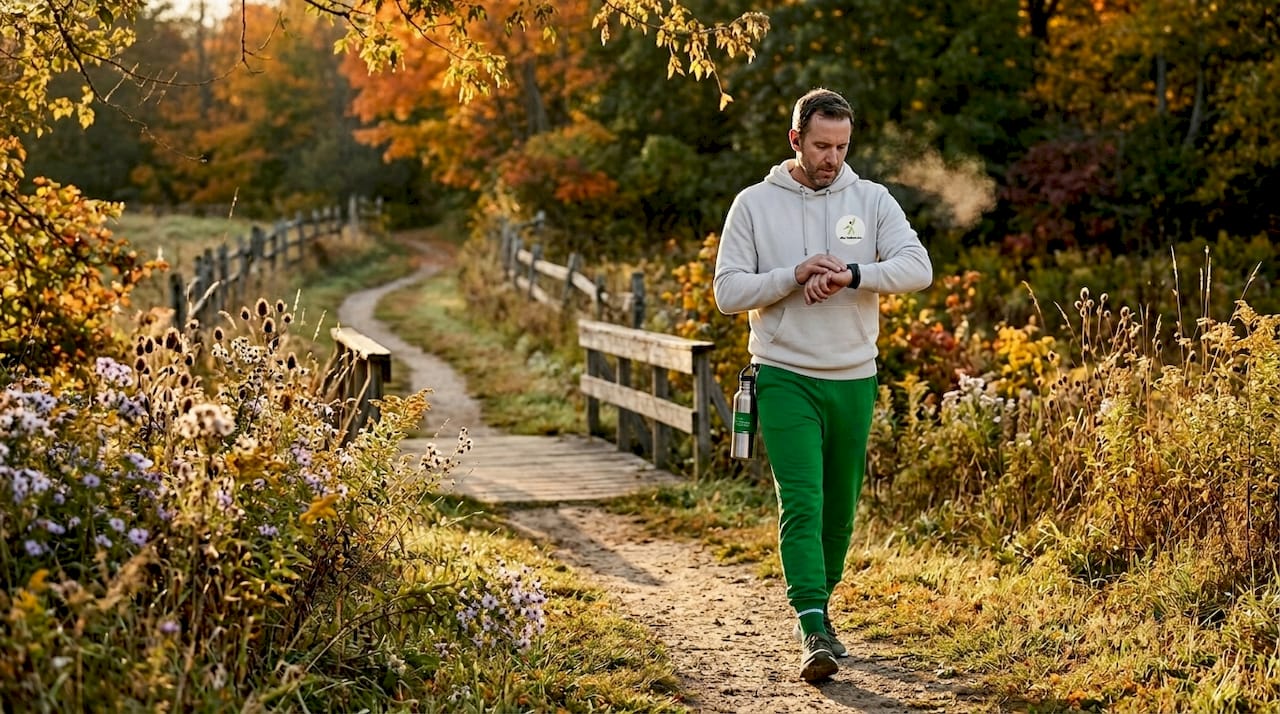
Aim for five 30-minute sessions per week of brisk walking, gentle cycling, yoga, or swimming. The goal is raising your heart rate without exhausting your system.
Step 3: Manage stress before it manages you
Ten to twenty minutes of daily deep breathing or meditation lowers cortisol and supports immunity by reducing stress-related suppression. Cortisol, your stress hormone, is the silent saboteur of immune function. Most people only address stress after they get sick. That is too late. The habit has to be proactive.
Apps like Insight Timer or even a simple 4-7-8 breathing cycle before bed can make a measurable difference within two to three weeks. Pair this with science-backed wellness ways to build a full stress-reduction routine.
Step 4: Add herbal support thoughtfully
Herbs are not magic bullets, but they are powerful allies when used correctly. Echinacea and elderberry may stimulate immune activity, but they require caution due to possible interactions with medications or pre-existing autoimmune conditions. Always consult your healthcare provider first, especially if you are taking immunosuppressants.
When you are cleared to use them, look at the herbal immune support guide for information on preparation methods, dosage, and which herbs pair well together. Elderberry syrup, echinacea tincture, and astragalus root tea are among the most commonly used and well-studied options for supporting immunity naturally.
Pro Tip: Take a two-day-on, one-day-off approach with immune-stimulating herbs rather than daily continuous use. Giving your system a rest helps prevent overstimulation.
Common mistakes and safety tips for immune support
Understanding what to do is vital, but knowing what to avoid ensures your immune support is both safe and effective. Several well-meaning habits can quietly backfire.
Mistake 1: Over-supplementing without a known deficiency
This one is more common than you think. People see "immune support" on a vitamin label and assume more is better. It is not. Supplements do not speed recovery or prevent infections if you have no deficiency, and excessive vitamin D or zinc can actually impair immune function rather than help it. If you eat a reasonably varied diet, you are likely already hitting your baseline needs.
Get a blood panel done before adding high-dose supplements. A simple nutrient screen tells you exactly where you are deficient and where you are not.
Mistake 2: Using raw elderberries
This is a safety issue that rarely gets enough attention. Raw or unripe elderberries contain toxins that cause nausea and diarrhea. You must cook elderberries thoroughly or use commercial products that have been properly processed. Foraging and making your own raw elderberry concoction at home without the right preparation is genuinely dangerous.
Stick to reputable, commercially prepared elderberry syrups, tinctures, or gummies where the processing is already done correctly.
Safety note: If you are pregnant, nursing, or managing an autoimmune condition like lupus or rheumatoid arthritis, herbal immune stimulants require extra scrutiny. Some, like echinacea, may worsen autoimmune activity. Always loop in your doctor before starting any herbal protocol.
Mistake 3: Ignoring stress until illness hits
Stress is not just mental. It is physiological. And most people treat it reactively, reaching for remedies only after they are already sick. By then, cortisol has already been suppressing your immune response for days or weeks. Learn more about avoiding these herbal immune health mistakes before they set you back.
- Do not take high-dose zinc or vitamin D without confirmed deficiency
- Never eat raw elderberries or use unprocessed elderberry products
- Do not rely solely on supplements while neglecting sleep and diet
- Always consult your doctor before using herbs with medications
- Address stress daily, not only when symptoms appear
Pro Tip: Ask your doctor to test your vitamin D level specifically. Low vitamin D is extremely common, especially in winter months, and it is one deficiency where targeted supplementation genuinely moves the needle on immune function.
Verifying and maintaining your immune health progress
After applying immune-boosting steps safely, learn how to verify your progress and keep your defenses strong over time. Results from natural immune support are rarely dramatic overnight. They show up quietly, over weeks and months.
Signs your immune health is improving:
- You wake feeling genuinely refreshed rather than groggy
- You are getting fewer colds or infections per season
- When you do get sick, recovery feels faster and less severe
- Your energy is more consistent throughout the day
- Your digestion feels smoother, which reflects gut-immune connection
Feeling refreshed upon waking and reduced illness frequency are measurable signs that sleep and lifestyle changes are paying off. These are not vague feelings. They are concrete shifts you can track in a simple journal.
When to bring in professional support:
Regular health screenings catch underlying issues weakening your immune defenses before they become bigger problems. Thyroid dysfunction, anemia, and blood sugar imbalances all suppress immunity and often go undetected for years without routine blood work.
Here is a simple tracking framework for your first 90 days:
| Week | What to track | Target |
|---|---|---|
| 1 to 4 | Sleep hours, energy levels | 7 to 8 hours, steady energy |
| 5 to 8 | Exercise frequency, stress habits | 5 sessions/week, daily stress practice |
| 9 to 12 | Illness frequency, recovery speed | Fewer sick days, faster recovery |
| Ongoing | Routine blood work | Annual or bi-annual check-ins |
You can also monitor immune health progress by keeping a simple weekly log of how you feel, what you ate, how you slept, and any herbs or supplements you used. Patterns emerge quickly.
Pro Tip: Use the start of a new season, especially fall, as a natural reset point to review your sleep, diet, and stress habits before cold and flu season peaks.
Why most immune support advice misses the mark and what truly works
Here is the uncomfortable truth that most wellness content avoids: immune health is not a problem you fix with a product. It is a system you maintain with daily behavior.
No single food is a magic cure. A registered dietitian at Cleveland Clinic put it plainly: comprehensive diet and lifestyle matter far more than any individual ingredient. Yet the wellness industry keeps selling people on the next superfood, the next mushroom blend, the next berry extract. The framing is convenient for commerce but misleading for health.
The deeper issue is stress management. Chronic stress raises cortisol that suppresses immune function, and most people only manage stress reactively after illness. They wait until they are exhausted, depleted, or sick to start meditating or resting. That reactive approach means the immune system is always playing catch-up.
What actually works is unsexy but powerful: consistent sleep, a plant-forward diet, daily movement, proactive stress management, and targeted herbal support used with intention. Not any one of those things in isolation. All of them, together, over time.
At Finer Holistics, we were founded on exactly this principle. Plants can do remarkable things for the body, but they work best when paired with the fundamentals. A well-formulated elderberry tincture means more when the person taking it is also sleeping eight hours and eating vegetables. The synergy is real. The shortcut is not.
We also encourage you to explore the science-backed wellness perspective that informs everything we create, because understanding why something works makes you far more likely to stick with it long enough to see results.
Boost your immune health with Finer Holistics' natural remedies
If you have worked through these steps and are ready to add thoughtful herbal support to your routine, Finer Holistics was built for exactly this moment. Every product in our line is handcrafted by a holistic herbalist with ingredient quality and traditional plant wisdom at the center.

Our natural immune support products include herbal teas and tinctures formulated to complement, not replace, the foundational habits covered in this guide. If you are also focused on whole-body wellness, our herbal detox remedies help clear the pathways that make immune function possible. And for women looking to connect immune health with hormone balance, our women's wellness herbs offer plant-based support tailored to that intersection. Real plants. Real intention. Real results.
Frequently asked questions
How much sleep is needed to support a strong immune system?
Adults need 7 to 8 hours of sleep nightly to help the body recharge and maintain strong immune defenses. Falling consistently below this range measurably reduces your body's ability to produce immune-protective cytokines.
Can vitamin supplements boost immunity if I already eat a healthy diet?
If you are not deficient, supplements do not prevent infections or speed recovery. Focus on getting micronutrients through whole foods first, and test for deficiencies before adding high-dose supplements.
Are herbal remedies like echinacea and elderberry safe for everyone?
Herbal remedies may interact harmfully with immunosuppressants or worsen autoimmune conditions, so they are not universally safe. Always consult your doctor before starting any herbal immune protocol.
How does stress affect my immune system?
Chronic stress raises cortisol which directly suppresses immune function over time. Daily practices like deep breathing or meditation prevent this suppression rather than simply treating it after the fact.