
TL;DR:
- Evidence supports elderberry, echinacea, astragalus, garlic, and ginger as effective immune herbs.
- Safety considerations and individual health conditions are crucial in choosing herbal immune support options.
- Consistent, routine use of certain herbs builds long-term immune resilience, rather than relying on quick fixes.
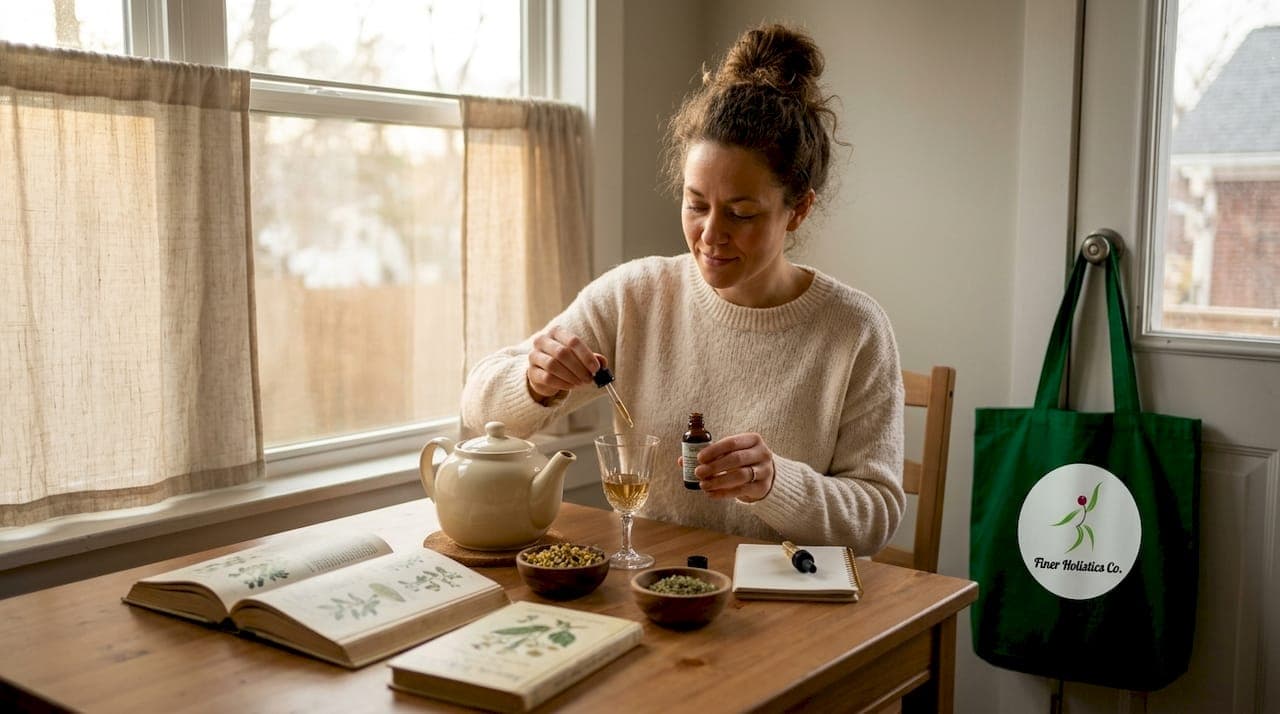
Every cold and flu season, shelves fill with herbal remedies promising to "boost" your immune system. The problem is that most of those claims are built on marketing, not research. Sorting out what actually works, and what format works best, requires more than a quick Google search. Whether you're drawn to a warm mug of elderberry tea or a daily tincture ritual, the herbs you choose matter, and so does the evidence behind them. This guide cuts through the noise with a clear, research-grounded look at which herbs genuinely support immune health and how to use them safely.
Table of Contents
- How to choose herbs for immune support
- Top evidence-backed herbs for immune support
- Comparing herbs: efficacy, safety, and best use
- Situational recommendations and safety tips
- A holistic perspective: choosing immune herbs that fit real lives
- Find trusted herbal solutions for immune support
- Frequently asked questions
Key Takeaways
| Point | Details |
|---|---|
| Evidence-driven choices | Focus on herbs with both scientific backing and traditional use for effective immune support. |
| Safety matters most | Prioritize safety—avoid immunostimulants if you have autoimmune disease or are pregnant, and check drug interactions. |
| Preparation counts | How you brew teas or tinctures changes their potency and effect; always follow expert preparation tips. |
| Personalize your routine | Choose herbs and methods that fit your unique health goals, lifestyle, and sensitivities. |
How to choose herbs for immune support
Not every herb that claims immune benefits delivers them equally. Before you stock your cabinet, it pays to understand what separates a solid herbal choice from a trendy one.
The four criteria that matter most:
- Safety profile: Is the herb well-tolerated across most adults? Are there known side effects or risks?
- Evidence quality: Are there clinical studies, meta-analyses, or systematic reviews supporting immune benefits?
- Traditional use: Has the herb been used consistently across cultures for centuries, lending it real-world credibility?
- Personal health context: Do you have an autoimmune condition, take prescription medications, or have you ever been pregnant or breastfeeding?
These four filters work together. An herb backed by strong tradition but zero clinical evidence deserves skepticism. An herb with some studies but a poor safety record requires caution. The goal is overlap: plants that score well across all four.
Teas vs. tinctures: what's the real difference?
This is one of the most common questions we hear. Herbal teas are gentle and easy to fit into daily routines. You steep dried plant material for 5 to 15 minutes, and the water extracts water-soluble compounds. Tinctures, on the other hand, use alcohol or glycerin to extract a wider range of plant compounds at higher concentrations. Tinctures absorb faster and require smaller volumes, making them practical when convenience matters. The tradeoff is that tinctures can be more potent, which means both higher potential benefits and higher potential risk if misused.
Research-based vs. anecdotal claims
A claim like "this herb strengthens immunity" sounds compelling, but immunity is complex. A plant may stimulate certain immune cells in a lab setting without translating to measurable protection in real humans. Empirical data shows modest URTI benefits with mild side effects for some herbs like echinacea, while gentler options like ginger and garlic teas show a safer profile for everyday use. That's the kind of nuance worth knowing before you buy.
Common exclusions to keep in mind:
Certain populations should approach immune herbs with extra caution. People with autoimmune diseases, those taking immunosuppressant medications, and pregnant or breastfeeding individuals face real risks with several popular herbs. Read more about herbal wellness safety before starting any new herbal routine, and always check for herb-drug interactions with a qualified healthcare provider.
Pro Tip: When a wellness influencer promotes an herbal remedy, ask one question: "Where is the clinical evidence?" If the answer is a testimonial or a general reference to "ancient wisdom," keep searching.
Top evidence-backed herbs for immune support
With criteria established, here are the top herbs that both science and tradition agree on, along with how to use them and what to watch for.
Elderberry (Sambucus nigra)
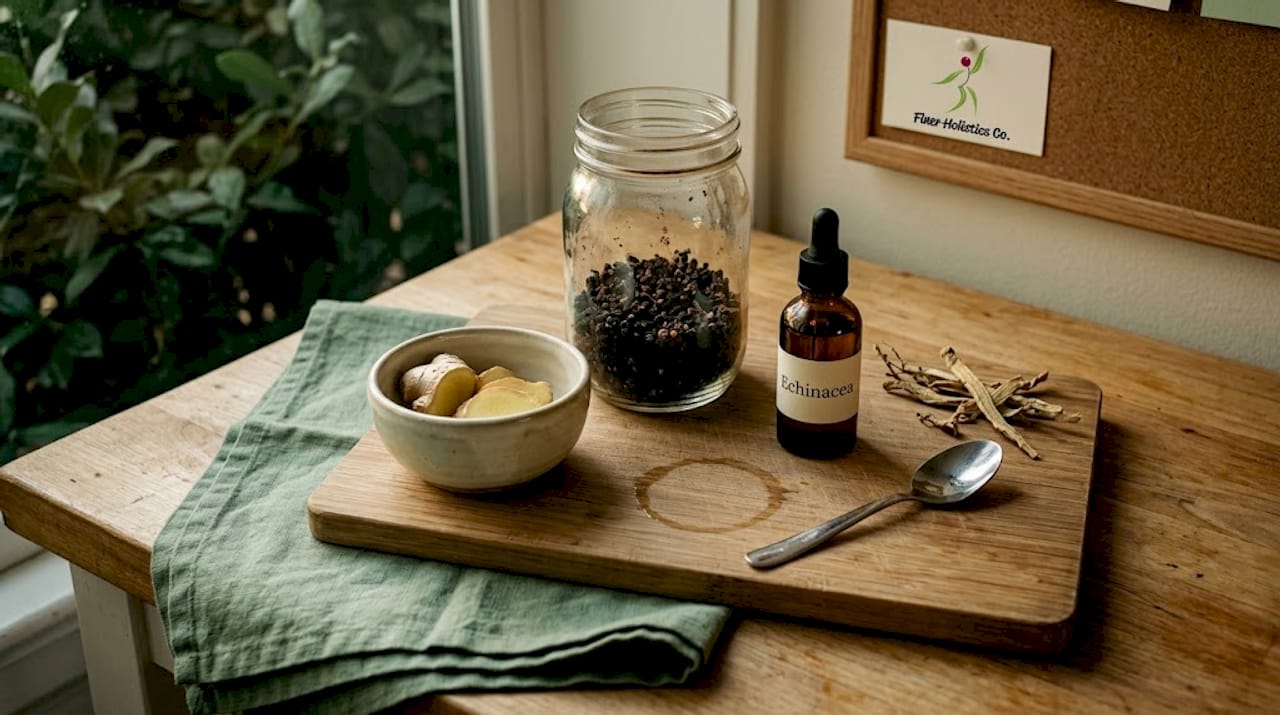
Elderberry is one of the most studied herbs for respiratory and immune health. It's rich in phenolic compounds like rutin and quercetin, which deliver antioxidant, anti-inflammatory, and antiviral properties that actively support immune function. Elderberry works particularly well as a syrup, tea, or tincture during cold and flu season. It's among the safer options for most adults, making it a go-to for herbal teas for immune health.
Echinacea
Echinacea is probably the most familiar name in immune herbs. A meta-analysis of 9 randomized controlled trials found that Echinacea purpurea reduces both the duration and incidence of upper respiratory tract infections (URTI), though it does increase mild adverse events like digestive discomfort in some users. Available as a tea or extract, echinacea is most effective when used at the first sign of illness rather than as a long-term daily supplement.
Astragalus
Astragalus is an adaptogenic root used in traditional Chinese medicine for thousands of years. Modern research confirms it enhances immune responses and reduces proinflammatory cytokines, which makes it valuable as a long-term immune tonic. The critical caveat: people with autoimmune diseases should avoid it entirely, as its immune-stimulating action can worsen these conditions. Tinctures are a popular format for astragalus because consistent daily dosing is easier to manage. Explore more on herbal ingredient evidence to understand how astragalus fits into broader wellness protocols.
Garlic and ginger
These kitchen staples deserve a spot in any immune-support conversation. Garlic's active compound, allicin, and ginger's active compounds, called gingerols, together provide antimicrobial, antioxidant, and anti-inflammatory effects that support immune cell function and help reduce infection severity. Research suggests 1 to 2 cloves of garlic or 1 gram of ginger daily provides meaningful benefit. Combined in a warm tea with lemon and honey, they're also one of the most accessible and affordable immune-support options available. They're safe for the vast majority of adults, including many populations that need to avoid stronger immunostimulants.
Turmeric
Turmeric gets enormous attention in the wellness space, and its anti-inflammatory effects are real. However, evidence for direct immune support remains insufficient, and high-bioavailability supplement forms can carry liver damage risk. Standard culinary use is safe and beneficial. If you want to include turmeric in your herbal routine, pair it with black pepper (which increases absorption) and keep doses within normal food-level ranges. Check out this overview of herbal supplements for vitality to see how turmeric fits alongside safer, better-evidenced choices.
Quick note: Not all herbs work the same way for everyone. Your health history, current medications, and lifestyle all shape which herbs will genuinely benefit you. A one-size-fits-all approach rarely delivers consistent results. For a broader look at immune-boosting foods, a balanced diet remains the strongest foundation.
Comparing herbs: efficacy, safety, and best use
To make a confident choice, let's directly compare these options across the dimensions that matter most.
| Herb | Primary benefit | Best format | Safety rating | Avoid if... |
|---|---|---|---|---|
| Elderberry | Antiviral, respiratory support | Tea, syrup, tincture | High for most adults | High doses in pregnancy |
| Echinacea | Reduces URTI duration | Tea, tincture, capsule | Moderate | Autoimmune disease |
| Astragalus | Immune modulation, tonic use | Tincture, decoction | Moderate | Autoimmune disease, immunosuppressants |
| Garlic | Antimicrobial, antioxidant | Tea, raw, supplement | Very high | Blood thinner medications |
| Ginger | Anti-inflammatory, antimicrobial | Tea, tincture | Very high | High doses in late pregnancy |
| Turmeric | Anti-inflammatory | Tea, culinary | High (culinary) | High-dose supplements with liver issues |
Preparation and timing tips:
- Elderberry and echinacea work best taken at the onset of symptoms, not necessarily every day year-round.
- Astragalus is suited to tonic use, meaning regular, long-term consumption to build baseline immune resilience.
- Garlic and ginger are ideal daily ingredients blended into morning teas or broths.
- Turmeric is best consumed with fat and black pepper to improve curcumin absorption meaningfully.
The autoimmune caution you can't ignore
This point deserves extra emphasis. Immunostimulants like echinacea, elderberry, and astragalus work partly by boosting cytokines and natural killer (NK) cell activity. For people with autoimmune diseases, this same mechanism can trigger flares and worsen existing conditions. If you have lupus, rheumatoid arthritis, multiple sclerosis, or any other autoimmune diagnosis, these herbs require a hard pass without your doctor's explicit guidance.
Browse our curated immune support herbs for options matched to different health needs and safety profiles.
Pro Tip: Rotate your herbs seasonally rather than relying on the same formula all year. Use garlic and ginger as everyday staples, reach for elderberry or echinacea during acute illness or high-exposure periods, and use astragalus as a long-term tonic during lower-risk months. For a wider lens on family immunity strategies, rotation can be especially helpful for households with varied health needs.
Situational recommendations and safety tips
After comparing these herbs, let's break down practical choices and essential safety tips for your specific situation.
Matching herbs to your situation:
-
Daily wellness maintenance: Garlic and ginger are your safest daily allies. Add them to warm teas, broths, or smoothies. Astragalus tincture can serve as a long-term tonic if you're not managing an autoimmune condition.
-
Acute cold or flu support: Reach for elderberry syrup or tincture at the very first sign of a respiratory bug. Echinacea tea or extract taken in the first 24 to 48 hours shows the strongest evidence for shortening illness duration.
-
Stress and immune dips: Chronic stress suppresses immune function. Ginger tea daily supports both immune health and stress-related inflammation. Astragalus, if appropriate for you, may help buffer immune changes triggered by prolonged stress.
-
Special populations: Pregnant individuals should avoid high-dose echinacea and astragalus and consult a midwife or OB before using any herbal supplement. For postpartum support, some herbs are appropriate and some are not; read a reliable postpartum herbal support guide before starting. Parents choosing herbs for their children or during pregnancy can also review herbal wellness for parents for guidance.
-
Medication users: This is critical. Astragalus and echinacea can interfere with immunosuppressants, and herbs like St. John's wort speed up the metabolism of many prescription drugs, including medications with narrow therapeutic windows like warfarin. Never start a new herbal regimen without disclosing it to your prescribing physician.
Safety at a glance:
| Situation | Safer options | Avoid |
|---|---|---|
| Autoimmune disease | Ginger, turmeric (culinary) | Echinacea, elderberry, astragalus |
| Pregnancy | Ginger (low dose), culinary garlic | High-dose echinacea, astragalus |
| On immunosuppressants | Ginger, culinary turmeric | Astragalus, echinacea |
| Taking blood thinners | Turmeric (culinary only) | High-dose garlic, ginger supplements |
| General healthy adult | All listed herbs (appropriate doses) | Exceeding recommended doses |
"The most responsible approach to herbal immune support combines traditional plant knowledge with current clinical evidence and honest acknowledgment of individual health differences. No herb replaces professional medical advice." — NCCIH guidance principle
Before starting any herbal protocol, run through a quick mental checklist: Do you have a diagnosed health condition? Are you on any medications? Are you pregnant or breastfeeding? If the answer to any of those is yes, consult a qualified healthcare provider first.
A holistic perspective: choosing immune herbs that fit real lives
Here is what most wellness guides miss entirely. The conversation around immune herbs gets framed as a search for a single "best" herb, as if one plant will transform your immune system overnight. That framing is wrong, and chasing it keeps people stuck in an endless cycle of trying the latest trend.
The honest truth about the research is that even the most well-studied herbs show modest effects. Echinacea shortens a cold by a day or two. Elderberry may reduce symptom severity. Garlic improves immune cell activity over time. None of these are miracle workers, but that is not the point. The real value of herbal routines is consistency. A daily ginger tea, a seasonal elderberry protocol, a long-term astragalus tonic approach: these habits build a healthier baseline over months and years, not days.
We also believe deeply that evidence versus hype is the most important distinction in plant-based wellness today. Nature is powerful, but "natural" does not automatically mean safe or effective. When you approach herbs with both respect for tradition and honest assessment of the research, you make better decisions for your body.
Pro Tip: Keep a simple journal for the first 30 days of any new herbal routine. Note how you feel, your energy levels, sleep quality, and any side effects. This feedback is more useful than any trend article.
Find trusted herbal solutions for immune support
After learning the facts about herbs, the next step is finding products you can actually trust. At Finer Holistics, every blend is crafted with the same evidence-informed, plant-first philosophy you've been reading about here.
Explore our herbal detox remedies designed to complement your immune support routine, or start simple with our detox starter pack for a guided introduction to herbal wellness. Whether you're looking for daily teas, tinctures, or seasonal immune blends, browse all herbal remedies at Finer Holistics to find the right fit for your health goals. Our products are handcrafted with carefully selected ingredients and designed to work with your body's natural healing intelligence.
Frequently asked questions
Are herbal teas or tinctures better for immune support?
Teas offer gentle, daily support while tinctures provide concentrated, fast-absorbing benefits; the best choice depends on your needs and convenience. For daily maintenance, teas are ideal, while tinctures dosed 2 to 4 times daily may better suit acute immune needs, keeping in mind that pregnancy and autoimmune conditions require extra caution with either format.
Which herbs should I avoid if I have an autoimmune disease?
Avoid immunostimulants like echinacea, astragalus, and elderberry, as they can flare autoimmune symptoms by boosting immune cell activity. These herbs boost cytokines and NK cells, which is counterproductive when your immune system is already overactive.
How can herbs interact with prescription medications?
Some herbs, like astragalus and echinacea, can affect immunosuppressants, while others may speed up drug metabolism; always consult your health provider for safety. Herb-drug interactions are especially serious with narrow therapeutic index medications like warfarin, where even small changes in metabolism can have significant health consequences.
Is turmeric effective for immune support?
Turmeric's anti-inflammatory compounds are helpful but evidence for direct immune benefits is limited; high-bioavailability forms can have safety risks. Curcumin's immune evidence remains insufficient for confident claims, and high-dose supplement forms carry potential liver risks, making culinary use the safest way to enjoy turmeric regularly.