
TL;DR:
- Most immune herbs support balance rather than overstimulation, emphasizing anti-inflammatory and stress-reducing effects.
- A holistic approach combining proper nutrition, sleep, stress management, and targeted herbs enhances long-term resilience effectively.
Reaching for a single "super herb" every cold season is a habit millions of people share, yet the science tells a different story. Your immune system is not a single switch you flip with one capsule. It is a layered, dynamic network shaped by what you eat, how you sleep, the stress you carry, and yes, the plants you choose to work with. This guide cuts through the noise, separates fact from marketing hype, and shows you exactly how to use herbs alongside the lifestyle habits that actually move the needle on long-term immune resilience.
Table of Contents
- How your immune system works: The basics and what impacts it
- Top immune-supporting herbs and how they work
- How to safely use herbs for immune support
- Herbal immunity in a holistic lifestyle: Diet, sleep, and beyond
- Why most immune herb advice misses the bigger picture
- Explore trusted herbal solutions for immune wellness
- Frequently asked questions
Key Takeaways
| Point | Details |
|---|---|
| Fix deficiencies first | Addressing vitamin and mineral gaps is the strongest way to support your immune health. |
| Focus on symptom relief | Herbs like elderberry and echinacea may reduce symptoms but aren't proven to prevent illness. |
| Be selective and safe | Choose anti-inflammatory herbs and consult providers if you have autoimmune disease or take medications. |
| Think holistically | Herbs work best when combined with good nutrition, sleep, and stress management. |
How your immune system works: The basics and what impacts it
Your body runs two overlapping defense systems. The innate immune system is your first responder. It reacts within minutes to anything foreign, using physical barriers like skin and mucous membranes, plus immune cells that attack invaders on contact. The adaptive immune system is slower but smarter. It learns from each threat, builds memory, and creates targeted antibodies. Both systems must work in sync for real protection.
What weakens this coordination? The answer is often simpler than people expect. Vitamin and mineral deficiencies impair immune function, increasing your susceptibility to infection. Nutrients like vitamins A, C, D, and E, plus zinc and selenium, are not optional extras. They are structural requirements for producing immune cells, regulating inflammation, and keeping your barriers intact.
Herbs work differently than vitamins. Rather than filling a deficiency gap, they influence immune pathways, meaning they can modulate how your immune cells communicate, reduce excess inflammation, or support the body's stress response. Understanding this distinction changes how you approach your wellness routine entirely.
"Deficiencies, not supplements, drive poor immunity." Correcting what is missing in your diet is always the first priority.
Key factors that shape your immune health every day:
- Sleep: Deep sleep is when your body produces cytokines, the proteins that coordinate immune response
- Chronic stress: Elevated cortisol suppresses white blood cell activity over time
- Diet quality: Ultra-processed foods promote systemic inflammation, which exhausts immune resources
- Physical activity: Moderate exercise circulates immune cells and reduces inflammatory markers
- Gut health: Roughly 70% of your immune tissue lives in your digestive tract
If you are new to working with plants for wellness, our herbal remedy guide is a solid starting point before adding herbs to your routine.
Top immune-supporting herbs and how they work
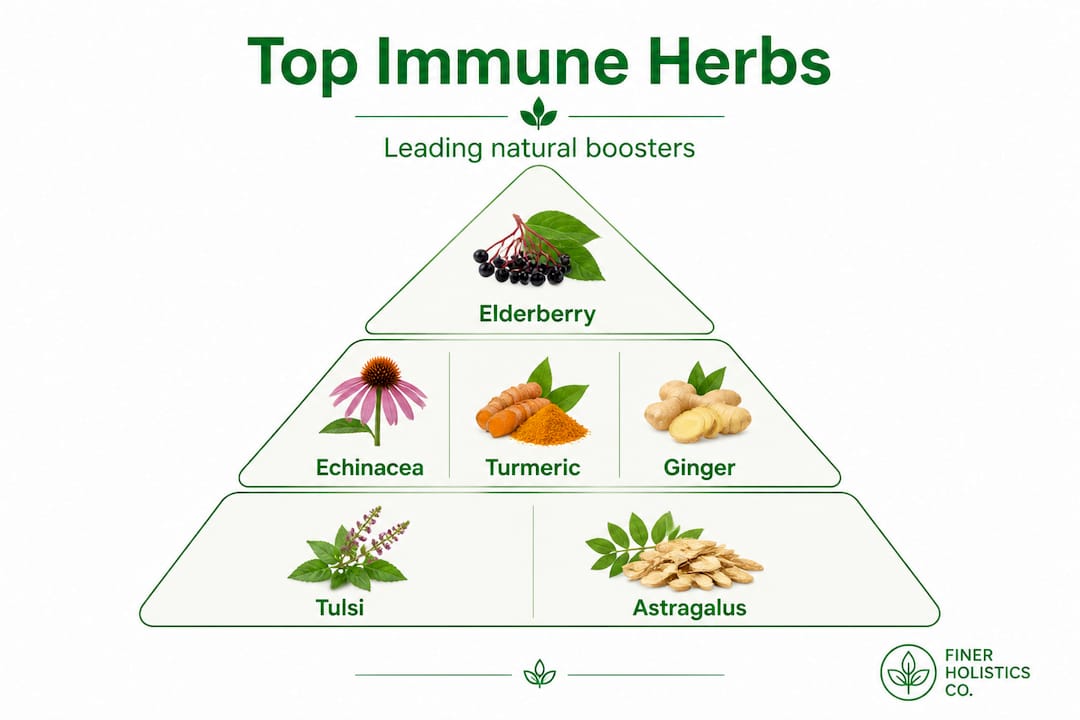
Understanding what harms or helps your immune system sets the stage for looking at the herbs that can make a real difference. The following five herbs have the most research behind them for immune applications, though the quality and depth of that evidence varies considerably.
Elderberry (Sambucus nigra) is one of the most popular cold and flu remedies in the world. Elderberry may relieve flu and cold symptoms based on preliminary research, though evidence for prevention is still lacking. It works by inhibiting viral replication and reducing the duration of symptoms. Most studies use standardized extracts, so quality matters enormously here.
Echinacea is another household name. Echinacea may slightly reduce cold risk and duration, though results across studies are mixed. It stimulates innate immune activity, which is helpful for short-term use but potentially problematic for people with autoimmune conditions.
Turmeric and ginger are more than kitchen spices. Turmeric and ginger reduce inflammation via immune modulation, meaning they help regulate the inflammatory response rather than simply suppressing or stimulating it. This makes them useful for long-term, daily use without the risks associated with immunostimulants.
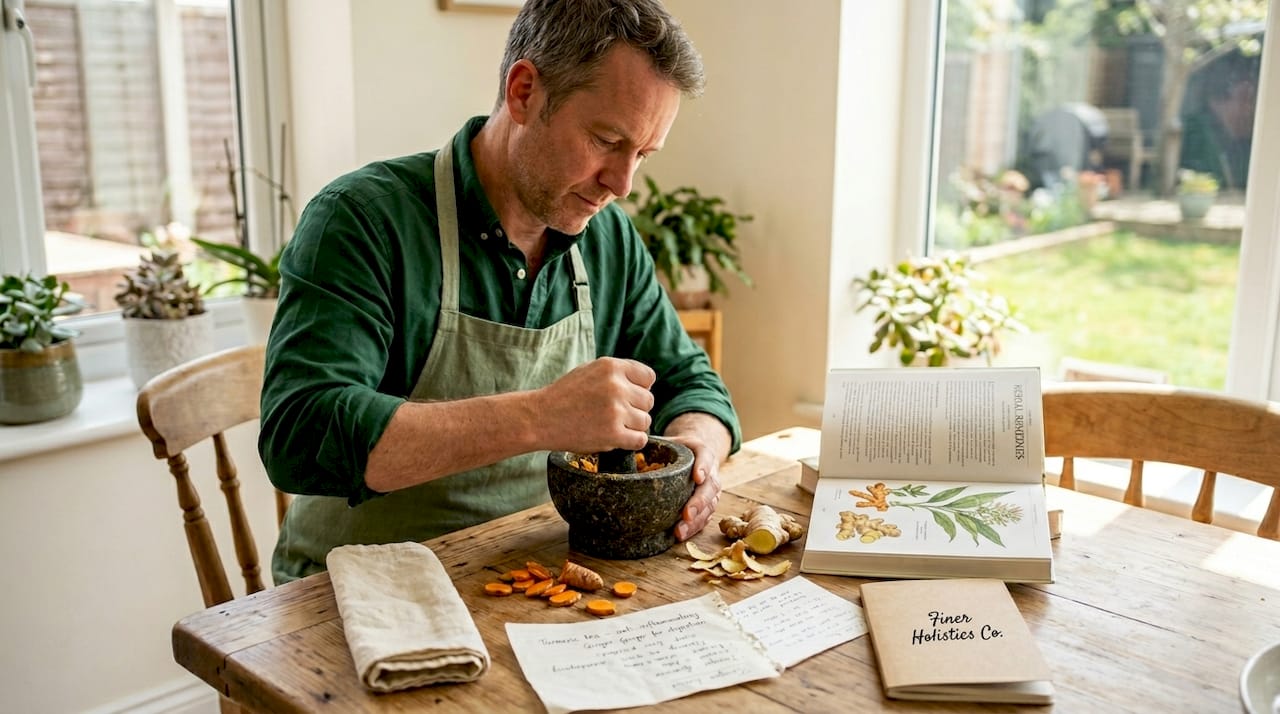
Astragalus and tulsi (holy basil) round out the list. Herbs like astragalus and tulsi-ginger enhance immune response in animal studies, with astragalus showing particular promise for supporting adaptive immunity over time. Human evidence is still growing, but traditional use spans thousands of years.
| Herb | Primary benefit | Research strength | Safety notes |
|---|---|---|---|
| Elderberry | Symptom relief (cold/flu) | Moderate | Avoid raw berries; safe short-term |
| Echinacea | Reduces cold duration | Moderate, mixed | Avoid in autoimmune disease |
| Turmeric | Anti-inflammatory | Strong | Safe long-term; needs black pepper |
| Ginger | Anti-inflammatory, digestive | Strong | Generally very safe |
| Astragalus | Adaptive immune support | Preliminary | Avoid with immunosuppressants |
One important distinction worth making: symptom relief and prevention are not the same thing. Elderberry and echinacea are most useful once symptoms appear, not necessarily as daily preventives. Turmeric and ginger, on the other hand, support baseline immune balance and are well suited to everyday use.
Pro Tip: Turmeric's active compound, curcumin, has very low bioavailability on its own. Pairing it with black pepper (which contains piperine) increases absorption by up to 2,000%. Always combine them.
Situations where you should avoid strong immunostimulant herbs:
- Active autoimmune conditions such as lupus, rheumatoid arthritis, or multiple sclerosis
- Current use of immunosuppressant medications (organ transplant recipients, for example)
- Pregnancy or breastfeeding, unless cleared by a healthcare provider
- Known allergies to plants in the Asteraceae family (which includes echinacea)
- Children under two years old without pediatric guidance
Explore our herbal immune booster or browse the full immune support collection to see how these herbs are formulated for real-life use. For a broader look at how herbal preparations differ, our post on types of herbal remedies breaks down teas, tinctures, capsules, and more.
How to safely use herbs for immune support
Knowing which herbs can help is just the beginning. Using them wisely makes all the difference between a supportive wellness practice and a frustrating or even harmful experience.
A holistic approach is preferred when adding any supplement or herb to your routine. That means short-term use where appropriate, monitoring for side effects, and pairing herbs with strategies that enhance their effectiveness. Here is a practical step-by-step approach:
- Identify your goal. Are you trying to shorten a current cold, support baseline immunity during a stressful season, or address chronic low-grade inflammation? Your goal determines which herb fits best.
- Research the herb's evidence profile. Not all herbs are equal. Use the comparison table above as a starting point, and check sources like the National Institutes of Health for updated research.
- Choose a quality product. Look for standardized extracts, third-party testing, and transparent ingredient sourcing. Poorly processed herbs can lose potency or contain contaminants.
- Start with a low dose. Introduce one new herb at a time, beginning at the lower end of the recommended dosage range. This makes it easier to identify any reactions.
- Set a time limit. Most immunostimulant herbs are best used for two to four weeks at a time, not indefinitely. Anti-inflammatory herbs like turmeric and ginger can be used more consistently.
- Track how you feel. Note any changes in digestion, energy, skin, or symptoms. GI discomfort and mild allergic reactions are the most common issues to watch for.
- Reassess and adjust. After your initial period, evaluate whether the herb is serving your goals and adjust accordingly.
Because echinacea may not be safe for autoimmune diseases, this step-by-step process is especially important for anyone with a chronic health condition. When in doubt, always consult your healthcare provider before starting any herbal protocol.
Pro Tip: Combine lifestyle approaches with herbal use for lasting benefits. An herb taken alongside poor sleep and a high-sugar diet will always underperform compared to the same herb taken as part of a genuinely healthy routine.
Additional safety checkpoints:
- Disclose all herbs and supplements to your doctor, especially before surgery or new prescriptions
- Watch for interactions between blood-thinning medications and herbs like ginger or turmeric
- Pregnant women should consult a provider before using any herb beyond culinary amounts
- For families, our guides on herbal remedies for families and herbal remedies for kids offer age-appropriate guidance
Herbal immunity in a holistic lifestyle: Diet, sleep, and beyond
Now, let's see how herbs work best. Not in isolation, but as part of a lifestyle tuned for resilience. The strongest evidence supports correcting nutrient deficiencies and combining herbs with genuinely healthy habits. Herbs are amplifiers, not replacements.
| Lifestyle factor | Impact on immunity | How herbs interact |
|---|---|---|
| Nutrition | Provides raw materials for immune cells | Herbs fill gaps vitamins cannot; anti-inflammatory herbs reduce diet-related inflammation |
| Sleep (7-9 hrs) | Regulates cytokine production and immune memory | Adaptogenic herbs like ashwagandha support stress-related sleep disruption |
| Stress management | Chronic stress depletes immune resources | Adaptogens (ashwagandha, tulsi) modulate cortisol response |
| Physical activity | Circulates immune cells, reduces inflammation | Anti-inflammatory herbs support post-exercise recovery |
| Gut health | Houses 70% of immune tissue | Ginger, turmeric, and prebiotic-rich foods support the gut-immune axis |
What this table makes clear is that no herb operates in a vacuum. Ginger supports your gut, but a diet full of refined sugar will undo that work. Elderberry may shorten your cold, but chronic sleep deprivation will keep making you susceptible to the next one.
Habits that amplify herbal effects and your natural defenses:
- Eat a wide variety of colorful vegetables and fruits daily to supply antioxidants and phytonutrients
- Prioritize seven to nine hours of quality sleep, especially during cold and flu season
- Practice stress reduction through movement, breathwork, or time in nature
- Stay well hydrated, since immune cells travel through lymph and blood, both of which depend on adequate fluid
- Limit alcohol, which directly suppresses immune cell function at even moderate intake levels
- Use fermented foods like yogurt, kefir, and sauerkraut to support gut-based immunity
- Get sunlight or supplement vitamin D, since deficiency is extremely common and directly linked to immune weakness
For a deeper look at weaving herbs into everyday family life, our guide on holistic herbal wellness offers practical, real-world strategies.
Why most immune herb advice misses the bigger picture
Here is something we see constantly in the wellness space: articles that promise one herb will "supercharge" your immune system, as if your body were a car that just needs premium fuel. The reality is far more nuanced, and frankly, more interesting.
Most guides focus on stimulating the immune system. But a chronically over-stimulated immune system is not a healthy one. That is actually the mechanism behind autoimmune disease, where your body attacks itself because its defenses are dysregulated, not weak. The goal is not maximum immune activation. The goal is balance.
This is why we believe anti-inflammatory herbs like turmeric and ginger are often more valuable for everyday use than immunostimulants like echinacea. They do not push your immune system harder. They help it work smarter by reducing the chronic background inflammation that exhausts your defenses over time.
Sustainable immune health is not about finding the strongest herb. It is about building the conditions in which your body can do what it already knows how to do.
We have also noticed that people tend to add herbs reactively, reaching for elderberry the moment a sore throat appears, but ignoring their sleep debt, their stress load, and their nutrient gaps the rest of the year. That is backwards. The beginner herbal guide we put together is specifically designed to help people build a proactive, intentional herbal practice rather than a reactive one.
The uncomfortable truth is that most people do not need more supplements. They need better sleep, less processed food, and more consistent movement. Herbs are a meaningful addition to that foundation. They are not a substitute for it.
Pro Tip: When adding herbs to your routine, introduce one at a time and give it two to three weeks before evaluating. Stacking five new herbs simultaneously makes it impossible to know what is working and what is causing side effects.
Explore trusted herbal solutions for immune wellness
Ready to put holistic immune wisdom into practice? At Finer Holistics, every product is crafted with the same intention behind this guide: to support your body's natural ability to heal, not override it.
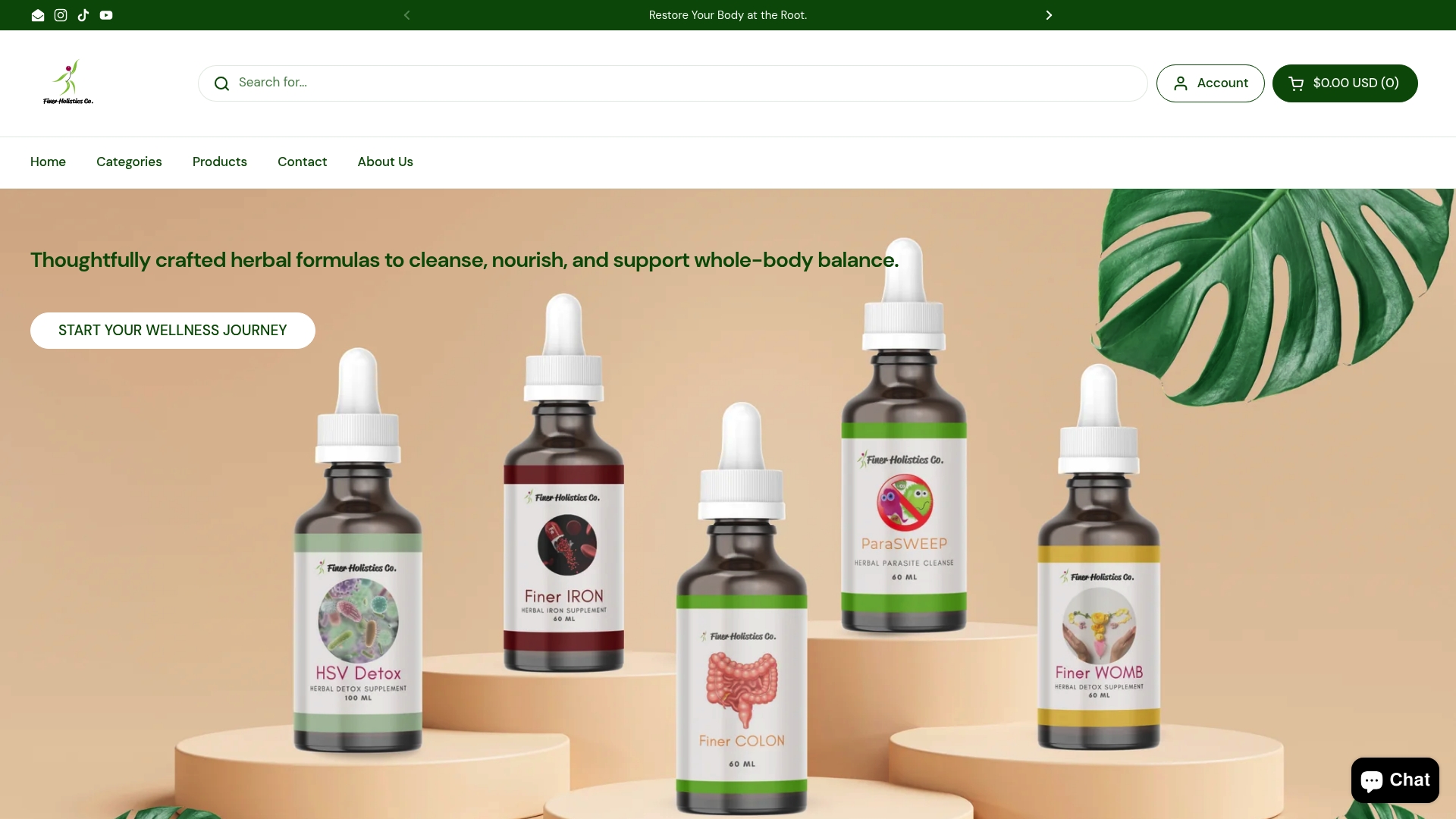
Whether you are looking to start with a detox starter pack to clear the foundation before building your immune routine, or you want to explore our full range of herbal detox remedies and targeted formulas, we have options designed for real people with real wellness goals. Women looking for hormone and immune support will also find thoughtfully curated options in our women's wellness herbs collection. Each product is handcrafted using carefully selected ingredients, so you know exactly what you are putting in your body and why.
Frequently asked questions
Which herbs work fastest for colds and flu symptoms?
Elderberry may relieve flu and cold symptoms based on preliminary research, and echinacea may slightly reduce cold duration, with some people noticing effects within one to two days of starting use.
Do I need to take herbs every day to keep my immune system strong?
Daily use is not always necessary or recommended. Short-term use is preferred for most immunostimulant herbs, making them most effective during illness or high-risk periods like winter season.
Are there people who should avoid immune-boosting herbs?
Yes. Avoid echinacea in autoimmune diseases and always consult a healthcare provider if you take immunosuppressant medications, are pregnant, or have a chronic health condition before using any immunostimulant herb.
Is it better to use herbs or focus on vitamins for immunity?
Correcting deficiencies comes first. Vitamin and mineral deficiencies impair immune function more significantly than any herb can compensate for, but herbs offer valuable symptom relief and anti-inflammatory support alongside a nutrient-complete diet.
How do I know if an herb is safe for me?
Start with a small dose of one herb at a time, monitor for allergic reactions or digestive discomfort over one to two weeks, and consult your healthcare provider if you have any chronic conditions or take prescription medications regularly.