
TL;DR:
- The body naturally detoxifies through liver, kidneys, gut, lungs, and skin using proper nutrition.
- Consistent plant-based diets high in fiber and antioxidants support ongoing toxin removal.
- Sustainable habits with whole foods and targeted herbs are more effective than short-term cleanses.
Most people assume that detoxing means buying an expensive juice cleanse or surviving on lemon water for a week. The reality is far more grounded. Your body runs sophisticated detox systems around the clock, using the liver, kidneys, gut, lungs, and skin to process and eliminate waste. What actually powers those systems? Nutrition. The right plant-based cofactors keep your detox enzymes running at full capacity. In this article, we break down how your body detoxifies naturally, which foods and herbs make the biggest difference, and why sustainable daily habits beat any short-term cleanse.
Table of Contents
- How the body detoxifies naturally
- Plant-based diets, fiber, and toxin removal
- Herbal remedies and targeted nutrients
- Myths, risks, and the truth about cleanses
- Our perspective: Sustainable nutrition over detox fads
- Explore holistic detox solutions
- Frequently asked questions
Key Takeaways
| Point | Details |
|---|---|
| Nutrition powers detox | Plant-based foods, fiber, and antioxidants fuel the body’s natural detox systems. |
| Whole foods bind toxins | Fiber and polyphenols from vegetables and fruits help the body eliminate toxins safely. |
| Herbs offer gentle support | Herbal remedies like milk thistle and turmeric boost liver detox enzymes when used responsibly. |
| Avoid detox extremes | Extreme cleanses lack proven advantages and can pose health risks. |
| Sustainability trumps quick fixes | Daily plant-based nutrition is more effective than occasional cleansing diets for long-term detox and wellness. |
How the body detoxifies naturally
Your liver is the command center of detoxification, but it does not work alone. Every organ in your body plays a supporting role, and nutrition is the thread that ties it all together.
The liver processes toxins in two distinct stages. Phase I uses a family of enzymes called cytochrome P450 to oxidize fat-soluble toxins, making them more reactive. Phase II then neutralizes those reactive compounds through conjugation reactions, attaching molecules like glutathione, sulfate, or glucuronic acid so the toxin can be safely excreted. These liver Phase I and II enzymes require antioxidants, amino acids, and vitamins as cofactors to function properly. Without adequate nutrition, Phase I can actually generate more harmful intermediates than it clears.
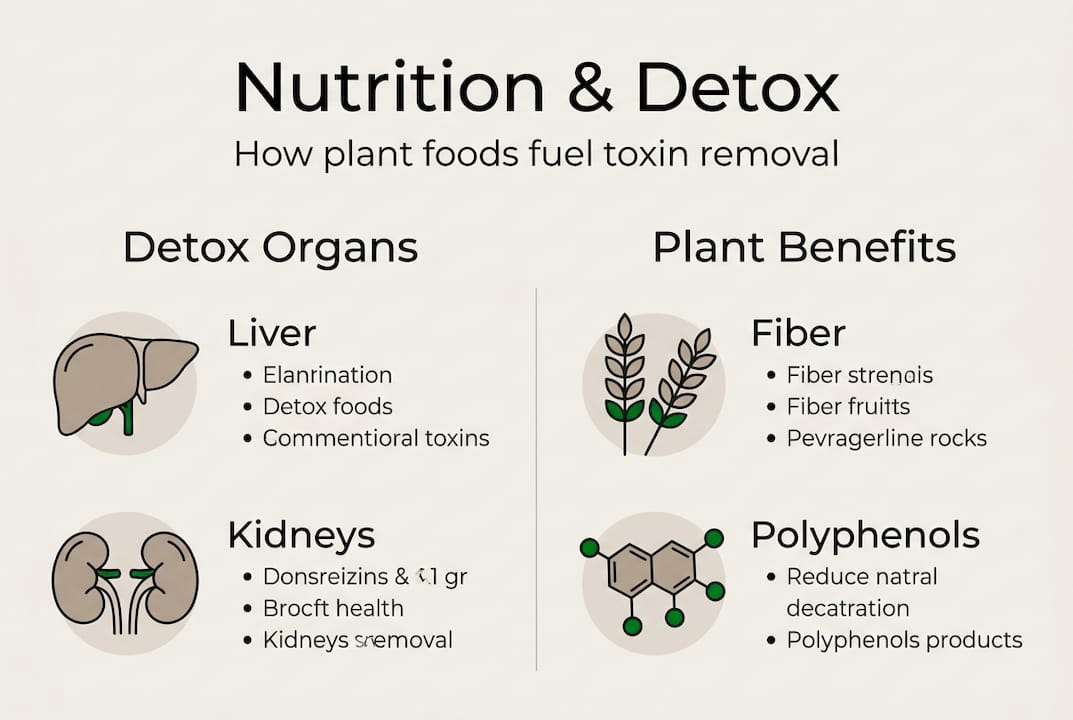
Beyond the liver, your kidneys filter roughly 200 liters of blood every day, your gut wall acts as a physical barrier against reabsorption of waste, your skin releases toxins through sweat, and your lungs exhale volatile compounds. Each of these systems depends on hydration, micronutrients, and fiber to do its job.
Certain foods are especially powerful activators of liver detoxification. Research confirms that cruciferous vegetables, alliums, and citrus flavonoids directly support hepatic detox enzyme activity.
| Food group | Key compounds | Detox action |
|---|---|---|
| Cruciferous vegetables | Sulforaphane, indole-3-carbinol | Upregulate Phase II enzymes |
| Alliums (garlic, onion) | Allicin, organosulfur compounds | Boost glutathione synthesis |
| Citrus fruits | Flavonoids, limonene | Activate Phase I and II enzymes |
| Leafy greens | Folate, chlorophyll | Support methylation pathways |
Key nutrients your detox pathways need:
- Glutathione precursors: Found in sulfur-rich foods like broccoli and garlic
- B vitamins: Essential for methylation, a critical Phase II pathway
- Vitamin C: Protects cells during Phase I oxidation
- Magnesium: Cofactor for over 300 enzymatic reactions
- Zinc: Supports antioxidant enzyme superoxide dismutase
"The body's detox capacity is only as strong as the nutritional environment you create for it. Feed the enzymes, and they do the work."
Understanding these mechanisms makes it clear why no juice cleanse can replicate what a consistently nourishing diet does every single day. The antioxidant benefits for detox go well beyond simple free radical scavenging. They actively protect and enable the enzymatic machinery your body depends on.
Plant-based diets, fiber, and toxin removal
Understanding the detox mechanisms sets the stage for actionable dietary strategies. Let's examine how plant-based eating optimizes toxin removal at every level.
Fiber is one of the most underrated detox tools available. It works by physically binding to toxins, bile acids, and heavy metals in the digestive tract, preventing their reabsorption and escorting them out of the body. Without adequate fiber, many of these compounds get reabsorbed through the gut wall and recirculate. That is the opposite of detox.
Polyphenols, the plant pigments found in berries, green tea, and dark leafy vegetables, do something equally important. They reshape your gut microbiome in favor of bacteria that produce short-chain fatty acids, which strengthen the gut lining and reduce intestinal permeability. A leaky gut allows more toxins into the bloodstream. A fiber-fed, polyphenol-rich gut keeps that barrier tight.
The data backs this up. 21-day plant-based programs have been shown to reduce oxidative stress markers and improve toxin excretion in clinical settings. That is not a cleanse. That is consistent, whole-food eating doing what it was designed to do.
Whole foods vs. supplements for toxin removal:
| Factor | Whole plant foods | Isolated supplements |
|---|---|---|
| Fiber content | High | Absent or minimal |
| Polyphenol synergy | Full spectrum | Single compound |
| Gut microbiome effect | Broad, positive | Variable |
| Bioavailability | Enhanced by food matrix | Often lower |
| Safety profile | Excellent | Requires monitoring |
Before reaching for a fiber supplement, consider that the risks of detox cleanses and isolated supplements often outweigh benefits when whole food options are available. The nutritional strategies for detox that actually work are built on real food, not powders.
Top plant-based fiber sources for detox support:
- Legumes (lentils, black beans, chickpeas)
- Oats and whole grains
- Flaxseeds and chia seeds
- Artichokes and asparagus (prebiotic fiber)
- Apples, pears, and berries
Stat to know: A single cup of cooked lentils provides about 16 grams of dietary fiber, nearly 60% of the daily recommended intake for adults.
Pro Tip: Prioritize whole food fiber over isolates. The synergy between fiber, polyphenols, and other plant compounds creates effects that no isolated supplement can replicate. Aim for 30 different plant foods per week to maximize microbiome diversity and detox support.
For a closer look at the cleansing diet evidence, the research consistently points back to daily dietary patterns rather than periodic purges.
Herbal remedies and targeted nutrients
Next, we look at specific herbal remedies and nutrients that further bolster your detox potential beyond diet alone.
Certain herbs have earned their place in evidence-based wellness because clinical research supports their use. A well-designed randomized controlled trial found that turmeric, milk thistle, dandelion, and ginger improved liver function biomarkers without adverse effects. These are not folk remedies operating on faith alone. They are plant-based compounds with measurable, documented effects.
Here is how each herb contributes:
- Milk thistle (Silymarin): Protects liver cells from oxidative damage and supports regeneration of hepatocytes. It is one of the most studied hepatoprotective herbs in the world.
- Turmeric (Curcumin): Reduces liver inflammation, upregulates antioxidant enzymes, and supports bile flow for fat digestion and toxin excretion.
- Dandelion root: Acts as a gentle liver tonic and mild diuretic, supporting both liver bile production and kidney filtration.
- Ginger: Reduces gut inflammation, supports digestive motility, and enhances the absorption of other detox-supporting nutrients.
The antioxidant herb benefits of these plants extend to protecting cells during the reactive intermediate phase of liver detox, which is the window when Phase I has activated a toxin but Phase II has not yet neutralized it.
Responsible use matters. Genetic detox variations can influence how your body responds to specific herbal compounds. Some people metabolize curcumin quickly; others retain it longer. This is why professional guidance, especially when using concentrated tinctures or high-dose extracts, is always worth considering.
Key safety points for herbal detox use:
- Start with low doses and observe your body's response
- Avoid combining multiple concentrated herbs without guidance
- Inform your healthcare provider, especially if you take medications
- Choose products from brands that test for purity and potency
Pro Tip: Consistency matters more than dose. A small daily amount of a quality herbal remedy like our herbal liver detox formula will outperform a large, infrequent dose every time. Your liver enzymes need steady support, not occasional flooding.
Myths, risks, and the truth about cleanses
With herbs and nutrition covered, it is critical to dispel misconceptions about detox cleanses and outline the real risks versus evidence-backed approaches.
The detox cleanse industry is worth billions, and most of it rests on a shaky scientific foundation. No randomized controlled trials support the idea that commercial cleanses remove additional toxins beyond what your body already eliminates on its own. Extreme detox diets lack evidence for superior toxin removal and carry real risks including nutrient gaps and dehydration.
Here is what the evidence actually shows about cleanse risks:
- Oxalate overload: High-volume green juice cleanses can flood the kidneys with oxalates, increasing kidney stone risk
- Electrolyte imbalances: Severe caloric restriction disrupts sodium, potassium, and magnesium balance
- Muscle loss: Protein restriction during cleanses can lead to lean tissue breakdown
- Rebound eating: Extreme restriction often triggers compensatory overeating afterward
- Microbiome disruption: Sudden dietary shifts can destabilize beneficial gut bacteria
"Cleanses feel effective because they often eliminate processed foods and alcohol temporarily. The benefit comes from what you stop eating, not from any special detox formula."
This is the uncomfortable truth: a week of clean eating followed by a return to poor habits does almost nothing for long-term detox capacity. Your liver does not store up detox credit from a cleanse. It needs daily nutritional support to keep Phase I and II enzymes functioning.
Pro Tip: If you want to try a structured reset, focus on eliminating processed foods, alcohol, and added sugars for 21 days while increasing plants, fiber, and water. That approach has actual clinical backing. Review the evidence behind cleansing diets before committing to any protocol.
People with kidney disease, diabetes, or a history of disordered eating should be especially cautious. The self-detox science consistently shows that your body's built-in systems, when properly nourished, are more effective than any commercial cleanse.
Our perspective: Sustainable nutrition over detox fads
After weighing the evidence and myths, here is what we have learned from real-world holistic practice.
The biggest mistake we see is treating detox as an event rather than a practice. People spend money on a 10-day cleanse, feel temporarily lighter, and then return to the same patterns. Nothing changes at the cellular level because the enzymes, the gut bacteria, and the antioxidant reserves that actually drive detoxification are built through consistent daily nutrition, not periodic interventions.
Herbal remedies are powerful, but they work best as gentle, ongoing adjuncts to a plant-rich diet. They are not rescue tools. Milk thistle taken daily alongside a fiber-rich, colorful diet is a completely different intervention than milk thistle taken after a weekend of poor choices. The evidence supports sustainable eating as the foundation, with herbs and targeted nutrients layered on top.
What actually works, in our experience, is building a lifestyle where detox support is woven into every meal. More plants. More fiber. Less processed food. Herbal teas instead of sugary drinks. These are not dramatic changes, but they compound over time into genuinely better liver function, gut health, and cellular resilience. Explore optimal detox guidance to see how this looks in practice.
Explore holistic detox solutions
If you are ready to put these principles into action, Finer Holistics offers a curated range of handcrafted herbal remedies designed to complement exactly the kind of daily, plant-powered detox support this article describes. Every product is formulated by a holistic herbalist using carefully selected ingredients with documented wellness benefits.
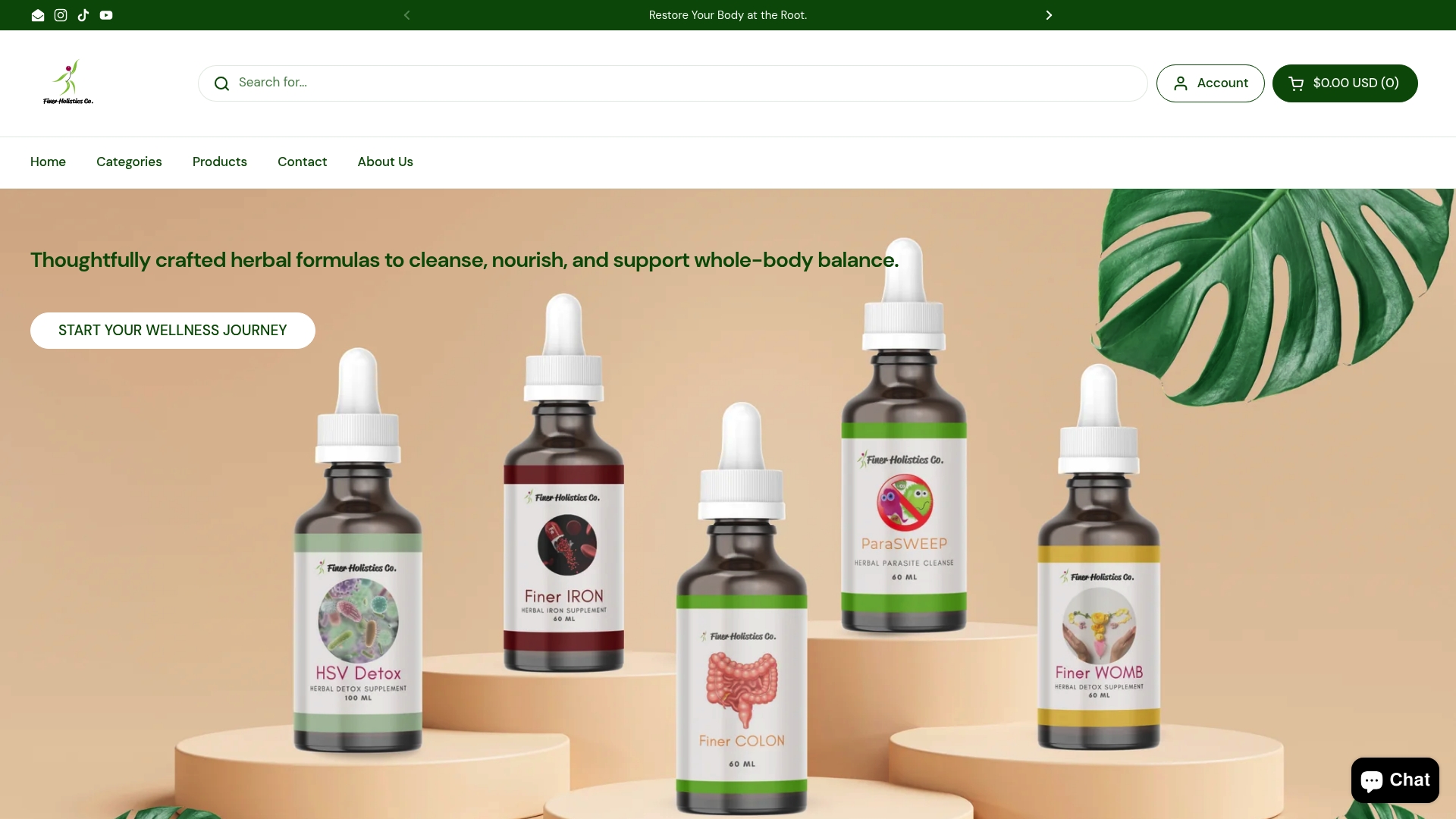
From liver-supporting tinctures to herbal detox teas, our herbal detox remedies are built to work alongside your nutrition, not replace it. Whether you are just starting your plant-based wellness journey or looking to deepen an existing practice, our plant-based wellness solutions give you the tools to support your body's natural systems every single day. Real plants. Real results. No gimmicks.
Frequently asked questions
Which foods naturally support detoxification?
Cruciferous vegetables, alliums, berries, citrus, fiber-rich whole grains, and legumes support detox by activating enzymes and binding toxins. Cruciferous vegetables and citrus flavonoids are especially well-documented for hepatic detox support.
Is there scientific evidence for herbal cleanses?
Clinical studies show herbs like milk thistle, turmeric, and dandelion can improve liver enzymes safely, but extreme cleanses lack proven benefits. Turmeric, milk thistle, and dandelion improved liver function biomarkers in randomized controlled trials without adverse effects.
How does fiber help detox?
Dietary fiber binds toxins and bile acids, promotes their excretion, and supports beneficial gut bacteria for added protection. Whole-food plant programs that are high in fiber consistently reduce oxidative stress and improve toxin excretion markers.
Are detox cleanses safe for everyone?
Extreme cleanses may risk dehydration, nutrient gaps, and are not advised for those with kidney issues or electrolyte imbalances. Extreme detox diets lack evidence for superior toxin removal and carry documented health risks.
Do genetics influence detox response?
Genetics may impact detox enzyme activity, but most plant-based supplement studies show benefit regardless of genetic group. Genetic detox variations may influence supplement response, which is why personalized guidance is always a smart approach.