
TL;DR:
- Herbal tinctures have up to 35% higher bioavailability than capsules, making them more effective.
- Tinctures are concentrated extracts made by soaking herbs in alcohol, glycerin, or vinegar for 2-6 weeks.
- Use tinctures responsibly by following safety guidelines, proper labeling, and consulting professionals when needed.
Most people assume all herbal remedies work the same way. You take them, they enter your body, and eventually something happens. But that thinking misses something important. Herbal tinctures are fundamentally different from capsules or teas, and the gap in effectiveness is measurable. Tinctures offer up to 35% higher bioavailability compared to standard capsules, meaning your body actually uses more of what you take. If you're serious about natural wellness, detox support, or herbal healing, understanding tinctures is one of the smartest moves you can make. This guide covers what they are, how they're made, and how to use them wisely.
Table of Contents
- Defining herbal tinctures: What they are and how they work
- The tincture-making process explained
- Herbal tinctures in holistic wellness: Uses, benefits, and evidence
- Risks, safety, and smart use of herbal tinctures
- A fresh perspective: The overlooked power and pitfalls of tinctures
- Explore herbal tinctures and targeted detox with Finer Holistics
- Frequently asked questions
Key Takeaways
| Point | Details |
|---|---|
| Herbal tinctures are potent | Tinctures deliver concentrated, fast-absorbing herbal support and offer higher bioavailability than capsules. |
| Not all tinctures are equal | Extraction method, herb quality, and solvent choice greatly influence tincture effectiveness. |
| Use tinctures wisely | Always follow dosing guidelines, consult experts, and buy from reputable sources for safety. |
| Tinctures support holistic health | Tinctures are valued for detox support, immunity, and other evidence-backed wellness uses. |
Defining herbal tinctures: What they are and how they work
The word "tincture" comes from the Latin tinctura, meaning to dye or color. In herbal practice, a tincture is exactly what the name suggests: a liquid that has drawn color, flavor, and medicinal compounds from plant material. As defined by herbalists and researchers, an herbal tincture is a concentrated liquid extract made by pulling active compounds from plant material using alcohol or other solvents like vinegar or glycerin.
What makes tinctures special is concentration. When herbs are brewed into a tea, most of the delicate compounds dissolve in water but can degrade quickly. Capsules often contain dried powder that must break down through digestion before anything is absorbed. Tinctures bypass these limitations. The solvent extracts active constituents directly, preserving them in a stable, concentrated form that enters your bloodstream faster than almost any other herbal delivery method.
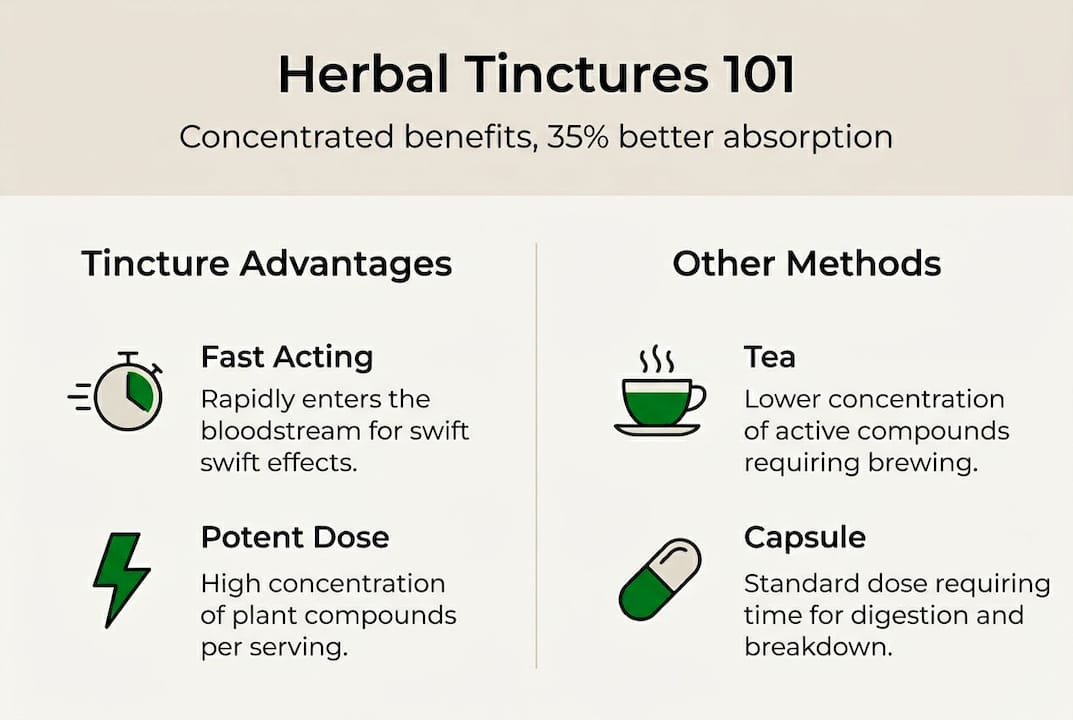
The choice of solvent matters enormously, and this is where most people get confused. Here's a quick breakdown:
| Solvent | Best for | Limitations |
|---|---|---|
| Alcohol (ethanol 25-90%) | Most herbs, widest extraction range | Not suitable for those avoiding alcohol |
| Vegetable glycerin | Children, alcohol-free needs | Poorer extraction of some compounds |
| Apple cider vinegar | Mineral-rich herbs, alkaloids | Shorter shelf life, weaker potency |
Alcohol is the most effective solvent for the broadest range of plant compounds. Glycerin is a gentler alternative, though its extraction power is more limited. Vinegar works well for mineral-rich plants. One firm rule: never use isopropyl alcohol internally. It's a common mistake, and it's dangerous.
Compared to the various types of herbal remedies available today, tinctures consistently outperform in speed and efficiency. You can learn more about how tinctures fit into a broader herbal wellness guide to understand where they work best alongside other natural approaches.
Pro Tip: When shopping for tinctures, look for products made with fresh herbs rather than dried powder. Fresh plant material contains a richer profile of volatile compounds that dried herbs lose during processing, giving you a more potent and complex extract.
The tincture-making process explained
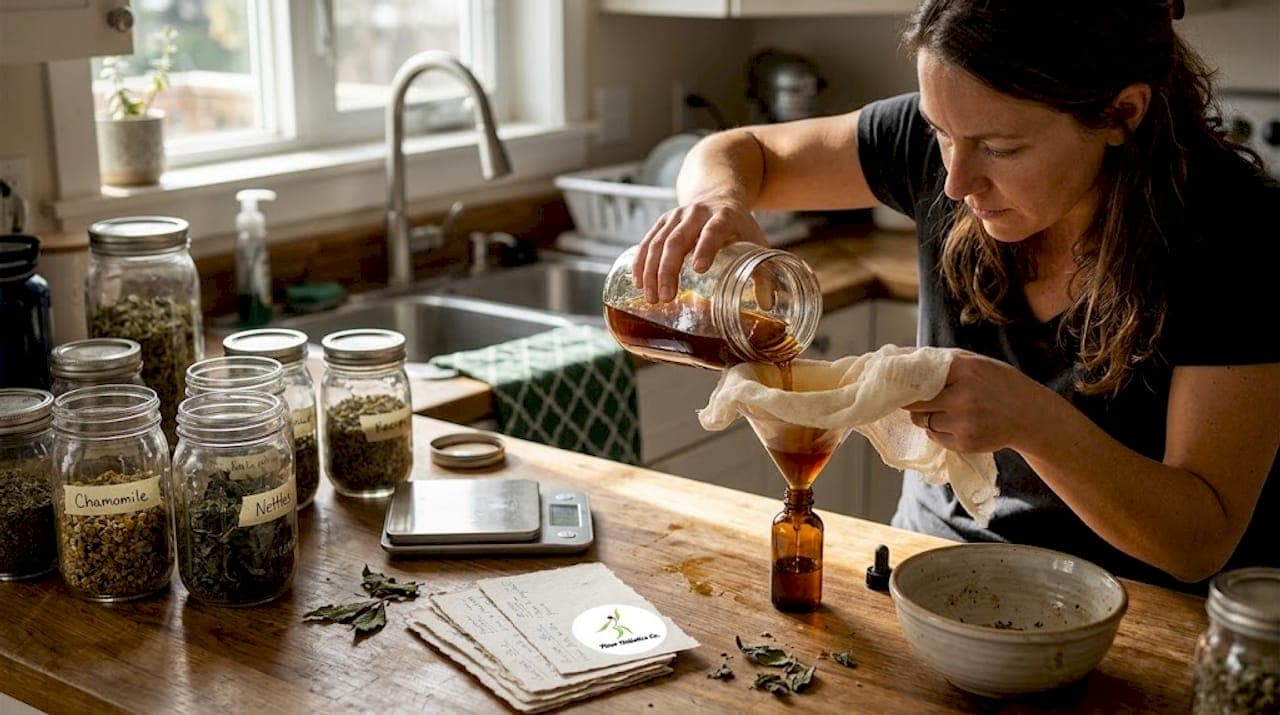
Making a tincture sounds simple on the surface, but the details matter far more than most people realize. The primary method is called maceration, a process where chopped herbs soak in alcohol for two to six weeks in a dark place, shaking periodically, then straining. This slow extraction is what gives tinctures their strength.
Here's how it works, step by step:
- Chop or grind your herbs. Fresh or dried plant material is cut finely to increase surface area. More surface area means faster, more complete extraction.
- Place herbs in a clean glass jar. Fill the jar about halfway with your chosen herb, then cover completely with your solvent.
- Seal and store in a dark place. Light degrades many plant compounds, so darkness is essential during the maceration period.
- Shake the jar daily. This keeps the plant material moving and encourages consistent extraction throughout the liquid.
- Wait two to six weeks. Patience is not optional here. Rushing the process produces a weaker, less consistent extract.
- Strain and bottle. Use cheesecloth or a fine mesh to press every drop from the plant material, then transfer to dark glass bottles.
"The quality of a tincture is built during maceration. Skipping time or skipping shaking are the two most common reasons homemade tinctures underperform." This is something every experienced herbalist learns the hard way.
Fresh herbs generally produce more vibrant tinctures with a broader compound profile. Dried herbs can still yield excellent results, especially when high-quality sourcing is confirmed. For herbal remedy types beyond tinctures, the sourcing principle applies equally.
One safety point that cannot be overstated: label every tincture clearly with the herb name, solvent used, concentration, and date made. Unmarked bottles are a genuine hazard. You can find thoughtful guidance on this and similar concerns through our herbal safety tips resource.
Herbal tinctures in holistic wellness: Uses, benefits, and evidence
Once you know how tinctures are made, the next natural question is: what are they actually good for? The answer spans centuries of traditional use and, increasingly, modern scientific confirmation. Tinctures deliver fast-absorbing herbal compounds with bioavailability advantages that make them a serious tool in holistic health routines.

Here's where tradition and modern evidence tend to agree or diverge:
| Herb | Traditional use | Modern evidence |
|---|---|---|
| Echinacea | Immune support, infection prevention | Studies support modest immune-boosting effects |
| Milk thistle | Liver cleansing and protection | Strong evidence for liver cell protection via silymarin |
| Valerian | Sleep and relaxation support | Mixed evidence; some trials show sleep improvement |
| Ashwagandha | Stress reduction, hormone balance | Growing evidence for cortisol reduction |
| Dandelion root | Digestive and liver detox | Traditional support strong; clinical trials ongoing |
For people exploring liver detoxification support, milk thistle tincture is one of the most researched options available. Its active compound, silymarin, is notoriously difficult to absorb in capsule form but much more accessible when delivered as a tincture.
Common herbs people reach for in tincture form include:
- Echinacea for seasonal immune support
- Milk thistle for liver health and detox
- Ashwagandha for stress and adrenal balance
- Elderberry for antiviral and immune defense
- Lemon balm for anxiety and sleep
- Dandelion root for digestion and liver support
Tinctures also work well as part of a layered herbal routine. If you're curious about related plant-based preparations, our herbal elixirs guide covers how different liquid formats compare and complement each other.
Pro Tip: Not all tincture labels tell the full story. Always look for transparency around herb origin, extraction ratio (such as 1:5 or 1:3), and solvent percentage. A reputable brand will make this information easy to find.
Risks, safety, and smart use of herbal tinctures
With so many advantages, it's equally crucial to understand how to use herbal tinctures safely and responsibly. "Natural" does not mean risk-free. Some of the most powerful plant compounds in existence come from herbs, and that power cuts both ways.
According to current health guidance, herbal tinctures carry risks including allergic reactions, seizures, and potential liver damage when potent herbs are used in excess. They are not regulated by the FDA the way pharmaceutical drugs are, which means product quality varies significantly between brands.
Key safety practices for tincture use:
- Read every label carefully before starting any new tincture
- Start with the lowest recommended dose and build gradually
- Keep a simple log of what you take and any changes you notice
- Do not combine multiple potent tinctures without professional input
- Keep all tinctures out of reach of children
- Avoid use during pregnancy or breastfeeding without direct guidance from a qualified healthcare provider
- If you're on prescription medications, especially blood thinners or liver-processed drugs, consult your doctor first
Important: Because tinctures are not FDA-regulated, quality control falls entirely on the manufacturer and on you as the buyer. Choosing brands with third-party testing and clear ingredient disclosure is not optional.
Potent herbs like kava, comfrey, and pennyroyal have documented cases of serious harm when misused. Even well-known herbs like valerian or licorice root can cause problems at high doses or with prolonged use. Visit our herbal wellness safety resource for a fuller picture of how to use herbs without crossing into harmful territory.
If you experience unusual symptoms after starting a tincture, including rash, nausea, or significant fatigue, stop use and contact a healthcare professional.
A fresh perspective: The overlooked power and pitfalls of tinctures
Here at Finer Holistics, we've seen firsthand how tinctures can genuinely shift someone's wellness journey. We've also seen the frustration when people expect a tincture to work like a prescription drug in 48 hours. That expectation is the biggest obstacle to real results.
The "natural" label is not a free pass. In some ways, tinctures require more scrutiny than conventional supplements because quality controls are not mandated by law. The difference between a thoughtfully crafted tincture and a poorly sourced one is enormous, and that difference shows up in your results.
Combining the wisdom of herbal tradition with modern quality standards is how you get the best of both worlds. It means choosing holistic health insights grounded in both science and plant knowledge, not just one or the other.
Consistency matters more than intensity. A tincture taken daily for eight weeks will outperform a high-dose burst taken for three days almost every time. Track your experience. Notice patterns. And check in with a professional periodically, especially when using herbs that act on the liver, hormones, or nervous system.
Pro Tip: Keep a simple wellness journal when starting a new tincture. Even noting your energy, mood, and sleep quality three times a week gives you real data to work with, and it helps you catch any unwanted changes early.
Explore herbal tinctures and targeted detox with Finer Holistics
If you're ready to explore or deepen your journey with herbal tinctures, here's where to start.
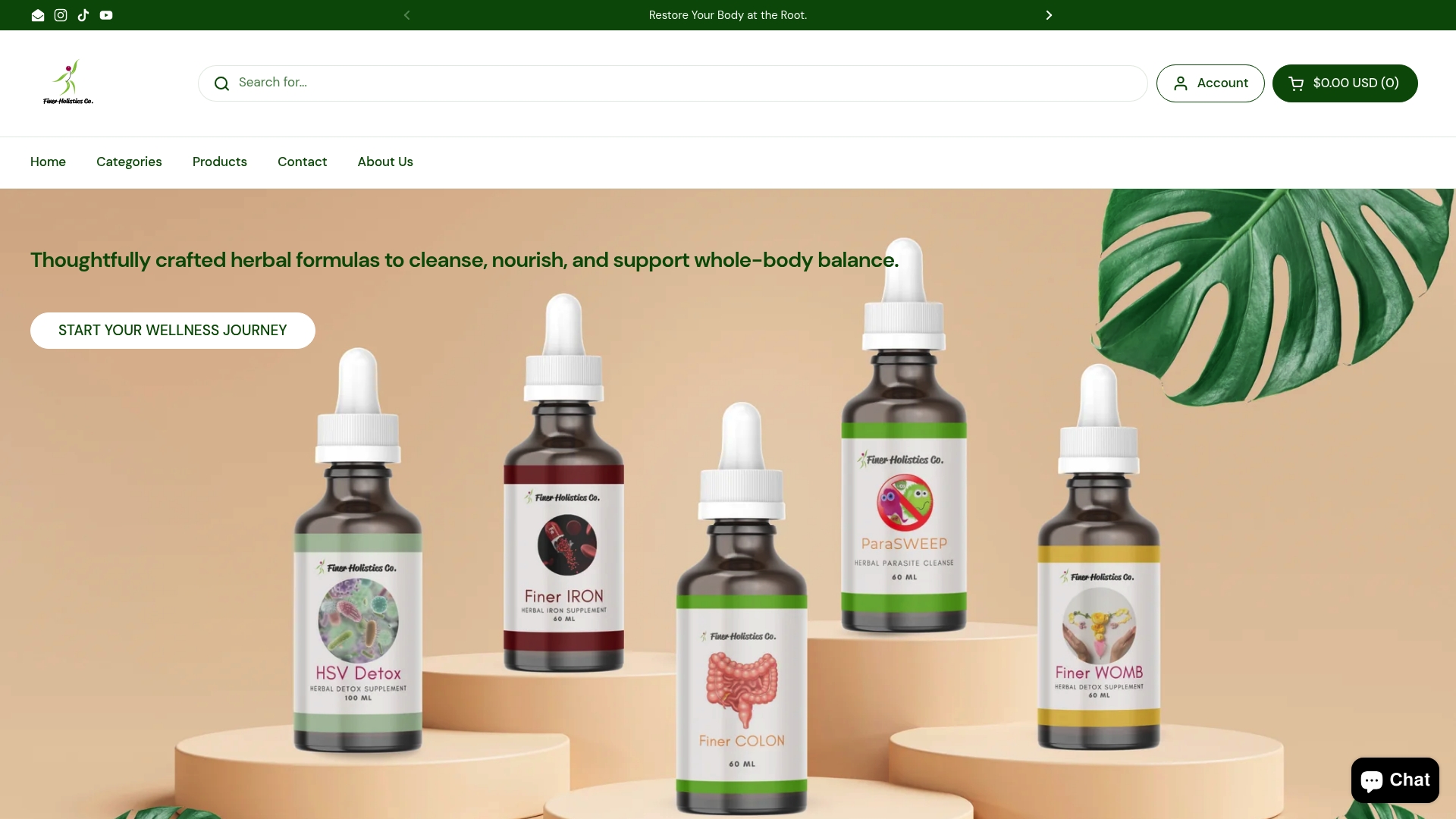
At Finer Holistics, every product is formulated by a holistic herbalist with quality sourcing and intentional blending at the center of the process. Whether you're drawn to herbal detox remedies for liver and digestive support or exploring targeted blends for hormonal balance through our women's wellness herbs collection, there's something crafted specifically for where you are in your health journey. Browse the full range of Finer Holistics remedies to find tinctures, teas, and detox blends designed to work with your body, not against it. Your next step toward natural vitality is right here.
Frequently asked questions
Can you take herbal tinctures daily?
Yes, many people take herbal tinctures daily for ongoing support, but always follow dosing guidelines and consult a professional before establishing any long-term herbal routine.
Are alcohol-based tinctures safe for everyone?
Alcohol-based tinctures are generally safe in the small amounts used per dose, but they may not suit children, pregnant individuals, or those avoiding alcohol. Glycerin or vinegar alternatives are widely available as gentler options.
How long do herbal tinctures last?
Properly stored alcohol-based tinctures can remain potent for several years. Glycerin and vinegar extracts have shorter shelf lives and should be stored responsibly in cool, dark conditions.
Why do tinctures sometimes taste so strong?
Tinctures are highly concentrated by design, so their flavor hits harder than a tea or capsule ever could. Diluting a few drops in a small glass of water or juice makes them much easier to take without reducing effectiveness.