
TL;DR:
- Managing your health involves addressing all aspects of wellness rather than chasing quick fixes, with a structured focus on emotional, physical, social, environmental, financial, intellectual, occupational, and spiritual dimensions. Building consistent, evidence-backed habits and integrating herbal support can lead to long-term well-being, especially when tailored to your life stage and needs. Prioritizing foundational lifestyle changes ensures sustainable progress, and combining these with targeted natural remedies enhances overall health outcomes.
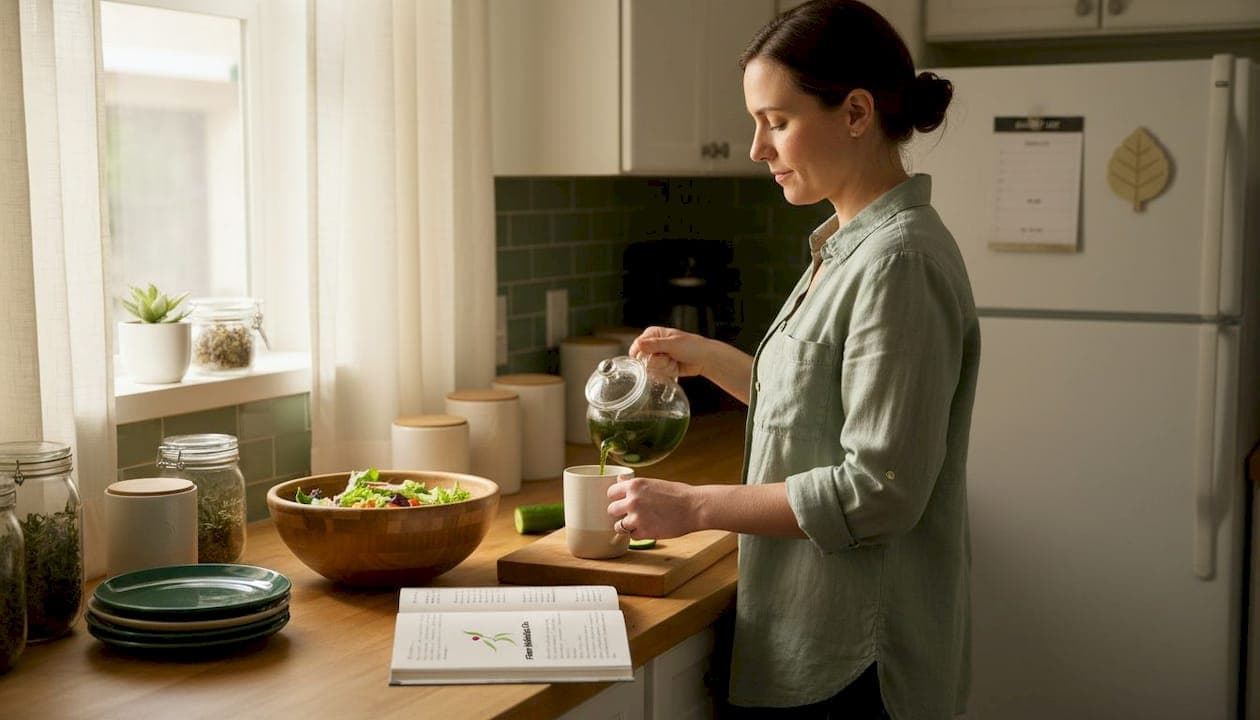
Trying to manage your health can feel like spinning ten plates at once. You read about sleep hygiene on Monday, see a post about adaptogens on Tuesday, and by Friday you've bookmarked 30 articles but changed nothing. The truth is, real wellness is not about chasing one magic fix. It works best when you look at your whole life through a structured lens, one that accounts for your body, your mind, your relationships, and even your environment. This checklist gives you exactly that, a clear, evidence-backed framework built around eight core dimensions of wellness, with practical steps and natural herbal support woven in at every stage.
Table of Contents
- Eight dimensions of holistic wellness for women
- Natural wellness checklist: Evidence-backed actions for each dimension
- Herbal remedies and cycle-syncing: What works, what needs caution
- Integrating wellness: How to build consistent healthy habits
- Why evidence and integration matter more than trendy remedies
- Next steps: Holistic wellness solutions and support
- Frequently asked questions
Key Takeaways
| Point | Details |
|---|---|
| Eight wellness dimensions | Covering emotional, physical, and more ensures a truly holistic health approach. |
| Lifestyle comes first | Your daily habits drive more impact than any single supplement or remedy. |
| Herbals need guidance | Consult professionals before using herbal therapies, especially for hormone or cycle support. |
| Consistency matters | Stacking and sustaining habits across dimensions unlocks lasting wellness benefits. |
| Integrative action | Use evidence-backed practices to synergize wellness strategies for body and mind. |
Eight dimensions of holistic wellness for women
Holistic wellness checklists for women emphasize eight dimensions: emotional, physical, social, environmental, financial, intellectual, occupational, and spiritual. Each one feeds the others. When your emotional health suffers, your physical health usually follows. When your finances are chaotic, your sleep gets worse. Understanding these connections is what makes this framework so powerful for women aged 25 to 45, a life stage packed with career shifts, hormonal changes, relationship demands, and identity growth.
Here is a quick look at each dimension and why it matters specifically for you:
- Emotional: Managing stress, processing feelings, and building resilience. Chronic stress in women this age is linked to hormonal disruption and immune suppression.
- Physical: Movement, nutrition, sleep, and preventive care. This is the foundation everything else rests on.
- Social: Meaningful connections that reduce isolation and support mental health. Strong social ties are protective against anxiety and depression.
- Environmental: Your home, workplace, and exposure to toxins. Clean, calm spaces directly affect cortisol levels and sleep quality.
- Intellectual: Curiosity, learning, and mental stimulation. Keeping your brain engaged reduces cognitive decline and lifts mood.
- Occupational: Finding purpose and balance in your work. Burnout is one of the leading wellness threats for women in this age group.
- Financial: Reducing money stress through planning and awareness. Financial anxiety is a top driver of sleep problems and chronic tension.
- Spiritual: A sense of meaning, whether through faith, nature, mindfulness, or community. This dimension anchors your sense of self.
| Dimension | Primary benefit | Women-specific focus |
|---|---|---|
| Emotional | Stress resilience | Hormonal balance, mood regulation |
| Physical | Energy and longevity | Cycle health, bone density, metabolism |
| Social | Mental health protection | Support networks, community |
| Environmental | Reduced toxic load | Home detox, clean beauty, air quality |
| Intellectual | Cognitive vitality | Brain health, creativity |
| Occupational | Purpose and balance | Burnout prevention, career fulfillment |
| Financial | Reduced chronic stress | Budget clarity, financial confidence |
| Spiritual | Meaning and grounding | Mindfulness, values alignment |
Balancing these areas does not mean perfecting all of them at once. It means knowing which ones are lagging and giving them focused attention. Exploring evidence-based holistic wellness practices can help you identify where to start and how to prioritize your energy.
Natural wellness checklist: Evidence-backed actions for each dimension
With the dimensions defined, here are actionable checklist items for working toward holistic wellness. Think of this as your starting map, not a rigid rulebook.
- Emotional wellness: Practice five minutes of daily breathwork or journaling. Identify one emotional stressor per week and name it. Consider therapy or peer support groups if anxiety or low mood persists.
- Physical wellness: Aim for 150 minutes of moderate movement weekly. Prioritize seven to nine hours of sleep. Eat a whole-food, plant-forward diet rich in fiber, healthy fats, and phytonutrients. A plant-based soy-rich diet reduced hot flashes by 84% in 12 weeks in one clinical study, showing just how powerful food choices can be for hormonal symptoms.
- Social wellness: Schedule one meaningful social interaction weekly. Reduce passive scrolling and replace it with real connection. Join a local wellness group or online community aligned with your values.
- Environmental wellness: Swap one conventional cleaning or personal care product for a non-toxic alternative each month. Improve air quality with plants or an air purifier. Reduce clutter in your main living space.
- Intellectual wellness: Read one book per month outside your usual genre. Take a free online course. Engage in creative hobbies like drawing, cooking new recipes, or learning a language.
- Occupational wellness: Set one firm boundary at work each week. Identify your top three work values and evaluate whether your current role aligns. Take real breaks away from screens.
- Financial wellness: Track your spending for 30 days without judgment. Set one savings goal, even a small one. Reduce one recurring expense that no longer serves you.
- Spiritual wellness: Spend time in nature at least twice a week. Develop a morning ritual, even five minutes of stillness. Explore what gives your life meaning and write it down.
"High subjective wellbeing is linked to longer lifespan, according to the ELSA study, reinforcing that how you feel about your life is not just emotional, it is biological."
Layering in herbal support can enhance these efforts. An herbal wellness routine built on adaptogens, nervines, and digestive herbs can complement lifestyle changes beautifully. You can also explore different herbal remedies for wellness to find what resonates with your specific needs.
Pro Tip: Start with lifestyle changes first. Sleep, movement, and nutrition are your highest-leverage tools. Once those are in motion, layer in herbal support with guidance from a qualified practitioner.
Research from evidence-based integrative wellness consistently shows that combining lifestyle interventions with targeted natural therapies produces better outcomes than either approach alone.
Herbal remedies and cycle-syncing: What works, what needs caution
Lifestyle lays the foundation, but many women seek natural herbal support. Here is what you need to know before reaching for that tincture or tea.
Herbal remedies have been used for centuries, and modern research is beginning to validate many traditional uses. That said, the evidence varies widely depending on the herb and the condition. For women navigating PCOS, menopause, stress, or hormonal shifts, certain herbs show real promise.
Herbal options worth knowing:
- Spearmint tea: Natural remedies for PCOS include spearmint, which has shown anti-androgenic effects in small clinical trials, meaning it may help reduce elevated testosterone in women with PCOS.
- Cinnamon: Supports insulin sensitivity, which is a core concern in PCOS management. Works best as a consistent daily addition to food or tea.
- Turmeric: Anti-inflammatory and supportive of liver detoxification. Particularly useful for women dealing with hormonal acne or digestive sluggishness.
- Ashwagandha: An adaptogen that supports cortisol regulation and stress resilience. Well-studied and generally well-tolerated for most women.
- Phytoestrogens (red clover, flaxseed, soy isoflavones): Useful for menopausal symptom relief, particularly hot flashes and mood shifts. Acupuncture has also shown benefits for menopausal symptoms in multiple trials.
- Vitex (chaste tree berry): Traditionally used for PMS and cycle regulation. Some evidence supports its use for luteal phase support, though results vary.
- Lemon balm and passionflower: Nervine herbs that calm the nervous system and support better sleep without the grogginess of pharmaceutical sleep aids.
| Approach | Benefits | Limitations | Safety notes |
|---|---|---|---|
| Diet and exercise | Strong evidence, broad benefits | Requires consistency | Very safe, always foundational |
| Sleep hygiene | Directly impacts hormones | Takes weeks to shift | No risks |
| Adaptogenic herbs | Stress and cortisol support | Variable individual response | Check for drug interactions |
| Phytoestrogens | Hot flash and mood relief | Not suitable for all women | Avoid with estrogen-sensitive conditions |
| Spearmint and cinnamon | PCOS symptom support | Limited large-scale RCTs | Generally safe in food amounts |
| Vitex | Cycle regulation | Slow acting, months to see results | Avoid during pregnancy |
The NCCIH guidance on herbs and botanicals is clear: prioritize professional guidance when adding herbal supplements, especially if you take any medications. Herb-drug interactions are real and sometimes serious. This is not a reason to avoid herbs, it is a reason to use them wisely.
Our herbal PCOS cleanse is formulated with this careful approach in mind, drawing on herbs with the strongest traditional and emerging evidence.
Pro Tip: Never combine multiple new herbs at once. Introduce one at a time over two to three weeks so you can clearly identify what is helping and what is not. And always loop in your healthcare provider, especially if you have a diagnosed condition. You can also explore more about herbal remedies to deepen your knowledge before making decisions.
Integrating wellness: How to build consistent healthy habits
To make these practices stick, let us focus on stacking habits for lasting impact.
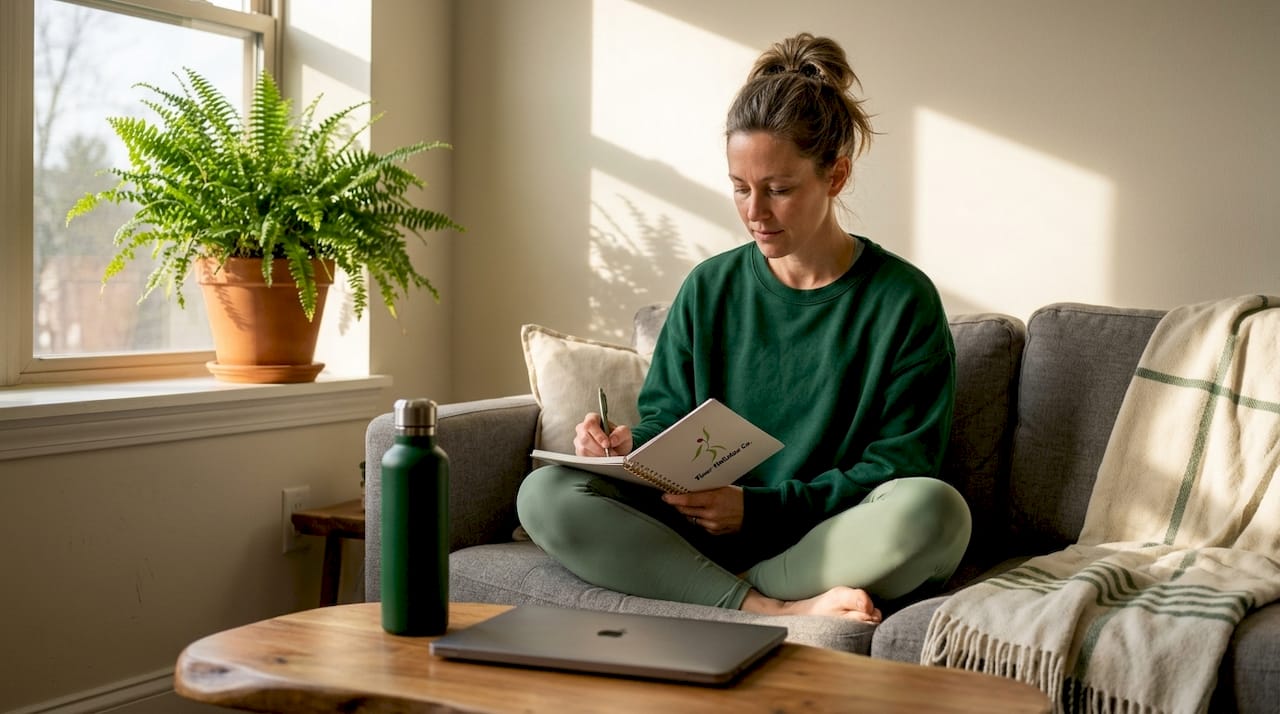
Habit stacking means attaching a new behavior to an existing one. You already make morning tea. Add a moment of breathwork while it steeps. You already take a lunch break. Use five minutes of it for a short walk. Small additions to existing routines require far less willpower than building something entirely new from scratch.
Here is a process for building your personal wellness stack:
- Audit your current habits. Write down what you already do consistently each morning, afternoon, and evening. These are your anchor habits.
- Identify your top two wellness gaps. Look back at the eight dimensions. Which two feel most neglected right now?
- Attach one small action to each anchor habit. Keep it under two minutes to start. The goal is consistency, not intensity.
- Add cycle-syncing awareness. Track your menstrual cycle and notice how your energy, mood, and focus shift across four phases: menstrual, follicular, ovulatory, and luteal. Adjust your workouts, social plans, and self-care accordingly. High-intensity exercise feels great in the follicular phase. Gentle yoga and rest serve you better in the luteal phase.
- Evaluate every 30 days. What is working? What feels forced? Adjust without guilt.
Women aged 25 to 45 who focus on hormonal balance, stress management through adaptogens, and cycle-syncing build habits that create cascading benefits across all wellness dimensions over time. This is not a short-term fix. It is a lifestyle architecture.
Consistency also matters more than perfection. Missing one day does not break a habit. Missing two weeks might. The science of habit formation suggests that 66 days is a more realistic average for automaticity than the commonly cited 21 days. Give yourself the time you actually need.
Reviewing herbal wellness best practices regularly can help you refine your routine as your needs change across different life phases and seasons.
Why evidence and integration matter more than trendy remedies
Here is something we have learned from years of working with herbal wellness: the women who thrive long-term are not the ones who find the most exotic supplement. They are the ones who build boring, consistent, evidence-backed habits and then add targeted herbal support on top.
The wellness industry is loud. A new superfood, a new cleanse, a new hormone-balancing protocol seems to trend every few weeks. Most of these trends are not harmful, but they distract from the unsexy truth: evidence is stronger for lifestyle changes like diet, exercise, and sleep than for most isolated herbal supplements. Randomized controlled trials for many popular herbs are limited, small, or short-term. That does not mean herbs do not work. It means they work best as part of a larger, integrated approach.
The pitfall we see most often is women who invest heavily in supplements while their sleep is chaotic, their diet is inflammatory, and their stress is unmanaged. No herb can fully compensate for a foundation that is crumbling. Ashwagandha will not fix cortisol dysregulation if you are sleeping five hours a night and skipping meals.
What actually delivers lifelong wellness is integration. When you address all eight dimensions, even imperfectly, you create a system of mutual support. Better sleep improves emotional regulation. Better emotional regulation makes healthy eating easier. Easier healthy eating reduces inflammation. Reduced inflammation supports hormonal balance. It compounds.
"True holistic wellness is not about adding more to your plate. It is about building a foundation strong enough that everything else you add actually lands."
This is why we always encourage starting with holistic wellness practices that are grounded in evidence before reaching for the newest botanical trend. Plants are powerful. They deserve to be used thoughtfully.
Next steps: Holistic wellness solutions and support
You now have a clear, actionable framework to work from. The next step is making it real.
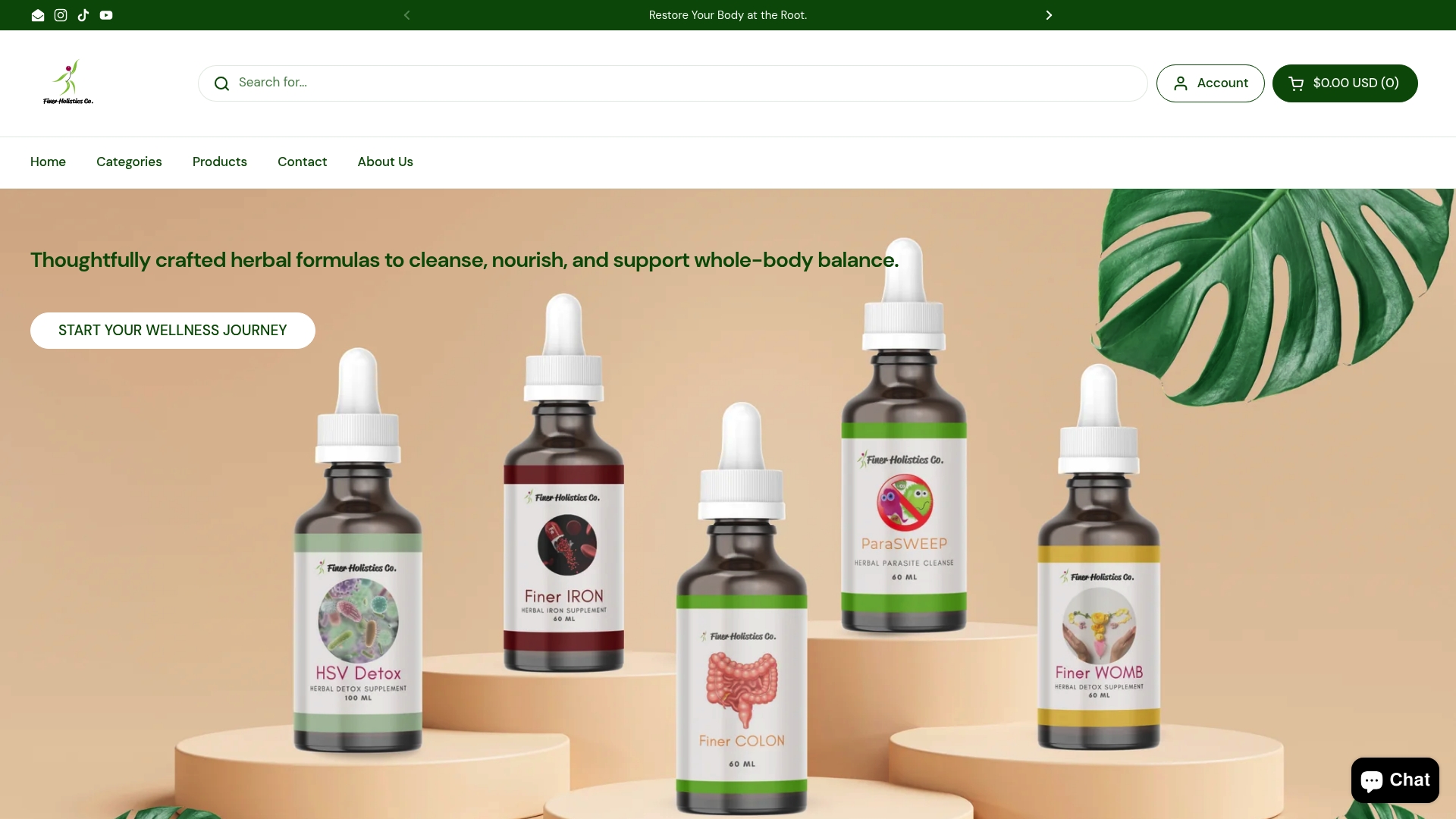
At Finer Holistics, every product is crafted to support the lifestyle foundations you are building, not replace them. Whether you are starting with gut health, hormonal balance, or a full-body reset, our herbal detox remedies are formulated with intention and care. If you are new to herbal wellness, our detox starter kit is a thoughtful entry point, giving you the tools to begin your routine without overwhelm. For women navigating hormonal shifts, cycle concerns, or everyday vitality, our women's wellness support collection brings together the herbs most relevant to your stage of life. Start where you are. Build from there.
Frequently asked questions
What are the eight dimensions of holistic wellness?
The eight dimensions are emotional, physical, social, environmental, financial, intellectual, occupational, and spiritual wellness. Together they form a complete picture of whole-person health.
How can I safely use herbal remedies for PCOS or menopause?
Always consult a healthcare provider before starting herbs, especially if you take medications, since herb-drug interactions are real. Herbs like spearmint, cinnamon, and phytoestrogens show promise but should support, not replace, professional care.
Do lifestyle changes really have more impact than supplements?
Yes. Research consistently shows that diet, exercise, and sleep produce stronger and more reliable outcomes than isolated herbal supplements, though combining both approaches yields the best results.
What is cycle-syncing and how does it help women's wellness?
Cycle-syncing aligns your self-care, exercise, and nutrition to your menstrual phases. Women who practice this often report better energy, reduced PMS symptoms, and improved hormonal balance over time.
How can I get started with a holistic wellness routine?
Begin with sleep, nutrition, and movement as your non-negotiables. Once those are stable, layer in herbal support and cycle-syncing practices, focusing on consistency across all eight wellness dimensions rather than perfecting any single one.