

TL;DR:
- Holistic wellness treats the whole person, integrating physical, emotional, social, environmental, and spiritual health.
- Evidence shows plant-based remedies like ashwagandha and berberine offer measurable health benefits backed by research.
- Building a sustainable routine involves gradual lifestyle changes focusing on sleep, adaptogens, movement, mindfulness, and nutrition.
Holistic wellness gets dismissed as fringe thinking far too often. People assume it means skipping real medicine in favor of crystals and wishful thinking. That framing is not just unfair, it's wrong. Modern holistic wellness draws on centuries of traditional plant knowledge and backs it up with rigorous clinical research. Whether you're managing chronic stress, sluggish digestion, or hormonal imbalance, there are evidence-backed, plant-based strategies that work. This guide breaks down what holistic wellness actually means, what the science says, and exactly how to build a routine that supports your body from the inside out.
Table of Contents
- Defining holistic wellness: Beyond the buzzword
- The science behind plant-based healing
- Building your holistic wellness routine
- Holistic versus conventional wellness: Key differences
- A fresh perspective: Why holistic wellness succeeds where conventional care falls short
- Enhance your holistic wellness journey with evidence-backed solutions
- Frequently asked questions
Key Takeaways
| Point | Details |
|---|---|
| Holistic wellness is multidimensional | It addresses physical, mental, and emotional needs for overall well-being. |
| Plant-based remedies are evidence-backed | Studies show ashwagandha, berberine, and mind-body practices deliver measurable health benefits. |
| Routine shapes results | Consistent daily habits and combining remedies with exercise and mindfulness are key for lasting change. |
| Holistic care solves unmet needs | It often succeeds where conventional care falls short, especially for chronic conditions. |
| Practical resources are available | Readers can explore herbal products and routines for easy integration into their wellness journey. |
Defining holistic wellness: Beyond the buzzword
Holistic wellness is not a rejection of science. It's a broader framework for health that treats the whole person rather than just a single symptom. The word "holistic" comes from the Greek word holos, meaning whole. In practice, that means your physical health, emotional state, social connections, and even your environment are all part of the picture.
Most conventional medicine focuses on identifying a specific problem and treating it. You have a headache, you take a painkiller. You have high blood pressure, you get a prescription. That model works well for acute conditions. But for people managing chronic fatigue, anxiety, gut problems, or hormone imbalance, a single-focus approach often leaves real needs unmet. This is one of the reasons so many people in the 25 to 45 age range are turning to herbal wellness basics and plant-based strategies as a complement to their existing care.
Holistic wellness includes several interconnected dimensions:
- Physical: Nutrition, movement, sleep, and herbal support
- Emotional: Stress management, mindfulness, and mental health practices
- Social: Relationships, community, and a sense of belonging
- Environmental: Exposure to toxins, quality of air, and connection to nature
- Spiritual: Purpose, values, and meaning, which do not have to be religious
A common misconception is that holistic wellness means abandoning doctors. It doesn't. A holistic recovery approach treats conventional medicine as one tool in a larger kit, not the enemy. The goal is integration, not rejection.
"The shift from single-focus to whole-person care is not just philosophical. It's a clinical necessity for people whose needs aren't being fully met by conventional models alone." This perspective shapes how many practitioners approach chronic and complex health challenges today.
Research shows that TCIM users often have higher disease burden but lower HRQoL, meaning people who seek holistic or traditional, complementary, and integrative medicine (TCIM) approaches typically carry a heavier health burden and are looking for something that addresses their full experience of illness, not just the diagnosis.
Once you understand this, the appeal of holistic wellness makes complete sense. It's not about rejecting evidence. It's about seeking care that actually sees you as a whole person. And when you're ready to put that into practice, having a solid wellness routine steps framework makes all the difference.
The science behind plant-based healing
If you've ever wondered whether herbal remedies actually work or whether they're just elaborate placebos, the research has answers. And those answers are more compelling than most people expect.
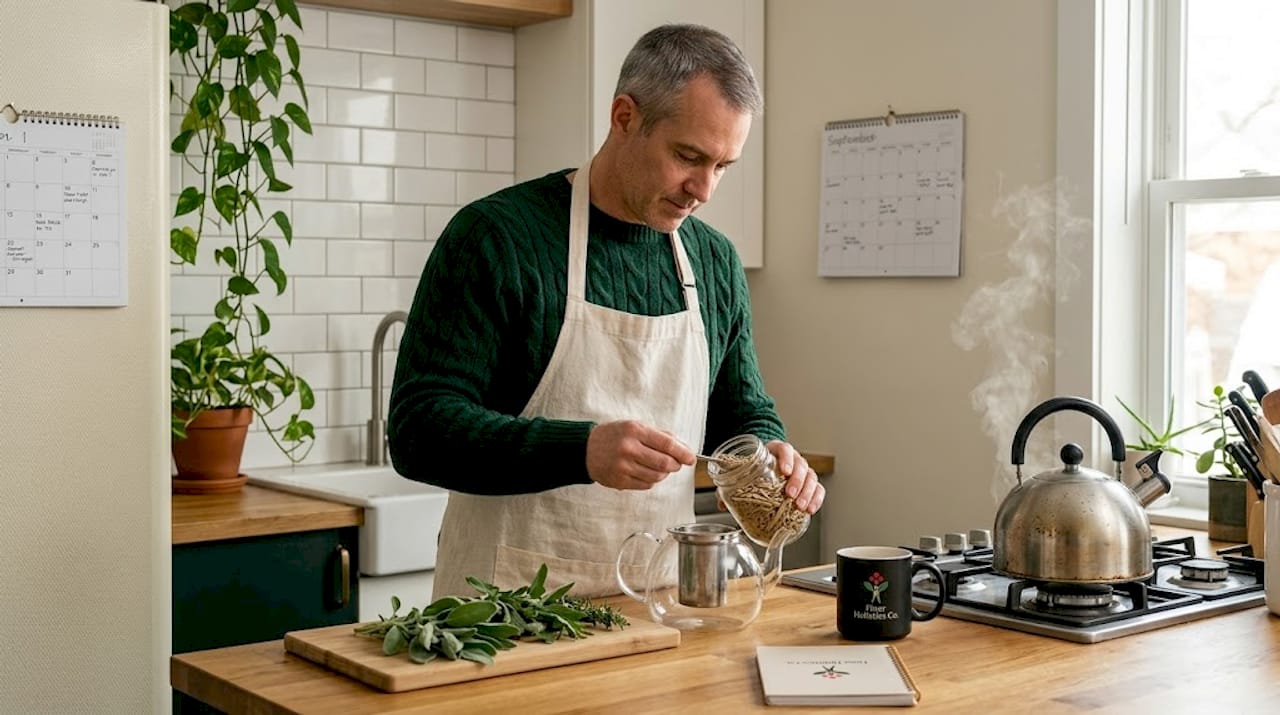
Empirical data shows benefits from herbal remedies across multiple systems in the body. Ashwagandha (Withania somnifera), one of the most studied adaptogens on the planet, shows consistent results in randomized controlled trials for reducing cortisol, improving sleep quality, lowering anxiety scores, and increasing muscle strength and testosterone in men. Berberine, a compound found in plants like goldenseal and barberry, has shown remarkable results for metabolic health, with 92% of measured outcomes improving in type 2 diabetes (T2DM) trials and meaningful benefits for non-alcoholic fatty liver disease (NAFLD). Evidence-backed ashwagandha and berberine support is no longer just anecdotal. It's documented in peer-reviewed research.
Here's a snapshot of the top studied plant-based options and what they're known for:
| Herb or practice | Primary benefit | Supporting evidence |
|---|---|---|
| Ashwagandha | Stress, sleep, strength | Multiple RCTs |
| Berberine | Blood sugar, liver health | 92% improved T2DM outcomes |
| Aromatherapy | Anxiety, pain reduction | Clinical studies |
| Mindfulness and exercise | Depression, mood | Comparable to medication |
| Valerian root | Sleep quality | Meta-analysis support |
Key scientific findings worth knowing:
- Ashwagandha significantly reduces cortisol levels compared to placebo in double-blind trials
- Berberine activates AMPK (a metabolic enzyme) similarly to the drug metformin
- Aromatherapy with lavender reduces pre-surgical anxiety in controlled settings
- Exercise and mindfulness impact depression outcomes comparably to antidepressant medication in some studies
- Sleep-supportive herbs like valerian and passionflower show measurable effects on sleep latency
It's also worth noting that mind-body practices are not softer versions of real treatment. They produce measurable neurological and hormonal changes. Meditation lowers inflammation markers. Breathwork shifts the autonomic nervous system from fight-or-flight to rest-and-repair mode. These effects are real, trackable, and meaningful.
What this means for you is that building your wellness approach around herbal wellness evidence and proven plant-based tools isn't wishful thinking. It's strategic. Understanding the herbal ingredient evidence behind what you're taking helps you make smarter, safer choices that align with your actual health goals.
Building your holistic wellness routine
Knowing the science is one thing. Putting it into action is another. Most people get stuck here because they try to change everything at once, burn out in week two, and conclude that holistic wellness "doesn't work for them." The real issue is approach, not the tools themselves.
Here's a stepwise framework for building a routine that actually sticks:
-
Start with sleep. Everything else gets harder without quality rest. Begin with sleep hygiene basics: consistent bed and wake times, limiting screens before bed, and a calming nighttime tea. Herbs like chamomile, passionflower, or herbal teas for stress are a gentle and effective place to start.
-
Add one adaptogen. Ashwagandha is the best starting point for most people dealing with stress and fatigue. Take it consistently for at least four to six weeks before evaluating results. Adaptogens work gradually, not overnight.
-
Introduce daily movement. You don't need an intense gym program. Even 20 to 30 minutes of walking, yoga, or bodyweight exercise activates stress-reducing hormones and supports metabolic function. As empirical data shows benefits from herbal remedies, pairing movement with herbal support amplifies both effects.
-
Build a mindfulness anchor. This can be five minutes of breathwork in the morning, a gratitude journal, or guided meditation. The key is daily consistency. A simple mindfulness workflow reduces anxiety and helps you stay grounded through the day.
-
Optimize nutrition. Whole foods, fermented options for gut health, and anti-inflammatory ingredients like turmeric and ginger make a measurable difference over time. Herbal bitters before meals support digestion. Staying hydrated is genuinely underrated.
-
Address the social dimension. Chronic isolation raises cortisol and inflammation. Prioritize time with people who energize you. Even brief positive social interactions have measurable wellness benefits.
Pro Tip: One of the most common mistakes when starting a holistic routine is doing too much research and not enough action. Choose two or three practices from the list above and commit to them for 30 days before adding more. Building a beginner herbal remedies habit is like building any other habit: consistency beats intensity every single time.
The key to making this work long term is treating your routine as a living system. Check in weekly. Adjust when something isn't serving you. Add tools as you feel ready. And always pay attention to how your body responds, because that feedback is real data.
Holistic versus conventional wellness: Key differences
Understanding how holistic and conventional approaches differ helps you make smarter choices, not choose sides. Both systems have real strengths. Both have real limitations. The goal is knowing which tool fits the situation.
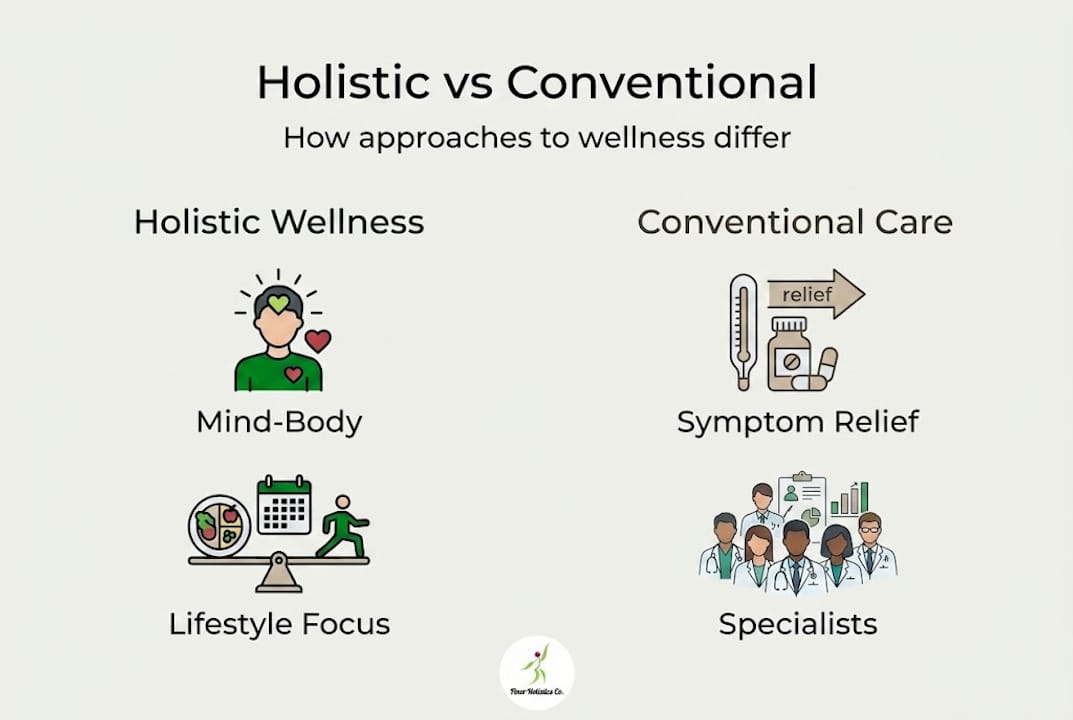
| Feature | Holistic wellness | Conventional medicine |
|---|---|---|
| Focus | Whole person (body, mind, spirit) | Specific symptom or diagnosis |
| Primary tools | Herbs, lifestyle, mindfulness | Pharmaceuticals, surgery |
| Approach to cause | Root cause and system patterns | Pathology and disease markers |
| Patient role | Active participant | Passive recipient |
| Speed of results | Often gradual | Often fast |
| Chronic care fit | High | Moderate |
| Emergency care fit | Low | Very high |
Real-world scenarios where each approach shines:
- Holistic wellness works well for: Chronic fatigue, hormonal imbalance, ongoing stress, digestive issues, sleep disorders, immune support, and long-term prevention
- Conventional medicine works best for: Infections requiring antibiotics, emergency trauma, acute heart events, serious mental illness requiring medication management, and cancer treatment
Research supports the idea that TCIM users often have higher disease burden but lower HRQoL, which reflects a pattern seen across holistic wellness communities: people with complex, chronic, hard-to-treat conditions are the ones most likely to seek out plant-based and integrative approaches because conventional options haven't fully addressed their needs. This isn't a criticism of conventional medicine. It's a signal about where the gaps exist.
Potential limitations of holistic wellness that you should know:
- Quality of herbal products varies widely. Always source from reputable, transparent brands.
- Some herbs interact with medications. Always disclose herbal use to your healthcare provider.
- Results are usually slower and require consistent effort over weeks or months.
- Not every condition responds to plant-based approaches alone.
Pro Tip: The smartest approach is to see holistic wellness and conventional medicine as teammates, not competitors. Use conventional care for diagnostics, emergencies, and conditions requiring pharmaceutical management. Layer in holistic support for long-term resilience, stress management, and prevention. For tips on applying this to family health, herbal wellness for parents covers practical, safety-focused guidance. For emotional wellbeing alongside physical health, explore mental health self-care strategies that integrate naturally with herbal support.
A fresh perspective: Why holistic wellness succeeds where conventional care falls short
Here's something most wellness articles won't say directly: conventional medicine is extraordinary at treating what it can measure. It is genuinely poor at treating how you feel. That gap is where holistic wellness lives.
We see this every day. Someone gets a full blood panel, everything looks "normal," and yet they're exhausted, anxious, and struggling. Conventional care has nothing left to offer. Holistic wellness starts right there because it asks different questions: What are you eating? How are you sleeping? What's your stress load? What does your gut feel like? These questions lead to different answers and often to real solutions.
The uncomfortable truth is that most chronic health struggles in people aged 25 to 45 aren't caused by a single deficiency or disease. They're caused by cumulative lifestyle patterns, unmanaged stress, poor sleep, nutrient gaps, and disconnection from the body's natural signals. No pill addresses all of that. But a thoughtful, plant-supported lifestyle can.
Building a holistic routine isn't about rejecting modern science. It's about honoring the complexity of being human. Plants have been healing people for thousands of years. The research is now catching up to what traditional herbalists have always known. Combining that ancient wisdom with modern evidence isn't fringe thinking. It's the future of wellness.
Enhance your holistic wellness journey with evidence-backed solutions
You now have a clear picture of what holistic wellness means, what the science supports, and how to build a routine that actually works. The next step is putting it into action with the right tools.
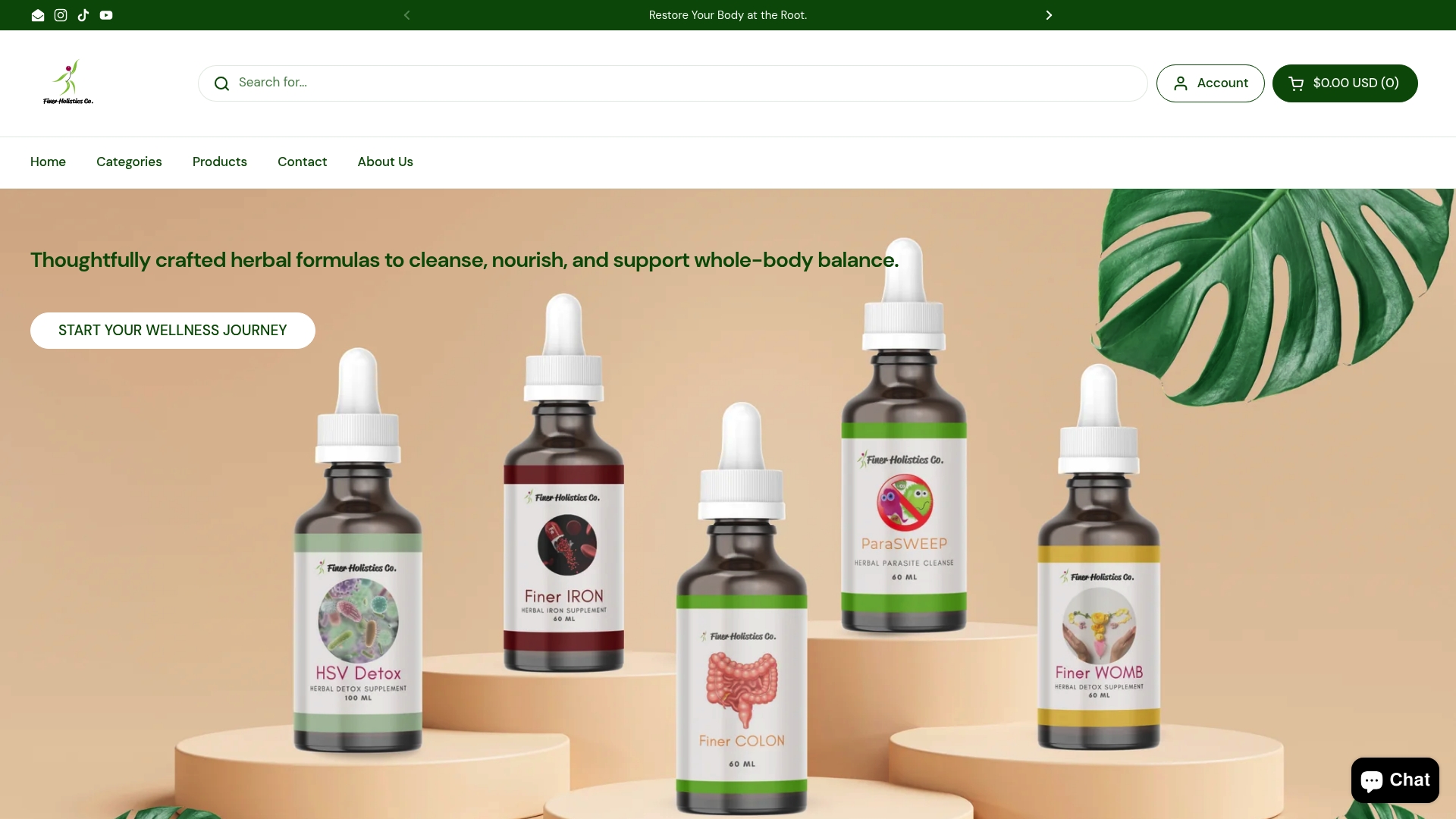
At Finer Holistics, every product is handcrafted by a holistic herbalist using carefully selected ingredients with documented traditional and clinical benefits. Whether you're looking to start with a targeted cleanse, explore our herbal detox remedies, or get started with the all-in-one detox starter pack, we make it easy to take that first step. Women dealing with hormonal balance or cycle support can explore our women's wellness herbs collection, designed specifically to support your body's natural rhythms. Nature has the tools. We make them accessible.
Frequently asked questions
What makes holistic wellness different from traditional medicine?
Holistic wellness focuses on physical, mental, and emotional well-being as an interconnected system, while traditional medicine typically targets specific symptoms or diagnosed conditions.
Are plant-based remedies like ashwagandha and berberine proven to work?
Yes. Empirical data shows benefits from herbal remedies including improved stress, sleep, and muscle strength from ashwagandha, and 92% improved outcomes for type 2 diabetes with berberine in clinical trials.
How can I start a holistic wellness routine?
Begin with two or three changes: a sleep-supportive herbal tea, one evidence-backed adaptogen, and a simple daily movement or mindfulness practice. Empirical data shows benefits from herbal remedies when combined with lifestyle practices like exercise, which performs comparably to medication for depression in some studies.
Can holistic wellness help with chronic conditions?
It can play a meaningful supportive role. People with chronic conditions often turn to integrative approaches because TCIM users often have higher disease burden but lower HRQoL, indicating unmet needs that holistic care can help address alongside conventional treatment.