
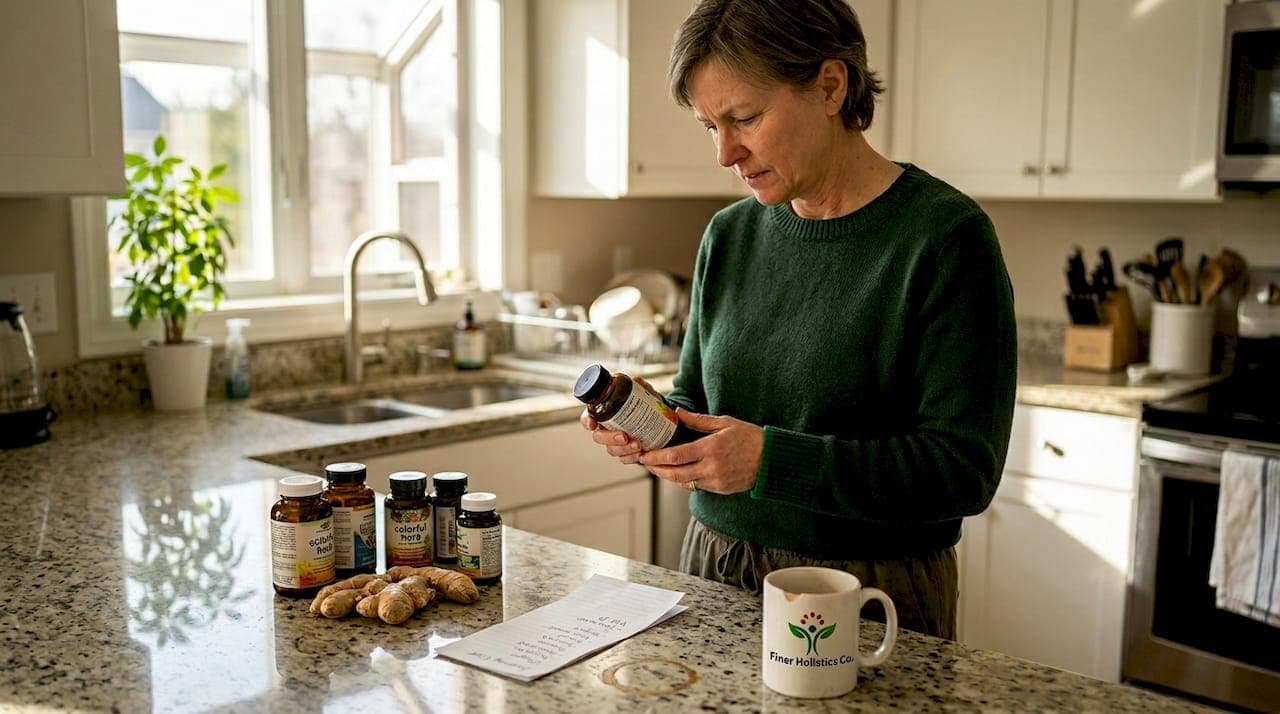
Not every herb on the shelf deserves equal trust. The natural wellness world is full of bold claims, and while many herbal ingredients carry real science behind them, others ride on tradition alone. The gap between what a plant can do in a lab and what it does in your body is wider than most people realize. This guide cuts through the noise by focusing on what the research actually shows, which herbs are worth your attention, how to use them safely, and why smart application matters just as much as ingredient selection.
Table of Contents
- What makes an herbal ingredient active?
- The best-studied herbal ingredients (explained))
- Bioavailability and safety: What most people miss
- Smart applications: Using herbal ingredients in your wellness routine
- Why context matters more than ingredients: A holistic perspective
- Explore herbal wellness solutions with Finer Holistics
- Frequently asked questions
Key Takeaways
| Point | Details |
|---|---|
| Not all herbs are equal | Scientific evidence supports only select herbal ingredients for specific uses. |
| Bioavailability matters | How your body absorbs herbal actives strongly affects their benefits. |
| Evidence-based choices | Match your health goals with well-studied herbs and proven routines. |
| Holistic approach wins | Herbal remedies work best when combined with a healthy lifestyle. |
What makes an herbal ingredient active?
Before you can evaluate any herb, you need to understand what makes it do something in the first place. Every effective herbal ingredient contains bioactive compounds, which are naturally occurring molecules that interact with your body's biological systems. These aren't vague "healing energies." They're specific chemicals with measurable effects.
Common mechanisms include:
- Anti-inflammatory action: Compounds like curcumin block inflammatory signaling pathways, including NF-kB and COX-2, which are key drivers of chronic inflammation.
- Antioxidant activity: Many plant compounds neutralize free radicals, reducing oxidative stress linked to aging and disease.
- Antimicrobial effects: Some herbs disrupt bacterial cell walls or inhibit microbial growth directly.
- Hepatoprotective support: Certain compounds shield liver cells from damage caused by toxins or oxidative stress.
Active compounds like gingerols, curcumin, and silymarin confer effects via anti-inflammatory, antioxidant, and hepatoprotective pathways, and understanding ginger mechanisms helps explain why the same root can ease nausea and reduce inflammation simultaneously.
| Factor | Why it matters |
|---|---|
| Compound concentration | Low-quality extracts may contain too little active material |
| Bioavailability | Some actives are poorly absorbed without special formulation |
| Individual biology | Gut microbiome and genetics affect how you process plant compounds |
| Dose | Too little does nothing; too much can cause side effects |
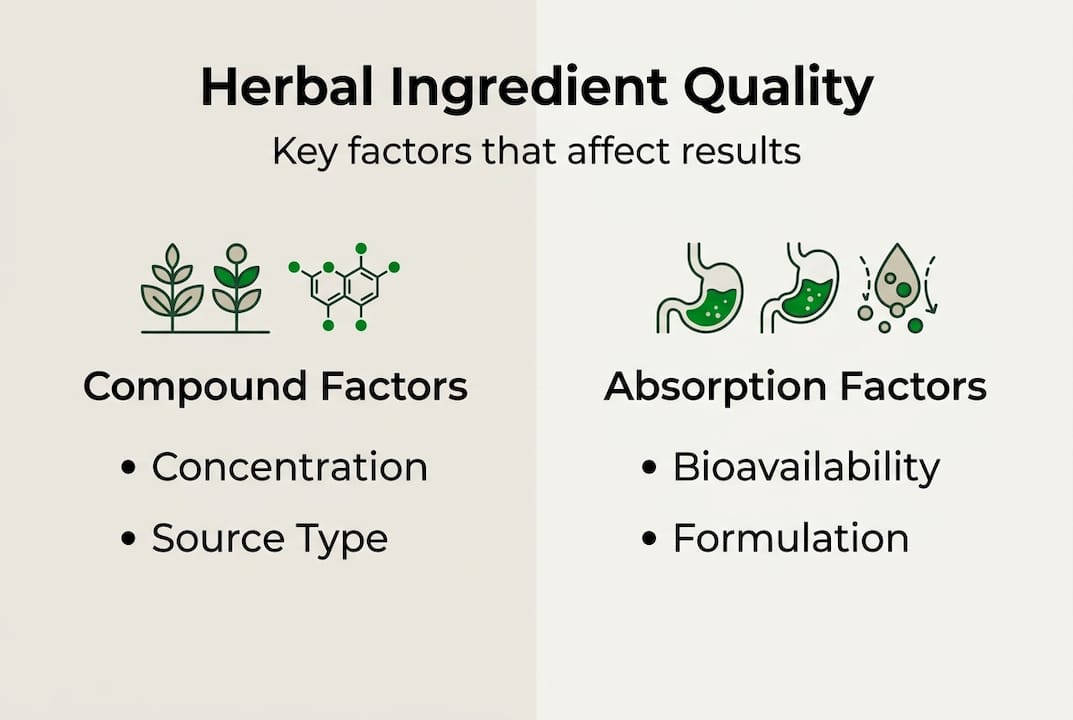
Bioavailability is the real wildcard. A compound can have powerful effects in a test tube but get broken down in your gut before it ever reaches its target. This is why the form of an herbal product matters as much as the ingredient itself. Understanding herbal nutrition benefits gives you a stronger foundation for choosing wisely.
Pro Tip: Look for products that use standardized extracts, which list the percentage of active compound, rather than whole herb powders with unknown potency.
The best-studied herbal ingredients (explained)
Now that you understand what makes a herb active, let's break down which common herbs are best supported by research. Not all popular herbs are equally proven, and knowing the difference protects both your health and your wallet.
| Herb | Active compound | Primary use | Evidence strength |
|---|---|---|---|
| Ginger | Gingerols, shogaols | Nausea, inflammation | Strong |
| Turmeric | Curcumin | Inflammation, joint health | Strong (with absorption aid) |
| Milk thistle | Silymarin | Liver support | Moderate to strong |
| Tulsi (holy basil) | Eugenol, ursolic acid | Stress, adaptogen | Moderate |
| Andrographis | Andrographolide | Cold and COVID-19 symptoms | Emerging |
| Echinacea | Alkylamides, polysaccharides | Cold prevention | Weak to moderate |
Research validates ginger, turmeric, silymarin, and tulsi for specific effects, while echinacea's evidence is weak, and Andrographis paniculata aids COVID-19 symptoms. Echinacea may reduce cold risk by roughly 10 to 20%, but it does not meaningfully shorten illness duration. Silymarin supports liver health, ginger relieves nausea, and curcumin modulates inflammation through well-documented pathways.
Ginger stands out for its nausea-relieving effects, particularly in pregnancy-related nausea and chemotherapy-induced nausea, where clinical evidence is consistent.
When to use each herb:
- Ginger: Nausea, motion sickness, post-meal digestive discomfort
- Turmeric/curcumin: Chronic inflammation, joint stiffness, post-exercise recovery
- Milk thistle: Liver support during alcohol use, medication exposure, or fatty liver concerns
- Tulsi: Daily stress management, mild immune support
- Andrographis: Acute cold or flu symptoms, short-term use only
- Echinacea: Optional preventive use during cold season, with realistic expectations
For deeper context on how these fit into a broader wellness plan, exploring types of herbal remedies and a solid herbal remedy guide can help you build a more informed routine.
Bioavailability and safety: What most people miss
Once you know the claims and mechanisms, it's crucial to weigh how well these herbal ingredients really work in your body and what to watch out for. This is where most herbal guides fall short.
While herbal actives demonstrate strong mechanisms in the lab, actual effects depend on how well your body absorbs them.
Curcumin and silymarin both have poor bioavailability unless specially formulated. Nano-formulations, liposomal delivery, and specific co-factors can dramatically improve how much of these compounds actually enter your bloodstream. Without these enhancements, you might be taking a supplement that passes through your system largely unused.
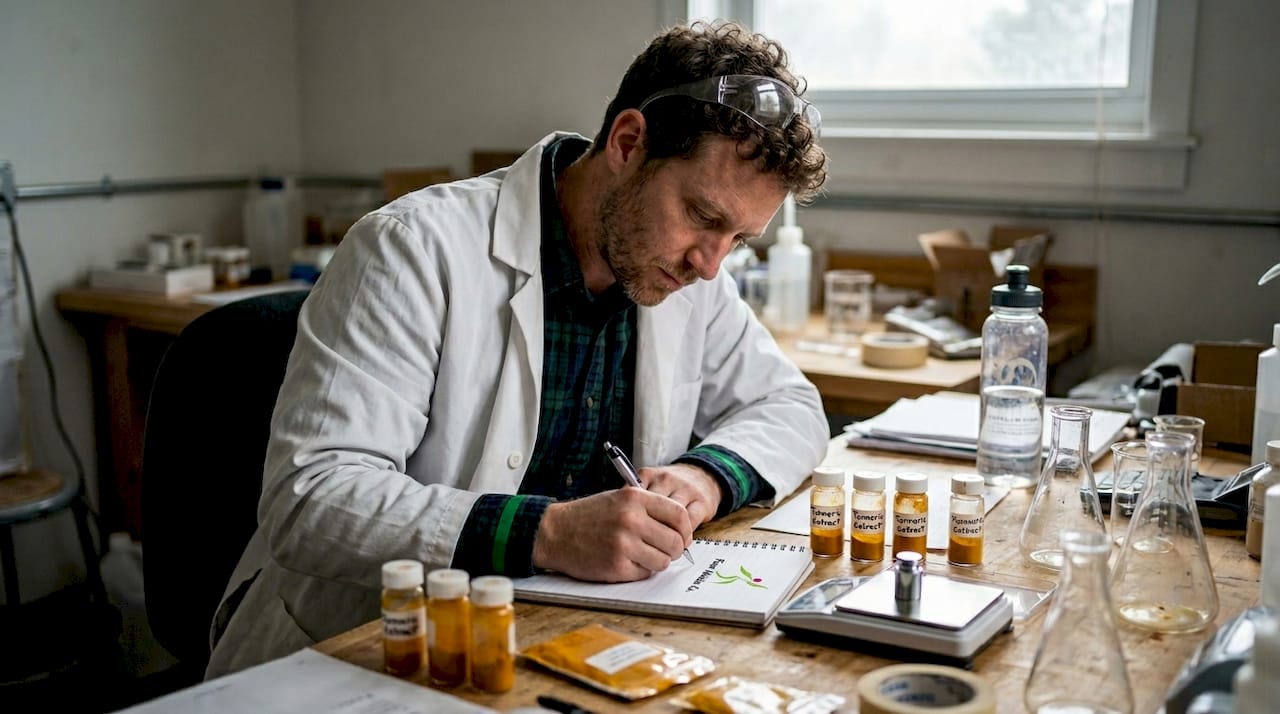
Safety considerations are real, even with natural ingredients. High-dose ginger is generally well-tolerated, but mechanisms are still being studied at therapeutic doses. Silymarin shows a strong safety profile, and echinacea may increase mild adverse events like GI upset in some users.
Signs to watch for and when to pause:
- GI discomfort: Nausea, bloating, or loose stools after starting a new herb
- Skin reactions: Rash or itching, especially with echinacea or chamomile (related to ragweed allergy)
- Headaches or dizziness: Can signal too high a dose or a sensitivity
- No improvement after 4 to 6 weeks: Reassess whether the herb matches your actual need
- Drug interactions: Turmeric and ginger can affect blood clotting; tulsi may interact with thyroid medications
Pro Tip: Combining curcumin with black pepper (which contains piperine) can boost curcumin absorption by up to 2,000%. This is one of the most practical and well-supported ways to get more from your turmeric supplement.
For more on navigating herbal wellness safely, especially for families and those with health conditions, reviewing herbal wellness safety and a thorough herbal medicine guide provides essential grounding.
Smart applications: Using herbal ingredients in your wellness routine
With safety and evidence in mind, here's how to apply smart, research-backed strategies to make herbal remedies a sustainable part of your wellness. The goal isn't to take every herb at once. It's to be intentional.
Steps to build an evidence-based herbal routine:
- Identify your goal: Are you targeting inflammation, digestive support, stress, or liver health? Pick one area to start.
- Match the herb to the goal: Use the comparison table above to select an herb with strong evidence for your specific need.
- Check the dose and form: Look for standardized extracts with known active percentages. Teas work for mild support; tinctures and capsules offer more consistent dosing.
- Monitor your response: Keep a simple log for 4 to 6 weeks. Note energy, digestion, sleep, and any symptoms.
- Rotate as needed: Avoid taking the same herb indefinitely. Cycling herbs prevents tolerance and gives your body a reset.
For adults focused on natural wellness, ginger for nausea, silymarin for liver, and curcumin for inflammation show the strongest results, especially when combined with a nutrient-dense diet.
What to combine with herbs for best results:
- B-vitamins: Support liver detox pathways alongside milk thistle
- Sulfur-rich foods (garlic, onions, broccoli): Enhance natural detox enzyme activity
- Healthy fats: Improve absorption of fat-soluble compounds like curcumin
- Adequate hydration: Supports kidney clearance and overall detox function
- Consistent sleep: Amplifies the anti-inflammatory benefits of adaptogenic herbs like tulsi
One important reality check: your liver already detoxifies your body around the clock. Herbs support that process. They don't replace it. Extreme "detox cleanses" that promise to flush toxins in 3 days are not backed by evidence. A sustainable herbal wellness routine works with your body's existing systems, not against them.
Why context matters more than ingredients: A holistic perspective
Most guides stop at listing the "best" herbs. But here's what we've learned working closely with people on their wellness journeys: the ingredient is rarely the limiting factor. Context is.
You can take the highest-quality curcumin supplement on the market and see almost no benefit if you're sleeping four hours a night, eating a diet full of processed food, and running on chronic stress. Herbs amplify healthy foundations. They don't substitute them. This isn't a disclaimer. It's the most practical thing we can tell you.
The conventional approach treats herbal wellness like a vending machine: put in the herb, get out the result. Real wellness doesn't work that way. Tulsi works better when you're also managing stress through sleep and movement. Milk thistle is more meaningful when you're reducing alcohol and eating liver-supportive foods. The herb becomes a signal to your body, not a command.
We encourage you to approach herbal nutrition with curiosity rather than urgency. Ask what your body actually needs right now. Build the foundation first, then layer in targeted herbal support. That's where the real results live.
Explore herbal wellness solutions with Finer Holistics
Understanding the science behind herbal ingredients is the first step. Putting that knowledge into practice is where transformation happens. At Finer Holistics, every product is crafted with this in mind, using carefully selected, evidence-informed ingredients designed to support your body's natural processes.
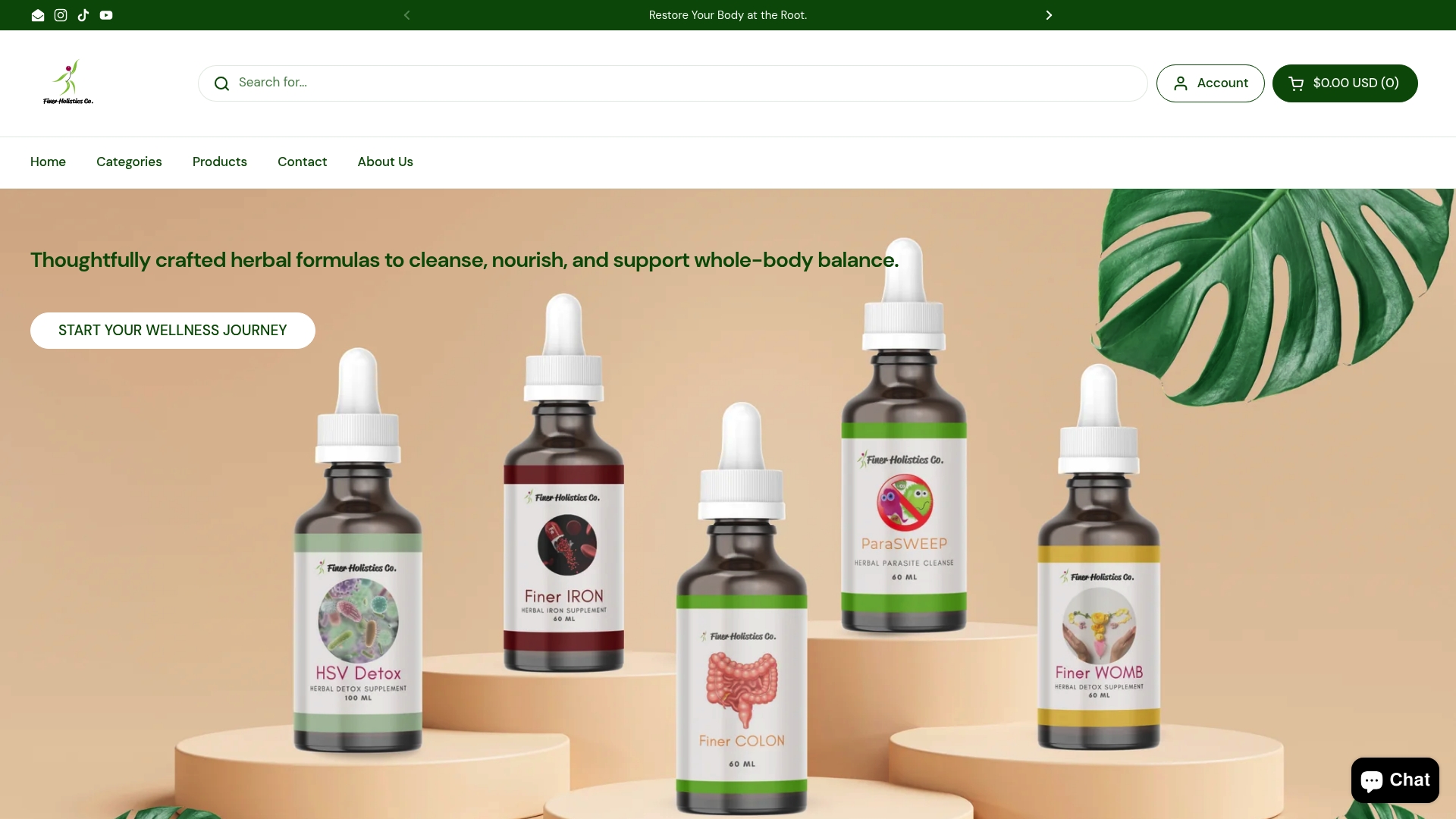
Whether you're looking to support your liver, ease inflammation, or build a daily wellness ritual, our herbal detox remedies are formulated to work with your body, not against it. Explore the full Finer Holistics product range to find blends that match your goals, read detailed ingredient breakdowns, and take the next step toward a wellness routine grounded in real herbal knowledge.
Frequently asked questions
Which herbal ingredient is safest for everyday use?
High-dose ginger is generally well-tolerated, and in typical dietary amounts, ginger is considered safe for most healthy adults as a daily ingredient.
Does Echinacea actually work for colds?
Echinacea's preventive effects show a possible 10 to 20% reduction in cold risk, but it does not significantly shorten illness duration or cure active infections.
How can I make herbal ingredients more effective?
Combining turmeric with black pepper is one of the most practical strategies, and choosing standardized extracts with nano-formulations further improves how much active compound your body actually absorbs.
Is there evidence that herbal detox cleanses work?
Your liver naturally detoxifies continuously, and silymarin supports liver health but does not replace the foundational habits of a balanced diet, adequate hydration, and reduced toxin exposure.