

Digestive discomfort affects millions of people daily, leaving many searching for gentle, effective relief. While over-the-counter medications offer quick fixes, herbal teas provide a time-tested, natural approach to supporting digestive health. From soothing bloating to easing nausea, the right herbal tea can make a meaningful difference in how you feel after meals. This guide will walk you through the best herbal teas for digestion, how to choose the right one for your needs, and practical tips for safe, effective use.
Table of Contents
- Key Takeaways
- How to choose the right herbal tea for digestion
- Top 6 herbal teas to aid digestion
- Comparing popular herbal teas for digestion
- When and how to use herbal teas safely for digestion
- Explore herbal digestion support with Finer Holistics
- Frequently asked questions
Key Takeaways
| Point | Details |
|---|---|
| Match tea to symptom | Choose peppermint for gas and cramps, ginger for nausea, and other herbs for specific digestive issues. |
| Start with single herb | Begin with one herb before trying blends to identify what works. |
| Consider form and taste | Loose leaf tea often has stronger beneficial compounds than bags, but bags are easier to use. |
| Safety and allergies | Be aware of possible interactions with medications and personal conditions such as GERD and allergies. |
| Quality and storage | Choose organic, well sourced teas and store them properly to maintain potency. |
How to choose the right herbal tea for digestion
Selecting an herbal tea starts with understanding your specific digestive challenge. Bloating requires different herbal support than nausea or cramping. Peppermint excels at relieving gas and muscle spasms, while ginger targets nausea more effectively. Identifying your primary symptom helps narrow your options quickly.
Flavor preferences play a bigger role than most people realize. You won't stick with a tea that tastes unpleasant, no matter how beneficial it might be. Peppermint offers a refreshing, cooling sensation. Ginger delivers a warm, spicy kick. Chamomile provides gentle, floral notes. Sample different varieties to find what you genuinely enjoy drinking.
Form matters for convenience and potency. Loose leaf teas typically contain higher concentrations of beneficial compounds compared to bagged versions. However, tea bags offer portability and simplicity for busy schedules. Consider your lifestyle when making this choice.
Safety considerations deserve attention before adding any herbal remedy to your routine. Some herbs interact with common medications or may not suit everyone. Choosing herbal teas should consider individual digestive symptoms and possible herb interactions. People taking blood thinners should avoid excessive chamomile, while those with GERD might find peppermint worsens symptoms.
Quality indicators include organic certification, transparent sourcing, and proper storage. Organic teas minimize pesticide exposure, which matters when consuming herbs regularly. Look for suppliers who provide detailed information about growing conditions and harvesting practices.
Pro Tip: Start with single-herb teas before trying blends. This approach helps you identify which herbs work best for your body and avoid potential allergens.
Allergy awareness prevents uncomfortable reactions. If you're allergic to ragweed, chamomile might trigger similar responses. Fennel belongs to the carrot family, so those with related allergies should proceed cautiously. Always test a small amount first.
Top 6 herbal teas to aid digestion
Peppermint tea stands out as one of the most effective options for digestive relief. The menthol in peppermint relaxes gastrointestinal muscles and reduces bloating, making it ideal after heavy meals. Steep for 5-7 minutes in hot water and drink 20-30 minutes after eating for best results. The cooling sensation also helps calm an upset stomach quickly.
Ginger tea delivers powerful anti-nausea benefits backed by extensive traditional use. Fresh ginger root contains gingerol compounds that stimulate digestive enzymes and reduce inflammation. Pregnant women often turn to ginger tea for morning sickness relief. Steep thinly sliced fresh ginger for 10 minutes, or use dried ginger for a more concentrated effect. This tea works particularly well before travel or during stomach flu recovery.

Chamomile tea offers gentle digestive support through its anti-inflammatory properties. The apigenin in chamomile binds to receptors in your brain and digestive tract, promoting relaxation of smooth muscles. This makes it especially helpful for stress-related digestive issues. Drink chamomile tea 30 minutes before bed to support overnight digestive repair and improve sleep quality.
Fennel tea addresses bloating and gas with remarkable efficiency. The volatile oils in fennel seeds relax intestinal muscles and help expel trapped gas. Many cultures serve fennel tea after meals as a digestive aid. Crush fennel seeds slightly before steeping to release more beneficial compounds. The mild licorice flavor appeals to most palates.
Lemon balm tea combines digestive benefits with mood support. This herb from the mint family reduces gas, eases cramping, and calms nervous tension that often accompanies digestive upset. The citrusy flavor makes it refreshing both hot and iced. Lemon balm works synergistically with other digestive herbs in blends.
Dandelion tea supports digestion by promoting bile production and liver function. The bitter compounds in dandelion root stimulate digestive secretions and improve nutrient absorption. This tea also acts as a mild diuretic, helping reduce water retention and bloating. Roasted dandelion root creates a coffee-like flavor that many people prefer.
Pro Tip: Combine peppermint and ginger in equal parts for a powerful digestive blend that addresses multiple symptoms simultaneously. This combination works especially well for post-meal discomfort.
For comprehensive digestive support, explore a quality herbal digestion support tea formulated specifically for gut comfort. Professional blends often combine complementary herbs for enhanced effectiveness. Check out a complete herbal remedy guide to understand how different herbs work together.
Comparing popular herbal teas for digestion
Understanding the distinct characteristics of each tea helps you make informed choices. Each herbal tea offers unique benefits suited for different digestive needs. The following comparison highlights key differences in preparation, benefits, and ideal timing.
| Tea Type | Primary Benefit | Flavor Profile | Best Time | Brewing Time | Caffeine |
|---|---|---|---|---|---|
| Peppermint | Gas and bloating relief | Cool, minty, refreshing | After meals | 5-7 minutes | None |
| Ginger | Nausea reduction | Warm, spicy, sharp | Before travel or meals | 10 minutes | None |
| Chamomile | Inflammation and cramping | Mild, floral, apple-like | Before bed | 5 minutes | None |
| Fennel | Bloating and gas expulsion | Sweet, licorice-like | After meals | 7-10 minutes | None |
| Lemon Balm | Gas and nervous digestion | Citrusy, light, fresh | Anytime | 5 minutes | None |
| Dandelion | Liver support and bile flow | Earthy, slightly bitter | Morning | 10-15 minutes | None |
Timing your tea consumption maximizes benefits. Peppermint and fennel work best after meals when digestive discomfort typically appears. Ginger proves most effective when consumed before situations that trigger nausea. Chamomile's calming properties make it ideal for evening use, especially when stress affects digestion.
Preparation tips enhance potency and flavor:
- Use filtered water heated to 200-212°F for optimal extraction
- Cover your cup while steeping to retain volatile oils
- Adjust steeping time based on desired strength
- Add raw honey after steeping to preserve beneficial enzymes
- Store dried herbs in airtight containers away from light
Each tea carries specific advantages and minor drawbacks. Peppermint offers fast relief but may worsen acid reflux in some people. Ginger provides powerful nausea control yet might cause heartburn at high doses. Chamomile soothes effectively but can cause drowsiness. Fennel works quickly for gas but has a distinct flavor some find off-putting. Lemon balm combines well with other herbs but offers milder effects alone. Dandelion supports deep digestive function but requires longer brewing for full benefits.
Experiment with different teas throughout the day to find your optimal routine. Many people benefit from rotating teas rather than relying on just one variety. This approach provides broader digestive support and prevents tolerance buildup. For additional guidance on natural digestion support, explore comprehensive resources that explain herbal synergies.
When and how to use herbal teas safely for digestion
Moderation ensures you receive benefits without adverse effects. Most herbalists recommend limiting consumption to 2-3 cups daily of any single herbal tea. This guideline prevents overexposure to specific compounds while allowing your body to respond positively. Rotating between different digestive teas provides varied phytonutrients and reduces the risk of developing sensitivities.
Medical consultation becomes essential in certain situations. Understanding safety considerations is essential before adding herbal teas to your routine. Pregnant and nursing women should verify safety with their healthcare provider, as some herbs affect hormone levels or milk production. People taking prescription medications need to check for potential interactions, particularly with blood thinners, diabetes medications, and immunosuppressants.
Safe usage practices for herbal digestive teas:
- Start with half the recommended serving to assess your body's response
- Wait at least two hours between herbal tea consumption and taking medications
- Keep a journal noting which teas help specific symptoms
- Source herbs from reputable suppliers with third-party testing
- Discontinue use if you experience unexpected reactions
- Avoid herbal teas two weeks before scheduled surgery
- Stay hydrated with plain water alongside herbal tea consumption
Recognizing adverse reactions allows for quick response. Mild symptoms like slight stomach upset or headache typically resolve when you reduce dosage or switch herbs. More serious signs require immediate attention and discontinuation.
Watch for these warning signs:
- Persistent digestive upset that worsens with tea consumption
- Skin rashes, itching, or hives indicating allergic response
- Unusual fatigue or dizziness after drinking herbal tea
- Changes in medication effectiveness or blood sugar levels
- Rapid heartbeat or breathing changes
"Quality matters tremendously when selecting herbal teas for therapeutic use. Organic certification ensures you're not consuming pesticide residues that could further irritate your digestive system. Sustainable sourcing practices also indicate a company's commitment to potency and purity."
Storage practices preserve beneficial compounds and prevent contamination. Keep dried herbs in glass containers with tight-fitting lids. Store in a cool, dark location away from moisture and strong odors. Properly stored herbal teas maintain potency for 6-12 months, though fresher is always better.
Children require modified approaches to herbal tea consumption. Most digestive herbs prove safe for children over age two in reduced doses, typically one-quarter to one-half the adult serving. However, specific herbs like fennel should be limited in very young children. Always dilute herbal teas more than you would for adults and introduce one herb at a time.
For comprehensive information on herbal tea safety tips, explore detailed guides that cover interactions, contraindications, and best practices. This knowledge empowers you to use herbal remedies confidently and effectively.
Explore herbal digestion support with Finer Holistics
Finding quality herbal teas that deliver real digestive benefits can feel overwhelming with so many options available. Finer Holistics simplifies this search by offering carefully crafted herbal remedies designed specifically for digestive wellness. Their signature Finer Digest herbal tea combines traditional digestive herbs in optimal ratios for comprehensive gut support.
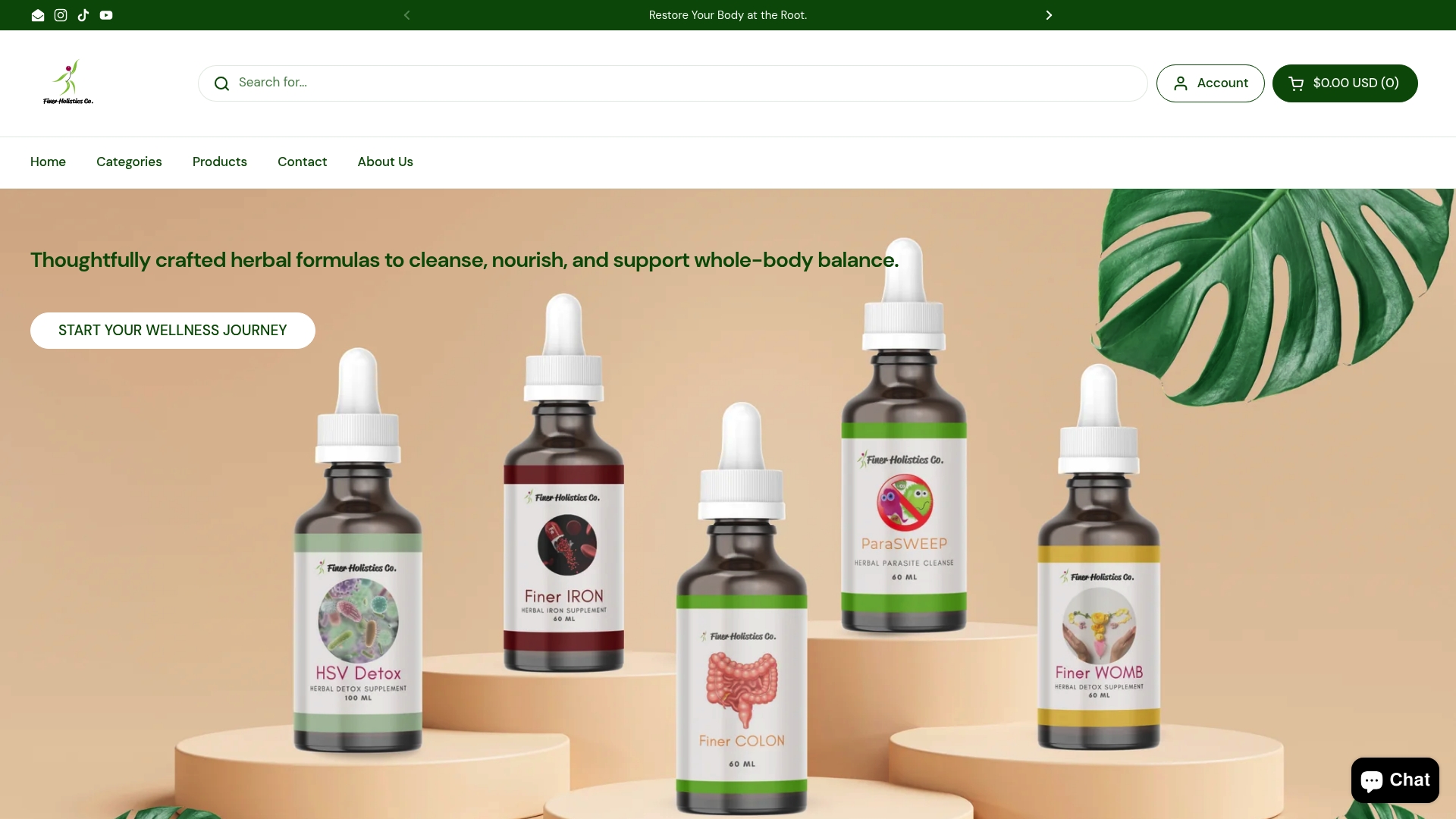
Each Finer Holistics product reflects the expertise of a professional herbalist who understands how herbs work synergistically. Their digestion support blend features organic peppermint, ginger, fennel, and complementary herbs that address multiple digestive concerns simultaneously. This eliminates guesswork and provides a reliable solution for daily digestive comfort.
Beyond digestive teas, Finer Holistics offers herbal detox remedies that support your body's natural cleansing processes. These products work beautifully alongside digestive teas for comprehensive wellness support. Explore the full range of Finer Holistics herbal remedies to discover natural solutions that help you feel your best every day.
Frequently asked questions
Can I drink multiple herbal teas together for digestion?
Yes, combining complementary herbal teas often enhances digestive benefits. Peppermint and ginger work particularly well together, as do chamomile and lemon balm. However, limit your total herbal tea intake to 3-4 cups daily and introduce new combinations gradually to monitor your body's response.
How long does it take for herbal teas to improve digestion?
Immediate relief from symptoms like gas or nausea can occur within 15-30 minutes of drinking herbal tea. For chronic digestive issues, consistent daily use over 2-4 weeks typically produces noticeable improvements. Results vary based on individual digestive health and the specific herbs used.
Are herbal teas safe for children and pregnant women?
Most digestive herbal teas prove safe for children over age two in reduced doses, typically one-quarter to one-half the adult serving. Pregnant women should consult healthcare providers before using herbal teas, as some herbs affect pregnancy hormones. Ginger tea generally receives approval for pregnancy-related nausea, while others require caution. Learn more about natural digestion support for specific populations.
What are signs of adverse reactions to herbal teas?
Watch for skin rashes, persistent digestive upset that worsens with consumption, unusual fatigue, dizziness, or changes in how your medications work. Mild stomach sensitivity when starting a new tea usually resolves quickly. Serious reactions like difficulty breathing or severe allergic symptoms require immediate medical attention and discontinuation of the tea.
Can herbal teas replace medical treatments for digestion?
Herbal teas complement but should not replace medical treatment for serious digestive conditions. They work excellently for occasional discomfort, mild symptoms, and general digestive support. Chronic conditions like IBS, Crohn's disease, or ulcers require professional medical care. Discuss incorporating herbal teas into your treatment plan with your healthcare provider. Explore comprehensive herbal tea nourishment strategies for optimal wellness.