
TL;DR:
- Tinctures are concentrated herbal extracts made by soaking plant material in solvents like ethanol, glycerine, vinegar, or water. They offer advantages such as quick absorption, precise dosing, long shelf life, and portability, making them popular for modern herbal wellness routines. However, selecting the appropriate form depends on individual needs, herb chemistry, and safety considerations, emphasizing personalized herbal use.
Picking the right herbal remedy can feel like standing in a crowded market with no map. Capsules, teas, powders, syrups, and tinctures all claim to support your health, but each works differently in your body, requires different preparation, and suits different lifestyles. Tinctures have been climbing in popularity among health-conscious adults who want something fast-acting, easy to dose, and built to last. Before you add one to your routine, though, it helps to understand exactly what they offer and where they fit best. This article gives you the real picture.
Table of Contents
- What are tinctures and how are they made?
- Top advantages of tinctures for herbal wellness
- Tinctures vs. other herbal remedies: How do they compare?
- Safety, interaction risks, and choosing the right tincture for you
- A holistic perspective: Why tinctures aren't a one-size-fits-all solution
- Find holistic tinctures and remedies for your wellness journey
- Frequently asked questions
Key Takeaways
| Point | Details |
|---|---|
| Potent and convenient | Tinctures offer strong concentrations of herbal actives in easy-to-dose liquid drops. |
| Flexible and customizable | They suit different preferences—including alcohol-free options—and can blend herbs to target specific wellness goals. |
| Not universally superior | The best herbal format depends on the individual herb, your needs, and safety considerations. |
| Mind your interactions | Check for possible herb–drug interactions and ingredient sensitivities before using tinctures. |
| Long shelf life | Alcohol-based tinctures stay potent for years when stored correctly. |
What are tinctures and how are they made?
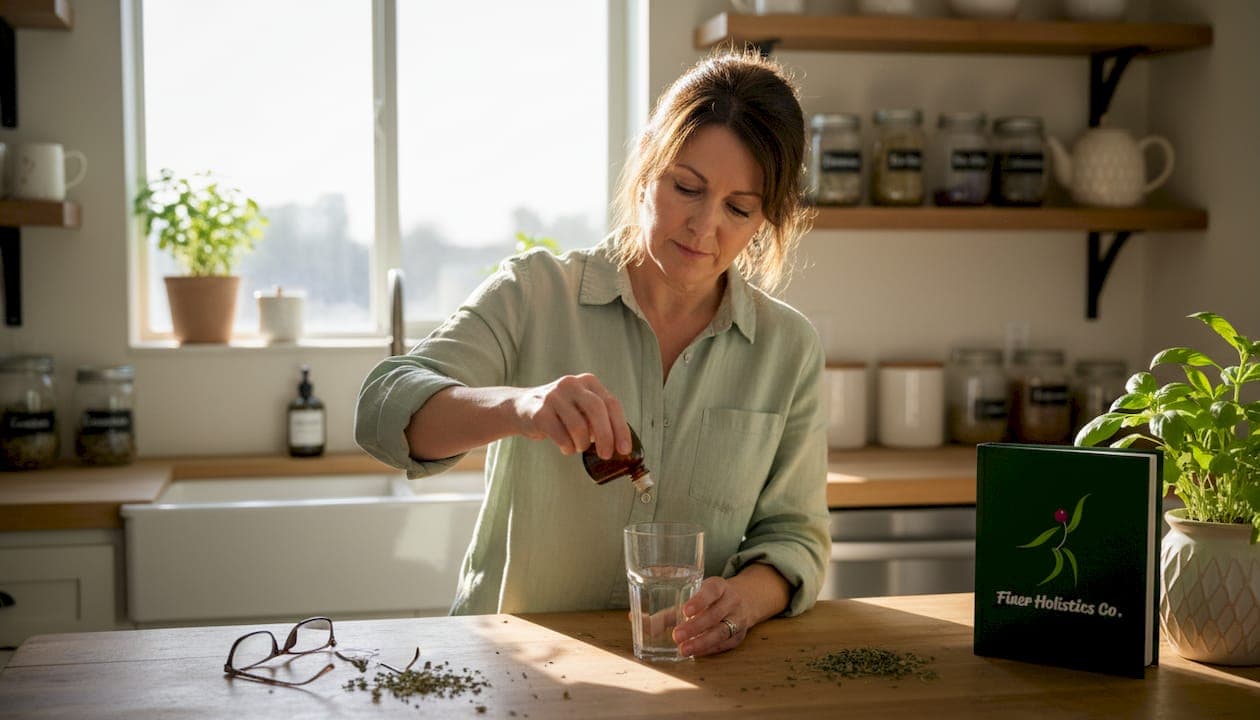
Tinctures are one of the oldest forms of herbal medicine still widely used today. At their core, tinctures are concentrated liquid herbal extracts made by soaking plant material in a solvent, most commonly ethanol (grain alcohol). That soaking process pulls the active compounds out of the plant and suspends them in the liquid, creating a potent extract you can take in small, measured doses.
The most common solvents used in tincture production include:
- Ethanol (alcohol): The gold standard for extraction and preservation
- Vegetable glycerine: Produces a sweet, alcohol-free product called a glycerite
- Apple cider vinegar: Another alcohol-free option, though typically less shelf-stable
- Water: Used in combination with other solvents for water-soluble compounds
The production method itself is called maceration. Tincture production uses maceration, which means steeping the herb in the chosen solvent for several weeks, typically two to six, while the liquid draws out the plant's active constituents. The mixture is then strained, pressed, and bottled. The result is a dark, aromatic liquid that holds the essence of the plant in a highly stable form.
One of the most practical features of a finished tincture is how you use it. Instead of brewing a cup of tea or swallowing a large capsule, you use a dropper to measure out a precise number of drops or milliliters. That precision matters when you're trying to stay consistent with your intake and track how your body responds. Learning the herbal nutrition basics behind different plant compounds can also help you understand why certain solvents work better for certain herbs.
A quick note on potency: Because maceration concentrates plant material into a small volume of liquid, a single dropper of a well-made tincture can deliver the equivalent of a far larger dose of dried herb. This is why starting with the lowest recommended dose and working up gradually is always the right approach.
Top advantages of tinctures for herbal wellness
With a clear understanding of what tinctures are, here's why many people prefer them over other forms of herbal medicine. The benefits aren't just about convenience. They're about how well the format aligns with the practical demands of everyday wellness routines.
-
High concentration in a small dose. Because the extraction process concentrates plant compounds into liquid, you need only a few drops to get a meaningful amount of the herb. This makes tinctures one of the most efficient formats available.
-
Long shelf life. Alcohol acts as an antimicrobial preservative, meaning alcohol-based tinctures can remain potent for several years when stored correctly. Glycerine and vinegar-based tinctures are solid alternatives for those avoiding alcohol, though they typically have a shorter shelf life.
-
Precise, adjustable dosing. Unlike capsules that come in fixed amounts, a tincture lets you measure drops and adjust your dose incrementally. If you're sensitive to certain herbs or building tolerance gradually, this flexibility is genuinely valuable.
-
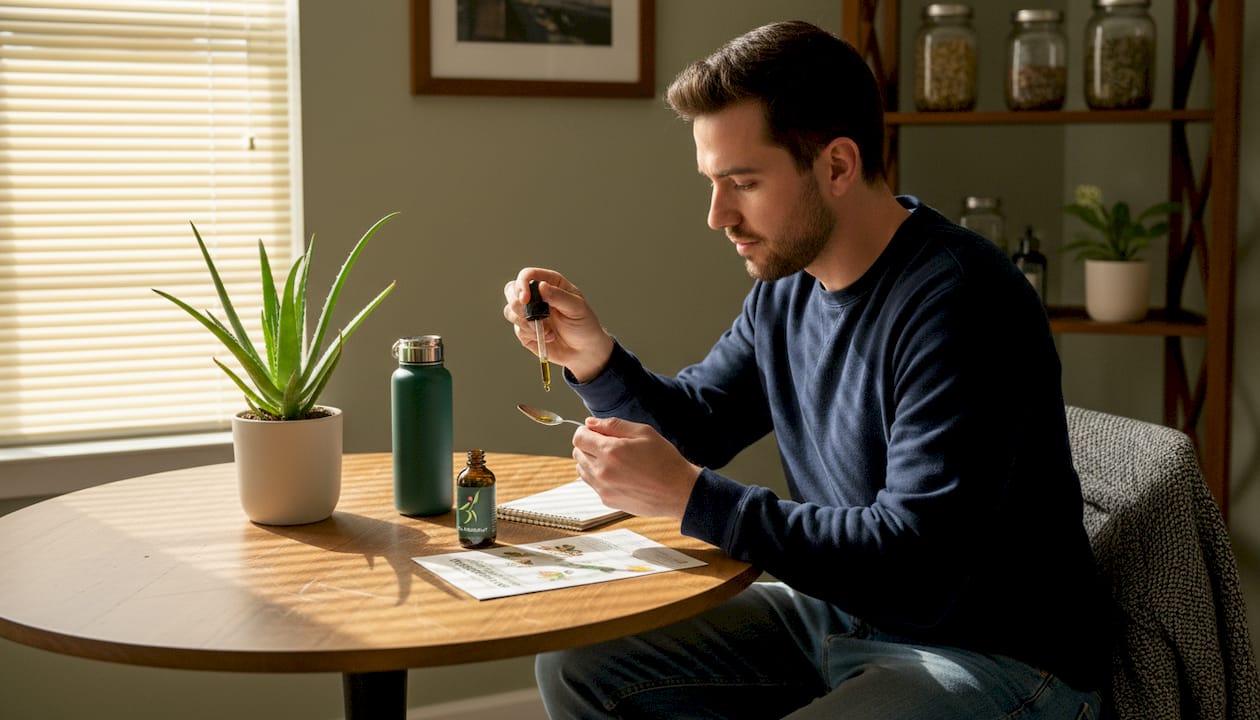
Speed of absorption. When you take a tincture sublingually (under the tongue), the liquid absorbs through the mucous membranes and reaches the bloodstream quickly, faster than a capsule that must dissolve in the digestive tract first.
-
Portability and convenience. A small glass bottle fits in a pocket, purse, or travel bag. There's no brewing, no water required, and no prep time. You simply add drops to water or take them directly.
-
Flexible solvent options. For those who avoid alcohol for personal, religious, or medical reasons, glycerite and vinegar-based tinctures offer the same herbal benefits without the ethanol content.
-
Customizable blends. Because tinctures are liquid, they're easy to combine. A skilled herbalist can blend multiple single-herb tinctures into a formula targeting your specific wellness goals, something much harder to do with capsules or teas.
Exploring the different types of herbal remedies available helps you see where tinctures fit in the broader wellness toolkit. They're not always the answer, but for many needs, they're an excellent choice.
Pro Tip: If you're new to tinctures, start with a single-herb formula before trying a blend. This makes it much easier to notice how your body responds to each plant individually before combining multiple herbs at once.
Tinctures vs. other herbal remedies: How do they compare?
Now that the top benefits are outlined, here's how tinctures truly stack up next to other familiar forms of herbal supplements. The right format for you depends on your lifestyle, health goals, and whether you have any restrictions like avoiding alcohol.
| Format | Absorption speed | Shelf life | Ease of dosing | Portability | Alcohol-free option |
|---|---|---|---|---|---|
| Tincture | Fast (sublingual) | 3 to 5+ years | Very precise | Excellent | Yes (glycerite, vinegar) |
| Herbal tea | Moderate | 1 to 2 years (dried) | Less precise | Low (requires brewing) | Yes |
| Capsule/tablet | Slower (digestion) | 2 to 3 years | Fixed dose | Excellent | Yes |
| Herbal syrup | Moderate | Weeks to months | Moderate | Moderate | Yes |
A few things stand out when you look at this comparison closely. Tinctures lead on absorption speed, especially when taken under the tongue, because the active compounds bypass the digestive process. Solvent choice and extraction method also determine which plant constituents are actually present in the final product, which means a poorly made tincture of any herb may underperform compared to a well-prepared tea of the same plant.
The bioavailability question is worth examining carefully. Delivery system can materially affect how much of an herb's active compounds actually reach your bloodstream. This is one reason the format of your supplement genuinely matters, not just what herb you're taking.
That said, capsules aren't always inferior. For herbs with a strong or bitter taste, capsules can make consistent daily use far more manageable. Teas offer the benefit of hydration alongside the herbal compounds and are often the most accessible starting point for beginners. Syrups can be excellent for children or adults who struggle with the taste of alcohol-based extracts.
- Choose a tincture when: You need fast action, flexible dosing, or long-term storage.
- Choose a tea when: You enjoy the ritual, want a gentle effect, or are new to herbal wellness.
- Choose a capsule when: Taste is an issue or you want a convenient fixed dose.
- Choose a syrup when: You're working with children or want added soothing properties (as in elderberry syrup).
Understanding how these formats compare helps you make smarter choices when browsing herbal remedy types for your needs.
Pro Tip: If you're taking a tincture sublingually, hold it under your tongue for 30 to 60 seconds before swallowing. This simple step can make a meaningful difference in how quickly you feel the effect compared to just swallowing it immediately.
Safety, interaction risks, and choosing the right tincture for you
After comparing formats, it's crucial to consider the safety aspects, especially for anyone combining tinctures with medications or managing underlying health conditions. The word "natural" carries a lot of reassurance in wellness spaces, but it doesn't mean risk-free.
Herbs (including tinctures) can interact with some medications, altering how those drugs are metabolized in your body. St. John's Wort, for example, is well-documented to reduce the effectiveness of certain antidepressants, birth control pills, and blood thinners. Echinacea and garlic tinctures can affect immune-modulating medications. These aren't rare edge cases; they're well-documented interactions that require real attention.
Here's a practical framework for choosing a tincture safely:
-
List your current medications. Before adding any herbal tincture, write down every prescription and over-the-counter drug you take regularly. Bring this list to a conversation with your doctor or pharmacist.
-
Research the specific herb. Not all herbs carry the same interaction risks. Some are extremely well-tolerated, while others require caution. Reputable sources like NCCIH, the National Kidney Foundation, and peer-reviewed herbal databases are your best references.
-
Consider your solvent preference. If you avoid alcohol, confirm the product uses glycerine or vinegar. If you have kidney disease or compromised kidney function, the herbal supplement guidance from the National Kidney Foundation provides specific cautions about certain herbs that can affect kidney health.
-
Start low and go slow. Begin at the lowest suggested dose. Give your body two to four weeks to respond before increasing. Track any changes in energy, digestion, sleep, or mood.
-
Buy from transparent brands. Quality matters enormously with tinctures. Look for products that list the herb, plant part used, solvent ratio, and any third-party testing. Vague labeling is a red flag.
-
Reassess regularly. Your needs change. A tincture that served you well during a stressful period might not be something you need indefinitely. Check in with your body and your wellness goals every few months.
Important: Pregnant and breastfeeding individuals, children, and anyone with serious chronic illness should consult a qualified healthcare provider before using herbal tinctures. This step is non-negotiable, not just precautionary.
For a deeper look at responsible herbal use, the safety tips for herbal wellness from Finer Holistics cover evidence-based practices that help you build a safe and effective herbal routine.
A holistic perspective: Why tinctures aren't a one-size-fits-all solution
Here's something the wellness industry doesn't always say clearly: tinctures are not universally superior. The marketing around them often implies that liquid extraction automatically means better results. That's not the full story.
The advantages marketed for tinctures heavily depend on the specific herb and administration details, with no confirmed universal superiority across all applications. Some herbs, like marshmallow root, actually release their most beneficial compounds (mucilaginous polysaccharides) most effectively in cold water, not alcohol. Others, like valerian, work well in tincture form but are just as effective in a properly standardized capsule. The format has to match the herb's chemistry.
At Finer Holistics, we've seen this play out repeatedly. Someone comes in excited about a tincture they've read about, and when we dig deeper into their specific health goal, a well-crafted herbal tea blend or a targeted capsule formula turns out to be the more appropriate fit. Personalization is not a buzzword here. It's the actual work.
What we believe matters most is this: matching the herb to your body's need, the format to your lifestyle, and the dose to your tolerance level. That combination is where real results happen. A tincture taken inconsistently because you hate the taste is far less effective than a tea you look forward to every morning.
Exploring the herbal nutrition insights behind specific plants can help you make that match more thoughtfully. The goal is never to find the "best" format in the abstract. It's to find what works for you, consistently, safely, and with genuine understanding of what you're putting in your body.
Tinctures are powerful tools. We stand behind them. But tools only work when you use the right one for the right job.
Find holistic tinctures and remedies for your wellness journey
With all this insight, you're ready to make informed and empowered choices. The next step is finding products made with the same care and transparency you now know to look for.
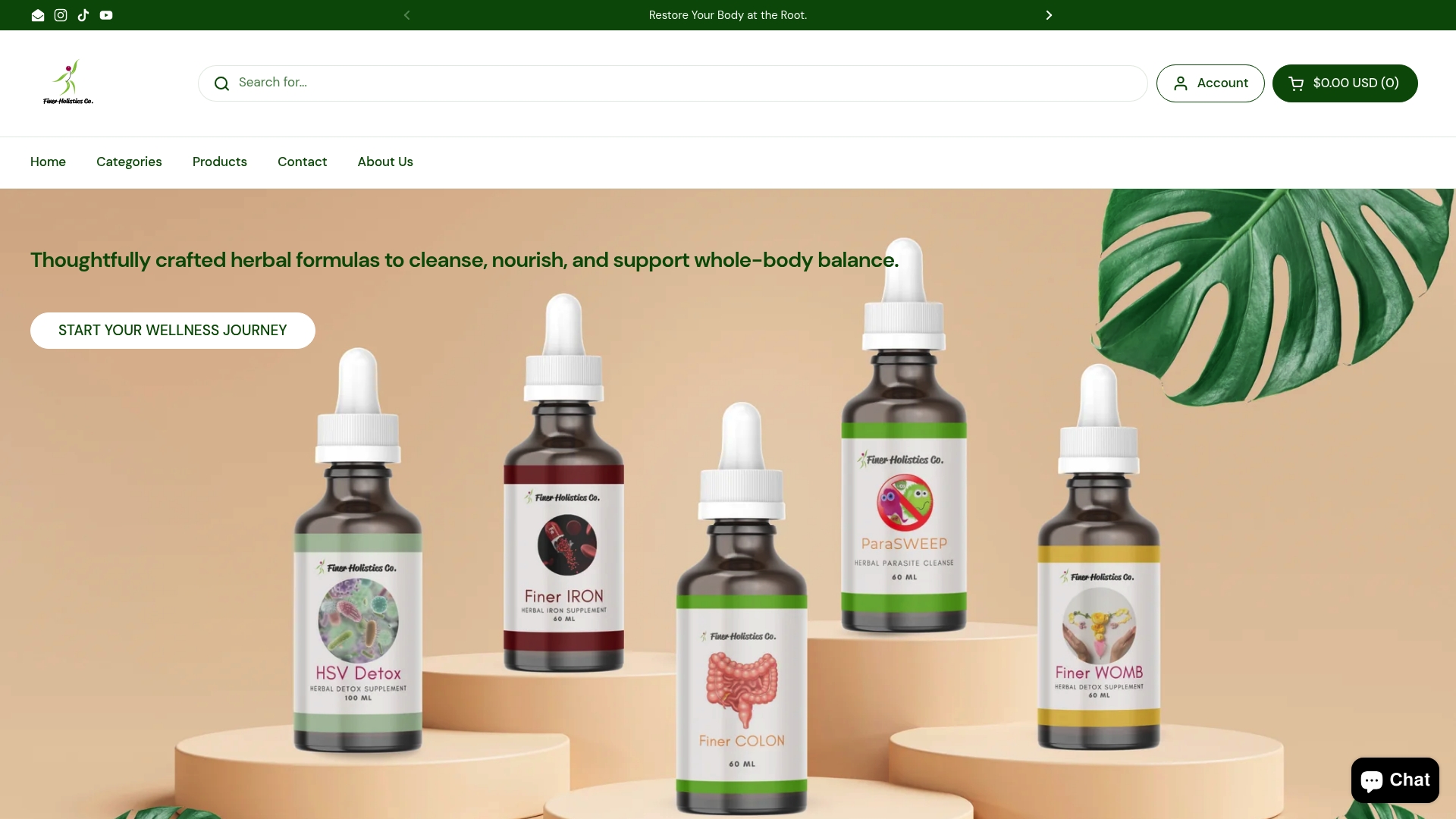
At Finer Holistics, every tincture and herbal blend is handcrafted by a holistic herbalist using carefully selected, high-quality plant material. We believe your wellness deserves more than generic labels and vague ingredient lists. Whether you're looking to support digestion, strengthen your immune system, balance hormones, or simply detox with intention, our herbal detox remedies offer a thoughtful place to start. New to herbal wellness? The detox starter pack is designed to introduce your body to plant-based support gently and effectively. Browse our full range of handcrafted products when you shop herbal tinctures and find the right fit for your wellness goals.
Frequently asked questions
Are tinctures safe for daily use?
Most tinctures can be used daily when taken as directed, but you should always check for possible herb interactions with any medications you take before starting a daily routine.
How do I know if a tincture is alcohol-free?
Check the ingredient label carefully. Glycerine-based tinctures are glycerites and contain no alcohol, and vinegar-based options are another alcohol-free alternative.
Can tinctures be added to food or drink?
Yes, most tinctures blend easily into water, juice, herbal tea, or smoothies, making them more palatable if you find the taste of a straight tincture too strong.
What's the shelf life of a tincture?
Alcohol-based tinctures can last several years when stored away from heat and direct light, because alcohol serves as a preservative that inhibits microbial growth and degradation.
Are tinctures stronger than capsules or teas?
Tinctures are often more concentrated and faster to absorb, but actual effectiveness varies by herb and preparation, since delivery system affects bioavailability and how much of the active compound reaches your system.