

TL;DR:
- Supporting gut health requires consistent habits, a fiber-rich diet, hydration, and stress management.
- Herbal remedies like ginger, peppermint, and fennel can aid digestion and relieve symptoms.
- Personalized approaches and gradual lifestyle changes promote lasting digestive health.
Feeling bloated after meals, sluggish by midday, or just uncomfortable in your own skin? You're not alone. Millions of people deal with digestive discomfort daily, and most reach for quick fixes that don't address the root cause. The good news is that your gut responds remarkably well to natural, consistent support. No harsh cleanses or restrictive diets required. This guide walks you through the real foundations of better digestion, from what you eat and how you move, to the herbal remedies that have been supporting gut health for centuries.
Table of Contents
- How to prepare your body for better digestion naturally
- Daily habits and lifestyle changes that boost gut health
- Herbal remedies and supplements that support digestion
- Troubleshooting common digestive challenges
- A holistic perspective: What most digestion advice misses
- Natural digestive support is easier with Finer Holistics
- Frequently asked questions
Key Takeaways
| Point | Details |
|---|---|
| Start with foundation habits | Gradual changes to fiber intake, hydration, meal routines, and sleep build a solid digestive base. |
| Layer in daily habits | Consistent exercise, stress management, and mindful eating further boost gut health naturally. |
| Try herbal support safely | Herbs like ginger, peppermint, and inulin-rich foods deliver proven relief when used with care. |
| Personalize and troubleshoot | Track responses and adjust for sensitivities—avoid rushing new habits to minimize side effects. |
How to prepare your body for better digestion naturally
Before adding any supplement or herbal remedy, your body needs the right foundation. Think of it like building a house. You wouldn't skip the groundwork and jump straight to the roof. The same logic applies to your gut.
Fiber is your gut's best friend. Increasing dietary fiber to 21-38 grams per day from legumes, whole grains, fruits, vegetables, nuts, and seeds supports gut microbiota diversity, reduces constipation, and improves overall digestion. Most Americans get far less than that. Closing that gap is one of the most impactful changes you can make.
Hydration works hand in hand with fiber. Drinking 4-6 cups of water daily softens stool, aids nutrient absorption, and helps prevent constipation. Without enough water, fiber can actually make things worse, not better.
Beyond diet, your daily routines shape your gut health in ways most people overlook. Eating at consistent times each day trains your digestive system to work efficiently. Poor sleep, smoking, and excess alcohol all disrupt gut motility and the balance of bacteria in your microbiome. These aren't minor factors. They're foundational.
Here's a quick look at fiber-rich food sources to work into your meals:
| Food source | Fiber per serving |
|---|---|
| Lentils (1 cup cooked) | 15.6g |
| Black beans (1 cup cooked) | 15g |
| Avocado (1 medium) | 10g |
| Oats (1 cup cooked) | 4g |
| Apple with skin (1 medium) | 4.4g |
| Almonds (1 oz) | 3.5g |
The key foods to prioritize for digestive health include:
- Legumes (lentils, chickpeas, black beans)
- Whole grains (oats, barley, brown rice)
- Fruits with skin (apples, pears, berries)
- Cruciferous vegetables (broccoli, Brussels sprouts)
- Nuts and seeds (chia, flaxseed, almonds)
For more foundational digestive health tips and how to layer in herbal support, our blog covers the full picture. And if you're new to plant-based remedies, our herbal remedy basics guide is a great starting point.
Pro Tip: Add fiber gradually over 2-3 weeks rather than all at once. A sudden spike causes gas and bloating. Pair every fiber increase with an extra glass of water to keep things moving smoothly.
Daily habits and lifestyle changes that boost gut health
With a strong foundation in place, the next step is building daily habits that actively support your digestive system. These aren't complicated. But they do require consistency.
Here's a step-by-step approach to building gut-supportive habits:
- Move your body regularly. 150-270 minutes of moderate exercise weekly, combining aerobic and resistance training, positively affects gut microbiota and stimulates intestinal motility. Even a 20-minute walk after meals can reduce bloating and improve transit time.
- Prioritize sleep. 7-9 hours of quality sleep each night maintains your gut microbiome's circadian rhythm and prevents bacterial imbalances. Your gut bacteria literally follow a daily schedule.
- Eat mindfully. Slow down, chew thoroughly, and avoid eating while distracted. Digestion starts in the mouth, and rushing through meals puts extra strain on your stomach.
- Manage stress actively. Chronic stress is one of the most underrated causes of digestive problems. Yoga, meditation, and breathwork all help regulate the gut-brain axis.
- Reduce alcohol and avoid smoking. Both interfere with gut motility and damage the mucosal lining of your digestive tract over time.
"Your gut is not separate from your mind or your lifestyle. Every choice you make, from how long you sleep to how you handle stress, sends a direct signal to your digestive system."
The lifestyle for gut health research consistently shows that no single habit works in isolation. It's the combination that creates lasting change. For practical ways to support digestion naturally through daily routines, we break it down further on our blog.

Pro Tip: Don't try to overhaul everything at once. Pick one habit per week. Start with sleep, then add movement, then address stress. Small, stacked changes stick far better than a complete lifestyle reset.
Herbal remedies and supplements that support digestion
Lifestyle adjustments are the backbone, but targeted herbal solutions offer another layer of support. Plants have been used for digestive health for thousands of years, and modern research is catching up with what herbalists have known all along.
Some of the most well-studied herbs for digestion include:
- Ginger: Up to 2000mg daily for dyspepsia with anti-inflammatory and prokinetic effects that speed stomach emptying
- Peppermint: Antispasmodic properties that relax the muscles of the GI tract, particularly helpful for IBS-related cramping
- Fennel: Reduces gas and bloating by relaxing intestinal muscles
- Artichoke: Contains inulin-type fructans that act as prebiotics, feeding beneficial gut bacteria
- Slippery elm and licorice root: Soothing for the gut lining, especially when inflammation is a factor
Here's a comparison of key herbs and their primary benefits:
| Herb | Primary benefit | Best used for |
|---|---|---|
| Ginger | Anti-inflammatory, prokinetic | Nausea, slow digestion |
| Peppermint | Antispasmodic | IBS, cramping |
| Fennel | Gas relief | Bloating, discomfort |
| Artichoke | Prebiotic support | Constipation, microbiome |
| Licorice root | Gut lining support | Inflammation, acid reflux |
Statistic worth noting: 12g of inulin daily increases stool frequency and butyrate-producing bacteria in people with functional constipation. Eating two kiwifruit per day also improves stool consistency, according to randomized controlled trial evidence.
Fermented foods are another powerful tool. Yogurt, kefir, miso, kimchi, and sauerkraut deliver live probiotic strains that support microbiome diversity. The key is variety. Different strains offer different benefits, so rotating your fermented foods matters. You can also explore herbal blends for IBS that combine multiple plant compounds for synergistic effects.
For a deeper look at the best herbal teas for digestion and how to brew them effectively, we've put together a full guide. And if you're looking for options safe for the whole family, our herbal remedies for families post covers gentle, trusted choices.
Troubleshooting common digestive challenges
Even with the best approaches, challenges do arise. Knowing what to watch for can save you weeks of frustration.
The most common mistakes people make when trying to improve digestion naturally:
- Ramping up fiber too fast. Sudden high fiber increases cause bloating and gas. Always increase gradually and pair with more water.
- Choosing the wrong probiotic. Not all strains are created equal. Some, like Lactobacillus rhamnosus and Bifidobacterium longum, have strong clinical support. Others, like B. clausii, show less consistent results for gut issues.
- Ignoring FODMAP sensitivity. Prebiotics like inulin can actually worsen symptoms in people with FODMAP-sensitive IBS. If you notice more bloating after adding artichoke or chicory root, this could be why.
- Skipping stress management. Managing stress through mindfulness, yoga, or meditation prevents gut-brain axis disruptions that lead to diarrhea, constipation, and cramping.
- Inconsistent sleep and meal timing. Your gut runs on a clock. Irregular habits throw off that rhythm and make every other effort less effective.
"The gut-brain connection is real and powerful. Stress doesn't just affect your mood. It changes the physical environment inside your digestive tract."
For soothing support during flare-ups, natural teas for gut comfort can ease symptoms while you work on the root causes. You can also explore more natural digestive support strategies on our wellness blog.
Pro Tip: Keep a simple symptom journal for two weeks. Note what you eat, your stress levels, sleep quality, and any digestive symptoms. Patterns emerge quickly, and you'll identify your personal triggers far faster than guessing.
A holistic perspective: What most digestion advice misses
Most digestion guides hand you a list. Eat more fiber. Take a probiotic. Drink more water. And while those steps matter, they miss something crucial: your gut is entirely unique to you.
Two people can follow the exact same protocol and get completely opposite results. One person thrives on high-fiber legumes. Another bloats immediately. One person's digestion transforms with ginger tea. Another needs fennel. This isn't a failure of the advice. It's a reflection of how individual gut microbiomes truly are.
At Finer Holistics, we've seen this firsthand. The people who get lasting results aren't the ones who find the "perfect" supplement. They're the ones who stay curious, track their responses, and treat their gut health as an ongoing conversation with their body rather than a problem to solve once and forget.
The bigger gut health picture always involves integrating movement, rest, nutrition, and mindset together. Slow, sustainable progress beats any quick fix. Your gut didn't get out of balance overnight, and it won't fully heal overnight either. Give it time, pay attention, and trust the process.
Natural digestive support is easier with Finer Holistics
You now have a clear, actionable roadmap for improving your digestion naturally. The next step is finding the right tools to support your journey.
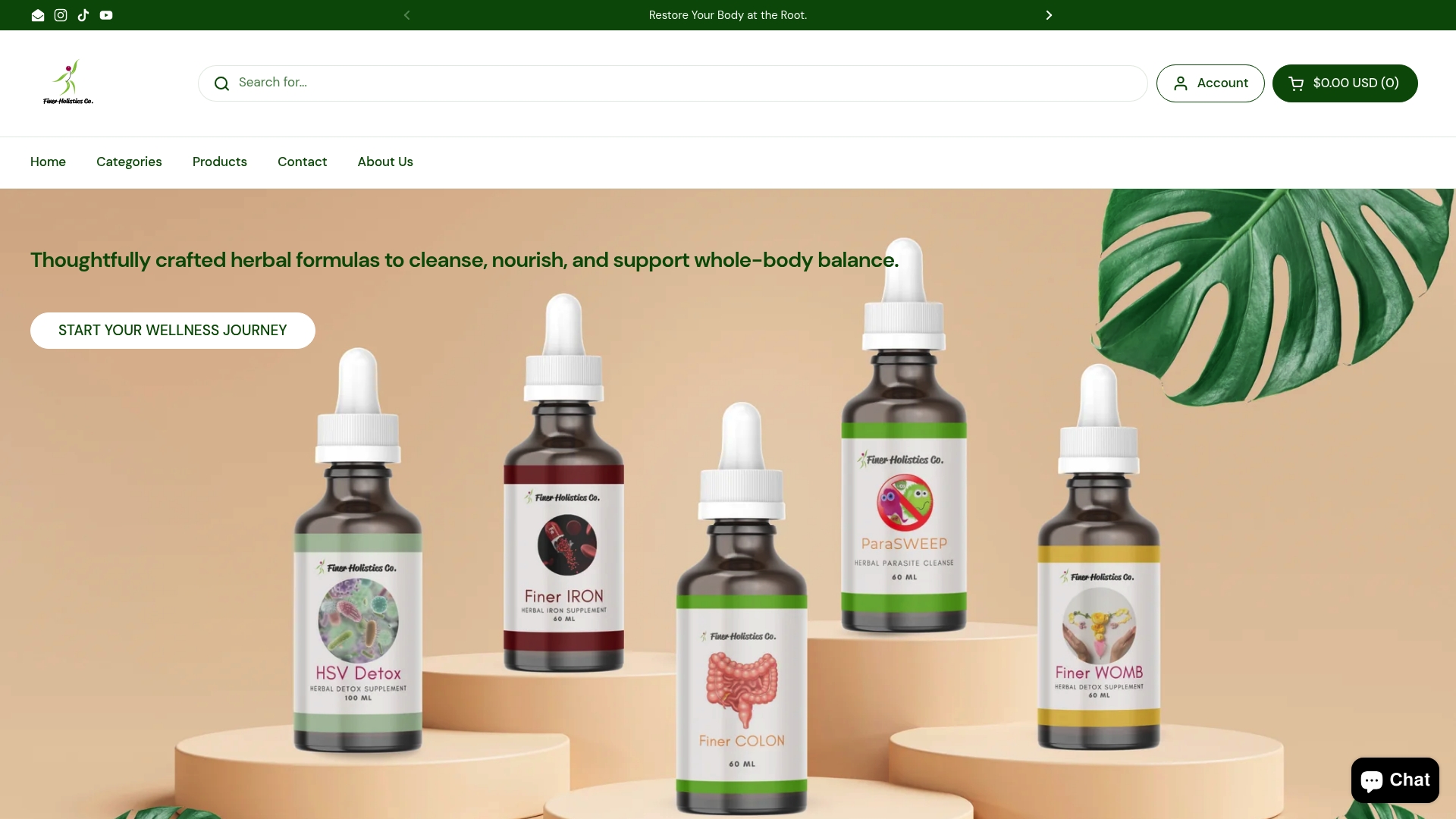
At Finer Holistics, every product is handcrafted by a holistic herbalist with your gut health in mind. From herbal detox remedies that gently cleanse and reset your system, to targeted blends featuring artichoke, fennel, and ginger, we make it easy to bring plant-based support into your daily routine. If you're looking for hormone and digestive balance together, explore our herbs for women's wellness collection. For the full range of natural solutions, visit Finer Holistics and find what your body is asking for.
Frequently asked questions
What are the best foods to improve digestion naturally?
Foods rich in dietary fiber like legumes, whole grains, fruits, and vegetables top the list, along with fermented foods like yogurt and kefir that deliver live probiotic cultures to support your microbiome.
Do herbal remedies really help digestion?
Yes. Herbs like ginger, peppermint, fennel, and artichoke have anti-inflammatory and antispasmodic effects backed by clinical research, making them effective tools for managing bloating, cramping, and sluggish digestion.
How much water should I drink for good digestion?
Aim for 4-6 cups of water daily as a baseline to soften stool, support nutrient absorption, and keep your digestive system moving consistently.
How can I avoid bloating when increasing fiber?
Increase fiber intake slowly over several weeks rather than all at once, and always pair each increase with additional water to prevent gas and discomfort.