
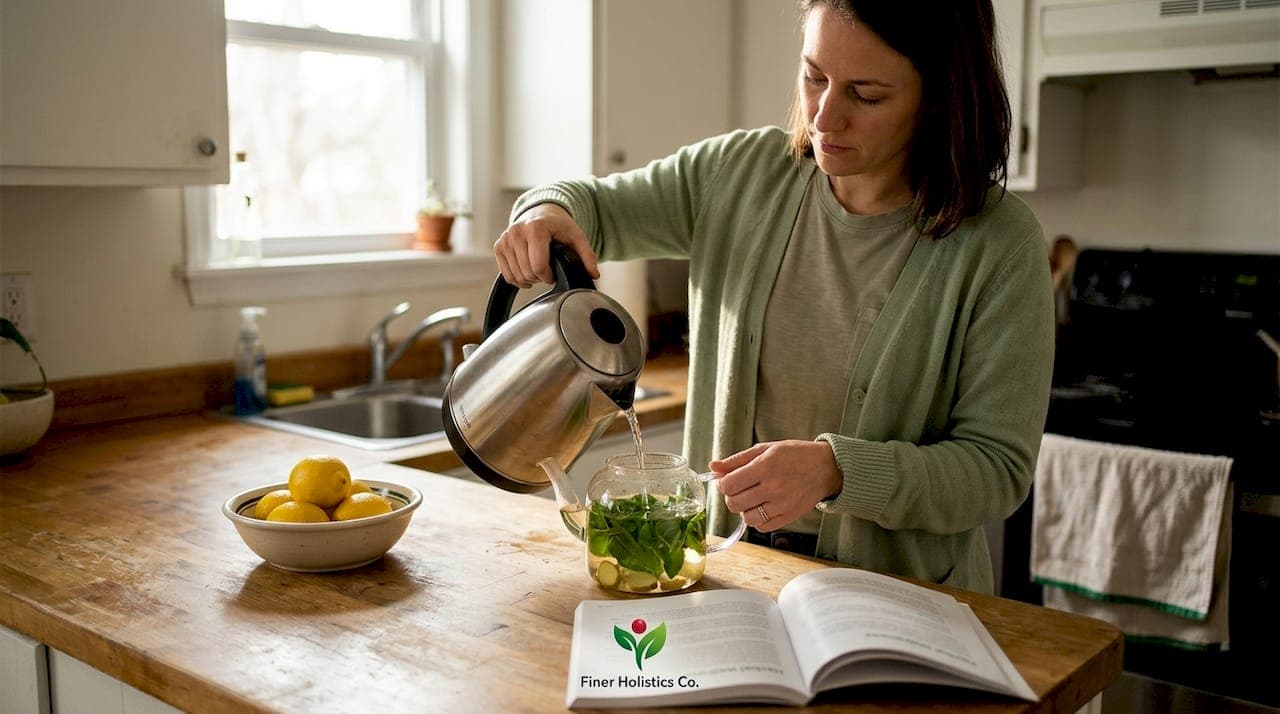
Sorting through the noise around herbal remedies for digestive health is genuinely exhausting. One source swears by peppermint tea, another pushes probiotic capsules, and a third insists ginger is the only answer. The truth is, several well-studied herbs offer real, measurable relief for bloating, gas, cramping, and irregular digestion. This guide cuts through the confusion by walking you through the top herbal options, how they work, what the evidence actually says, and how to weave them into a holistic routine that supports lasting gut wellness.
Table of Contents
- How to choose the right herbal digestive aid
- Peppermint oil: Antispasmodic relief for IBS and bloating
- Ginger: Prokinetic effects and anti-inflammatory support
- Fennel: Carminative action for gas, bloating, and IBS
- Comparison table: Peppermint vs. ginger vs. fennel for digestive health
- Holistic habits: Boosting herbal results with lifestyle
- Safety tips: Side effects, contraindications, and expert advice
- Explore herbal blends for digestive health
- Frequently asked questions
Key Takeaways
| Point | Details |
|---|---|
| Peppermint oil leads for IBS | Enteric-coated peppermint oil is most evidence-backed for relieving IBS symptoms. |
| Ginger and fennel offer broad relief | Ginger and fennel help with motility, gas, and inflammation, suitable for general digestive comfort. |
| Safety and holistic methods matter | Combine herbs with healthy lifestyle habits and use them responsibly for best results. |
| Daily use is usually safe | Most herbs can be safely used daily if monitored for side effects and contraindications. |
How to choose the right herbal digestive aid
Not every herb works the same way for every person, and that matters before you spend money on supplements or teas. A smart selection framework starts with three things: evidence quality, safety profile, and how well the herb fits your lifestyle.
Here is what to look for when evaluating any herbal digestive remedy:
- Evidence quality: Prioritize herbs backed by human clinical trials, not just animal studies or anecdotal reports. Traditional use across centuries adds credibility, but human data is the gold standard.
- Safety and interactions: Check for known allergies, pregnancy considerations, and potential interactions with medications like blood thinners or antacids.
- Form and bioavailability: The delivery method matters. Enteric-coated capsules, tinctures, and teas each absorb differently. Choose the form that fits your daily routine and your specific symptom pattern.
- Holistic compatibility: Herbs work best as part of a broader plan. Pairing them with a fiber-rich diet, regular movement, and stress management amplifies results significantly.
You can explore a solid overview of digestive herbal remedies and brush up on herbal basics for wellness before committing to any single approach. For a broader lifestyle perspective, natural digestive health tips from Cleveland Clinic are worth reviewing.
"Herbs like peppermint, ginger, and fennel provide multi-targeted relief and are best used as adjuncts with lifestyle changes." — National Center for Complementary and Integrative Health
Now that you know why clear criteria are essential, let's see which herbs make the top list.
Peppermint oil: Antispasmodic relief for IBS and bloating
Peppermint oil is one of the most researched herbal options for digestive discomfort, particularly for irritable bowel syndrome (IBS), a condition affecting the large intestine that causes cramping, bloating, and irregular bowel habits. Its active compound, menthol, works by relaxing the smooth muscles lining the gastrointestinal tract.
Key benefits and usage notes:
- Peppermint oil relaxes GI muscles, reducing IBS symptoms like abdominal pain, bloating, and gas
- Enteric-coated peppermint oil is modestly effective short-term for IBS, with conditional recommendation from the American College of Gastroenterology
- Multiple clinical trials support its use for reducing IBS symptom severity
- It may worsen gastroesophageal reflux disease (GERD), a condition where stomach acid flows back into the esophagus
- High doses are not recommended during pregnancy
Pro Tip: Always choose enteric-coated peppermint oil capsules. Regular capsules dissolve in the stomach and can trigger heartburn. Enteric coating ensures the oil reaches the intestines where it does its best work.
Peppermint tea is a gentler option for mild bloating, and you can find a breakdown of herbal teas for digestion to compare your options. With peppermint oil explained, let's look at another all-star for gut comfort: ginger.
Ginger: Prokinetic effects and anti-inflammatory support
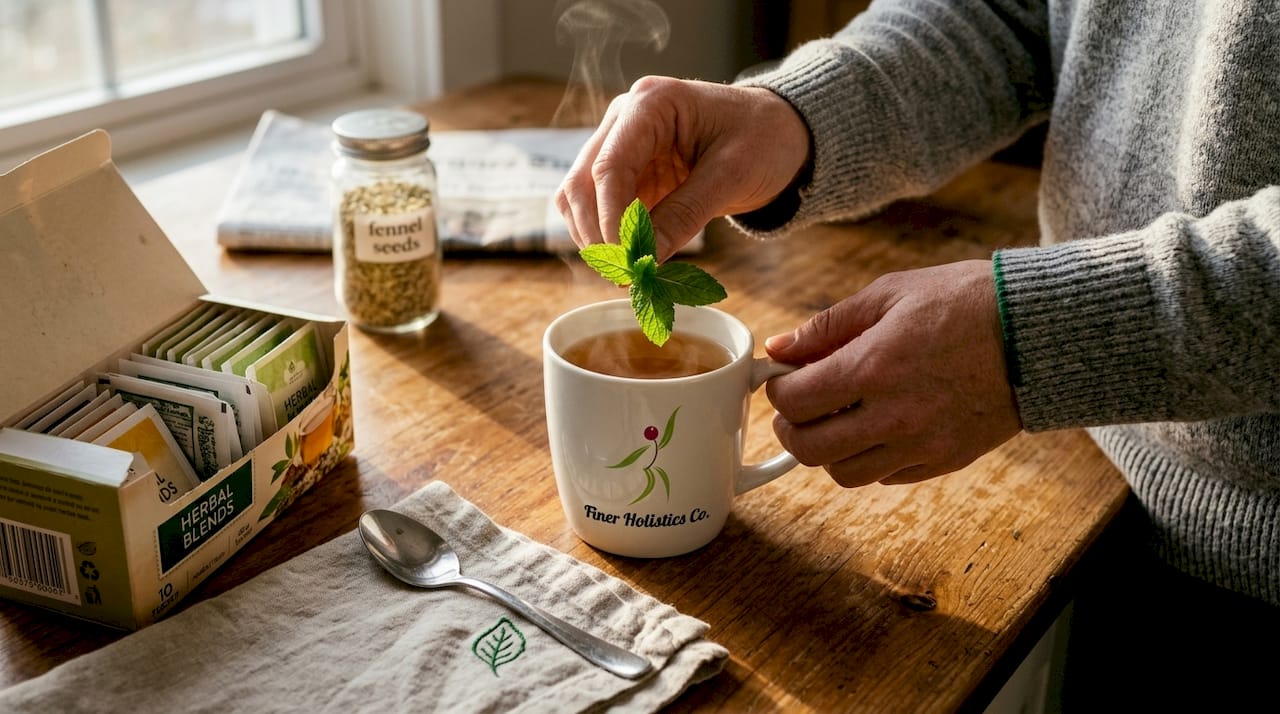
Ginger is one of those herbs that earns its reputation across multiple digestive complaints. It acts as a prokinetic agent, meaning it helps move food through the digestive tract more efficiently, which reduces nausea, bloating, and that heavy, sluggish feeling after meals.
What ginger does for your gut:
- Stimulates gastric motility, helping food move through the stomach faster
- Reduces inflammation in the gut lining, which is especially relevant for inflammatory bowel conditions
- Daily 2000mg ginger is beneficial for dyspepsia (indigestion), IBD, and gastric ulcers per clinical reviews
- Available as tea, capsules, powder, or fresh root, giving you flexible daily options
- Generally safe, but high doses can cause mild heartburn in sensitive individuals
Pro Tip: Add a few slices of fresh ginger to warm water or meals daily. It is a low-effort way to get consistent, gentle digestive support without committing to a supplement regimen.
For additional context on managing gas and bloating relief, Mayo Clinic offers practical guidance. You can also explore more about natural digestion support through herbal approaches. As ginger addresses motility and inflammation, it is time to spotlight fennel for gas and bloating.
Fennel: Carminative action for gas, bloating, and IBS
Fennel is the underrated powerhouse of digestive herbs. Its seeds contain compounds called anethole and fenchone, which act as carminatives. A carminative is any substance that helps expel trapped gas from the digestive tract and relaxes intestinal muscles to reduce cramping.
How to use fennel effectively:
- Chew a small handful of fennel seeds after meals to reduce post-meal bloating
- Brew fennel seed tea by steeping one teaspoon of crushed seeds in hot water for 10 minutes
- Use fennel powder in herbal blends for a more concentrated effect
- Fennel seeds and oil act as carminatives, reducing gas, bloating, and improving IBS symptoms across subtypes
Stat callout: Clinical reviews show fennel improves IBS symptoms across multiple subtypes, including IBS with constipation and IBS with diarrhea, making it one of the most versatile options in this category.
Fennel has a strong safety profile and is widely used in traditional medicine across South Asia, the Mediterranean, and the Middle East. Explore different herbal remedy types to understand how fennel fits into a broader herbal wellness plan. Having explored fennel's targeted relief, let's compare these three leading herbs head to head.
Comparison table: Peppermint vs. ginger vs. fennel for digestive health
Choosing between these three herbs is easier when you see them side by side. Evidence is strongest for peppermint oil in IBS, with multiple randomized controlled trials (RCTs) supporting its use. Ginger and fennel show strong promise but come from more heterogeneous (varied) study designs. It is also worth noting that NCCIH cautions that many herbal studies have quality limitations, so traditional use remains an important part of the picture.
| Herb | Mechanism | Evidence level | Best for | Common forms | Key side effects |
|---|---|---|---|---|---|
| Peppermint | Muscle relaxant (antispasmodic) | Strongest (multiple RCTs) | IBS, bloating, cramping | Enteric-coated capsules, tea | Worsens GERD, avoid in pregnancy |
| Ginger | Prokinetic, anti-inflammatory | Moderate (clinical reviews) | Dyspepsia, nausea, IBD | Tea, capsules, fresh root, powder | Heartburn at high doses |
| Fennel | Carminative, muscle relaxant | Moderate (traditional + reviews) | Gas, bloating, IBS all types | Seeds, tea, oil, powder | Rare; generally well tolerated |
For a deeper look at how these herbs perform in tea form, check out digestive tea comparisons to find the right fit for your routine. Comparison helps clarify options, but digestive health works best with holistic habits. Let's connect the dots.
Holistic habits: Boosting herbal results with lifestyle
Herbs are powerful, but they work even better when your daily habits support your gut. Think of herbal remedies as one layer of a larger system. The other layers are just as important.
Holistic habits that amplify herbal digestive support:
- Fiber intake: Aim for 25 to 38 grams of dietary fiber daily from vegetables, legumes, and whole grains to feed beneficial gut bacteria
- Hydration: Drink at least 8 cups of water daily to keep digestion moving smoothly
- Movement: Even a 20-minute walk after meals supports gastric motility and reduces bloating
- Stress management: Chronic stress directly disrupts gut function through the gut-brain axis. Practices like deep breathing, yoga, and meditation reduce GI symptoms noticeably
- Meal timing: Eating at consistent times helps regulate digestive rhythms
Consuming herbs as teas post-meal, combined with a fiber-rich diet, exercise, and stress reduction, creates optimal conditions for gut health. Build a consistent herbal wellness routine and review herbal nutrition safety to make sure your approach is well-rounded. With holistic strategies laid out, let's now tackle safety, edge cases, and when to seek medical advice.
Safety tips: Side effects, contraindications, and expert advice
Herbal remedies are natural, but natural does not automatically mean risk-free. Knowing when to pause or consult a professional is part of using herbs responsibly.
Situations where caution is warranted:
- GERD: Peppermint may worsen GERD; avoid peppermint oil if you experience frequent acid reflux
- Pregnancy: High doses of ginger and peppermint are not recommended; stick to culinary amounts in food
- Medication interactions: Some herbs affect how the liver processes medications. Always check with your pharmacist if you take prescription drugs
- Allergies: Fennel belongs to the carrot family. If you are allergic to celery, carrots, or related plants, use fennel cautiously
- Persistent symptoms: If bloating, pain, or irregular bowel habits continue beyond two weeks despite herbal support, see a doctor
"Always consult a qualified healthcare provider before starting any herbal regimen, especially if you have a diagnosed condition or take medications. Herbs support wellness but are not a substitute for medical care."
For guidance on using herbs safely within a family context, the herbal safety for families resource covers age-specific considerations and practical precautions.
Explore herbal blends for digestive health
If you are ready to move from research to action, we have done the formulation work for you. At Finer Holistics, every blend is handcrafted with intention, using herbs chosen for both their traditional roots and their evidence-backed benefits.
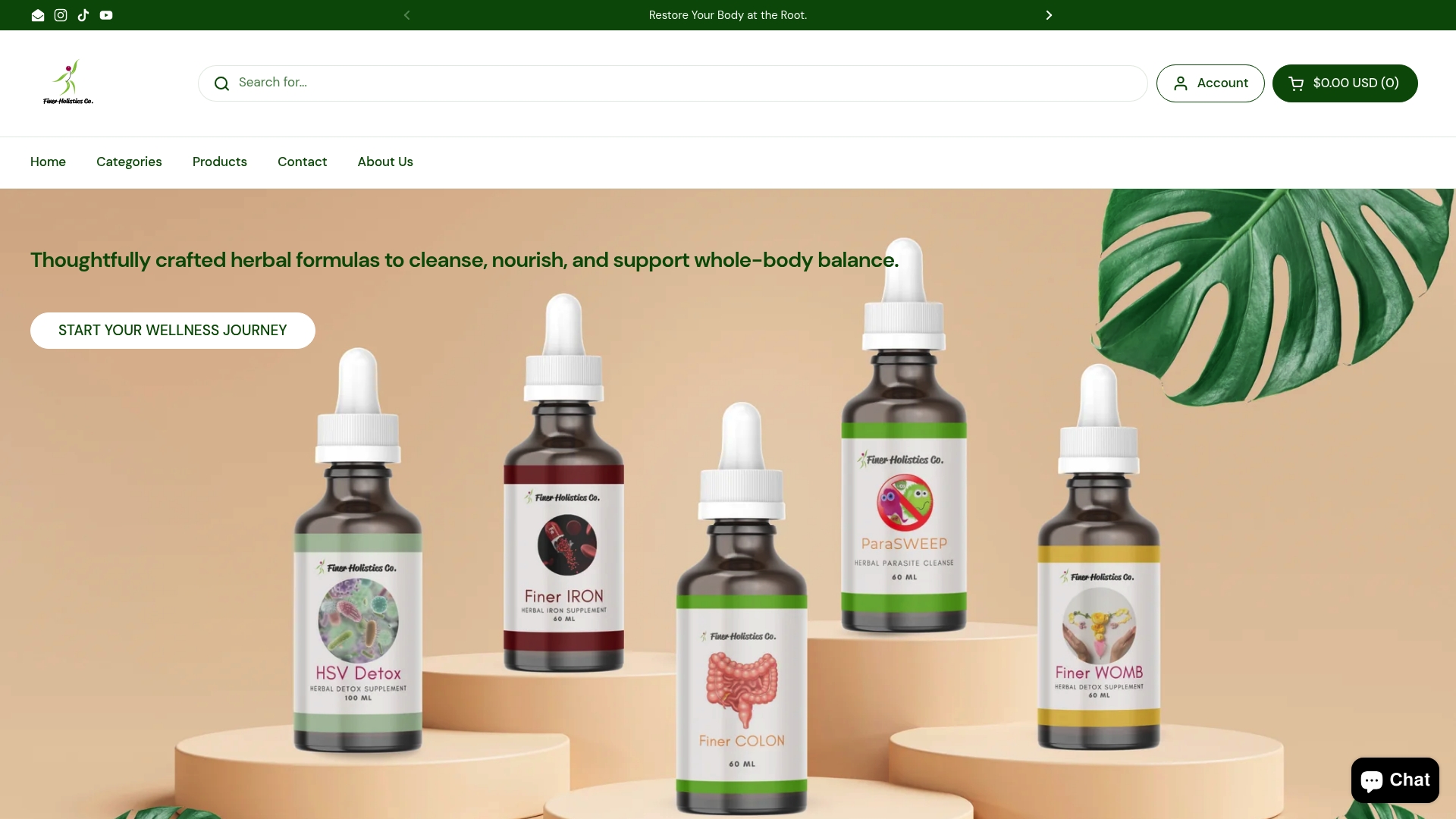
Our Finer Digest herbal tea is specifically designed to support comfortable, efficient digestion using a thoughtful combination of gut-friendly herbs. If you want to go deeper, our herbal detox collection offers a range of blends that support the body's natural cleansing processes. Whether you are just starting out or looking to refine your routine, Finer Holistics has the tools, products, and knowledge to support your gut health journey every step of the way.
Frequently asked questions
Which herb is most effective for IBS relief?
Peppermint oil in enteric-coated capsules has the strongest clinical evidence for IBS symptom relief, supported by multiple randomized controlled trials.
How should I use ginger for digestive wellness?
Consume up to 2000mg of ginger daily as tea, capsules, or fresh root. Fresh ginger added to meals is a simple, effective daily habit.
Are herbal teas as effective as capsules or tinctures?
Herbal teas are gentle and convenient, but capsules and tinctures typically deliver more concentrated active compounds. The best form depends on your symptom severity and lifestyle preferences.
Can herbal remedies be used daily?
Most digestive herbs are safe for daily use at appropriate amounts, but monitor for side effects like heartburn. High doses of ginger can cause discomfort, so start low and adjust based on how your body responds.
What are signs I should see a doctor about digestive problems?
Seek medical advice if symptoms like persistent pain, significant bloating, or sudden changes in bowel habits continue despite herbal support. Symptoms that persist or worsen over two weeks warrant professional evaluation.