
TL;DR:
- Herbs are complex plants with measurable health benefits supported by traditional use and scientific research.
- They should be integrated into holistic routines alongside nutrition, movement, sleep, and stress management for optimal well-being.
- Caution is essential, especially regarding interactions, high doses, pregnancy, and serious health conditions, to ensure safe practices.
Roughly 60% of the global population relies on herbal medicine as a primary or complementary form of health care, yet most people in the 25 to 45 age range still feel uncertain about which herbs actually work, which carry real risks, and how to build a reliable daily practice around them. The gap between ancient plant wisdom and modern research can feel frustrating, especially when wellness culture swings between treating herbs as miracle cures and dismissing them entirely. This article cuts through both extremes. You'll find clear explanations of what herbs can genuinely offer, where the science is still catching up, and exactly how to weave herbal rituals into your self-care routine with confidence.
Table of Contents
- Why herbs matter in modern self-care
- What the science actually says about herbal self-care
- Smart, safe use: Integrating herbs into your daily self-care
- Herbs and holistic well-being: Balance, not replacement
- A fresh perspective: The real power (and pitfall) of herbs in self-care
- Explore curated herbal solutions for your self-care journey
- Frequently asked questions
Key Takeaways
| Point | Details |
|---|---|
| Herbs offer unique bioactive benefits | Many herbs supply antioxidants and adaptogens, giving real support for stress and wellness. |
| Scientific evidence is mixed | Some herbs show concrete benefits for issues like the common cold, but not all claims are backed by strong science. |
| Safety and quality are essential | Not all herbs or products are safe for all people; check for drug interactions, quality standards, and seek professional advice. |
| Herbs work best as part of a routine | Incorporate herbs with other healthy habits, not as a substitution for medical care. |
Why herbs matter in modern self-care
Herbs are not just dried leaves in pretty packaging. They are chemically complex plants whose bioactive compounds including curcumin in turmeric, rosmarinic acid in rosemary and sage, and adaptogenic compounds in ashwagandha and ginseng deliver measurable anti-inflammatory, antioxidant, and stress-modulating effects on the body. These actions are distinct from what most single-ingredient supplements or standard wellness therapies offer.
To put it plainly, a fish oil capsule targets one pathway. A well-chosen herb often works across several at once, which is part of why traditional herbalism has persisted across thousands of years and dozens of cultures.
| Self-care option | Primary action | Mechanism | Evidence tier |
|---|---|---|---|
| Turmeric (curcumin) | Anti-inflammatory, antioxidant | NF-kB pathway inhibition | Moderate |
| Ashwagandha | Adaptogenic, stress relief | HPA axis regulation | Moderate |
| Elderberry | Immune support | Cytokine modulation | Moderate |
| Vitamin C supplement | Antioxidant | Free radical neutralization | Strong |
| Massage therapy | Stress reduction | Nervous system regulation | Strong |
| Ginseng | Energy, cognition | Cortisol and glucose balance | Emerging |
This comparison matters because adults navigating stress, low energy, and immune challenges often reach for single supplements without realizing that certain herbs can address multiple concerns simultaneously. Rosemary, for example, supports circulation, cognitive clarity, and antioxidant defense in one plant.
Herbal medicine is a $40 billion global industry, and its growth reflects a real cultural shift. People are not just buying into trends. They are reconnecting with plant-based solutions that have served communities in Ayurveda, Traditional Chinese Medicine (TCM), and Indigenous healing traditions for millennia. The modern adult wants both the tradition and the proof, and that is a healthy instinct.
For anyone balancing a demanding career, family responsibilities, and a genuine desire to feel well without relying entirely on pharmaceuticals, herbs offer a meaningful middle path. They are accessible, often affordable, and when chosen wisely, genuinely supportive of the body's natural processes.
What the science actually says about herbal self-care
Here is where things get honest. Not every herb lives up to its marketing, and the research landscape is uneven. Some plants have solid clinical backing. Others show promise in lab settings but lack large human trials. Knowing the difference protects you and helps you spend your wellness budget wisely.
Herbs with the strongest current evidence:
| Herb | Condition supported | Evidence quality |
|---|---|---|
| Elderberry | Cold duration and severity | Multiple randomized trials |
| Ashwagandha | Stress, cortisol, sleep | Several human trials |
| Ginseng | Fatigue, blood sugar regulation | Consistent clinical data |
| Peppermint | IBS symptoms, headaches | Strong for topical and oral use |
| Valerian | Sleep quality | Mixed but promising |
| Echinacea | Cold prevention | Moderate, inconsistent |
Evidence on elderberry suggests it may modestly shorten cold duration and reduce symptom severity, while herbs like ginseng show benefits for energy and metabolic support. Turmeric gets enormous attention, but the evidence for many of its claimed uses remains mixed, particularly for conditions like non-alcoholic fatty liver disease (NAFLD).
Three areas where caution is essential:
- Turmeric in high-dose supplement form. While culinary turmeric is generally safe, high-bioavailability curcumin supplements have been linked to liver stress in some individuals, particularly at doses far above what you'd get from cooking.
- Herbs during pregnancy. Turmeric in medicinal doses and valerian are among the herbs considered potentially unsafe during pregnancy. The research on many herbs in this context is simply insufficient to declare them safe.
- Herbs for serious or chronic conditions. Using herbs as the only strategy for managing diabetes, heart disease, or mental health conditions is not supported by current evidence and can be genuinely dangerous if it delays proper medical care.
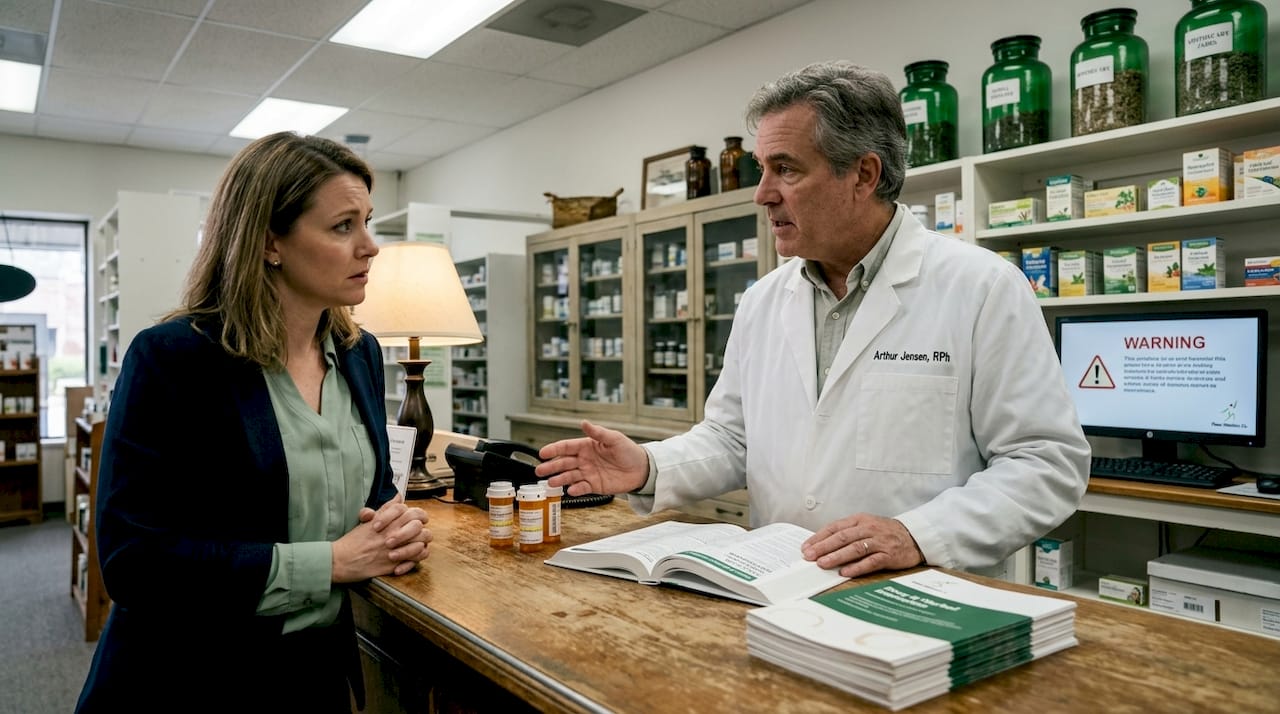
Drug interactions are one of the most underappreciated risks in herbal self-care. St. John's Wort, widely used for mood support, can significantly reduce the effectiveness of birth control pills, antiretrovirals, and blood thinners. Goldenseal affects how the body processes metformin, a common diabetes medication. These are not rare edge cases. They are well-documented interactions that affect real people.
For deeper reading on how to evaluate the evidence behind specific herbs, the herbal wellness evidence resource at Finer Holistics walks through safety and best practices in practical detail. You can also explore herbal ingredient benefits for a breakdown of what individual plants are actually shown to do.
Pro Tip: Before adding any new herb to your routine, especially if you take prescription medications, check in with your doctor or a licensed herbalist. A five-minute conversation can prevent a serious interaction.
Smart, safe use: Integrating herbs into your daily self-care
Research and caution are the foundation, but the real goal is building a daily herbal practice that feels natural, sustainable, and genuinely supportive. Here is how to do it well.
Choosing quality products
Herbal supplements are not FDA-regulated the same way pharmaceutical drugs are. This means the quality, potency, and purity of products can vary enormously between brands. Standardized extracts, which list the percentage of active compounds on the label, are a reliable indicator that a manufacturer is being transparent about what you're actually getting. Look for third-party certifications like NSF International, USP, or Informed Sport on the label. These signal that an independent body has verified the product's contents.
Buying from brands that specialize in herbal wellness and publish their sourcing practices is another smart move. Cheap, mass-market herbs often contain fillers, incorrect species, or insufficient active compounds to have any real effect.
Daily habits that work
Building herbal use into your existing routine is far more effective than treating it as a separate task. Consider these practical entry points:
- Morning herbal tea: A cup of ginger, tulsi, or green tea sets an anti-inflammatory, energizing tone for the day without requiring any extra effort.
- Culinary herbs daily: Turmeric in scrambled eggs, rosemary on roasted vegetables, and cinnamon in oatmeal deliver consistent low-dose bioactive compounds through food, which is often safer and more sustainable than supplements.
- Tinctures for targeted support: A few drops of an adaptogen tincture like ashwagandha or eleuthero in water or juice is an easy way to address stress or energy needs with a more concentrated dose.
- Evening wind-down rituals: Chamomile or passionflower tea in the evening signals to your nervous system that it is time to shift gears, supporting better sleep without the grogginess of pharmaceutical sleep aids.
- Mindfulness pairing: Brewing and drinking herbal tea slowly, without screens, creates a moment of intentional calm that compounds the herb's physiological effects with a genuine stress-reduction practice.
The herbal supplement checklist at Finer Holistics is a practical tool for evaluating what you already have and identifying gaps. And if you are building a new routine from scratch, the herbal wellness routine guide offers a step-by-step framework for 2026.
Pro Tip: Start with one or two herbs rather than a handful at once. This makes it easier to notice what is actually helping and to identify any adverse reactions quickly.
Herbs and holistic well-being: Balance, not replacement
Herbs are powerful allies, but they are not a standalone solution. The adults who get the most from herbal self-care are the ones who treat plants as one layer of a broader wellness practice, not the whole structure.
Holistic herbal use is most effective when it sits alongside other foundational habits. Here is what that looks like in practice:
- Nutrition: Whole foods rich in fiber, healthy fats, and diverse plant compounds create the internal environment where herbs can do their best work. A diet full of ultra-processed foods undermines the anti-inflammatory effects of even the best herbal protocol.
- Movement: Regular physical activity reduces baseline inflammation, supports hormonal balance, and improves sleep, all of which amplify the benefits of adaptogenic and immune-supporting herbs.
- Sleep: No herb fully compensates for chronic sleep deprivation. Valerian and chamomile can support sleep quality, but they work best when paired with consistent sleep hygiene practices.
- Stress reduction: Adaptogens help the body handle stress more efficiently, but they work far better when combined with active stress management like breathwork, time in nature, or therapy.
- Community and purpose: Wellness research consistently shows that social connection and a sense of meaning are among the strongest predictors of long-term health. Herbs support the body, but they cannot replace these deeper human needs.
Herbs are best understood as daily rituals that enhance vitality, not as treatments that cure disease. This framing, supported by expert consensus, keeps expectations realistic and keeps you safe. A morning cup of tulsi tea is a genuine act of self-care. It is not a substitute for your annual physical or your blood pressure medication.
For those just beginning to explore plant-based wellness, the herbal remedy beginners guide at Finer Holistics is a grounded starting point. It bridges modern and traditional perspectives in a way that respects both without overpromising on either.
A fresh perspective: The real power (and pitfall) of herbs in self-care
Here is something worth sitting with: the biggest mistake most people make with herbs is not using the wrong plant. It is using the right plant with the wrong mindset.
Wellness culture has a habit of cycling through heroes and villains. Turmeric was going to cure everything. Then the backlash hit. Now people are unsure whether to bother at all. This all-or-nothing pattern is the actual problem, not the herbs themselves.
Traditional systems like Ayurveda and TCM never positioned individual herbs as magic bullets. They used plants within complex, personalized protocols that accounted for constitution, season, lifestyle, and the specific nature of an imbalance. Modern science is beginning to validate the mechanisms behind many of these approaches, showing real activity at the HPA axis (the body's stress response system), in antioxidant pathways, and in gut microbiome support. But the clinical trials needed to translate that mechanistic promise into definitive treatment guidelines are still catching up.
What this means practically is that you should hold two things at once. Respect the depth of traditional herbal knowledge, which represents thousands of years of careful human observation. And stay honest about what the current evidence does and does not confirm.
The herbal evidence and safety resource we've put together at Finer Holistics reflects this exact philosophy. We are not here to sell you certainty. We are here to help you make genuinely informed choices about your health.
Herbs thrive as part of thoughtful, consistent daily practices. They reward patience. A week of ashwagandha will not transform your stress response. Three months of consistent use, alongside better sleep and reduced caffeine, very well might. That is the real story of herbal self-care, and it is a far more compelling one than any quick-fix promise.
Explore curated herbal solutions for your self-care journey
You've done the reading. Now the question is where to start. At Finer Holistics, every product is crafted by a holistic herbalist with quality, safety, and real wellness outcomes in mind.
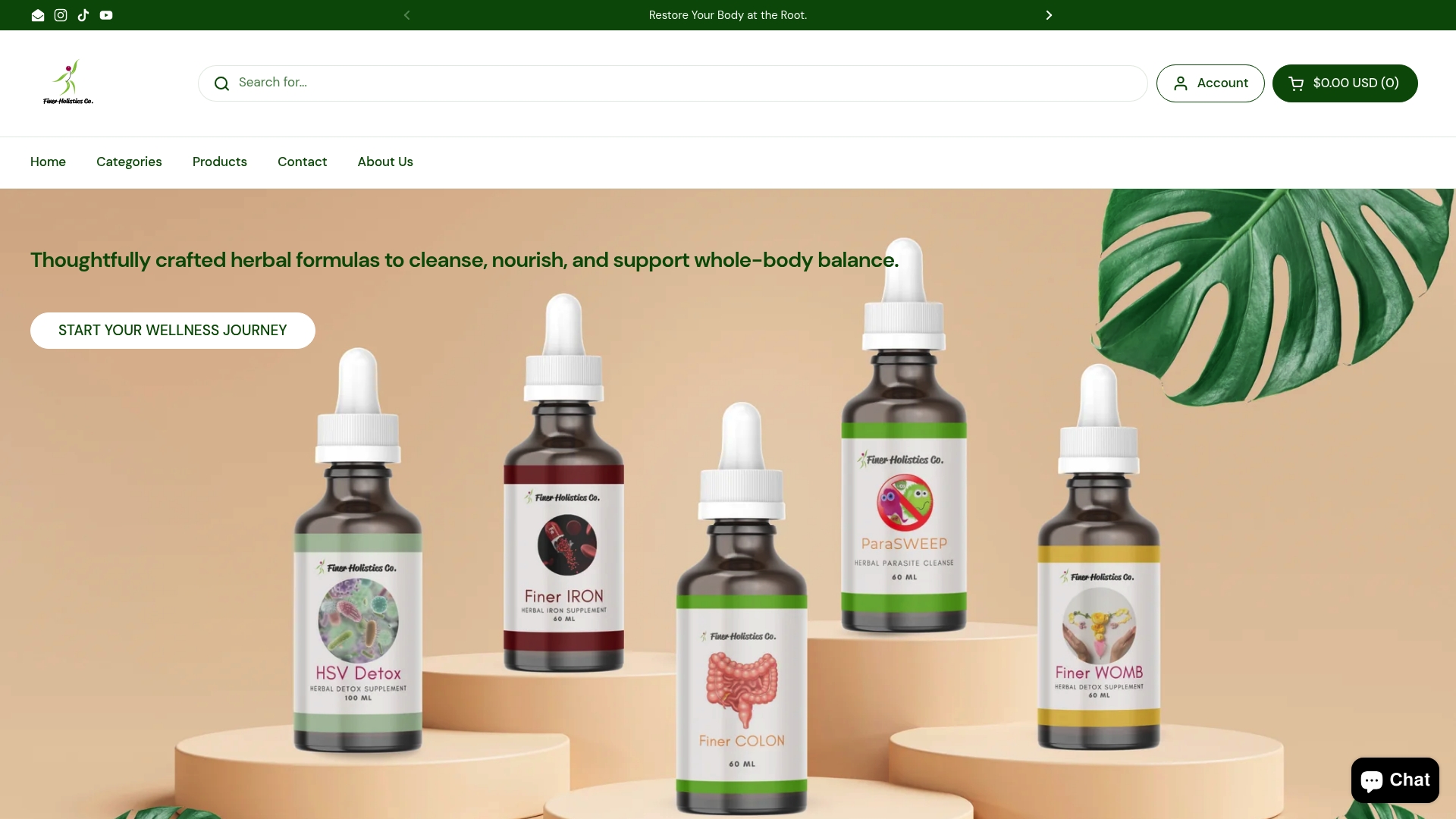
Whether you're drawn to herbal detox options to reset your system, looking for a structured detox starter pack to build your practice from the ground up, or exploring women's wellness herbs for hormonal and vitality support, each collection is designed to work with your body's natural rhythms. Our blends are formulated for synergy, meaning the herbs in each product are chosen to amplify each other's effects, not just fill a label. Start with one ritual. Build from there.
Frequently asked questions
Are herbs always safe for self-care use?
No, some herbs interact with medications or are unsafe during pregnancy; always consult a healthcare professional before starting any new herbal regimen.
How do I know if a herbal product is high quality?
Look for standardized extracts, third-party certifications, and transparent sourcing, since herbal supplements are not FDA-regulated like pharmaceutical drugs and quality varies widely.
Can herbs replace prescription medications or regular medical care?
No, herbs are complementary to lifestyle and should never replace prescribed treatments or professional healthcare, especially for chronic or serious conditions.
Which herbs are best for stress and energy?
Adaptogens like ashwagandha and ginseng are among the most studied options, but clinical benchmarks are limited and long-term effects are still being researched.
Does the evidence support using herbs for immune health?
Some herbs like elderberry show modest benefits for colds, but broader immune claims for most herbs still lack sufficient clinical evidence to be considered definitive.