
TL;DR:
- Traditional herbalism is rooted in ancient, culturally varied practices focusing on whole plants and holistic health.
- Evidence shows many herbs have scientifically validated benefits, supporting cardiovascular, immune, and mood health.
- Risks include toxicity and herb-drug interactions, emphasizing the need for informed, quality use alongside modern medicine.
Herbalism is often dismissed as folk wisdom that modern science has outgrown. But that view misses something significant. Traditional medicine is rooted in cultural and historical practices that predate modern biomedicine by thousands of years, and its influence on today's pharmaceuticals, diagnostics, and wellness culture is anything but trivial. This guide walks you through the foundations of traditional herbalism, the philosophies that shape it, the real benefits and honest risks, and how it fits into a modern health routine. Whether you're brand new to herbal wellness or looking to deepen your practice, you'll finish this with a clearer, more grounded understanding.
Table of Contents
- Defining traditional herbalism and its historical context
- Traditional herbal philosophies and how they guide practice
- Evidence-based benefits of traditional herbalism
- Understanding the risks and limitations of herbalism
- Modern integration: The evolving role of traditional herbalism
- Why traditional herbalism endures—and what most guides leave out
- Explore herbal solutions for holistic health
- Frequently asked questions
Key Takeaways
| Point | Details |
|---|---|
| Holistic approach | Traditional herbalism treats the whole person by considering mind, body, and environment together. |
| Evidence and tradition | Many modern medicines stem from centuries-old plant uses backed by scientific and historical evidence. |
| Consider the risks | Proper herbal use requires cautious research and guidance to avoid toxicity, interactions, or inappropriate self-treatment. |
| Modern integration | Healthcare trends increasingly blend traditional and modern practices for synergetic benefits. |
| Empowerment with responsibility | Exploring herbalism provides wellness autonomy, but informed choices and expert advice are essential for safety. |
Defining traditional herbalism and its historical context
Traditional herbalism is the practice of using whole plants, plant extracts, and plant-based preparations to support health and healing. It is not a single system. It is a family of practices developed independently across cultures over millennia, each with its own logic, language, and methods.
What separates traditional herbalism from modern biomedicine is the underlying framework. Biomedicine tends to isolate a single compound, target a specific mechanism, and measure outcomes in controlled trials. Traditional herbalism takes a different route. It looks at the whole person, considers patterns of imbalance rather than isolated symptoms, and uses plants in their whole or minimally processed form to restore harmony. This is sometimes called a holistic versus reductionist distinction, and it matters a lot for how remedies are selected and applied.
The three major systems you will encounter most often are:
- Ayurveda (India): One of the world's oldest medical systems, Ayurveda organizes health around three constitutional types called doshas. Herbs are prescribed based on a person's unique constitution and current imbalance, not just their diagnosis.
- Traditional Chinese Medicine (TCM): TCM uses concepts like Qi (vital energy), yin-yang balance, and the five elements to understand health. Herbs are combined in formulas designed to address root patterns, not surface symptoms.
- Western folk herbalism: Rooted in European and Indigenous North American traditions, this approach relies heavily on empirical observation passed down through generations. Plants like elderberry, echinacea, and valerian have been used for centuries based on lived experience.
For a broader look at how these traditions connect, the herbal wellness overview and herbal medicine history provide useful context.
"Traditional herbalism emphasizes holistic, experience-based approaches from culturally rich systems like Ayurveda, TCM, and Western folk practices, offering frameworks that modern wellness is only beginning to fully appreciate."
Understanding these systems is not just academic. It shapes how you approach your own wellness, what questions you ask a practitioner, and why a single herb might be used very differently depending on the tradition.
Traditional herbal philosophies and how they guide practice
Once you understand where these systems come from, the next step is understanding how they actually work in practice. The philosophical differences between traditional herbalism and conventional medicine are not just theoretical. They change everything from diagnosis to dosage.
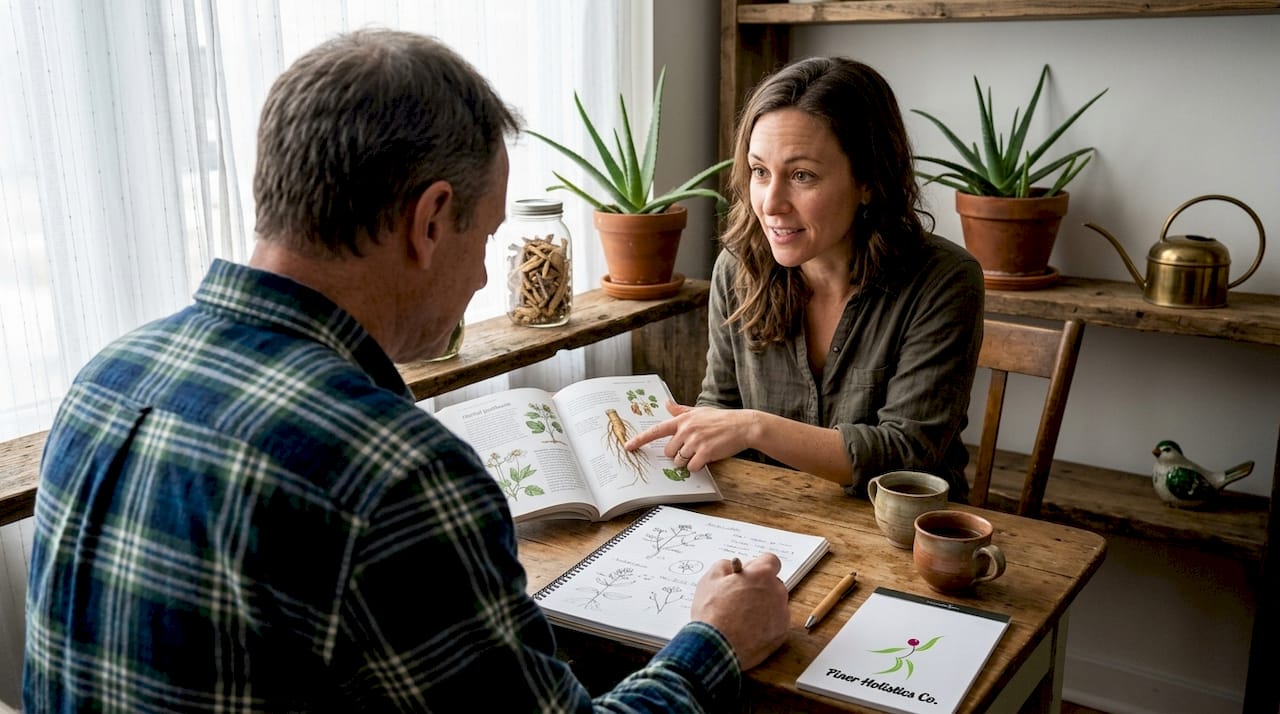
In TCM, a practitioner may examine your tongue's color and coating, feel the quality of your pulse at multiple positions, and ask about your sleep, digestion, and emotional state before recommending a single herb. In Ayurveda, a dosha assessment determines whether your constitution leans toward Vata, Pitta, or Kapha, and that shapes every recommendation. These are not guesses. They are structured diagnostic frameworks refined over centuries.
Ayurveda, TCM, and folk herbalism use energetic balance concepts like doshas, Qi, and yin-yang alongside pattern recognition rather than isolated symptom checklists. This is the key difference. Two people with the same complaint might receive entirely different herbal protocols because their underlying patterns are different.
Here is a quick comparison of how major systems approach diagnosis:
| System | Diagnostic method | Core concept | Example herb use |
|---|---|---|---|
| TCM | Pulse and tongue reading | Qi and yin-yang balance | Astragalus for immune Qi |
| Ayurveda | Dosha assessment | Vata, Pitta, Kapha balance | Ashwagandha for Vata stress |
| Western folk | Symptom and constitution observation | Vital force and plant affinity | Valerian for nervous tension |
Practical implications of this approach include:
- Remedies are personalized, not one-size-fits-all
- Prevention is prioritized alongside treatment
- The relationship between practitioner and client matters deeply
- Lifestyle, diet, and emotional health are part of every protocol
For a closer look at the types of herbal remedies used across these systems, that resource breaks down teas, tinctures, decoctions, and more.
Pro Tip: If you are new to traditional herbalism, start by observing your own patterns before reaching for a remedy. Track your energy, digestion, and sleep for two weeks. This kind of self-observation is exactly what traditional systems are built on.
Evidence-based benefits of traditional herbalism
Tradition and observation are powerful, but you probably want to know what the science says. The answer is more compelling than most people expect.
About 40% of pharmaceuticals originate from plants, and herbs like garlic and St. John's Wort have demonstrated real clinical benefits. Aspirin traces back to willow bark. Morphine comes from the opium poppy. Metformin, a front-line diabetes drug, is derived from French lilac. These are not coincidences. They are the result of scientists investigating what traditional herbalists had already been using for generations.
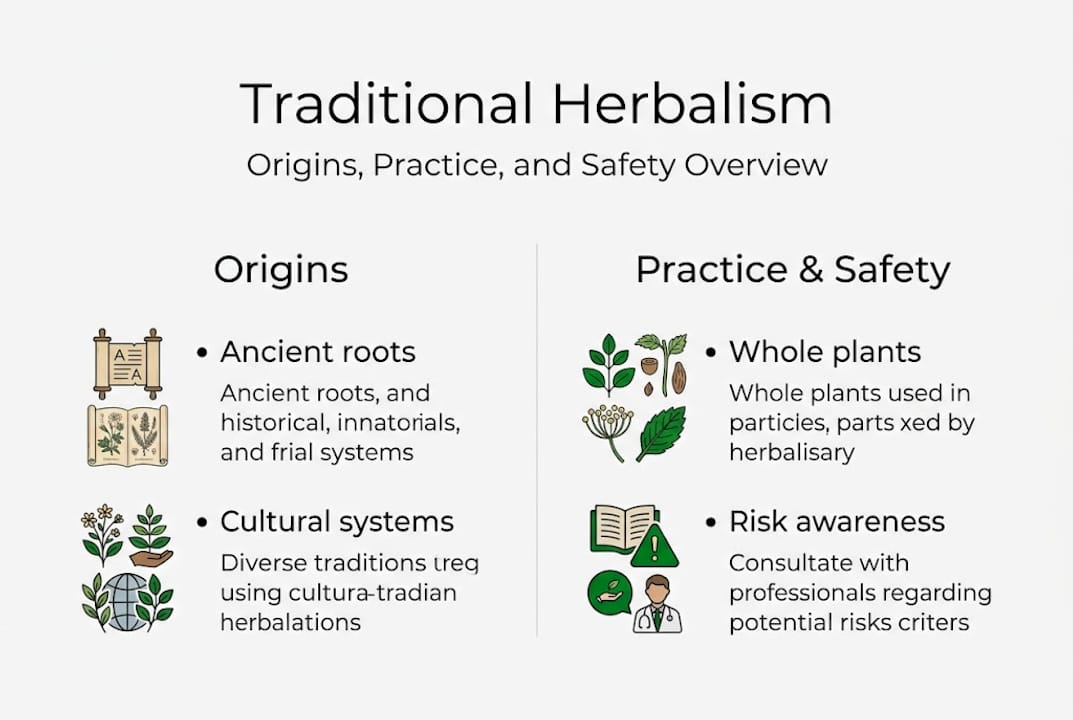
Here is a comparison of some well-studied herbs and their evidence-backed uses:
| Herb | Traditional use | Modern evidence |
|---|---|---|
| Garlic | Cardiovascular support | Shown to reduce LDL cholesterol |
| St. John's Wort | Mood and emotional balance | Clinical studies show promise for mild depression |
| Turmeric | Inflammation and digestion | Curcumin studied for anti-inflammatory effects |
| Echinacea | Immune support | Evidence for reducing cold duration |
The benefits of traditional herbalism are not limited to individual herbs. The whole-plant approach may offer advantages that isolated compounds miss. Many plants contain dozens of active constituents that work together, a concept researchers call synergy.
Key evidence-backed benefits include:
- Cardiovascular support through herbs like garlic and hawthorn
- Mood regulation with adaptogens and nervines like ashwagandha and lemon balm
- Digestive support using bitters, carminatives, and demulcents
- Immune modulation with herbs like elderberry and astragalus
- Anti-inflammatory effects from turmeric, ginger, and boswellia
For a deeper breakdown of specific herbal ingredient benefits, that resource connects traditional uses to current research in a practical way.
Statistic to know: The WHO estimates that 80% of the world's population relies on herbal medicine as a primary healthcare resource. That is not a fringe movement. That is the global norm.
Understanding the risks and limitations of herbalism
Honesty matters here. Traditional herbalism is powerful, and that means it carries real risks when used carelessly. Knowing these risks does not mean avoiding herbs. It means using them wisely.
The most important risks include toxicity, contamination, herb-drug interactions, lack of standardization, and higher mortality in acute illness situations. These are not rare edge cases. They are documented concerns that anyone practicing herbalism needs to understand.
Aristolochic acid, found in some traditional preparations using aristolochia plants, is a well-known example of serious herbal toxicity. It has been linked to kidney failure and cancer. This is not an argument against herbalism. It is an argument for knowing exactly what you are using and where it comes from.
A study in the Democratic Republic of Congo found that 47% herbal use in acute illness was linked to higher mortality compared to standard care. The takeaway is not that herbs fail. It is that they are not the right tool for every situation, especially emergencies.
Common risks to be aware of:
- Herb-drug interactions: St. John's Wort, for example, can reduce the effectiveness of birth control and certain antidepressants
- Contamination: Unregulated products may contain heavy metals, pesticides, or undisclosed ingredients
- Misidentification: Using the wrong plant, especially in foraging, can be dangerous
- Dosage variability: Unlike pharmaceutical drugs, herbal preparations can vary significantly in potency
- Delayed treatment: Relying on herbs for serious conditions can delay necessary medical care
Pro Tip: Always source herbs from reputable suppliers who provide third-party testing or certificates of analysis. Quality matters as much as the herb itself.
For those just starting out, the beginner herbal safety guide is a practical starting point for building a safe, informed practice.
Modern integration: The evolving role of traditional herbalism
The future of herbalism is not a choice between tradition and science. It is a bridge between both. And that bridge is already being built.
Traditional systems emphasize synergy while modern approaches rely on isolation and standardization, but integration is increasingly supported by WHO and leading researchers. A growing field called network pharmacology maps how multiple plant compounds interact with multiple biological targets simultaneously. This is essentially science catching up to what herbalists have practiced for centuries.
170 countries officially use herbal medicines with WHO urging quality guidelines and evidence-based integration. That kind of institutional momentum signals a real shift in how global healthcare views plant medicine.
What integration looks like in practice:
- Integrative clinics pairing herbal protocols with conventional diagnostics
- Naturopathic and functional medicine practitioners recommending evidence-backed herbs alongside standard care
- Standardized herbal extracts being studied in clinical trials
- Patients disclosing herbal use to their doctors as part of routine care
"The most effective approach is not choosing between traditional herbalism and modern medicine. It is knowing when each is appropriate and how they can support each other safely."
For those wanting to explore evidence-based herbal uses in a modern context, that resource connects the research to practical application.
The shift is real. Herbalism is not retreating in the face of modern medicine. It is finding its place within a more complete picture of health.
Why traditional herbalism endures—and what most guides leave out
Here is the honest truth that most herbalism guides avoid: the biggest challenge is not finding the right herb. It is knowing yourself well enough to use it wisely.
After years of holistic conversations, the pattern is clear. People are drawn to herbalism because they want agency over their own health. That desire is healthy and worth honoring. But the complexity of traditional systems means that self-prescribing without knowledge or guidance can lead to frustration or harm.
The most successful people in this space do three things consistently. They observe their own patterns over time. They invest in learning, not just buying. And they build relationships with knowledgeable practitioners who can guide them when the situation calls for it.
Building a sustainable herbal wellness routine is not about stocking your cabinet with every popular herb. It is about starting simple, staying curious, and respecting both the power and the limits of plant medicine. That combination of empowerment and humility is what traditional herbalism has always been built on.
Explore herbal solutions for holistic health
If this guide has sparked your curiosity about putting traditional herbalism into practice, the next step is finding products you can actually trust. Not everything on the market reflects the quality and intention that real herbal wellness requires.
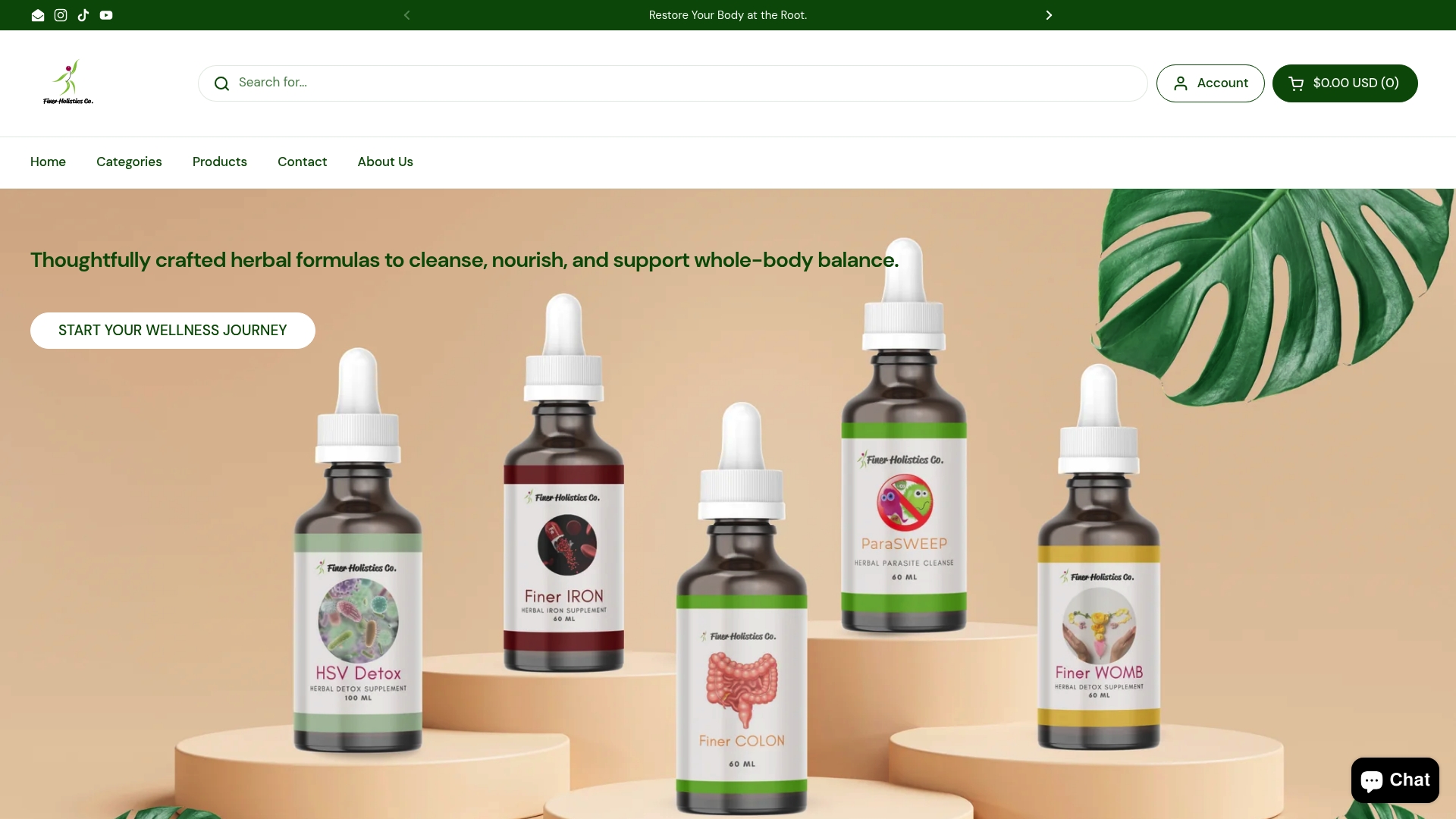
At Finer Holistics, every product is handcrafted with carefully selected ingredients rooted in traditional wellness knowledge. Whether you are exploring our herbal detox options to support your body's natural cleansing process, looking into women's wellness herbs for hormone and cycle support, or just beginning to build your practice, our herbal remedy collection is designed to meet you where you are. We believe wellness should feel accessible, grounded, and real.
Frequently asked questions
What makes traditional herbalism different from taking herbal supplements?
Traditional herbalism uses whole plants and considers your unique constitution, while supplements often contain isolated compounds used in a standardized, one-size-fits-all way. The context and framework behind the remedy matter as much as the plant itself.
Can traditional herbal remedies be used alongside modern medicine?
Some remedies can be safely combined, but herb-drug interactions are a documented concern, so always consult a healthcare provider before mixing the two. Transparency with your doctor about what you are taking is essential.
What are the most popular traditional herbal systems worldwide?
Ayurveda, Traditional Chinese Medicine, and Western folk herbal traditions are the leading systems, all recognized by WHO as culturally significant and globally practiced frameworks for health.
Is it safe to prepare herbal remedies at home?
For mild conditions and well-known herbs, home preparation can be safe when you use trusted sources and follow proper dosage guidance. Expert consultation is still advisable, especially when dealing with ongoing health concerns.
Why does WHO support the integration of traditional herbalism in healthcare?
With use in 170 countries worldwide, WHO recognizes herbal medicine's broad value and advocates for quality standards and evidence-based integration to make it safer and more effective globally.