
TL;DR:
- Holistic healing treats the whole person by addressing root causes of health issues.
- It combines physical, mental, spiritual, and environmental practices tailored to individuals.
- Safety and personalized care are essential when integrating herbal remedies with conventional medicine.
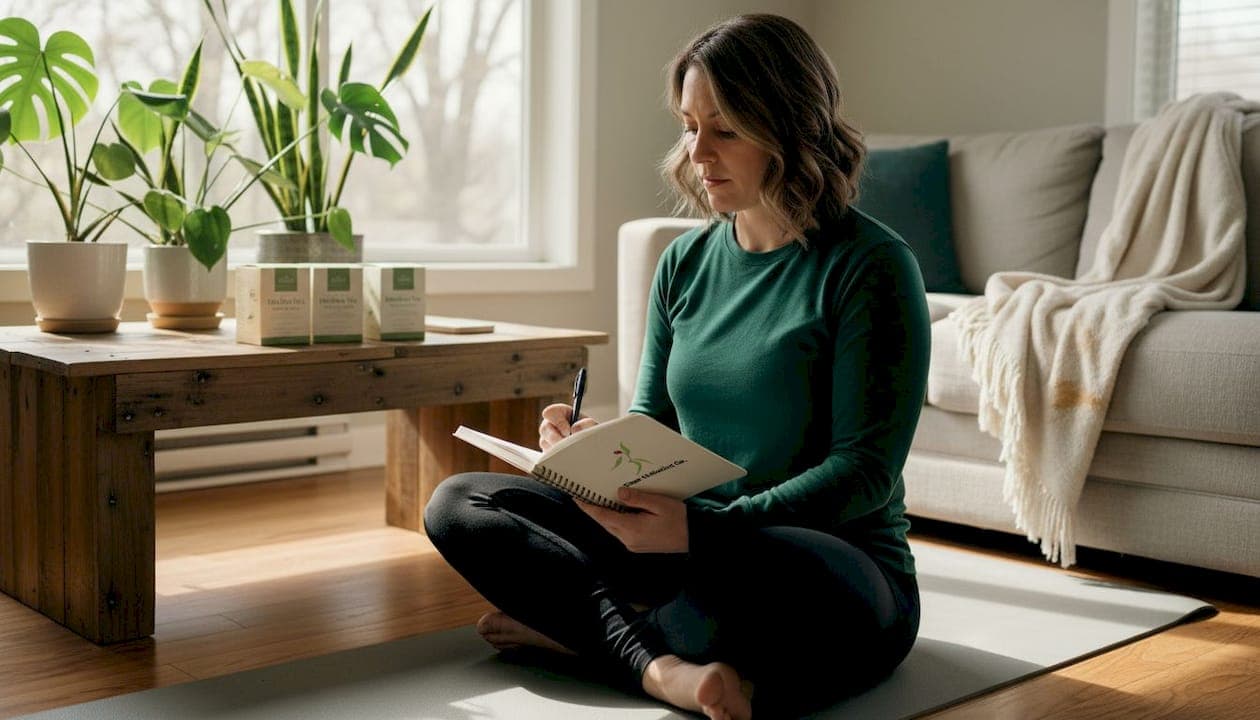
Most people hear "holistic healing" and immediately picture herbal teas and essential oils. That picture isn't wrong, but it's seriously incomplete. Holistic healing treats the whole person, body, mind, and often spirit, searching for root causes instead of just quieting symptoms. It weaves together nutrition, stress management, movement, mindfulness, plant medicine, and sometimes conventional medical care into a personalized plan. This guide breaks down exactly how that works, what the science says, and how you can apply it to your everyday life in practical, grounded ways.
Table of Contents
- Understanding holistic healing: Principles and framework
- Types of holistic methods: Mind, body, and herbal approaches
- Integrating holistic healing with mainstream care
- Risks and safety: Evaluating remedies and making informed choices
- The real value of holistic healing (what surprises most people)
- Explore holistic wellness with Finer Holistics
- Frequently asked questions
Key Takeaways
| Point | Details |
|---|---|
| Whole-person wellness | Holistic healing focuses on the connection between mind, body, and spirit to promote lasting well-being. |
| Blended approaches work best | Integrating holistic practices with conventional medicine yields stronger, safer results. |
| Safety is essential | Evaluate remedies carefully and seek guidance from qualified practitioners to avoid risks. |
| Personalization matters | Your unique needs and lifestyle should guide your approach to holistic health. |
Understanding holistic healing: Principles and framework
Let's clarify what holistic healing truly means by exploring its foundational principles.
At its core, holistic medicine considers all aspects of a person and works to address causes rather than just suppress symptoms. That's a meaningful shift from how most of us are trained to think about our health. We get a headache, we take a pain reliever. We feel anxious, we manage the feeling. Holistic healing asks a different question: why is this happening in the first place?
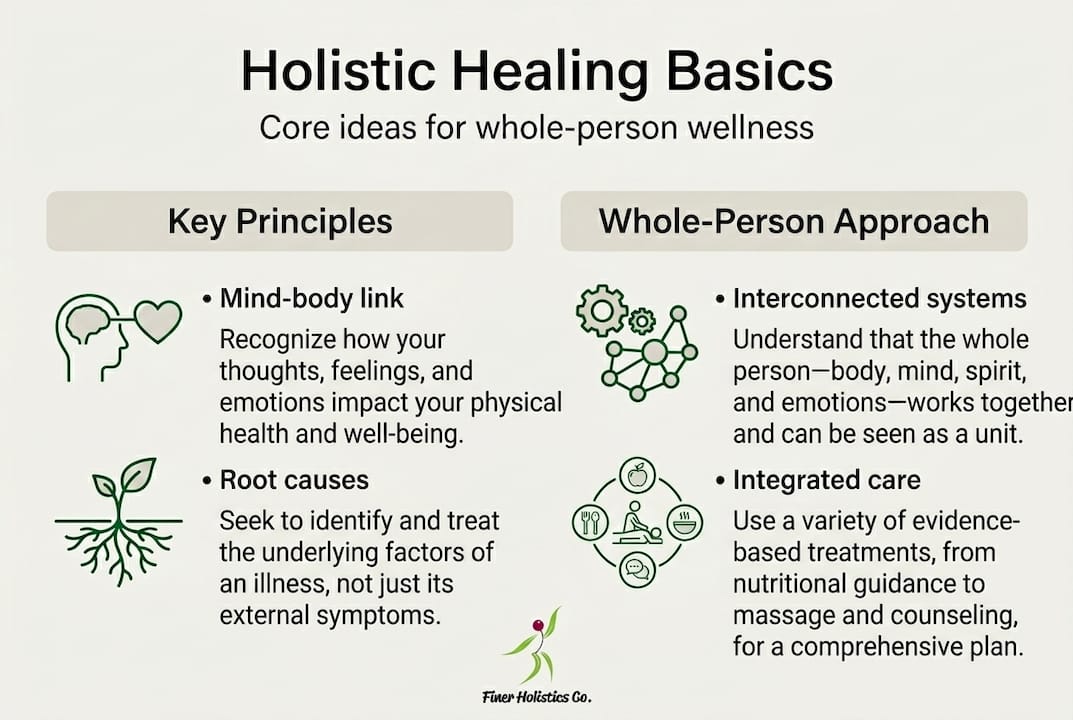
This framework is built on a few key ideas. First, every system in your body is connected. Your gut health influences your mood. Your sleep quality affects your immune response. Your stress levels shape your hormone balance. Treating any one piece in total isolation often misses the bigger picture. Second, healing is not a one-size-fits-all process. Two people with the same diagnosis may need completely different support depending on their lifestyle, history, and stress load.
The whole-person approach in research involves interconnected systems and integrated, multicomponent interventions. That means plans that combine diet changes, lifestyle shifts, mindfulness practices, and targeted remedies working together, not separately.
Holistic vs. conventional care: A quick comparison
| Feature | Holistic healing | Conventional medicine |
|---|---|---|
| Primary focus | Root causes and whole person | Specific symptoms or conditions |
| Treatment style | Multicomponent, personalized | Standardized protocols |
| Role of patient | Active participant | Often passive recipient |
| Tools used | Herbs, movement, diet, mindfulness | Pharmaceuticals, procedures |
| Relationship with the other | Complementary | Can stand alone |
This comparison isn't meant to position one as better than the other. Both serve important roles. Holistic healing fills the gaps that conventional care often doesn't have time or tools to address.
The core pillars of the whole-person model
- Physical health: nutrition, movement, sleep, and body-based therapies
- Mental and emotional health: stress management, therapy, mindfulness, and community
- Spiritual or purpose-based health: meaning, connection, and personal values
- Environmental health: the spaces, relationships, and daily habits that surround you
You can dig deeper into how plant medicine fits into this framework through our herbal medicine guide, which covers the history and practical applications of plant-based healing. Research supporting holistic recovery continues to grow, especially in areas like addiction, chronic stress, and long-term disease management, because treating the whole person simply produces better long-term outcomes.
Types of holistic methods: Mind, body, and herbal approaches
Understanding the framework, we can now explore the practical methods holistic healing employs.

Holistic approaches include mind-body practices, lifestyle changes, and complementary therapies. These aren't fringe ideas. Many of these methods are studied in research institutions, used in hospitals, and recommended by healthcare providers as supportive tools alongside conventional treatment.
Here's a breakdown of the most widely used categories:
Mind-body practices
Meditation, breathwork, and yoga are probably the most accessible entry points. Research consistently shows that regular meditation reduces cortisol (the primary stress hormone), improves focus, and supports emotional regulation. Even 10 minutes a day of guided breathing can shift your nervous system from a stress-dominant state to a rest-and-repair state. Yoga combines movement, breathwork, and awareness into a single practice that benefits flexibility, joint health, mood, and sleep quality.
Tai chi is another powerful option, especially for joint health and balance. It's slow, low-impact movement that activates both body and mind simultaneously. Studies show meaningful results in older adults for fall prevention and in individuals managing chronic pain.
Herbal and plant-based medicine
This is where Finer Holistics lives and breathes. Herbal medicine uses plants, roots, bark, flowers, and berries to support the body's natural functions. Some herbs support immune response, others aid digestion, and others help the body manage stress (these are often called adaptogens). Common examples include:
- Echinacea for immune support during cold season
- Ashwagandha as an adaptogen for stress and cortisol regulation
- Ginger root for digestion, nausea, and inflammation support
- Milk thistle for liver and detox support
- Chamomile for relaxation, sleep, and digestive ease
You can explore the full history and practice behind plant medicine through our traditional herbalism overview, or if you're just starting out, our herbal remedy guide walks you through the basics in plain language.
Movement therapies
Beyond yoga, holistic healing embraces movement as medicine in a broader sense. Walking in nature, swimming, dance, strength training, and even gardening count. The goal isn't peak athletic performance. It's consistent, intentional movement that supports circulation, lymphatic flow, hormone balance, and mental clarity.
A practical starting framework
- Identify your biggest current stressor: physical, emotional, or environmental.
- Choose one mind-body practice and commit to it for 21 days.
- Add one plant-based support (tea, tincture, or supplement) suited to your need.
- Track how you feel weekly, not daily, to spot meaningful trends.
- Adjust based on what your body tells you, not what worked for someone else.
Pro Tip: Start with herbal teas before jumping to tinctures or capsules. Teas are gentle, easy to adjust, and give you a sensory experience that helps you tune into how your body responds to a plant before committing to a stronger form.
Integrating holistic healing with mainstream care
Now, let's see how holistic healing interacts with traditional medical care in real-world scenarios.
One of the biggest mistakes people make is treating holistic healing and conventional medicine as two opposing teams. They aren't. Holistic healing complements conventional care with growing evidence supporting combined approaches for pain management, anxiety, digestive disorders, and chronic fatigue, among many other conditions.
Think of it this way: if you have a broken bone, you go to a doctor. Holistic healing doesn't set bones. But once you're in a cast, what you eat, how you sleep, what herbs support inflammation reduction, and how you manage the emotional stress of an injury all directly affect how well and how fast you recover. That's where holistic support shines.
What to discuss with your healthcare team
Being open with your doctor or specialist about what holistic therapies you use is critical. This protects you from dangerous interactions. Some herbs affect how your body processes medications. For example, St. John's Wort (used for mood support) can interfere with certain antidepressants and birth control pills. Your doctor needs the full picture.
Come prepared with:
- A list of all herbs, supplements, or tinctures you currently use
- Information about any new holistic practice you're starting
- Questions about potential interactions with current prescriptions
- Any practitioner referrals you're considering, such as acupuncturists or herbalists
"The role of the patient in holistic care is active, not passive. You're not just receiving treatment; you're participating in it. That participation requires honest, ongoing communication with every member of your healthcare team."
Mainstream guidance emphasizes safety and urges individuals not to delay evidence-based care when it's needed. If you're experiencing chest pain, severe infection, or any acute medical emergency, that is not the moment for a herbal tincture. Get conventional care first, then support your recovery holistically.
Our guide on herbal wellness tips covers how to safely bring plant-based remedies into a household that may include people with varying health conditions and medication needs.
Pro Tip: Keep a simple wellness journal where you log what you take, when, and how you feel over time. This gives your healthcare provider real data to work with and helps you make smarter decisions about what's helping and what isn't.
Risks and safety: Evaluating remedies and making informed choices
While holistic methods offer real benefits, understanding safety and risks is crucial for effective self-care.
Here's something the wellness world doesn't say often enough: natural does not automatically mean safe. Quality and safety of natural remedies vary widely, and misuse can cause genuine harm. A plant that's nourishing for one person can be contraindicated (meaning unsafe or not appropriate) for another based on their health history, medications, or life stage.
Key risk factors to evaluate before starting any herbal remedy
- Pregnancy and breastfeeding: Many herbs that are safe for general adults are not safe during pregnancy. Blue cohosh, pennyroyal, and high-dose herbal laxatives are among the most common concerns.
- Medications: Certain herbs thin the blood (like garlic in large doses or ginkgo) and can amplify the effects of blood thinners or anti-clotting medications. Always cross-check.
- Pre-existing conditions: Liver disease, kidney disorders, and autoimmune conditions may change how your body processes herbs. What supports detox in a healthy person may overstress an already compromised organ.
- Sourcing and quality: Not all herbal products are created equal. Some supplements have been found to contain fillers, inconsistent doses, or even contaminants. Look for brands with third-party testing and transparent ingredient sourcing.
How to evaluate a product for safety
Look for these markers before buying any herbal supplement:
- Clear labeling with the botanical name, not just the common name
- A lot number and expiration date
- Third-party testing certification (USP, NSF, or similar)
- No vague "proprietary blend" language that hides actual ingredient amounts
- A company with a clear mission, real contact information, and educational transparency
The role of a certified herbalist or integrative medicine provider matters here. These professionals have formal training in how plants work in the body, what interactions to watch for, and how to build a safe, personalized protocol. Seeing one before starting a serious herbal program is worth the investment.
Our herbal safety guide covers evidence-based best practices in plain terms so you can navigate this space with confidence, not guesswork.
Pro Tip: When trying a new herb, start with a single-ingredient product rather than a blend. That way, if you notice any reaction, you know exactly what caused it and can make a clear decision about continuing or stopping.
The real value of holistic healing (what surprises most people)
Stepping back, here's what holistic healing actually teaches beyond methods and remedies.
After years of working with plant medicine and watching people begin their healing journeys, the pattern that surprises most newcomers isn't the power of a specific herb or the results of a particular practice. It's this: holistic healing teaches you how to pay attention to yourself again.
Modern life is extraordinarily loud. Notifications, schedules, obligations. Most of us have completely lost the skill of actually listening to our own bodies. We override fatigue with caffeine. We suppress stress with distraction. We push through pain because stopping feels indulgent. Holistic healing, at its most foundational level, interrupts that pattern. It asks you to slow down and actually check in.
This is not about rejecting conventional care. That framing gets holistic wellness stuck in a culture war that doesn't serve anyone. It's about adding a layer of self-knowledge that makes every form of care more effective. When you know your body's rhythms, you catch problems earlier. When you understand your stress patterns, you can intervene before they snowball into illness.
What most people also miss is how critical regular check-ins with health professionals are to getting the most out of holistic healing. The practitioners who see the best results are those who aren't going it alone. They have a doctor who knows their full picture, an herbalist who helps them personalize their plant protocol, and sometimes a therapist or counselor supporting the emotional layer. That integrative team approach produces results that no single modality can match alone.
Personalization is also essential. What works beautifully for your friend may do nothing for you. Cultural roots matter here too. Traditional Chinese medicine, Ayurveda, African botanical traditions, and Native American plant medicine all developed within specific ecological and cultural contexts. Borrowing thoughtfully from these traditions while respecting their origins and learning from the science that now supports many of their practices is how we get the best of both worlds.
If you're just starting out and feel overwhelmed by options, our beginner's herbal guide gives you a clear, simple starting point without the noise.
Explore holistic wellness with Finer Holistics
Ready to take a practical next step toward holistic health?
At Finer Holistics, every product we create comes from a place of deep respect for plant medicine and genuine care for the people using it. We believe that learning and action go hand in hand.
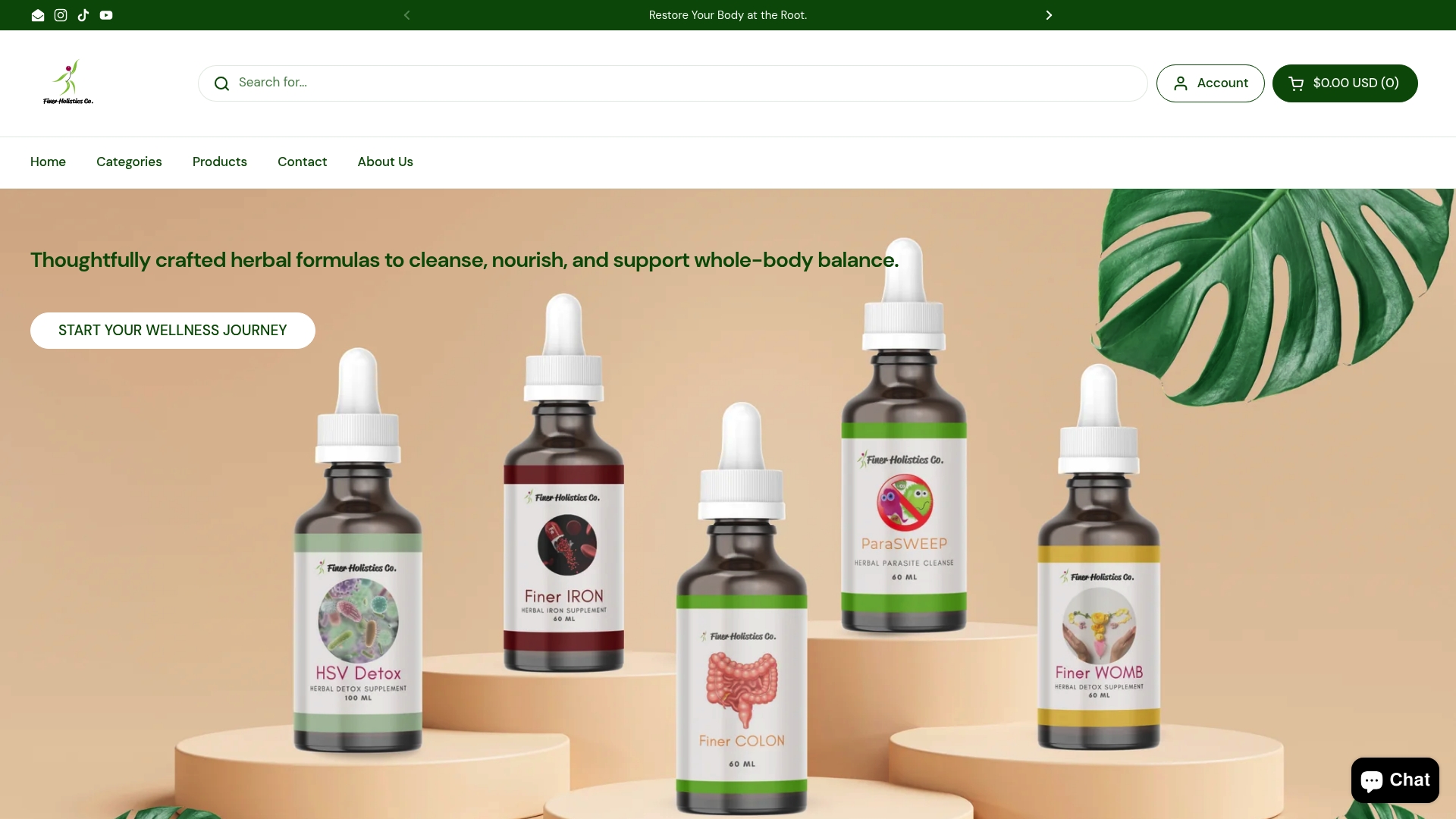
Whether you're looking to begin with a herbal detox starter kit designed to gently support your body's natural cleansing processes, or exploring women's wellness herbs formulated to support hormone balance and vitality, we've built each offering around the principles in this guide. Our handcrafted blends are made with carefully selected ingredients, transparent sourcing, and the kind of herbalist-level intention that the wellness aisle often skips. Browse our full range of holistic solutions and find what your body has been asking for.
Frequently asked questions
What's the main difference between holistic and conventional medicine?
Holistic healing addresses the whole person, not just symptoms, and focuses on root causes, while conventional medicine tends to target specific diagnoses or conditions with standardized treatments. Both have important roles and work best when used together.
Are herbal remedies safe to use on their own?
Safety and quality of herbal remedies vary, and misuse can be harmful, especially with pre-existing conditions or medications. Always consult a qualified healthcare provider or certified herbalist before using herbal remedies as your sole support.
Can holistic healing replace my doctor's treatments?
No. Holistic healing complements conventional care but does not replace it, particularly for serious, acute, or urgent medical conditions. Think of it as powerful support alongside your medical team, not a substitute for it.
What are some common holistic practices I can start with?
Mind-body practices like meditation and yoga are excellent starting points, along with daily walks in nature, gentle herbal teas, and basic breathwork. These are low-risk, accessible, and produce real results with consistent practice.