

TL;DR:
- Over 80% of the world's population relies on traditional herbal medicine for health.
- Natural healing emphasizes the body's innate ability to restore itself holistically.
- Safe herbal use requires professional guidance, quality sourcing, and awareness of interactions.
Most people assume that only pharmaceutical medicine can truly support detox and wellness. That belief overlooks a powerful, global reality. 80% of the world's population relies on traditional herbal medicine for everyday health needs. This is not folklore or guesswork. It is a living, research-supported practice that has shaped human wellness for thousands of years. If you have been curious about natural healing but weren't sure where to start, or whether it actually works, this article will walk you through the principles, the science, the safety, and how to make it work for your life.
Table of Contents
- What is natural healing? Principles and origins
- Key natural healing methods and the science behind them
- Natural healing vs. modern medicine: Complement or alternative?
- Safety, risks, and how to do natural healing right
- Our take: Why empowered plant-based wellness is the future
- Ready to start your natural healing journey?
- Frequently asked questions
Key Takeaways
| Point | Details |
|---|---|
| Holistic approach | Natural healing treats the body, mind, and spirit to optimize wellness from the root cause. |
| Evidence-backed herbs | Key herbs like milk thistle, dandelion, turmeric, and ginger have proven detox and wellness effects. |
| Integrative care | Combining natural and modern medicine empowers long-term health while ensuring safety. |
| Prioritize safety | Checking for interactions, consulting pros, and using quality products helps prevent risks. |
| Self-empowered wellness | Personalized, proactive use of natural healing practices is the future for conscious health seekers. |
What is natural healing? Principles and origins
Natural healing is not just a trend or a lifestyle aesthetic. It is a structured approach to wellness built on the idea that the body has an innate capacity to restore itself when given the right support. Rather than suppressing symptoms with isolated compounds, natural healing looks at the full picture: your environment, your emotions, your diet, and your physical body all together.
Holistic medicine centers on the body's innate healing capacity, emphasizing well-being across body, mind, and spirit. This is not about ignoring science. It is about using a wider lens. Natural healing practitioners recognize that a headache might point to dehydration, stress, or nutritional gaps rather than a simple deficit of pain medication.
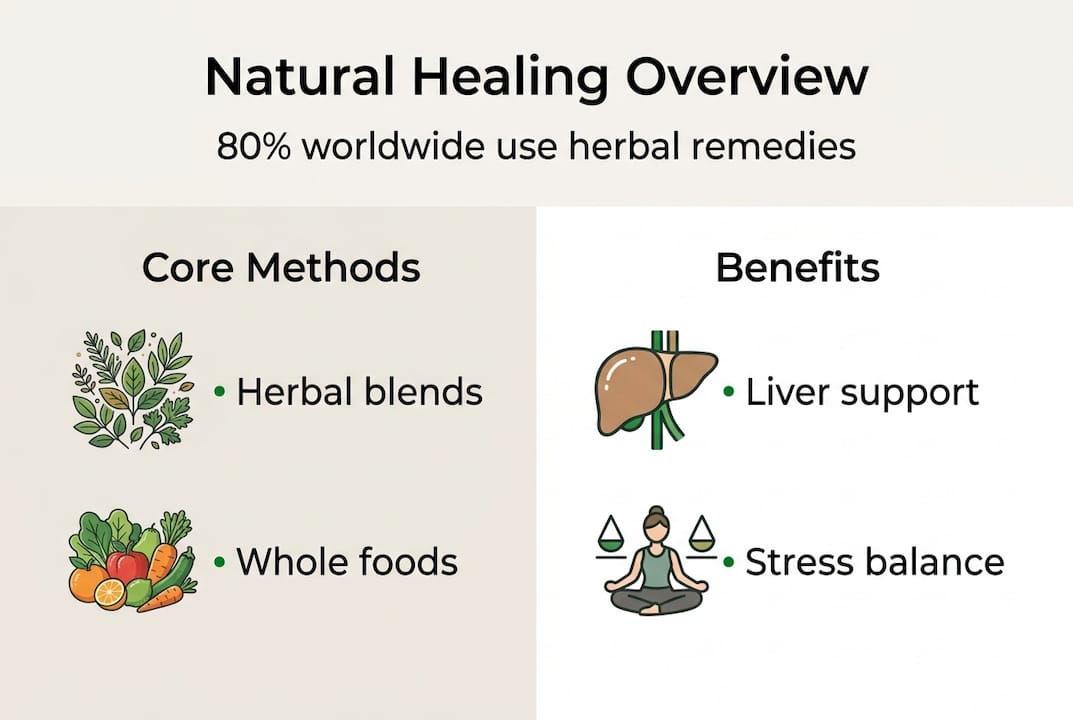
The core principles of naturopathy include the healing power of nature, treating the whole person, and identifying the root cause of illness rather than just managing symptoms. These principles are ancient but they align surprisingly well with modern chronic disease research, which increasingly points to lifestyle, inflammation, and gut health as root drivers.
Here is what makes natural healing particularly relevant today:
- Holistic focus: It treats the person, not just the condition.
- Root cause emphasis: It asks why the symptom appeared, not just how to quiet it.
- Prevention first: It prioritizes building resilience before illness takes hold.
- Plant intelligence: Herbs contain complex compounds that interact with human biology in studied, measurable ways.
- Personalization: What works for one person may differ for another based on constitution and lifestyle.
The origins of herbal medicine run thousands of years deep across every continent. Ancient Egyptians, Chinese physicians, Ayurvedic healers, and indigenous North American practitioners all built sophisticated herbal systems. What the WHO recognizes as traditional medicine is the lived continuation of those systems.
Statistic callout: Over 80% of the global population still uses herbal and traditional medicine as a primary or complementary health resource. That is not a niche. That is the global majority.
For people aged 25 to 45 navigating burnout, hormonal shifts, gut issues, and environmental toxin exposure, natural healing offers something modern medicine often cannot: a framework for building daily resilience, not just treating crisis.
Key natural healing methods and the science behind them
With natural healing's core values in mind, let's look at how these principles are put into practice and backed by research.
The main methods used in natural healing include herbal remedies, whole-food nutrition, detox support, breathwork, movement practices like yoga, and stress regulation. For most people exploring this path, herbal remedies are the most accessible entry point because they are specific, measurable, and increasingly well-studied.
Herbal blends including turmeric, milk thistle, dandelion, and ginger have been shown in randomized controlled trials and meta-analyses to lower liver enzymes and support liver function. That is a significant finding because liver health is central to detoxification, hormone regulation, and energy.
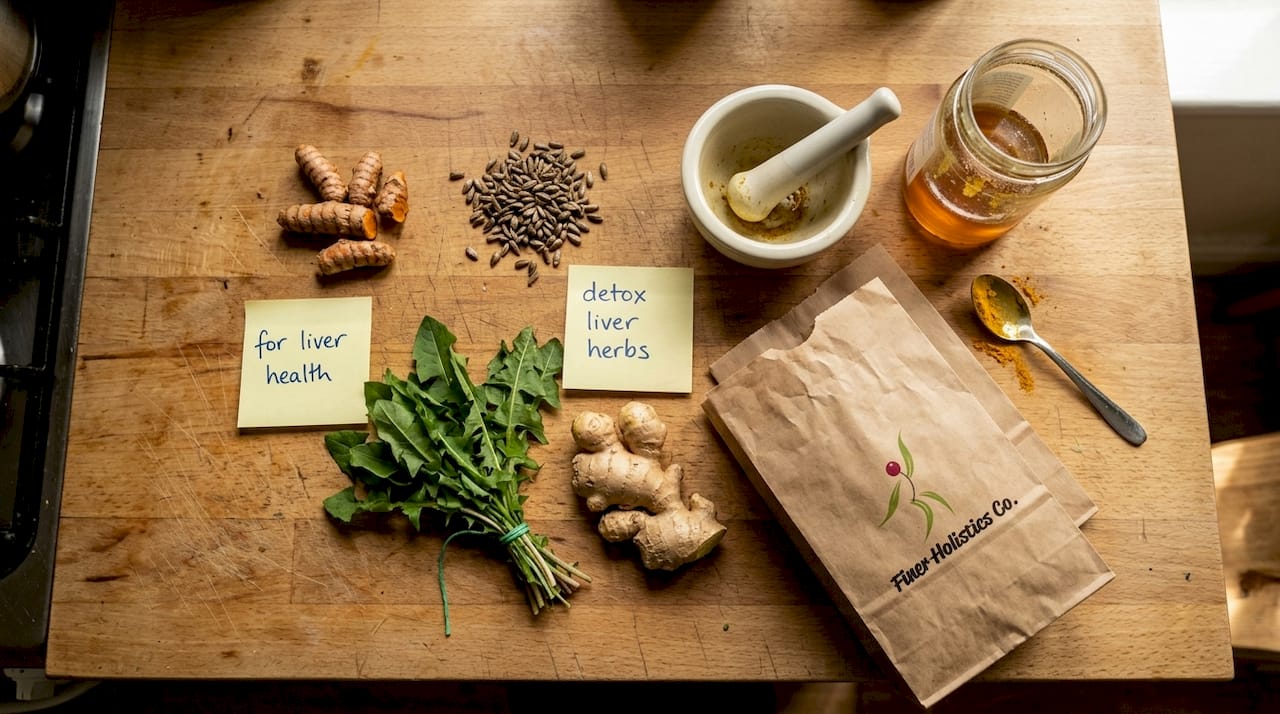
Here is how the top studied herbs connect to specific wellness outcomes:
| Herb | Primary benefit | Evidence level |
|---|---|---|
| Milk thistle | Liver enzyme reduction, hepatoprotection | Strong (RCTs) |
| Dandelion | Bile flow, liver and kidney support | Moderate (studies) |
| Turmeric | Anti-inflammatory, antioxidant protection | Strong (meta-analyses) |
| Ginger | Digestive support, nausea, inflammation | Strong (clinical trials) |
Milk thistle and dandelion have been specifically studied for their liver-protective and bile-stimulating effects, making them two of the most trusted herbs in detox formulas. When you explore herbal detox supplements, these are names you will consistently encounter.
Natural healing also works at the lifestyle level. Movement increases lymphatic circulation. Sleep regulates cortisol. Hydration supports kidney filtration. None of these are separate from herbal work. They amplify it.
Pro Tip: Herbs work best when they are paired with clean nutrition and adequate hydration. Adding a detox herb blend to a high-sugar, low-fiber diet will produce minimal results. Think of herbs as a catalyst, not a cure-all. If you want a step-by-step cleanse guide, starting with your diet foundation makes every herbal step more effective.
The key methods work together:
- Herbal remedies: Targeted plant compounds for specific organ systems.
- Whole-food nutrition: Fiber, antioxidants, and phytonutrients that feed gut flora and reduce inflammation.
- Detox support: Herbs and practices that support liver, kidney, and lymph function.
- Movement: Circulation-boosting activity that moves waste out of tissues.
- Stress management: Adaptogenic herbs and mindfulness practices that reduce cortisol-driven damage.
Natural healing vs. modern medicine: Complement or alternative?
While these methods are promising, how do they really compare with modern medicine when it comes to real-life health choices?
This is where most conversations get oversimplified. Natural healing is not the enemy of modern medicine. Neither is modern medicine the enemy of natural healing. The real question is: which tool fits which situation?
Modern pharmaceuticals are often derived from plant compounds. Aspirin came from willow bark. Digoxin came from foxglove. The divide between plant-based and pharmaceutical is not as clean as most people think.
Naturopathic care is well-suited for chronic and preventive conditions but is not a replacement for acute or emergency medical treatment. A broken bone, a bacterial infection requiring antibiotics, a heart attack. These are not situations for herbal teas. Clarity on this saves lives.
| Factor | Natural healing | Modern medicine |
|---|---|---|
| Chronic wellness | Strong fit | Variable |
| Prevention and resilience | Strong fit | Limited focus |
| Acute illness | Supportive role only | Primary tool |
| Emergency care | Not appropriate | Essential |
| Root cause focus | Core principle | Symptom-focused |
| Personalization | High | Often standardized |
"The strongest wellness outcomes happen when people stop asking 'which one?' and start asking 'what does my body need right now?'"
The evidence on herbs and liver health continues to grow, supporting integration in areas like metabolic health, hormonal balance, and inflammation. Learning about herbal wellness safety helps you build that integration intelligently.
The integrative model means:
- Using herbal support for daily detox, hormone health, and gut maintenance.
- Turning to conventional medicine for diagnostics, acute care, and life-threatening conditions.
- Communicating openly with all your healthcare providers about every remedy you use.
- Building detoxification strategies around prevention rather than reaction.
Safety, risks, and how to do natural healing right
Knowing how natural healing fits in with mainstream medicine is vital, but maximizing its benefits means being aware of important safety practices.
Natural does not automatically mean safe. This is one of the most important things to understand. Plants are biochemically active. That is why they work. But it also means they can interact with medications, trigger allergies, or cause harm when misused.
Herb-drug interactions, allergies to plants in the Asteraceae family (which includes chamomile, echinacea, and dandelion), and over-reliance on natural remedies that delays needed conventional care are documented risks. These are not reasons to avoid herbs. They are reasons to use them wisely.
Standardization gaps in herbal products mean that quality varies widely across brands. An unstandardized milk thistle capsule may contain a fraction of the active silymarin compared to a well-formulated product. Sourcing matters enormously.
Here is a numbered checklist for doing natural healing safely:
- Consult a professional first. Talk to a naturopath, integrative physician, or qualified herbalist before starting new herbs, especially if you take medications.
- Check for interactions. St. John's Wort, for example, is known to interfere with birth control and antidepressants. Research matters.
- Choose third-party verified products. Look for products with transparent ingredient sourcing and standardized potency.
- Start low, go slow. Introduce one herb at a time so you can observe how your body responds.
- Do not delay urgent care. If symptoms are severe or worsening, seek conventional medical help immediately.
- Read your herbal safety guide. Reputable resources, not social media trends, should guide your choices.
Pro Tip: Keep a simple wellness journal when you start an herbal protocol. Note energy, sleep, digestion, and mood changes weekly. Patterns tell you more than any single day's feeling, and they give a healthcare provider valuable information if you ever need to report changes.
Understanding liver detoxification safety is a great starting point, especially because the liver is the organ most affected by both herbal supplements and pharmaceutical drugs.
Key safety principles to carry forward:
- Know your allergy history before using plant families new to you.
- Never source herbs from uncertified or unknown suppliers.
- Pregnancy, breastfeeding, and pre-existing conditions require specialized guidance.
- Monitor body signals. Fatigue, rashes, or digestive upset after starting an herb deserve attention.
Our take: Why empowered plant-based wellness is the future
Here is what most wellness articles will not say directly: the natural versus modern medicine debate is a false choice, and clinging to either extreme is a barrier to actually getting well.
We have seen people abandon powerful herbal tools because a doctor dismissed them without evidence. We have also seen people delay critical diagnoses because they were convinced herbs could handle everything. Both mistakes cost real health.
The future of wellness belongs to people who are discerning, not dogmatic. That means using targeted herbal detox supplements because the science supports them, not just because they feel natural. It means building a relationship with your body's signals instead of suppressing them with any remedy, natural or pharmaceutical.
For millennials and younger Gen Xers carrying chronic stress, inflammatory diets, and environmental toxin loads, the preventive, root-cause framework of herbal wellness is not optional. It is essential. The question is not whether to use it. It is how to use it well.
Real empowerment comes from knowing why you are taking something, understanding the evidence, and working with qualified guidance. That is what separates a healing practice from a wellness trend.
Ready to start your natural healing journey?
You now have a clear picture of what natural healing is, what the science supports, and how to practice it safely. The next step is finding products and resources you can actually trust.
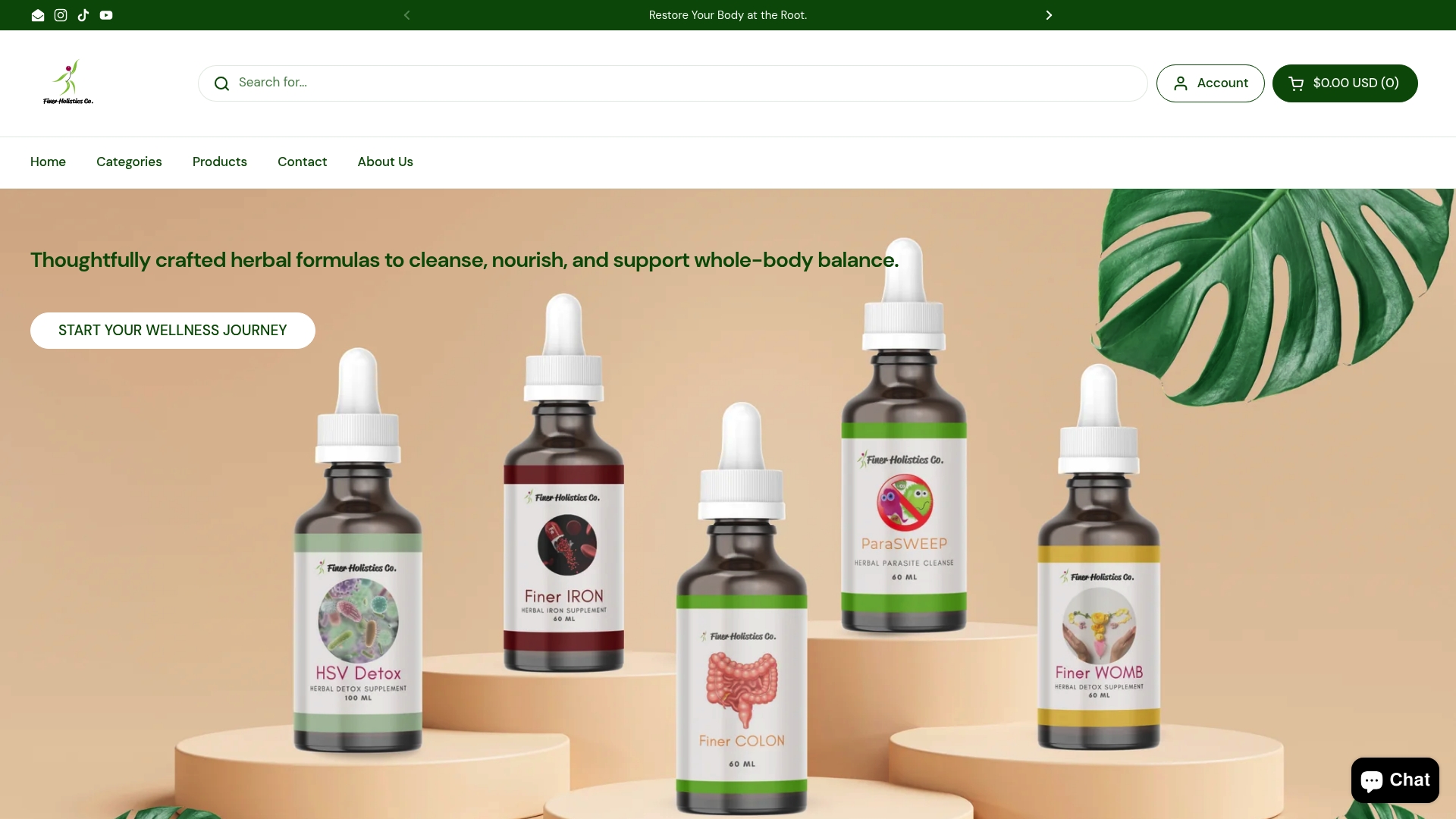
At Finer Holistics, every blend is crafted by a holistic herbalist with ingredient transparency and traditional wellness principles at the core. Whether you are starting with herbal detox remedies to support your liver and energy, or looking for women's wellness herbs to support hormone balance, our curated collections are built around the same evidence-backed herbs covered in this article. Explore the full Finer Holistics collection and find the plant-based support that fits your body and your goals.
Frequently asked questions
What are some evidence-backed natural healing herbs for detox?
Research from clinical trials supports milk thistle, dandelion, turmeric, and ginger for liver detoxification and overall wellness. These herbs have been shown to reduce liver enzymes and support healthy detox pathways.
Is natural healing safe to combine with modern medicine?
It is often safe but herb-drug interactions are a real concern, so always consult a healthcare professional before combining herbal therapies with prescription medications.
Can natural healing methods replace conventional treatment for illness?
No. Natural healing supports chronic and preventive care effectively, but it is not a substitute for modern medical care in acute or emergency situations.
How can I minimize risks while trying natural healing?
Choose third-party verified herbs, consult a qualified practitioner, and stay alert to allergy and interaction risks especially if you take prescription medications.