
TL;DR:
- Holistic healing treats the person as a whole using evidence-backed herbal remedies.
- Choose herbs carefully, focusing on safety, quality, and alignment with personal wellness goals.
- Integrate herbs with lifestyle practices and professional guidance for lasting health benefits.
Top holistic healing tips: expert-backed herb solutions
Holistic healing is having a real moment, and for good reason. More people are reaching for plant-based remedies, exploring herbal teas, and blending ancient wisdom with modern research to support their health. But the sheer volume of options out there, from adaptogen powders to detox kits and tincture bundles, can make it hard to know where to start. True holistic wellness means treating the whole person, mind, body, and spirit, by addressing root causes rather than just masking symptoms. This guide cuts through the noise and gives you clear, practical, and evidence-backed strategies to make your herbal wellness journey both safer and more effective.
Table of Contents
- How to choose holistic healing methods: criteria for success
- Top herbal remedies for holistic wellness: what science says
- Best practices for safe and effective herbal healing
- Herbs vs. mind-body practices: which holistic tools are right for you?
- What most miss about holistic healing: integration over isolation
- Explore quality herbal solutions with Finer Holistics
- Frequently asked questions
Key Takeaways
| Point | Details |
|---|---|
| Criteria matter most | Effective holistic healing starts with solid evidence and lifestyle integration. |
| Prioritize safety | Always begin with low doses, one herb at a time, and consult a professional. |
| Choose proven herbs | Turmeric and valerian are among the top evidence-backed choices for wellness. |
| Embrace balance | Combining herbs with mind-body practices yields the best holistic results. |
| Products matter | Select third-party tested, high-quality herbal products to support your healing journey. |
How to choose holistic healing methods: criteria for success
Before diving into specific remedies, let's clarify exactly what makes a holistic healing approach truly work. The wellness market is flooded with products promising miraculous results, but most people never stop to ask the most important question: does this approach actually fit my needs and values?
A good holistic healing strategy does three things well. First, it treats you as a whole person, not just a collection of symptoms. Second, it draws on methods with at least some clinical research behind them. Third, it fits naturally into your daily life without requiring you to overhaul everything at once.
Here's what to look for when evaluating any holistic healing option:
- Evidence base: Does the remedy have published studies behind it? Look for herbs with documented benefits, not just testimonials.
- Whole-person approach: The method should address physical, emotional, and mental wellness, not just one dimension.
- Safety profile: Check for known interactions, contraindications, and quality standards before you start.
- Integration potential: The best herbal strategies work alongside good nutrition, proper hydration, regular movement, and quality sleep, not as a replacement for these habits.
- Professional alignment: If you have any existing health conditions or take medications, consult a qualified practitioner before starting something new.
According to evidence-based selection criteria, the most effective herbal programs integrate lifestyle factors alongside targeted remedies. This means that choosing turmeric to fight inflammation works significantly better when you're also reducing processed sugar and staying active.
Understanding holistic wellness meaning goes beyond picking the right supplement. It means building a lifestyle ecosystem where each choice reinforces the others. When you learn about evidence and safety tips before adding any herb to your routine, you protect yourself and set realistic expectations.
If you're new to this space, start with the basics. A solid herbal remedy basics guide can help you build confidence before you layer in more advanced tools.
Pro Tip: Before spending money on any new herbal product, spend 10 minutes reviewing the brand's sourcing, testing practices, and ingredient transparency. A trustworthy brand will always tell you exactly what's in their product and why.
Top herbal remedies for holistic wellness: what science says
With criteria in mind, let's examine top herbal choices that meet these standards. These aren't just popular picks. These are remedies with real research supporting their use, along with practical notes on how to apply them wisely.
| Herb | Primary benefit | Evidence level | Key caution |
|---|---|---|---|
| Turmeric | Anti-inflammatory support | Strong | May thin blood at high doses |
| Valerian root | Sleep and relaxation | Moderate | Effects vary between individuals |
| St. John's wort | Mood support | Moderate | Serious drug interactions possible |
| Echinacea | Immune stimulation | Moderate | Not for long-term continuous use |
| Ginger | Digestive support | Strong | Mild at recommended doses |
Turmeric is arguably the most studied herb in modern natural medicine. Its active compound, curcumin, has been shown to reduce inflammation at a level comparable to non-steroidal anti-inflammatory drugs (NSAIDs), but with a significantly better long-term safety profile. For anyone dealing with joint discomfort, low-grade chronic inflammation, or digestive stress, turmeric is a strong starting point.
Valerian root is widely used for sleep and relaxation, but the research here is more mixed. Some users report significant improvement in sleep quality within a few weeks, while others notice little difference. Individual gut microbiome composition and body chemistry appear to play a big role in how well valerian works for any given person.
St. John's wort is one of the most researched herbs for mild to moderate mood concerns, but it carries a serious caution: it interacts with a long list of prescription medications, including antidepressants, birth control pills, and blood thinners. Never add this herb to your routine without reviewing your current medication list with a healthcare professional.
Important stat: An estimated 4 billion people worldwide use herbal medicine as a primary or complementary health tool. That's roughly 80% of the global population relying on plant-based remedies in some form.
The key takeaways from the research on these herbs:
- Match the herb to your specific wellness goal, not just general "health."
- Look for herb benefits explained clearly by the brand or source you're using.
- Check quality. A poorly extracted or contaminated herbal product will not deliver the results seen in studies.
- Use the beginner's remedies guide as a starting point if you're unsure where to begin.
Pro Tip: Pair turmeric with black pepper (which contains piperine) to boost curcumin absorption by up to 2,000%. A good herbal tea or tincture formula should already do this for you, but always check the label.
Best practices for safe and effective herbal healing
Once you've chosen your herbal tools, here's how to put them to safe use for maximum wellness. Good intentions don't protect you from herb-drug interactions or allergic reactions. Smart practice does.
Follow these steps to integrate herbs safely:
- Start with one herb at a time. Adding multiple new remedies simultaneously makes it impossible to know what's working or what's causing a reaction. Give each herb at least two to four weeks before evaluating results.
- Begin with a low dose. Even herbs with strong safety profiles can cause reactions in sensitive individuals. Start low and gradually increase based on how your body responds.
- Choose third-party tested products. Quality control in the herbal supplement industry is inconsistent. Third-party testing ensures what's on the label is actually in the bottle, and that no contaminants are present.
- Consult a professional before combining herbs with medications. This is especially important for anyone taking blood pressure medication, antidepressants, anticoagulants, or hormonal treatments.
- Keep a simple wellness journal. Track what you're taking, the dose, and how you feel day to day. Patterns become clear over time and help you make smarter decisions.
- Know your red flags. Stop using any herb immediately if you notice rash, digestive upset, dizziness, or unusual fatigue. These can signal an allergic response or an interaction.
"The most important rule in herbal wellness isn't which herb to choose. It's how carefully you introduce it into your body's unique ecosystem." This is especially true for pregnant women, children, and individuals managing chronic conditions.
Special populations need extra care. Pregnancy is a category where most herbs should simply be avoided unless explicitly cleared by an obstetrician or midwife. Children metabolize compounds differently than adults, so doses and herb selections appropriate for adults may not translate safely. Anyone already managing a complex health condition should treat herbal additions as they would any new medication: with full disclosure to their healthcare team.
Building herbal wellness routines that are sustainable and safe requires patience. Use an herbal detox checklist to stay organized and systematic as you expand your herbal toolkit.
Pro Tip: When evaluating a new herbal product, look for a Certificate of Analysis (COA) from an independent lab. Brands that publish their COAs openly are generally the ones worth trusting.
Herbs vs. mind-body practices: which holistic tools are right for you?
Safe herbal healing is most powerful when integrated with other holistic tools. Here's how these methods stack up so you can build a balanced wellness plan that actually fits your life.
| Method | Best for | Evidence | Time to effect | Accessibility |
|---|---|---|---|---|
| Herbal remedies | Inflammation, digestion, immunity | Moderate to strong | Weeks to months | Easy, low cost |
| Yoga | Stress, flexibility, breath regulation | Strong | Days to weeks | Moderate effort |
| Meditation | Anxiety, sleep, emotional regulation | Very strong | Days to weeks | Minimal cost |
| Nutrition changes | Long-term disease prevention | Very strong | Months | Requires planning |
| Breathwork | Acute stress, panic response | Moderate | Immediate | Free, always available |
Research from the National Center for Complementary and Integrative Health consistently shows that mind-body routines like yoga and meditation outperform many herbs specifically for sleep and stress relief. This doesn't mean herbs aren't valuable. It means that for certain challenges, especially chronic stress or anxiety, the mind-body side of your wellness plan deserves serious priority.
Here's a practical way to think about it:
- If your primary concern is inflammation or digestive discomfort, herbs like turmeric or ginger are well-suited tools to explore.
- If your primary concern is sleep quality or anxiety, start with meditation or a consistent bedtime breathing practice before layering in valerian or ashwagandha.
- If you're recovering from illness or a period of high stress, combining both approaches tends to produce faster, more durable results than using either alone.
The most common mistake people make is treating herbs as a substitute for medical care. They're not. Herbs work best as a complement to professional medical guidance, not a replacement. When you learn about the evidence for herbal ingredients and understand which tools are best suited to which challenges, you stop wasting money on approaches that don't fit your situation.
The real-world holistic wellness tips that stick are the ones built into a broader lifestyle context, not the ones chased one trend at a time. The goal is a toolkit, not a single magic fix.
What most miss about holistic healing: integration over isolation
Here's something most holistic wellness content won't tell you outright: the remedy itself is rarely the most important variable. After comparing herbs, mind-body practices, dosing strategies, and product quality, the single biggest predictor of success in holistic healing is consistency within an integrated approach.
A lot of people in the wellness space fall into what we call remedy-chasing. They cycle through ashwagandha, then lion's mane, then moringa, then a new detox kit, never staying with one approach long enough to evaluate it honestly. It feels productive because there's always something new to try. But true healing happens slowly, through small, consistent changes that stack over time.
The people who actually transform their health aren't the ones with the best supplement stack. They're the ones who drink water, sleep consistently, move their bodies, manage stress proactively, and layer in evidence-based herbal support as part of a stable routine. They also listen honestly to their bodies and keep an open dialogue with qualified practitioners.
We believe the most powerful thing you can do is build a routine around advanced safety practices and stick to it long enough to observe real change. Flexibility matters too. What works for one person may not work for another, and the willingness to adapt without abandoning your foundation is what separates lasting wellness from a fleeting phase.
Don't chase the trending herb. Build the life that makes healing possible.
Explore quality herbal solutions with Finer Holistics
You now have a clear framework for choosing, using, and integrating herbal remedies safely and effectively. The next step is finding products that actually meet the quality standards this kind of wellness journey demands.
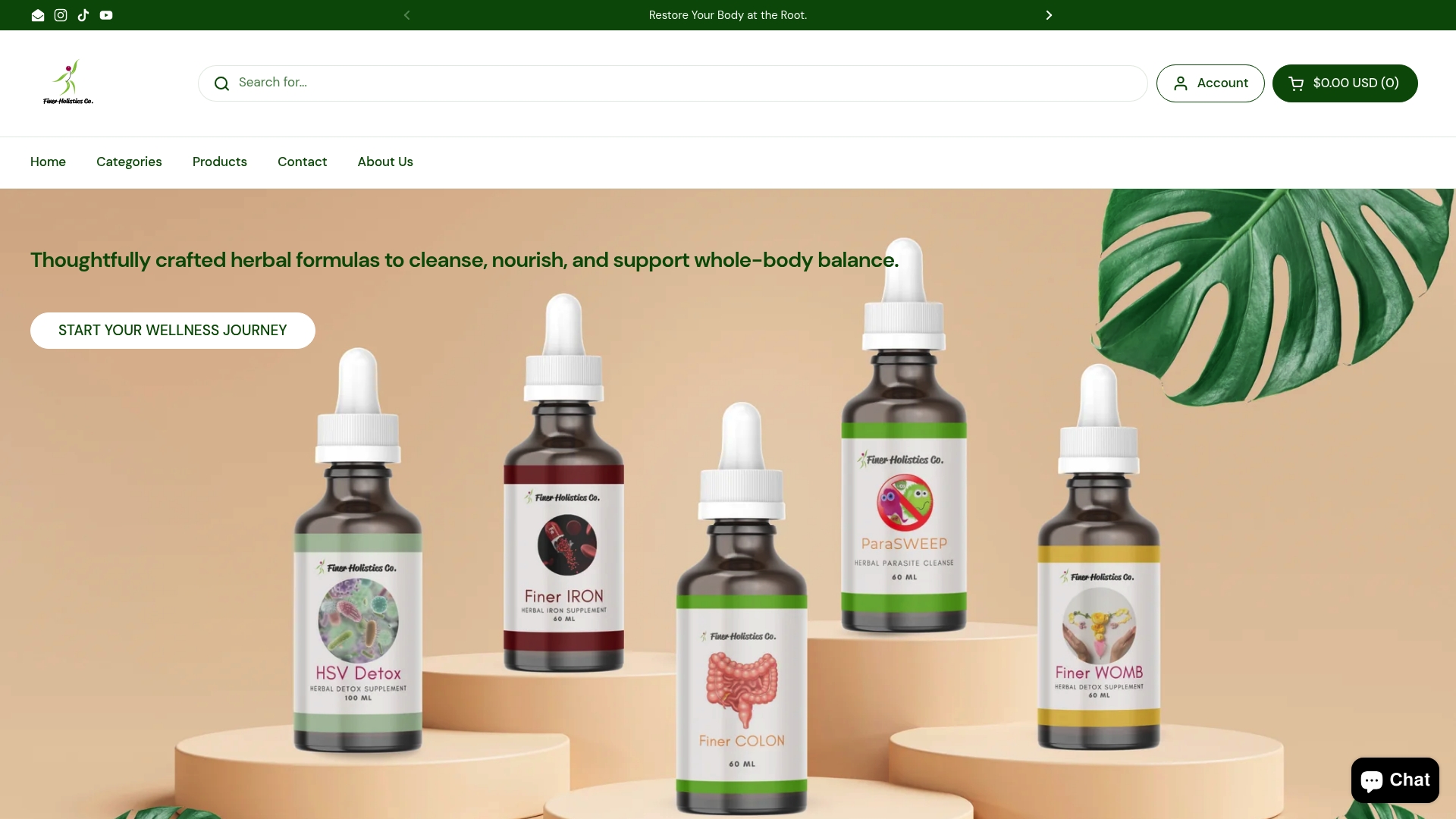
At Finer Holistics, every product is handcrafted by a holistic herbalist using carefully selected, quality-tested ingredients. Whether you're ready to try your first herbal detox or looking for a curated starting point, the Detox Starter Pack is designed specifically for people who want to begin their journey safely and intentionally. If hormonal balance and cycle support are your priority, explore our women's wellness herbs collection. Every product reflects our commitment to transparency, quality, and real results rooted in plant-based science.
Frequently asked questions
What's the safest way to start herbal remedies for holistic healing?
Start with low doses, introduce one herb at a time, and consult your healthcare provider to check for any possible interactions with your current medications or health conditions.
Are herbal remedies proven to help with wellness?
Some are. Turmeric's anti-inflammatory effects are well-documented and comparable to NSAIDs, while other herbs have insufficient evidence to support the claims made about them, so always look for research-backed options.
Which is better for stress—herbs or mind-body routines?
Mind-body practices like yoga and meditation consistently outperform most herbs for stress and anxiety relief, making them the smarter first line of support for emotional wellness.
Can everyone use herbal remedies safely?
Not without guidance. Pregnant women, children, and anyone on existing medications should always consult a qualified healthcare professional before adding any herbal remedy to their routine.