
TL;DR:
- 80% of the global population relies on traditional herbal medicine for healthcare.
- Plant-based remedies work through measurable antioxidant, anti-inflammatory, and immunomodulatory effects.
- Proper use requires awareness of risks like herb-drug interactions and contamination.
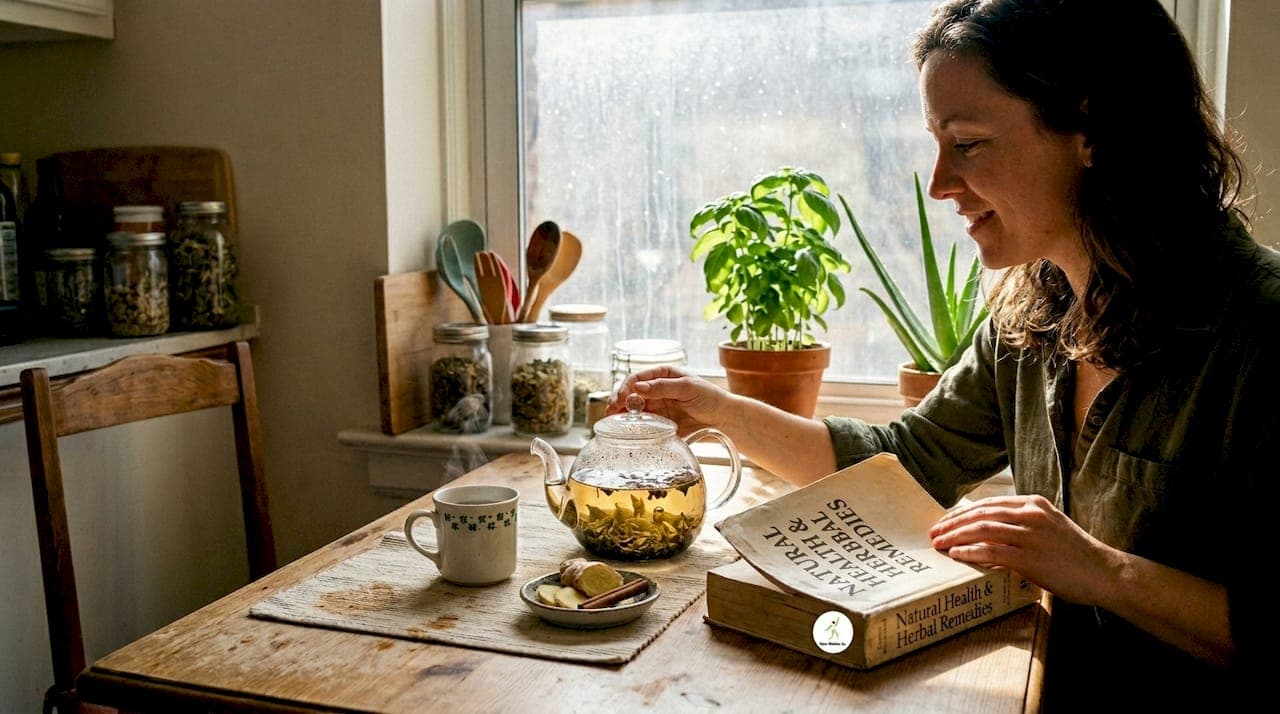
Roughly 80% of the global population depends on traditional herbal medicine as its primary form of healthcare, yet in Western wellness circles, plant-based remedies are still sometimes dismissed as trendy or unproven. That disconnect is worth examining. Millions of people across Asia, Africa, and Latin America have not abandoned pharmaceutical care in favor of folklore. They are using a system of plant-based healing that predates modern medicine by thousands of years. This guide cuts through the noise. You will find what the evidence actually says, where real risks exist, and how to build a smarter, more grounded herbal practice into your daily life.
Table of Contents
- Understanding the global role of natural remedies
- How plant-based remedies support holistic wellness
- Risks, limitations, and safe use of natural remedies
- Smart ways to integrate natural remedies into modern wellness
- Our take: How to approach natural remedies wisely in wellness
- Explore holistic wellness with Finer Holistics
- Frequently asked questions
Key Takeaways
| Point | Details |
|---|---|
| Global importance | Most of the world relies on natural remedies, making them a key part of holistic wellness. |
| Evidence supports benefits | Plant-based remedies offer antioxidant, anti-inflammatory, and other health benefits backed by research. |
| Safety comes first | Consider risks like interactions and quality—use natural remedies with professional guidance. |
| Integrate smartly | Start with simple remedies and build holistic, personalized routines for long-term wellness. |
Understanding the global role of natural remedies
When we talk about natural remedies, we are not talking about a niche wellness trend. The global reliance on herbal medicine at the 80% mark is one of the most underappreciated facts in modern health discourse. In countries like China, India, Nigeria, and Brazil, herbal medicine is not a backup plan. It is the foundation of everyday healthcare, deeply woven into cultural identity and local knowledge systems passed down over generations.
In Western nations, the relationship is different but growing fast. Health-conscious individuals aged 25 to 45 are actively seeking alternatives or complements to conventional care. They are not rejecting medicine. They are expanding their toolkit. That means looking at herbal tinctures, teas, standardized supplements, topical ointments, and aromatherapy as part of a broader, preventive-first approach to wellness.
Common forms of natural remedies include:
- Herbal teas and infusions: Gentle, accessible, and easy to customize for digestion, sleep, or immunity
- Tinctures and liquid extracts: More concentrated, faster-absorbing, and useful for targeted support
- Capsules and standardized supplements: Consistent dosing with measurable active compounds
- Topical applications: Salves, poultices, and essential oil blends for skin and muscle support
- Aromatherapy: Inhaled plant compounds with documented effects on mood and stress response
The World Health Organization supports evidence-based integration of traditional medicine, calling for person-centered, holistic care that honors cultural practices while applying scientific oversight. That is not a fringe position. It is a global health policy stance.
"Traditional medicine has maintained its popularity in all regions of the world. Its use is expanding rapidly in developed countries, driven by factors such as the increasing cost of conventional medicine and a desire for more personalized and holistic care." — World Health Organization
| Region | Primary use of traditional remedies | Common forms used |
|---|---|---|
| Asia | Primary healthcare system | Teas, tinctures, acupuncture |
| Africa | Primary healthcare for rural populations | Herbal decoctions, topical preparations |
| Latin America | Community-based healing traditions | Herbal teas, plant extracts |
| Western nations | Complementary and preventive wellness | Supplements, teas, aromatherapy |
If you are new to this space, getting grounded in herbal remedy basics is a great first move. Understanding the full range of types of herbal remedies available will also help you make more informed choices about what fits your lifestyle.
Now that you know just how widespread natural remedy use is, let's explore how these plant-based solutions work in the body.
How plant-based remedies support holistic wellness
Plants are biochemical factories. They produce thousands of compounds, called phytochemicals, that interact with human biology in meaningful ways. These are not vague or mystical effects. They are measurable, and clinical evidence confirms that natural remedies work through antioxidant, anti-inflammatory, and immunomodulatory mechanisms in chronic conditions.
Antioxidants neutralize free radicals, reducing oxidative stress that contributes to aging and disease. Anti-inflammatory compounds lower systemic inflammation, which is now recognized as a root driver of conditions from joint pain to cardiovascular issues. Immunomodulatory effects help the body regulate its own immune response rather than simply suppressing or stimulating it blindly.
How plant remedies typically support wellness:
- Antioxidant activity: Compounds like polyphenols in green tea and curcumin in turmeric protect cells from oxidative damage
- Anti-inflammatory action: Herbs like ginger and boswellia lower inflammatory markers measurably in clinical settings
- Gut microbiome support: Prebiotic herbs nourish beneficial bacteria, improving digestion and immune signaling
- Adaptogenic response: Herbs like ashwagandha help the body manage cortisol and stress hormones more efficiently
- Immune modulation: Elderberry, echinacea, and reishi mushroom support balanced immune activity
Meta-analyses show improved outcomes in metabolic wellness and respiratory health when herbal adjuncts are used alongside standard care. These are not isolated studies. They reflect a growing body of peer-reviewed research validating what traditional healers understood for centuries.
| Remedy type | Primary benefit | Best suited for |
|---|---|---|
| Herbal teas | Gentle, daily support | Digestion, sleep, stress |
| Tinctures | Fast absorption, targeted effects | Immunity, hormonal support |
| Standardized supplements | Consistent dosing | Chronic wellness goals |
| Adaptogenic blends | Stress resilience | Energy, mental clarity |
Pro Tip: Pair herbal teas with consistent lifestyle habits like hydration, sleep, and movement. The herbs support your body better when the foundation is already solid.
The key word here is supporting. Herbal remedies are not cures. They work best as part of a broader holistic routine. Understanding the full range of herbal remedy categories helps you choose smarter. And if you want to go deeper, exploring herbal ingredient benefits gives you the science behind specific plants.
Understanding their benefits is key, but it is equally important to know the limitations and risks.
Risks, limitations, and safe use of natural remedies
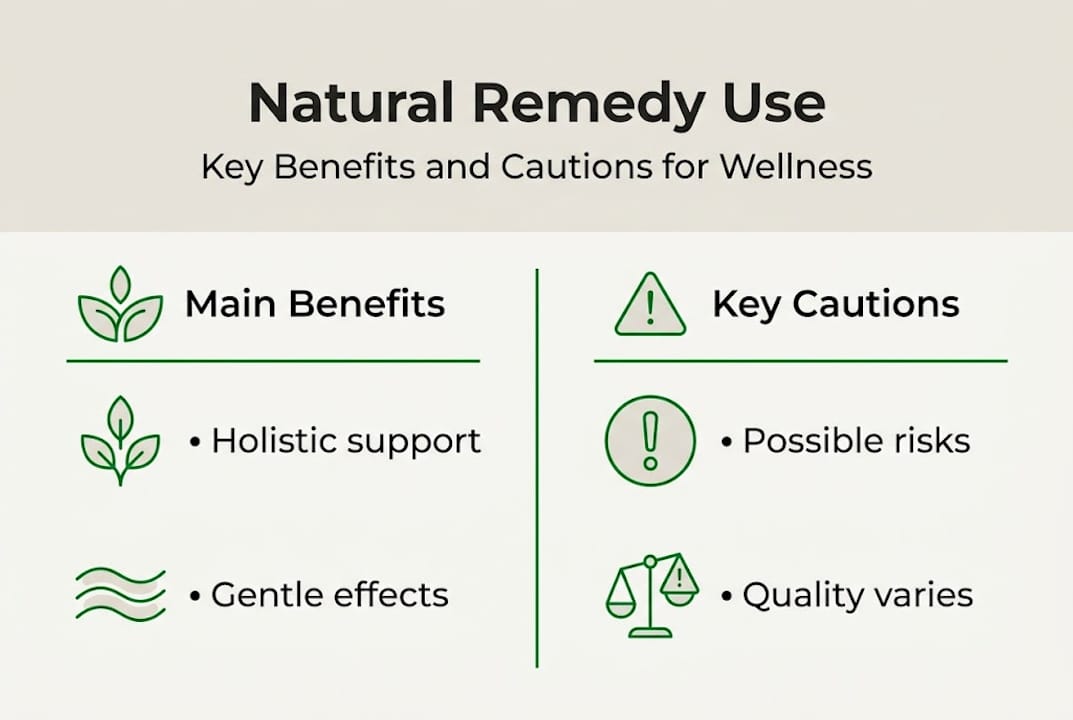
Natural does not mean risk-free. This is one of the most important truths in holistic wellness, and ignoring it creates real harm. Documented risks include poor bioavailability, contamination, adulteration, herb-drug interactions, and outright toxicity in some cases.

One of the most well-known examples is St. John's wort. It is widely used for mood support, but it significantly reduces the effectiveness of antidepressants, birth control pills, and anticoagulants. This is not a minor caveat. It is a clinically significant interaction that can have serious health consequences if not managed.
Key risk factors to be aware of:
- Herb-drug interactions: Some herbs alter how the liver processes medications, raising or lowering drug levels in the blood
- Contamination and adulteration: Unregulated products sometimes contain heavy metals, pesticides, or unlisted pharmaceutical compounds
- Incorrect dosing: More is not always better. Higher doses of certain herbs can cause liver stress or toxicity
- Bioavailability variability: The body may absorb very little of an active compound depending on how the product is formulated
- Mislabeling: Studies have found that many commercial herbal products contain different species or concentrations than labeled
The WHO urges special caution for vulnerable groups, including children, pregnant individuals, and people with chronic illnesses. For these groups, even seemingly gentle herbs can pose risks that outweigh benefits without proper professional oversight.
There is also an environmental dimension to this conversation. Overharvesting wild herbs to meet global demand threatens biodiversity and the very ecosystems these plants come from. Sustainable sourcing is not just an ethical stance. It is a wellness issue for future generations.
Pro Tip: Always tell your doctor or pharmacist about every herbal supplement you take, especially if you are on prescription medications. Treat herbs like any other active substance in your healthcare plan.
For a deeper look at navigating these issues safely, herbal remedy safety is a solid resource. Families with young children will also benefit from checking out herbal safety for families before introducing plant-based remedies at home.
With risk factors clarified, how can you put this knowledge into practical, holistic action at home?
Smart ways to integrate natural remedies into modern wellness
Knowing the science and the risks is one thing. Applying it wisely to your actual daily life is where real change happens. The goal is not to overhaul your entire routine overnight. It is to layer in plant-based support thoughtfully and intentionally.
A practical framework for getting started:
- Start with herbal teas: They are the lowest-risk entry point. Choose single-herb teas like chamomile for sleep or peppermint for digestion before exploring complex blends
- Set a specific wellness goal: Do not just take herbs randomly. Identify whether you want to support immunity, digestion, stress response, or energy, and choose remedies aligned with that goal
- Consult before combining: Talk to an integrative health practitioner or pharmacist before adding any herb to an existing medication routine
- Prioritize standardized products: Look for products that list exact concentrations of active compounds and have third-party testing certifications
- Track your response: Keep a simple journal noting how you feel over two to four weeks. Herbal effects are often subtle and gradual, not immediate
- Integrate holistically: Herbs work best alongside quality nutrition, regular movement, stress management practices, and sufficient sleep
Best practices in natural remedy use increasingly point toward personalized, precision-based approaches, with emerging trends like nanotechnology-enhanced herbal delivery and AI-assisted herb-drug interaction screening on the horizon. The field is evolving fast.
Pro Tip: If you are completely new, the beginner's herbal guide walks you through foundational choices without the overwhelm. You might also find that exploring herbal baths benefits adds a restorative, low-effort ritual to your self-care practice.
Bringing these strategies together, let's put modern natural wellness in perspective.
Our take: How to approach natural remedies wisely in wellness
Here at Finer Holistics, we have a clear position: natural remedies are neither magic bullets nor placebos. They are real biological tools with real effects, real limitations, and real risks when misused.
What frustrates us most in the wellness space is the binary thinking. Either herbs are celebrated as cure-alls, or they are dismissed as pseudoscience. Neither view serves you well. The truth is that best practices for herbal wellness live in the nuanced middle ground where evidence, tradition, and personal biology intersect.
The most effective modern wellness approach treats plant-based remedies as complements to, not replacements for, evidence-based care. Science is steadily catching up with what traditional healers already knew. Personalized herbal protocols, better standardization, and smarter delivery systems are coming. But critical thinking remains your most important tool right now. Be curious, be skeptical of miracle claims, and build your practice on what you can trace back to real evidence and trusted sources.
Explore holistic wellness with Finer Holistics
Ready to experience smarter, safer herbal wellness? Here's where to start.
At Finer Holistics, every product is handcrafted with carefully sourced, high-quality botanicals selected for their traditional and evidence-supported benefits. We do not do generic. We do intentional.
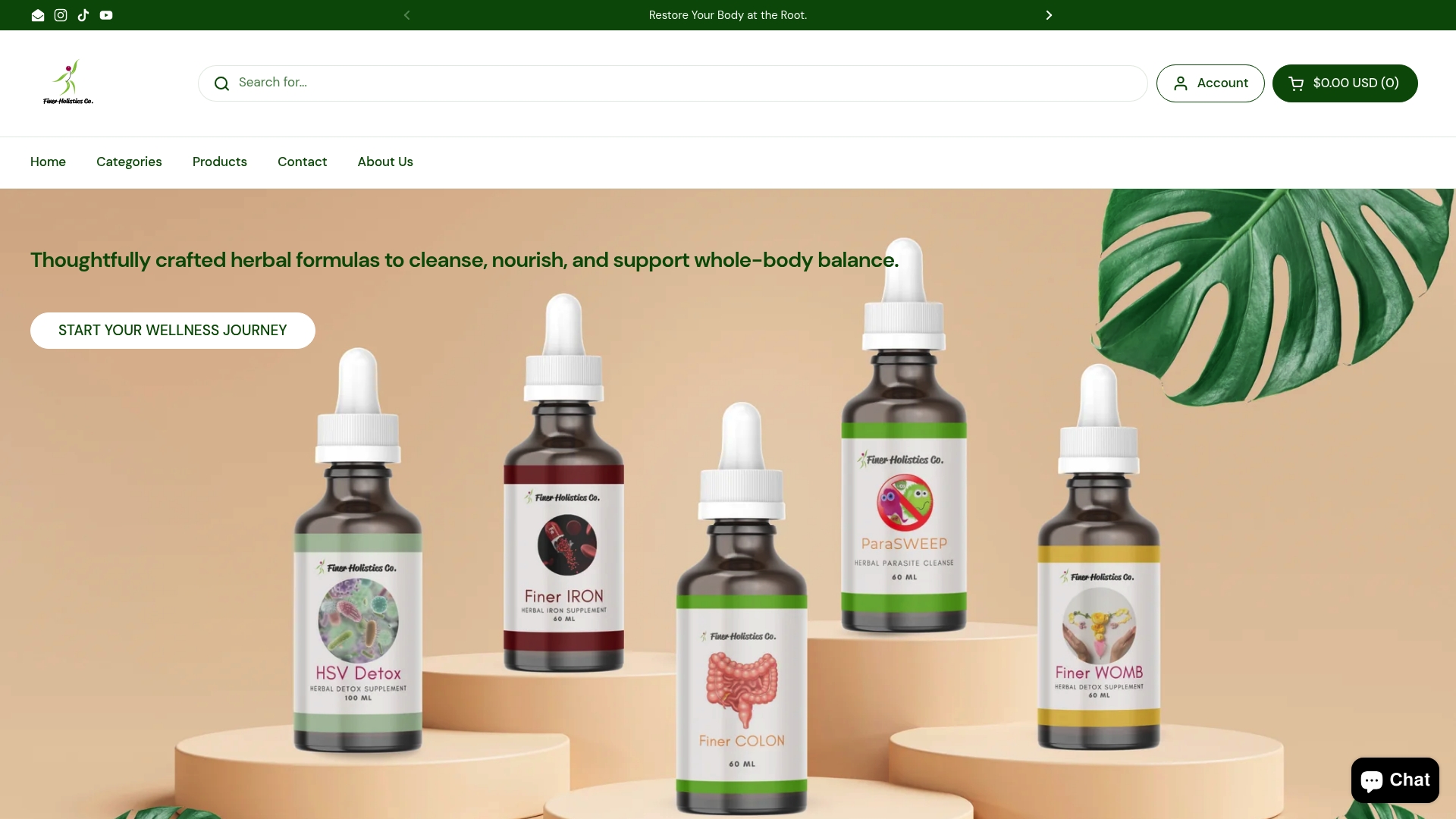
Whether you are looking to reset with detox and cleanse remedies, support your cycle and hormonal balance with women's wellness herbs, or simply explore what plant-based wellness can do for your daily life, you will find thoughtfully made solutions at Finer Holistics. Each product reflects our commitment to quality, transparency, and genuine wellness support rooted in the power of plants.
Frequently asked questions
Are natural remedies safe to use every day?
Natural remedies can be safe for daily use, but the key is choosing high-quality products and getting guidance from a qualified health professional. Best practices include consultation and quality control as non-negotiable starting points for any regular herbal routine.
Can natural remedies replace prescription medications?
No. Natural remedies are ideally used as complements, not replacements, for prescribed medications. Stopping or swapping out prescriptions without medical guidance can have serious and unpredictable health consequences.
What should I look for in a quality herbal product?
Prioritize standardized extracts with listed active compound concentrations, third-party testing, and transparent ingredient sourcing. Best practices emphasize product standardization as one of the most reliable ways to ensure you are getting what the label promises.
Are there any groups who should avoid certain natural remedies?
Yes. Children, pregnant individuals, and people managing chronic illness need to exercise extra caution. WHO urges caution for vulnerable groups and strongly recommends professional oversight before starting any herbal protocol for these populations.
Recommended
- Herbal wellness: evidence, safety & best practices 2026
- Herbal ingredients explained: evidence, benefits, smart uses
- Herbal Remedies for Families: Safe, Natural Wellness
- 7 best practices for wellness: natural tips UK consumers trust – Oxyhealth
- Wellness supplementation: enhance performance, recovery and health – ElevateSupplements