
TL;DR:
- Herbal support for stress depends on understanding their distinct biological mechanisms, such as cortisol reduction or GABA modulation. Clinical evidence shows adaptogens like Ashwagandha and Rhodiola are most effective for mild to moderate daily stress, while herbs like lavender aid sleep and anxiety. Combining herbs with lifestyle changes enhances resilience, but severe anxiety requires professional care beyond herbal remedies.
Grab any wellness magazine or scroll through social media for five minutes, and you'll find dozens of herbs promising to melt your stress away. The problem? Most people treat all calming herbs as interchangeable, when the science tells a very different story. Only a handful have genuine clinical backing, and each one works through a completely different pathway in your body. Understanding which herbs actually deliver and how they do it is the difference between real relief and an expensive jar of false hope.
Table of Contents
- How herbs impact stress: the science explained
- Top herbs for stress relief: what really works
- Where herbs work and where they don't
- How to incorporate herbs for stress relief safely
- The real takeaway: why stress herbs work for some, but not all
- Discover trusted herbal solutions for holistic stress care
- Frequently asked questions
Key Takeaways
| Point | Details |
|---|---|
| Best evidence herbs | Ashwagandha, Rhodiola, and Lavender have the most clinical support for reducing stress and anxiety. |
| How they work | Herbs act by lowering cortisol and modulating key brain chemicals involved in stress responses. |
| Limits of herbal support | Herbs are most effective for mild to moderate stress, not severe anxiety or chronic conditions. |
| Safe usage tips | Follow evidence-based doses, monitor your response, and consult a provider for severe symptoms. |
How herbs impact stress: the science explained
Stress isn't just a feeling. It's a measurable biological cascade, and to understand why some herbs work, you need a basic picture of what happens inside your body when stress hits.
When your brain perceives a threat, it activates the HPA axis, which stands for the hypothalamic-pituitary-adrenal axis. This system signals your adrenal glands to pump out cortisol, your body's primary stress hormone. Short bursts of cortisol are normal and useful. Chronic elevation, though, wears down your immune system, disrupts sleep, and fuels anxiety. The herbs with the strongest evidence are the ones that actually dial this system down.
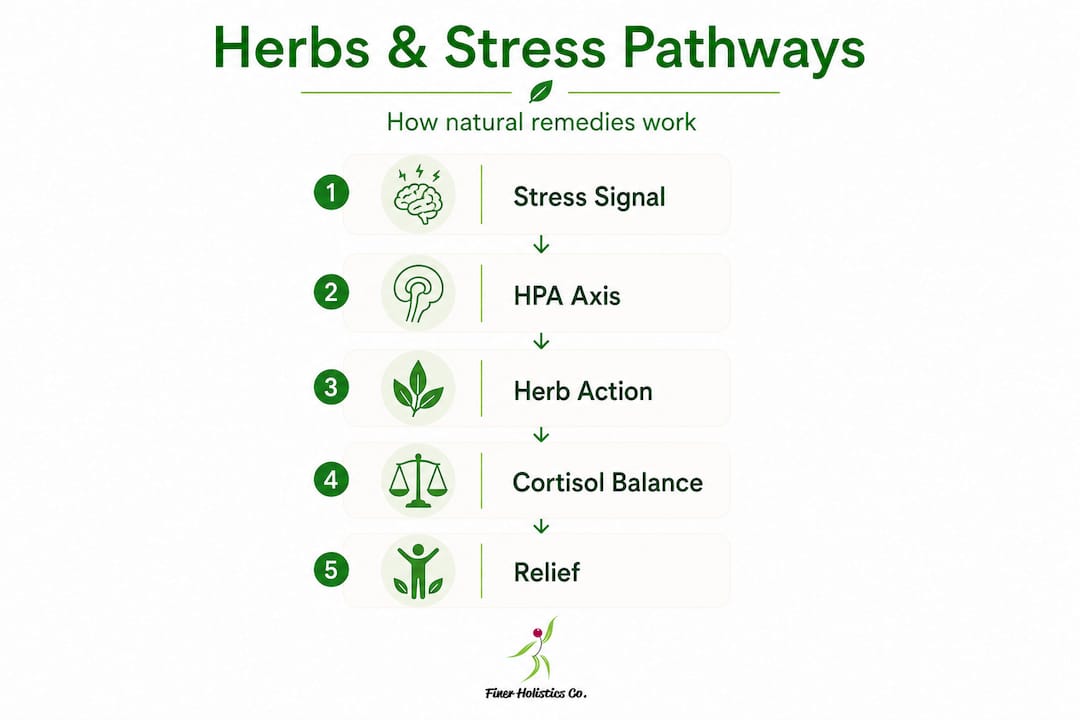
Adaptogenic herbs like Ashwagandha are the clearest example. Research shows these herbs modulate the HPA axis, reducing cortisol and rebalancing your stress response at its root rather than just masking symptoms. Clinical trials confirm that Ashwagandha reduces cortisol by 20 to 30% in stressed adults. That's a meaningful, measurable shift.
Other herbs take a different route entirely. Lavender and valerian primarily work on neurotransmitters, especially GABA and serotonin. GABA is your brain's main inhibitory chemical; when it's active, your nervous system slows down. Think of GABA as the brakes on anxious thought spirals. These herbs support that calming signal rather than touching cortisol directly.
"The mechanism really matters when choosing an herb. If your stress shows up as racing thoughts at night, a GABA-supporting herb might help more than a cortisol-reducer. If you're burnt out and exhausted, an adaptogen targeting the HPA axis is probably the better fit."
Understanding the herbs' effects on stress through this lens makes your choices much smarter. It also explains why some people try valerian and feel nothing while others notice a real shift in sleep quality.
| Herb | Primary mechanism | Evidence level |
|---|---|---|
| Ashwagandha | HPA axis modulation, cortisol reduction | High |
| Rhodiola | Cortisol and fatigue regulation | High |
| Holy Basil (Tulsi) | Cortisol reduction, adaptogenic | Medium-High |
| Lavender | GABA-A receptor activity | Medium |
| Valerian | GABAergic, mild sedative | Medium |
| Lemon Balm | GABA transaminase inhibition | Low-Medium |
Pro Tip: Match your herb to your stress type. Physical fatigue with burnout? Go adaptogen. Racing mind and poor sleep? Look at GABA-supporting herbs. Reviewing herbal evidence and safety before you start helps you avoid wasting time on mismatched remedies.
Top herbs for stress relief: what really works
With a basic grasp of herbal mechanisms, let's look at the best herbs proven to help manage stress.
Not all herbs are created equal when clinical evidence is on the table. A few stand clearly above the rest.
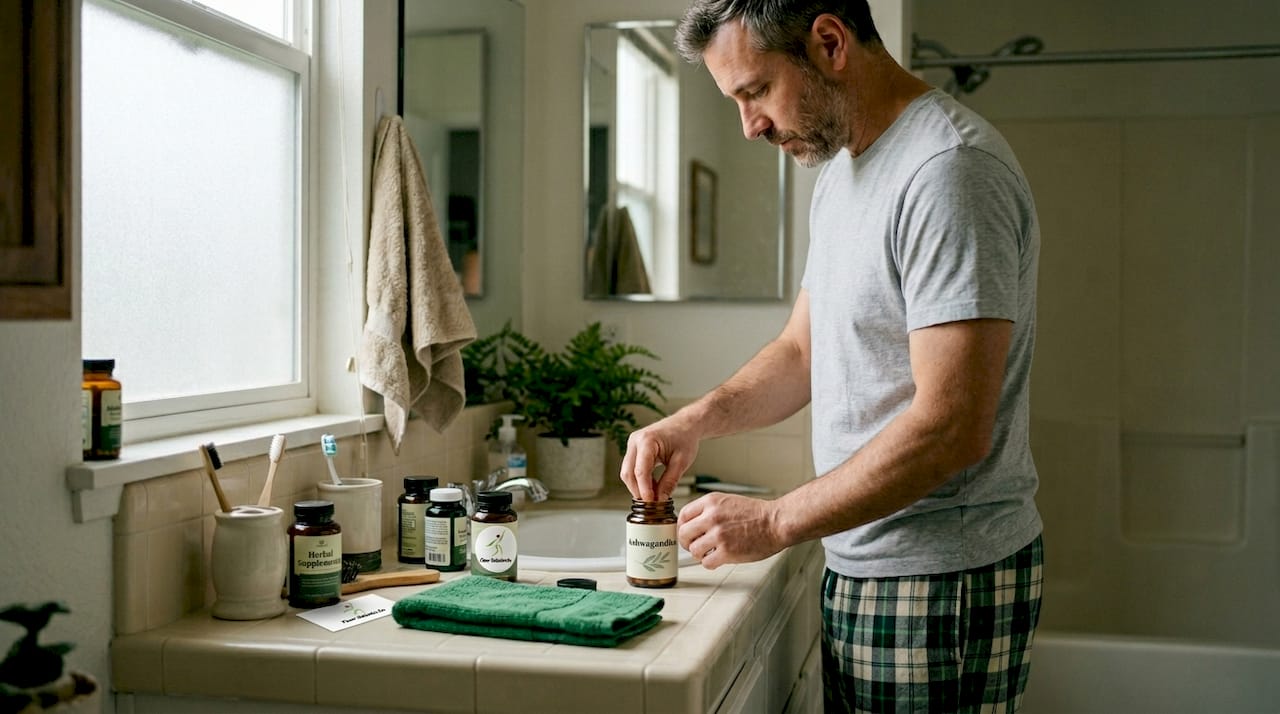
Ashwagandha is consistently the most studied adaptogen for stress. In rigorous trials, Ashwagandha root extract at 300mg twice daily significantly reduced Perceived Stress Scale scores, improved sleep quality, and even supported weight management in chronically stressed adults. Those are not small wins.
Rhodiola rosea targets both cortisol regulation and mental fatigue, making it especially popular with people managing high-pressure work environments. It tends to energize rather than sedate, which sets it apart from herbs like valerian. Many users notice improved focus and resilience within two to three weeks.
Holy Basil, also called Tulsi, is deeply rooted in Ayurvedic tradition and has earned modern clinical respect. It works similarly to Ashwagandha but with an additional anti-inflammatory angle, which matters because chronic stress and inflammation are closely linked.
Lavender is the standout when anxiety and sleep disruption are your main complaints. Studies show lavender modulates GABA-A receptors via two active compounds called linalool and linalyl acetate, reducing anxiety scores by up to 34% and dropping cortisol by 22% in some trials. That's genuinely impressive for a tea or aromatherapy application.
Schisandra is less talked about but shines in combination formulas. It supports adrenal health and mental clarity simultaneously. Research on multi-herb formulas including Rhodiola, Holy Basil, and Schisandra together with Ashwagandha shows reduced stress, lower anxiety, less fatigue, and improved mood and sleep in randomized controlled trials.
Here's a quick comparison of clinical outcomes for the top five herbs:
| Herb | Best use | Typical dose | Key clinical outcome |
|---|---|---|---|
| Ashwagandha | Stress, cortisol, sleep | 300-600mg daily | 20-30% cortisol reduction |
| Rhodiola | Burnout, mental fatigue | 200-400mg daily | Reduced fatigue, better focus |
| Holy Basil | Daily stress, inflammation | 300-600mg daily | Lower stress scores, anti-inflammatory |
| Lavender | Anxiety, poor sleep | Tea or 80mg oral | 34% anxiety reduction |
| Schisandra | Combination support | 500mg or blended | Improved mood and resilience |
Key clinical results by herb:
- Ashwagandha: Reduces cortisol by 20 to 30%, lowers Perceived Stress Scale scores, supports deeper sleep.
- Rhodiola: Cuts mental fatigue significantly, improves concentration under pressure.
- Holy Basil: Lowers anxiety and corticosterone levels, reduces inflammation markers.
- Lavender: Reduces GAD-7 anxiety scores by up to 34%, improves sleep onset.
- Schisandra (in blends): Enhances mood, reduces physical and mental stress symptoms.
Pro Tip: If you're starting out, consider a well-formulated herbal tea for stress that combines two or three of these herbs. Multi-herb blends often work faster than single-herb preparations because they hit multiple stress pathways at once. A single herb is like pressing one key on a piano. A blend plays a chord.
Where herbs work and where they don't
Knowing the strongest herbs is only half the story. Understanding their limits ensures you find the right fit for your needs.
Here's something the wellness industry tends to gloss over: herbs work remarkably well for a specific population and type of stress. Step outside that window, and results drop sharply.
When herbs are most effective:
- Mild to moderate daily stress in healthy adults aged 25 to 45
- Work-related pressure, life transitions, or situational anxiety
- Sleep disruption caused by chronic low-level stress rather than a clinical disorder
- Supporting recovery from burnout when combined with lifestyle changes
- Prevention and resilience-building rather than crisis management
The systematic review of herbal insomnia remedies confirms that valerian and lemon balm show mixed results when tested against placebo, particularly for severe or chronic anxiety. They work better as part of a combination formula than as standalone solutions.
The honest statistical picture: Adaptogens can reduce anxiety and cortisol by up to 30% in clinical settings. That sounds powerful until you realize those results are measured in adults with mild to moderate stress, not individuals dealing with panic disorder, generalized anxiety disorder, or major life trauma.
"Herbs like valerian and motherwort have weak standalone effects in chronic or severe stress cases and function largely as a placebo for serious presentations." — Medical perspective, as reported in recent clinical commentary.
This is not meant to discourage you. It's meant to save you from six months of frustration trying to treat a clinical condition with a chamomile tea. Herbs are genuinely powerful tools for herbal use for mild stress and everyday wellness support. For anything more serious, they belong alongside professional care, not instead of it.
The most important shift you can make is matching your herb to your actual situation. Combination products consistently outperform single sedative herbs for most everyday stress scenarios. And for severe symptoms, panic, or underlying mental health disorders, seeking professional guidance is not optional. It's essential.
How to incorporate herbs for stress relief safely
Armed with facts, here's how you can safely use herbs to support your stress relief goals.
Starting an herbal routine doesn't need to be complicated, but it does need to be intentional. Here's a simple framework that works.
Step-by-step guide to starting herbal stress support:
- Define your goal. Are you trying to lower daily cortisol, sleep better, or reduce afternoon mental fatigue? Your answer determines your herb.
- Choose your herb based on mechanism. Burnout and exhaustion call for an adaptogen like Ashwagandha or Rhodiola. Nighttime anxiety and poor sleep point toward lavender or a lemon balm blend.
- Select your form. Teas are gentle and ritualistic, great for winding down at night. Capsules or tinctures deliver more consistent, measured doses and work well for adaptogens. Traditional preparations like tinctures also tend to have faster absorption than capsules.
- Follow evidence-based dosing. Clinical benchmarks show that 240 to 600mg of Ashwagandha daily for 8 to 12 weeks delivers that 20 to 30% cortisol reduction. Multi-herb formulas tend to show faster onset. Don't expect overnight transformation. Give it at least four weeks before evaluating.
- Track your results. Keep a simple stress journal. Rate your stress, sleep, and energy daily on a scale of one to ten. Small improvements compound significantly over 8 to 12 weeks.
- Monitor for red flags. If you notice digestive upset, worsening anxiety, or any unexpected changes, stop and consult a healthcare provider.
For long-term herbs for lasting vitality, building the habit around a consistent daily ritual makes a bigger difference than the specific herb you choose. Morning adaptogens with breakfast and evening calming herbs before bed creates a rhythm your nervous system learns to respond to.
Pro Tip: "Natural" does not automatically mean "safe for everyone." Ashwagandha is contraindicated during pregnancy. Some herbs interact with medications, especially thyroid drugs, sedatives, and blood thinners. Always check with your doctor if you take any prescription medication. Look for products that are third-party tested for purity and potency. This matters more than the label claims.
The real takeaway: why stress herbs work for some, but not all
After years of working with herbal remedies and seeing what actually moves the needle for people, the most important thing we can tell you is this: herbs are a tool, not a transformation on their own.
The clearest results consistently show up in healthy adults aged 25 to 45 dealing with everyday stress, work pressure, and mild sleep disruption. That's the sweet spot. For people dealing with severe anxiety or underlying mental health conditions, herbs alone are not enough and can create a dangerous false sense of progress while the real issue goes unaddressed.
One thing we see constantly is over-reliance on a single herb. Someone reads about Ashwagandha, takes it for two weeks, feels nothing dramatic, and gives up. The problem isn't the herb. It's the approach. Context matters enormously. Are you sleeping? Eating enough protein? Moving your body? An herb dropped into a life with chronic sleep deprivation and poor nutrition is working against an uphill battle.
The herbs that get the most dramatic results in our experience are those used in combination with real lifestyle support. Better sleep hygiene, reduced alcohol, consistent movement, and even just five minutes of breathwork daily amplify what any herb can do by a factor of two or three. The herb is the support. You are the foundation.
What most people overlook completely is patience. Adaptogens are not sedatives. They don't hit in an hour. They rebuild resilience over weeks. Tracking small, consistent improvements matters more than chasing the newest trendy plant. When you notice that your shoulders aren't quite as tight by week six, or that you're waking up less at 3am, that's the herb working.
The approach to safely using herbs for wellness that we believe in is grounded, realistic, and deeply personalized. Your stress is not identical to anyone else's. Your herbal protocol shouldn't be either.
Discover trusted herbal solutions for holistic stress care
You now have the evidence, the mechanisms, and the practical steps. The next question is where to find herbal products that actually match this standard of quality.
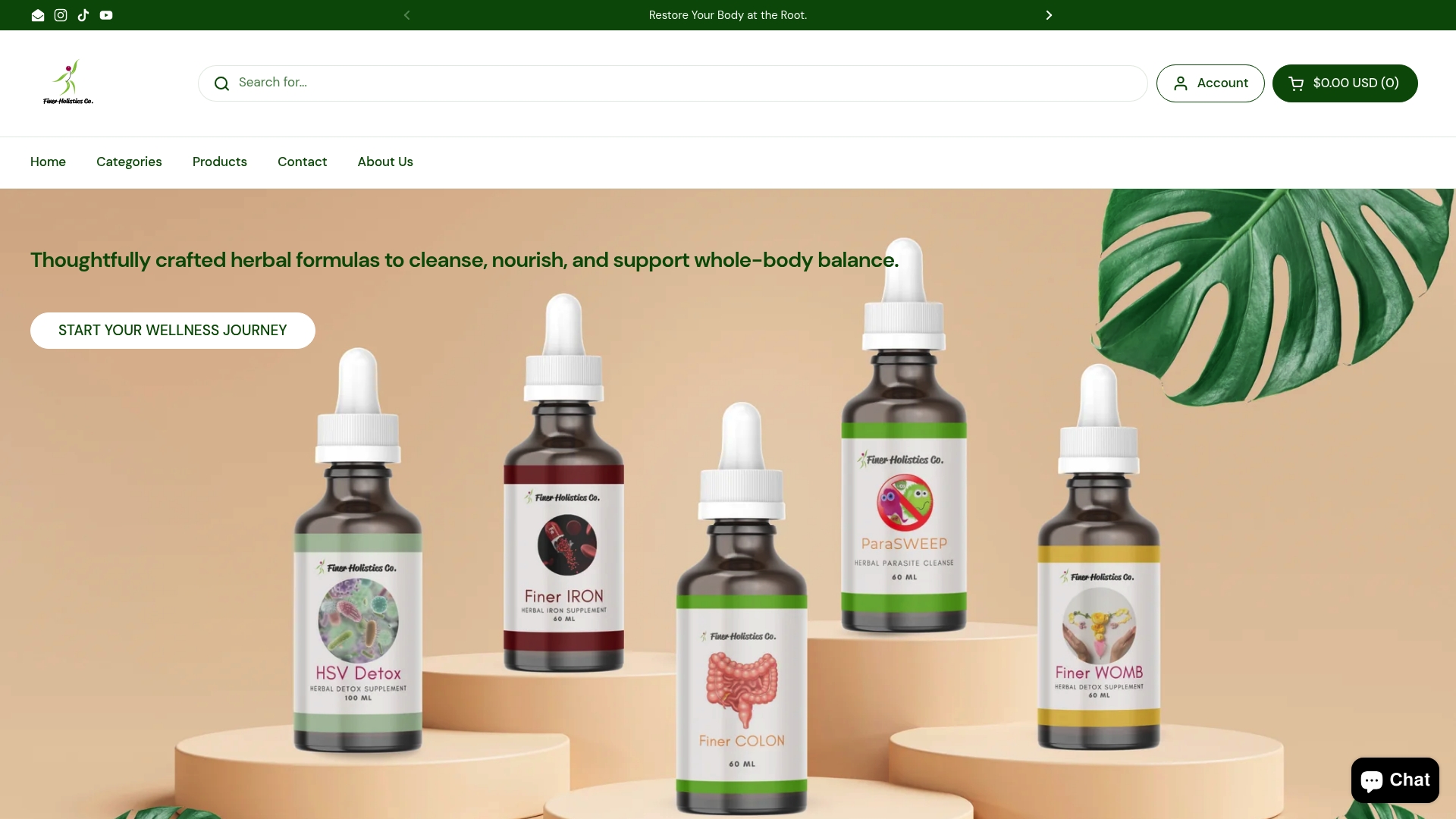
At Finer Holistics, every product is handcrafted with carefully selected ingredients chosen for both their traditional use and their clinical track record. Whether you're looking for daily adaptogenic support or a targeted cleanse to reset your system, our herbal detox and cleanse options are a strong starting point. The Detox Starter Pack is especially popular for those new to herbal wellness, offering a curated introduction to cleansing and balance. For women navigating hormone-driven stress responses, our women's wellness herbs collection addresses the unique interplay between cortisol and hormonal health.
Frequently asked questions
Which herbs are best for fast stress relief?
Ashwagandha, Rhodiola, and multi-herb formulas show the most rapid benefits, often within two to four weeks, particularly for mild to moderate everyday stress.
How long should I take Ashwagandha for stress?
Clinical studies recommend taking Ashwagandha at 240 to 600mg daily for 8 to 12 weeks to achieve consistent and measurable stress and cortisol reduction.
Are herbs like valerian safe for daily stress?
Valerian is generally safe for mild stress but shows mixed results for chronic or severe anxiety. If symptoms don't improve within four weeks, consult a healthcare provider.
What are red flags when using stress herbs?
Stop use and seek professional help if you experience worsening anxiety, unusual side effects, or if you have a history of severe mental health concerns that go beyond everyday stress.
Can I combine herbs for better stress relief?
Yes. Multi-herb formulas combining Ashwagandha, Rhodiola, Holy Basil, and Schisandra consistently outperform single herbs, working faster and targeting more stress pathways simultaneously.