
TL;DR:
- The term "plant-based" in wellness products is often misleading without proper context, covering everything from studied herbs to unresearched powders.
- While plant foods are linked to lower risks of chronic diseases, effective and safe herbal remedies require careful evaluation of their mechanisms, standardization, and bioavailability.
The wellness aisle is packed with products promising natural healing, and the word "plant-based" has never been louder. But here's the uncomfortable truth: the label itself means almost nothing without context. Plant foods are associated with lower risk of several chronic diseases through multiple plausible biological mechanisms, and that science is genuinely exciting. The problem is that the marketing world has stretched "plant-based" so far that it now covers everything from clinically studied herbal extracts to glorified green powders with almost no supporting research. Knowing the difference is what separates a wellness upgrade from a wasted investment or, worse, a safety risk.
Table of Contents
- What makes plant-based remedies appealing?
- How plant-based remedies work in the body
- The evidence for detox and plant-based approaches
- Risks, drug interactions, and what to watch out for
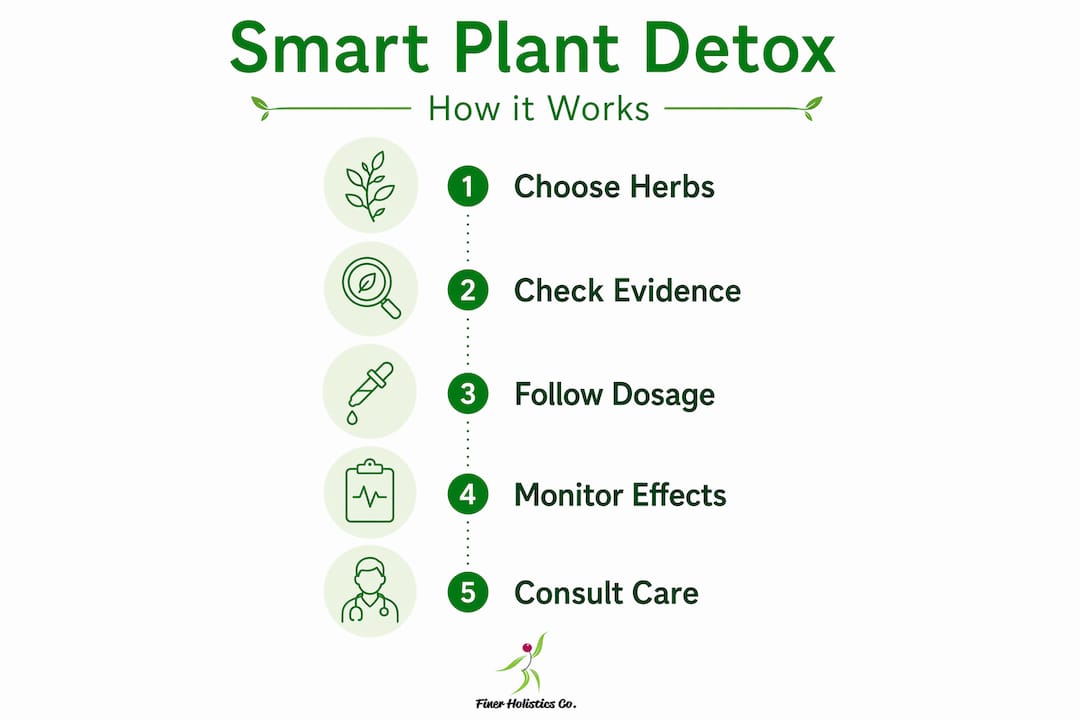
- A smarter approach to choosing plant-based remedies
- Explore trusted plant-based detox solutions
- Frequently asked questions
Key Takeaways
| Point | Details |
|---|---|
| Plant-based advantages | Plant-based remedies offer multi-mechanism support for wellness and may reduce chronic disease risk. |
| Detox with caution | Not all detox regimens are proven or safe; focus on whole foods and avoid extreme cleanses. |
| Safety first | Always check for potential drug interactions and ingredient quality before starting a new remedy. |
| Evidence matters | Choose products with credible data supporting their effectiveness, especially for specific health outcomes. |
What makes plant-based remedies appealing?
People don't turn to herbal remedies out of ignorance. They do it because they want something that feels aligned with their body, gentler in approach, and less burdened by the side-effect profiles that often come with prescription options. That motivation is completely valid. But appealing and effective are not the same thing, and understanding why you're drawn to plant-based wellness helps you choose smarter.
Here are the most common reasons people explore plant-based remedies:
- Desire for gentler support: Many people feel pharmaceuticals are too aggressive for everyday wellness issues like bloating, fatigue, or mild immune dips.
- Holistic philosophy: Plant-based approaches often align with a belief that the body can heal when properly nourished and supported, rather than just medicated.
- Avoidance of synthetic additives: Concerns about artificial preservatives, fillers, and long-term pharmaceutical dependency push people toward herbal alternatives.
- Cultural and traditional roots: Many plant remedies have centuries of traditional use behind them, giving users a sense of time-tested trust.
- Cost and accessibility: Herbal teas, tinctures, and supplements are often more affordable and accessible than specialty medical treatments.
The epidemiological data backs up at least some of this intuition. Studies consistently link plant-based dietary patterns to decreased risk of cardiovascular disease, type 2 diabetes, certain cancers, and all-cause mortality. That's not trivial. It's population-level evidence suggesting that plants, as a category, support long-term health in meaningful ways.
But here's where it gets nuanced. Eating a diet rich in whole plant foods is not the same as taking a concentrated herbal supplement. And exploring holistic healing tips from qualified practitioners is very different from grabbing whatever's trending on social media. "Natural" is not a synonym for "safe" or "proven." Hemlock is natural. So is arsenic. The point isn't to be cynical about plant medicine. It's to be precise about what each remedy actually does and doesn't do.
How plant-based remedies work in the body
So what's actually happening when you drink a dandelion root tea or take a turmeric tincture? The mechanisms are real and increasingly well studied, but they come with important caveats about how reliably they translate to clinical outcomes.
Core biological mechanisms include:
| Mechanism | Example herbs | What the research shows |
|---|---|---|
| Anti-inflammatory signaling | Turmeric, ginger, boswellia | Inhibits pro-inflammatory cytokines like NF-kB |
| Antioxidant activity | Milk thistle, green tea, rosehip | Neutralizes free radicals, supports cellular health |
| Gut microbiome modulation | Slippery elm, licorice root, psyllium | Feeds beneficial gut bacteria, supports gut lining |
| Liver support | Dandelion, burdock, artichoke | Stimulates bile flow and liver enzyme activity |
| Immune modulation | Echinacea, elderberry, astragalus | Supports innate and adaptive immune responses |
These aren't theoretical effects. They're backed by in vitro and animal studies, and increasingly by human clinical trials. However, many plant-based remedies work through multi-target effects like anti-inflammatory signaling and antioxidant pathways, but translating those effects into consistent clinical outcomes depends heavily on standardization and bioavailability.
Bioavailability is a big deal here. It refers to how much of an active compound actually gets absorbed and used by your body. Curcumin, the active compound in turmeric, is famously poorly absorbed on its own. Pairing it with piperine (from black pepper) can increase bioavailability by up to 2,000%, according to research published in Planta Medica. Most cheap turmeric supplements don't include this. So the formula, the delivery method, and the sourcing all matter enormously.
Standardization matters too. A reputable herbal product should tell you exactly what percentage of active compounds it contains. A milk thistle supplement standardized to 80% silymarin is a very different product from one that just says "milk thistle powder." If a label doesn't give you this information, that's a red flag worth taking seriously.
Pro Tip: When evaluating any plant-based supplement, look for third-party testing seals such as USP, NSF, or ConsumerLab. These indicate that the product was independently verified for purity and potency, not just labeled at the manufacturer's discretion.
When you're detoxing naturally and safely, understanding these mechanisms helps you pick remedies that actually match what your body needs rather than just what sounds good on a package.
The evidence for detox and plant-based approaches
Detox is one of the most misused words in wellness. Scroll through any health feed and you'll find 3-day juice cleanses, activated charcoal detox drinks, and miracle tea programs claiming to flush out toxins in days. Some of these products are harmless fluff. Others carry real risks. And a few are genuinely useful.
Let's put them side by side:
| Approach | Evidence level | Potential benefits | Risks |
|---|---|---|---|
| Extreme juice cleanses | Very low | Short-term caloric restriction | Dehydration, electrolyte imbalance, nutrient loss |
| Fiber-rich plant foods | Strong | Supports gut and liver health naturally | Minimal when balanced |
| Milk thistle extract (standardized) | Moderate to good | Liver enzyme support | Mild GI upset in some |
| Activated charcoal supplements | Weak for general detox | Proven use in acute poisoning | Can bind medications and nutrients |
| Herbal detox teas (formulated) | Emerging | Digestive support, hydration | Varies by ingredients |
"Evidence for many detox cleanses is weak, with risks including dehydration and electrolyte imbalance and nutrient shortfalls." This is not anti-wellness messaging. It's a call to choose better.
Here's what evidence-based detox support actually looks like:
- Prioritize fiber. Soluble and insoluble fiber supports liver detox pathways and feeds the gut microbiome. Aim for 25-38 grams per day through whole plant foods.
- Stay well hydrated. The kidneys filter waste constantly. Adequate water intake (roughly 2-3 liters per day) is the most evidence-backed detox tool available.
- Support the liver with targeted herbs. Clinical research shows that a purified plant-based nutraceutical improved liver-function markers in healthy adult participants in a randomized, double-blind, placebo-controlled trial. That's a meaningful result.
- Avoid harsh laxative-based regimens. Products relying heavily on senna or cascara can cause dependency and disrupt natural gut function with repeated use.
- Choose formulations over random powders. A well-designed product that combines synergistic herbs at evidence-informed doses will outperform a single-herb powder taken without context.
If you want to detox safely and sustainably, the approach is less dramatic than most marketing suggests. It looks like consistent dietary choices, quality herbal support, and a realistic timeline. Not a 48-hour miracle.
For people who want structure and guidance, following herbal detox steps laid out by qualified practitioners gives you a framework that's grounded in both tradition and current research.
Risks, drug interactions, and what to watch out for
This is the part that most wellness content glosses over. Plant-based remedies have real safety considerations, and ignoring them is how people get hurt or inadvertently undermine medical treatments they depend on.
The most significant issue is herb-drug interactions. Herbal supplements can decrease or increase drug effects, and high-risk herbs like St. John's Wort are well documented for interfering with antidepressants, birth control, anticoagulants, and antiretroviral medications. But it's not only the high-profile herbs. Garlic at therapeutic doses can thin the blood. Ginkgo can increase bleeding risk. Kava can stress the liver.
The broader research landscape confirms that herbal medicines interact with prescribed medications, but evidence quality is often poor, which makes it genuinely difficult even for clinicians to predict risk with confidence. That uncertainty is reason for caution, not dismissal.
Here's a practical checklist to review before starting any plant-based remedy:
- List every medication you currently take, including over-the-counter drugs and existing supplements.
- Research interactions for each herb using reliable sources like the NCCIH or a clinical pharmacist.
- Consider your health conditions. Kidney or liver disease, hormone-sensitive cancers, and autoimmune conditions all change the risk profile for herbal use.
- Avoid high doses from the start. Start low, observe how your body responds, and increase gradually if needed.
- Check the label for standardization and third-party testing. If you can't verify what's in the product, you can't assess its safety.
- Talk to a healthcare provider who is open to integrative approaches. This isn't about getting permission. It's about having your full health picture considered.
Understanding medicinal herbs and their risks is as important as knowing their benefits. And keeping up with herbal wellness safety practices means you're not just following trends. You're making decisions your body will thank you for.
Pro Tip: If you're taking any chronic medication, bring your supplements to your next doctor's appointment in a bag, labels and all. Ask specifically about interactions. Most people assume their doctor already knows what they're taking. They often don't unless you show them.
A smarter approach to choosing plant-based remedies
After years of working with plants and watching the wellness space evolve, here's what we genuinely believe at Finer Holistics: the people who get the most out of plant-based wellness are the ones who treat it like a practice, not a purchase.
Wellness culture loves to sell urgency. Three-day cleanses. Seven-day resets. Month-long transformations. The problem is that the body doesn't work on marketing timelines. Real change through plant-based support is slower, quieter, and more personal than any product launch suggests.
What we've seen again and again is that the best results come from people who bring genuine curiosity and healthy skepticism to their herbal journey at the same time. They want to know why a herb is recommended, not just that it's trending. They ask about dose, form, and sourcing. They're willing to try something for 60 to 90 days before declaring it a success or a failure. And they're honest with their healthcare providers about what they're using.
Clinical trials are humbling in this regard. Even well-designed studies using high-quality plant extracts often show modest rather than dramatic effects. That's not a failure of plant medicine. It's a reflection of how health actually works. Consistency matters more than intensity. A daily cup of well-formulated herbal tea over six months will outperform a week of aggressive cleansing almost every time.
The other piece of wisdom we'd push back on is the idea that natural wellness should replace medical care. It shouldn't. The most effective approach is integrative. Use plant-based remedies to support what your body is already capable of doing. Use qualified medical care for the things that genuinely require it. There's no conflict in that. There's just honesty.
Following a clear holistic detox workflow with credible guidance gives you structure without the extremism. It's the kind of approach that actually sticks.
Explore trusted plant-based detox solutions
Knowing what to look for is the first step. Acting on it is the second.
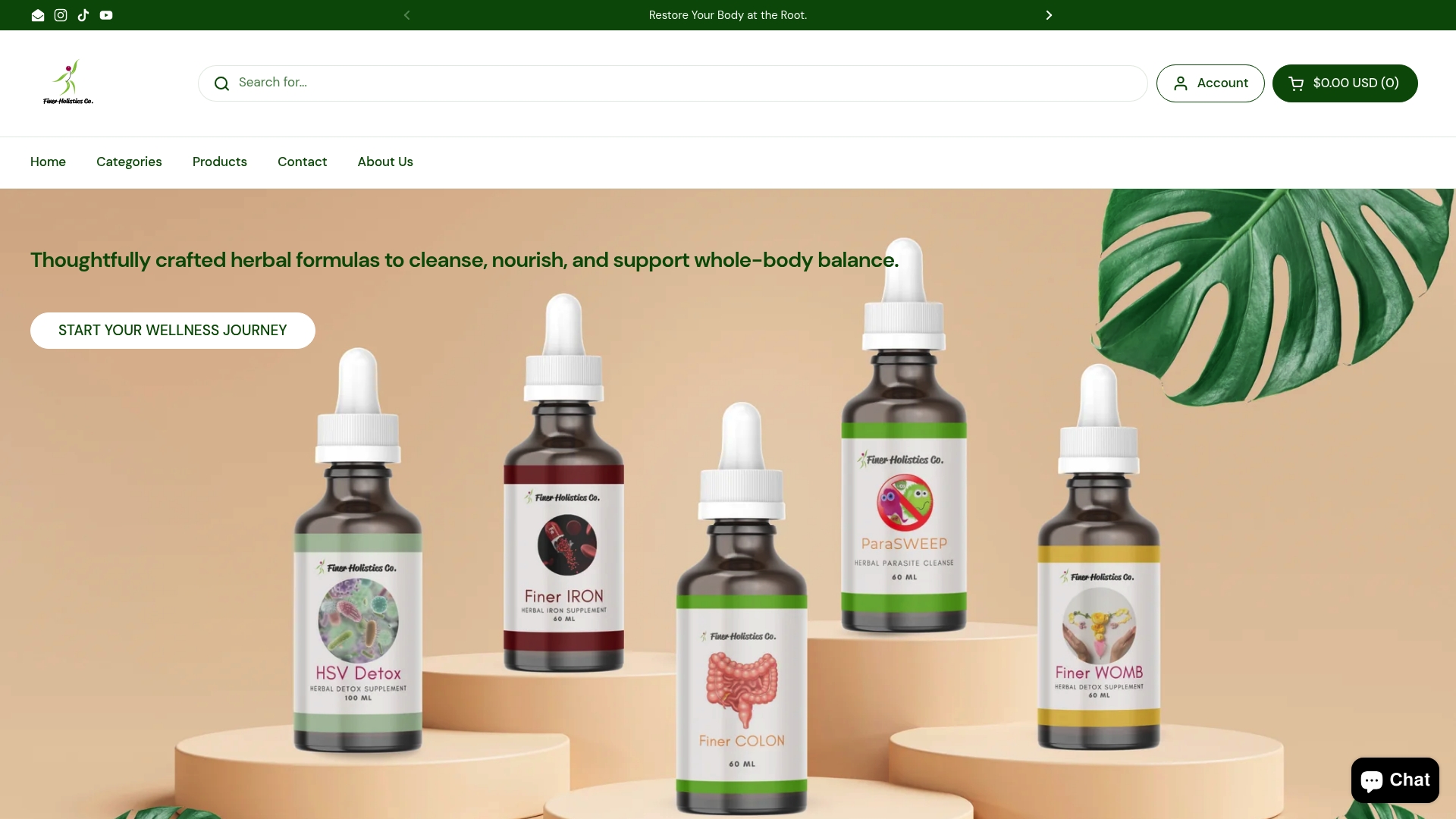
At Finer Holistics, every product starts with the question: does this actually support what the body needs? Our herbal detox remedies are handcrafted using carefully selected herbs, standardized where possible, and formulated with real wellness outcomes in mind, not just appealing packaging. If you're just getting started, our detox starter pack gives you a thoughtfully curated entry point, combining herbs with complementary actions so you're not guessing what to pair or how to begin. This is plant-based wellness done with intention, backed by herbalist knowledge, and designed to fit into a sustainable daily practice.
Frequently asked questions
Are plant-based remedies safer than pharmaceuticals?
Not always. While they're often perceived as gentler, plant-based remedies can cause side effects and interact with medications. Herbal supplements can increase or decrease drug effects, and evidence for many interactions remains limited.
Can plant-based detoxes harm your health?
Yes, particularly strict or poorly designed programs. Detox cleanses carry risks such as dehydration, electrolyte imbalance, and nutrient deficiencies, especially when used repeatedly or without medical supervision.
What results can I realistically expect from plant-based detox kits?
Effects vary significantly by product quality and individual health status. Some formulations have shown real results: a plant-based nutraceutical improved liver markers in healthy adults during a controlled clinical trial.
How can I reduce risk when using herbal supplements?
Review all your current medications with a healthcare provider, choose standardized and third-party-tested products, and avoid extreme regimens. Clinicians recommend reviewing medication histories carefully due to the genuine risk of herb-drug interactions.