
TL;DR:
- Reaching for wild herbs like dandelion, nettle, and burdock can support detox efforts when correctly identified and sustainably harvested. Proper knowledge of plant features, areas to avoid, and preparation methods is essential to prevent health risks. Using these herbs as supportive tools alongside a balanced lifestyle enhances overall wellness safely.
Reaching for plants that grow freely in fields and forests feels instinctive, like tapping into something the body already knows. Wild herbs have supported human health for centuries, and right now, more people than ever are turning to dandelion, nettle, and burdock as part of their detox and wellness routines. But without the right knowledge, foraging or sourcing wild herbs can move from empowering to risky very quickly. This guide gives you a clear framework for choosing and using wild herbs safely, backed by research and rooted in the kind of practical wisdom that actually makes a difference.
Table of Contents
- How to choose and forage wild herbs safely
- Top wild herbs for detox: dandelion, nettle, and burdock
- Wild herbs for detox: head-to-head comparison
- Risks, allergies, and common mistakes with wild herbs
- Our take: what most guides miss about wild herbs for wellness
- Explore safe and effective herbal detox options
- Frequently asked questions
Key Takeaways
| Point | Details |
|---|---|
| Prioritize safety and ID | Use at least three sources for identification and harvest from unpolluted areas when foraging wild herbs. |
| Top three detox herbs | Dandelion, nettle, and burdock offer strong evidence for supporting detoxification and overall wellness. |
| Check allergies and interactions | Always consider allergies and possible drug interactions before using wild herbs. |
| Not all herbs are equal | Choose the right wild herb based on your unique needs—refer to the comparison table for guidance. |
| Balance tradition and science | Integrate wild herbs with both traditional wisdom and up-to-date research for a safe approach to wellness. |
How to choose and forage wild herbs safely
Wild herbs offer real wellness benefits, but they reward the prepared and punish the careless. Before you pull a single leaf from the ground, you need a solid identification process and a clear understanding of what makes a wild plant safe to use.
Identifying wild herbs correctly takes more than a quick glance. Plants share features. Leaves look similar. Stems mimic each other across species. The only way to be confident in your identification is to cross-reference multiple sources. National Geographic recommends using at least three different field guides or apps before harvesting any wild plant. One guide might miss a key detail that another catches. Using a combination of a printed regional field guide, a plant identification app like iNaturalist, and local expert knowledge dramatically reduces the chance of a costly mistake.
Here are the key features to assess with every plant before harvesting:
- Leaf shape, texture, and arrangement: Are the leaves opposite or alternate on the stem? Smooth or hairy?
- Stem cross-section: Round, square, or hollow? This single feature eliminates dozens of look-alikes.
- Flower color and structure: Number of petals, color patterns, and bloom season matter enormously.
- Root and smell: Some toxic plants have a very distinct odor. Crush a small piece and notice it.
- Habitat: Where a plant grows tells you a lot. A plant thriving in a shaded, damp woodland is a different species than one growing in an open meadow, even if they look identical at a glance.
- Season: Timing affects both identification and potency. Dandelion leaves are most nutritious in early spring before flowering.
"The consequences of misidentification can be fatal. Poison hemlock (Conium maculatum) looks strikingly similar to wild parsley, carrot, and several edible plants. Every year, foragers make this mistake." Learning to identify correctly is not optional, it is essential.
Harvest sustainability also matters. Never take more than one third of any plant population from a single area. This protects the ecosystem and ensures the plants return next season. Avoid foraging within 50 feet of roadsides, as vehicle exhaust leaves heavy metal residue on plant surfaces. Stay away from agricultural areas where pesticide or herbicide drift is likely.
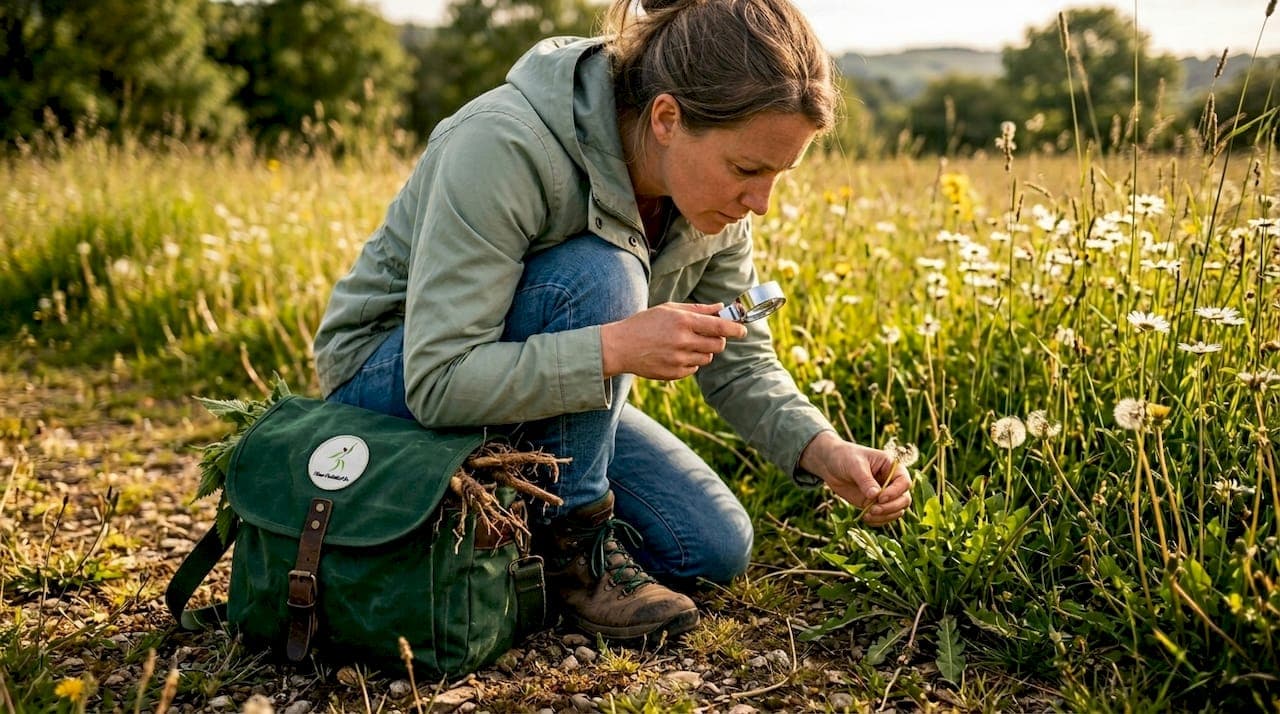
Pro Tip: Always bring a hand lens (10x magnification) when foraging. It lets you see fine hairs, gland structures, and vein patterns that make all the difference between a safe ID and a dangerous guess. Pair this with your understanding of medicinal herbs safety before your first outing.
For deeper context on traditional practices and safety protocols, reviewing herbalism safety tips from trusted sources helps you build a more complete picture.
Top wild herbs for detox: dandelion, nettle, and burdock
With safety criteria in place, let's explore the top wild herbs used for detox and vitality. These three plants are not trendy newcomers. They have decades of ethnobotanical use, a growing body of preclinical research, and accessible profiles that make them practical choices for everyday wellness.
1. Stinging nettle (Urtica dioica)
Nettle is one of the most nutritionally dense wild plants you can find. According to Chestnut Herbs, nettle is rich in vitamins A, C, and K, along with iron, calcium, and magnesium. It supports kidney function by acting as a gentle diuretic, encouraging the body to flush excess fluid and waste. The stinging hairs on fresh leaves are neutralized completely by cooking or drying, making cooked nettle tea, soups, and tinctures safe and effective. Nettle also contains quercetin and beta-sitosterol, compounds with recognized anti-inflammatory properties.
2. Dandelion (Taraxacum officinale)
Every part of the dandelion is useful. The root supports liver function, the leaves act as a natural diuretic, and the flowers contain antioxidants including luteolin and beta-carotene. Research published in Current Drug Targets identifies dandelion as a liver tonic, diuretic, and anti-inflammatory agent with meaningful clinical relevance. Dandelion supports bile production, which helps the liver process fats and eliminate toxins more efficiently. It has also shown early promise in nonalcoholic fatty liver disease (NAFLD) research, though larger human trials are still ongoing.
3. Burdock (Arctium lappa)
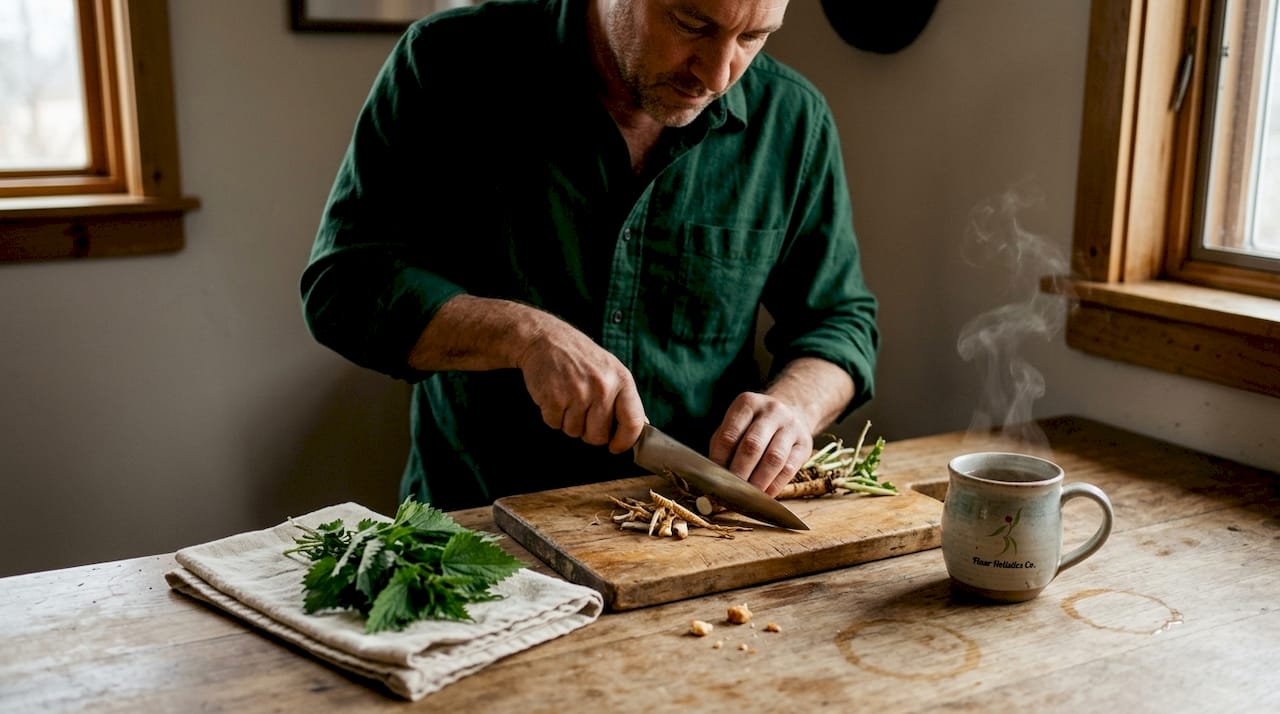
Burdock root is a workhorse in traditional detox blends. Compounds including inulin (a prebiotic fiber), arctigenin, and chlorogenic acid give burdock its liver, skin, and kidney supporting properties. A review published on EurekaSelect highlights burdock's role in supporting liver and kidney detoxification pathways. Burdock's high inulin content also feeds beneficial gut bacteria, making it a useful tool for digestive health alongside detox support. It is commonly found in woodland edges and disturbed soils across North America.
For a broader look at how these plants fit into a detox research overview, the current evidence base is promising but still developing in terms of large-scale human clinical data.
Pro Tip: Blending all three herbs into a single tea creates a synergistic effect. Use equal parts dried nettle leaf, dandelion root, and burdock root. Steep for 10 to 15 minutes and drink one to two cups daily. This combination targets liver, kidney, and lymphatic pathways at once, supporting a gentle but thorough cleanse. For more on ritual and practical use, explore herbs for self-care and a thorough herbal nutrition guide.
Stat callout: Dandelion extract has shown potential in reducing liver enzyme markers in NAFLD models, with some preclinical studies showing over 30% reductions in key inflammatory markers. This is promising, though human validation is still needed.
Wild herbs for detox: head-to-head comparison
Understanding the individual herbs is useful, but a direct comparison makes decision-making easier, especially if you have a specific wellness goal in mind.
| Herb | Primary benefit | Best form | Ease of foraging | Safety level |
|---|---|---|---|---|
| Dandelion | Liver tonic, diuretic, antioxidant | Tea, tincture, raw greens | Very easy (common lawn plant) | High when correctly identified |
| Nettle | Kidney support, anti-inflammatory, nutrition | Cooked tea, tincture, soup | Easy in temperate regions | High after cooking or drying |
| Burdock | Liver and skin detox, prebiotic | Root tea, tincture, food | Moderate (woodland edges) | High; avoid similar-looking plants |
According to Frontiers in Nutrition, empirical data is strongest for dandelion and nettle in NAFLD and antioxidant trials, with burdock showing strong traditional use and compelling preclinical evidence. This makes dandelion and nettle slightly better documented choices for those who want the most research-backed options available right now.
Here's a quick guide to choosing the right herb for your goal:
- For liver support and gentle detox: Dandelion root tea is your first choice. It directly stimulates bile production and has the most documented liver applications.
- For reducing inflammation and boosting nutrients: Nettle is unmatched. It delivers minerals and anti-inflammatory compounds in one plant.
- For skin clarity and digestive health: Burdock's inulin content and blood-purifying traditional use make it ideal for people dealing with skin congestion or sluggish digestion.
- For a complete detox blend: All three together offer a well-rounded approach targeting multiple elimination pathways.
For a broader look at plant-based approaches, the herbal detox strategies resource covers complementary practices you can layer alongside these herbs.
Risks, allergies, and common mistakes with wild herbs
While the benefits are extensive, responsible use depends on knowing the limits and risks of wild herbs. Enthusiasm without education leads to real harm.
Allergies and plant family sensitivities are more common than most guides acknowledge. Dandelion belongs to the Asteraceae family, which also includes ragweed, chamomile, and echinacea. If you react to any of these plants, dandelion may trigger similar responses. The Sacramento Bee reports that Asteraceae allergies are a documented concern with dandelion, and that stinging nettle must be cooked or dried before consumption to neutralize its formic acid content.
Common risks and mistakes include:
- Harvesting near contaminated areas: Soil near industrial sites, golf courses, and heavily sprayed lawns holds heavy metals and pesticide residue. Plants absorb these compounds readily, meaning a beautiful patch of dandelion in the wrong location is not safe to eat.
- Using fresh nettle without preparation: The sting from fresh nettle leaves is caused by formic acid and histamine. Direct skin contact causes a burning rash. Always wear gloves when harvesting and always cook or thoroughly dry nettle before consuming it.
- Misidentifying burdock: Young burdock leaves can resemble foxglove (Digitalis purpurea), which is highly toxic. Always check the stem and root to confirm the species.
- Overlooking drug interactions: Dandelion's diuretic action can amplify the effect of prescription diuretics. Nettle has mild blood-thinning properties that may interact with anticoagulant medications. Always consult a qualified healthcare provider if you take prescription medications.
- Wildcrafting outside legal zones: Some parks and protected lands prohibit plant harvesting. Know your local regulations before you forage.
For further evidence-based guidance, research into folk use and risks of wild plants reinforces how important proper context and education are for safe outcomes.
"Wild herbs are powerful allies when respected and used correctly. The same plant that heals in the right dose and preparation can cause real harm without proper knowledge." Education is always the first step.
Supporting your learning with resources on herbal wellness safety builds the kind of foundational understanding that protects you every time you reach for a wild plant.
Our take: what most guides miss about wild herbs for wellness
Most wild herb articles spend their time glorifying the plants or listing benefits without telling you the harder truths. Here's what we've observed working with herbs and the people who use them.
The gap between preclinical research and clinical certainty is much wider than the wellness world admits. When a study shows dandelion reduces liver enzymes in mice or in isolated cell cultures, that finding is valuable but it does not automatically translate into a proven human treatment. The excitement around these results often outpaces what the science actually confirms. This does not make wild herbs ineffective. It means you should use them as supportive tools, not primary treatments for diagnosed conditions.
There is also a real tension between honoring traditional plant wisdom and demanding clinical proof for everything. Traditional herbalism has guided communities for thousands of years without randomized controlled trials. That knowledge deserves respect. But the current trend of treating every folk remedy as a confirmed cure, especially as social media amplifies claims rapidly, creates a dangerous false confidence.
What actually works is integration. Use wild herbs alongside a nutrient-rich diet, quality sleep, movement, and stress management. Don't expect dandelion tea to undo years of liver stress from alcohol or poor diet on its own. Expect it to support your body's natural process when the rest of your lifestyle is also pointing in the right direction.
Start slow. Add one herb at a time. Notice how your body responds over two to four weeks before adding another. This approach lets you identify sensitivities and gives each plant enough time to make a noticeable difference. For a grounded look at the ingredients and evidence behind common herbal choices, herbal ingredients explained is worth reading before you start building your routine.
The most successful people we see in the herbal wellness space are not the ones who forage the most or drink the strongest teas. They are the ones who approach plants with curiosity, patience, and respect for both traditional knowledge and scientific honesty.
Explore safe and effective herbal detox options
Knowing which wild herbs support your wellness goals is only part of the picture. Sourcing them safely and in the right forms matters just as much.
At Finer Holistics, every herbal blend is handcrafted by a holistic herbalist using carefully selected ingredients, so you never have to worry about contamination, misidentification, or guesswork. If you're ready to experience the benefits of dandelion, nettle, burdock, and other powerful wild herbs in safe, tested, and beautifully blended formulas, explore our herbal detox collection. For those just getting started, our detox starter pack is a practical, approachable entry point into plant-based cleansing, designed to support your body gently and effectively from the very first cup.
Frequently asked questions
What are the best wild herbs for liver detox?
Dandelion, nettle, and burdock are among the top wild herbs supported by research for promoting liver detoxification. Dandelion acts as a liver tonic, stimulating bile production and reducing inflammation in liver tissue.
Is it safe to eat wild herbs for detox?
Wild herbs can be part of a safe detox routine if properly identified, harvested away from pollution, and used with awareness of allergies and specific preparation steps. Using multiple identification sources before harvesting is a critical safety step.
How do I avoid toxic look-alikes when foraging?
Consult at least three reliable guides, check all plant features including stem shape, leaf arrangement, and root structure, and harvest only when absolutely certain of a wild herb's identity. Cross-referencing 3+ guides or apps significantly reduces toxicity risk.
Who shouldn't use wild herbs for wellness?
People with allergies to specific plant families like Asteraceae, or those on medications such as blood thinners or prescription diuretics, should consult a qualified professional before using wild herbs. Asteraceae allergies and nettle preparation requirements are documented concerns to discuss with your healthcare provider.
Are wild herbs clinically proven for detox?
Preclinical and small clinical trials show real promise for dandelion and nettle in liver health and antioxidant support, but large-scale human studies are still needed for definitive conclusions. Empirical data is strongest for dandelion and nettle in NAFLD and antioxidant-related trials.